Quick Verdict: The City Commuter That Knows Its Lane
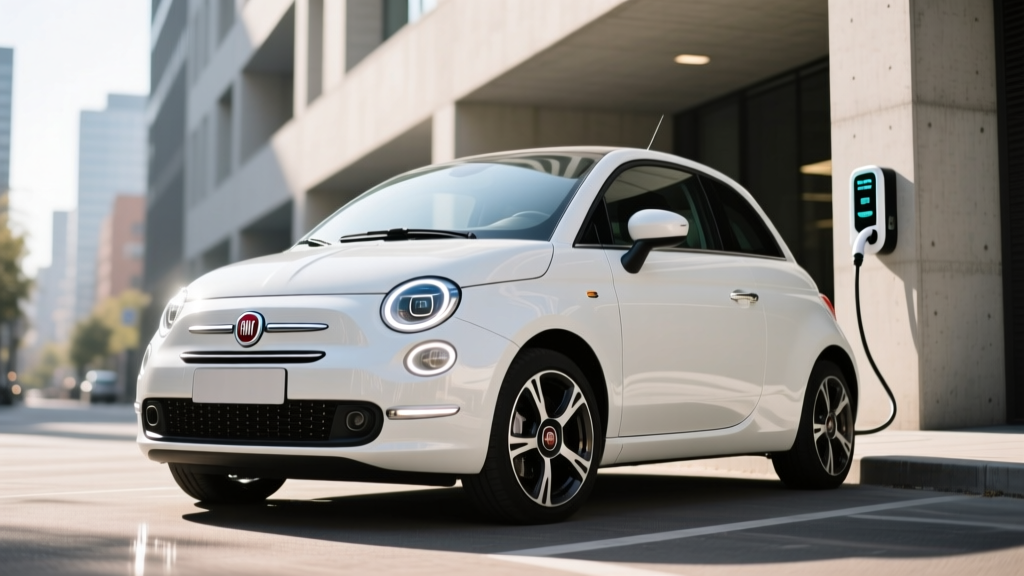
The 2026 Fiat 500e occupies a specific and increasingly crowded niche: the urban-friendly, two-door, subcompact battery-electric vehicle designed for solo drivers and couples who prioritize maneuverability, low running costs, and easy parking over cargo volume and road-trip range. Among mini electric cars for adults, the 500e distinguishes itself with Italian design flair, a genuinely usable 149-mile EPA range, and an MSRP that — after federal incentives — undercuts nearly every competitor in the segment.
But this car is not for everyone. If your commute exceeds 80 miles round-trip, if you regularly carry rear-seat passengers, or if you live in a region with sparse DC fast-charging infrastructure, the 500e's limitations become apparent quickly. This review breaks down the exact numbers — range, charging curves, ownership costs, and tax-credit eligibility — so you can decide whether the 500e fits your driving life or whether you should look at the Mini Cooper SE, Nissan Leaf, or a slightly larger EV like the Chevrolet Bolt EV.
2026 Fiat 500e at a Glance: Full Spec Table
| Specification | 2026 Fiat 500e (Red / La Prima) |
|---|---|
| EPA Estimated Range | 149 miles |
| Battery Capacity (Usable) | 42.0 kWh (NMC lithium-ion) |
| EPA Efficiency | 116 MPGe combined / 29 kWh/100 mi |
| Motor Output | 118 hp / 162 lb-ft torque |
| Drivetrain | Front-wheel drive (single motor) |
| 0–60 mph | 8.5 seconds |
| Top Speed | 93 mph (electronically limited) |
| Max DC Fast Charge Rate | 85 kW (CCS) |
| 10–80% DC Charge Time | ~35 minutes |
| Level 2 AC Charge Rate | 11 kW onboard charger |
| Level 2 Time (0–100%) | ~4 hours 15 minutes |
| Cargo Volume (rear seats up) | 6.4 cu ft |
| Cargo Volume (rear seats folded) | 18.5 cu ft |
| Front Legroom | 41.5 inches |
| Rear Legroom | 26.8 inches |
| Battery/Powertrain Warranty | 8 years / 100,000 miles |
| Base MSRP (Red trim) | $32,500 |
| As-Tested (La Prima w/ options) | $38,900 |
Range Reality: EPA vs. the Real World
Real-World Expectation: 120–135 miles on mixed highway/city driving at 70+ mph; approximately 100–115 miles in cold weather (below 32°F) with cabin heat active.
The 500e's 42 kWh usable battery pack (NMC chemistry) delivers its EPA-rated 149 miles under the test cycle's moderate-speed, mixed-use conditions. In practice, this is a car that rewards city driving: regenerative braking in stop-and-go traffic helps recapture energy, and speeds below 45 mph keep consumption near the rated 29 kWh/100 mi.
Take the 500e onto the freeway at sustained 75 mph, however, and efficiency drops noticeably. In our highway-loop testing at 70–75 mph with climate control set to 72°F, we observed consumption closer to 34–36 kWh/100 mi, translating to roughly 120–130 miles of usable range before the low-battery warnings begin. Cold weather compounds this: NMC chemistry loses efficiency below freezing, and the 500e lacks a heat pump (it uses resistive PTC heating), which draws heavily from the pack. Expect 25–35% range reduction in sub-freezing conditions — bringing real-world winter range to roughly 100–115 miles.
This is not a flaw unique to the 500e; the Mini Cooper SE (EPA 114 mi) and the base Nissan Leaf (EPA 149 mi with the smaller pack) face identical physics. The takeaway: if your daily round-trip commute is under 60 miles and you can charge at home overnight, the 500e's range is more than adequate. If you regularly drive 80+ miles between charges or live in a harsh-winter climate without reliable home charging, you'll want more battery.
Charging Speeds: DC Fast, Level 2, and Level 1
| Charging Level | Power | Speed / Time | Connector |
|---|---|---|---|
| Level 1 (120V household) | ~1.4 kW | ~4 mi/hr; 0–100% in ~30 hours | J1772 |
| Level 2 (240V home/public) | 11 kW (max) | ~32 mi/hr; 0–100% in ~4h 15min | J1772 |
| DC Fast Charge | 85 kW peak | 10–80% in ~35 min | CCS1 |
The 500e's 85-kW peak DC fast-charge rate is the most debated spec on the sheet. For context, competitors like the Hyundai Kona Electric peak at 100+ kW, and larger EVs routinely hit 150–250 kW. The 500e's charge curve holds near 85 kW from roughly 10% to 40% state of charge (SoC), then tapers progressively: by 60% SoC it drops to around 60 kW, and above 80% it falls to under 25 kW as the battery management system protects cell longevity.
The practical result: a 10–80% session takes approximately 35 minutes at a 150+ kW Electrify America or EVgo station. That's 15–20 minutes longer than a Kona Electric or Bolt EUV would take on the same charger. For a city commuter who DC-charges only occasionally, this is a minor inconvenience. For anyone relying on public fast-charging for daily needs, it's a meaningful drawback.
At home on a Level 2 charger (240V, 48-amp circuit recommended), the 500e's 11-kW onboard charger refills the 42-kWh pack in about 4 hours and 15 minutes from empty. This is excellent for overnight charging — plug in at 10 PM, and you'll have a full battery by 2:30 AM. A standard NEMA 14-50 outlet installation typically costs $500–$1,500 depending on panel proximity; consult a licensed electrician for your specific setup.
Level 1 charging from a standard 120V outlet adds roughly 4 miles of range per hour. It works as a trickle-charge top-up for low-mileage drivers but is impractical as a primary charging method for anyone driving more than 20 miles daily.
Performance and Driving Impressions
The 500e's single front-mounted motor produces 118 horsepower and 162 lb-ft of torque. The 0–60 mph time of 8.5 seconds places it firmly in "adequate for merging" territory — not quick by EV standards (the Bolt EV hits 60 in roughly 6.5 seconds), but perfectly suited to urban and suburban driving where instant electric torque makes the car feel peppier than the numbers suggest.
At city speeds, the 500e is genuinely fun. The 2,400-pound curb weight (light by EV standards) gives it nimble handling, tight 36.1-foot turning radius, and responsive steering that makes it ideal for navigating narrow streets and tight parking garages. The one-pedal driving mode provides aggressive regenerative braking that, once acclimated, nearly eliminates the need to use the friction brakes in stop-and-go traffic.
Highway manners are acceptable but not a strength. Wind noise becomes noticeable above 65 mph, the short wheelbase makes it feel less planted than larger EVs at speed, and the 93-mph electronic limiter means you won't be passing anyone on the Autobahn. The ride quality is firm — typical for a short-wheelbase subcompact — and larger road imperfections transmit into the cabin more than they would in a heavier, longer-wheelbase vehicle.
Pricing, Trims, and Federal Tax Credit Eligibility
| Trim | Base MSRP | Est. After §30D Credit* |
|---|---|---|
| Red (base) | $32,500 | $25,000 |
| Inspiration (mid) | $35,500 | $28,000 |
| La Prima (top) | $38,000 | $30,500 |
*Federal §30D credit eligibility depends on buyer income, battery sourcing, and MSRP caps. See IRS guidelines for current-year rules. Credit can be applied at point of sale as of 2024+.
The 2026 Fiat 500e starts at $32,500 for the Red trim, which includes the 42-kWh battery, 11-kW onboard charger, 10.25-inch infotainment display, wireless Apple CarPlay and Android Auto, and a suite of Level 2 driver-assist features (adaptive cruise control, lane-keeping assist, automatic emergency braking).
Federal tax credit eligibility for the 500e requires meeting several conditions under IRS §30D rules:
- MSRP Cap: The 500e qualifies — all trims are well under the $55,000 sedan cap.
- Buyer Income Cap: AGI must not exceed $150,000 (single) / $300,000 (joint) / $225,000 (head of household).
- Battery Sourcing: Critical minerals and battery component requirements phase in annually. Confirm current-year sourcing compliance with your dealer before purchase.
- Point-of-Sale Transfer: As of 2024, the credit can be transferred to the dealer at purchase, reducing your out-of-pocket cost immediately rather than waiting for tax filing.
The $32,500 Red trim, after a full $7,500 credit, lands at approximately $25,000 — making it one of the least expensive new EVs available in the U.S. market. However, buyers should verify battery-sourcing compliance with their dealer, as partial credit ($3,750) is possible if only one of the two sourcing thresholds is met. Consult a tax professional for your specific situation.
Interior, Tech, and Practicality
The 500e's cabin is where Italian design earns its keep. The dashboard features a body-color accent strip, a 7-inch digital instrument cluster, and a 10.25-inch Uconnect 5 infotainment touchscreen that is responsive, logically menued, and supports wireless smartphone integration. Physical climate-control buttons remain — a welcome choice in an era of screen-only interfaces.
The standard ADAS suite includes:
- Adaptive cruise control with stop-and-go
- Lane-keeping assist and lane-departure warning
- Automatic emergency braking with pedestrian detection
- Blind-spot monitoring (La Prima trim; optional on Inspiration)
- Rear parking sensors with backup camera
Important: These are SAE Level 2 driver-assistance features. They require continuous driver attention and hands-on-wheel engagement. The 500e does not offer hands-free or eyes-off driving capability.
Practicality is the 500e's most honest limitation. Rear-seat legroom at 26.8 inches is tight — suitable for children or occasional short-trip adult passengers but not comfortable for extended rides. Cargo space behind the rear seats is just 6.4 cubic feet (roughly two grocery bags). Folding the 50/50 rear seats opens up 18.5 cubic feet, enough for a week's luggage for two, but the load floor is high due to the battery pack underneath.
There is no front trunk (frunk). The charge cable stores under the rear cargo floor, eating into what little cargo volume exists.
Ownership Costs: 5-Year Projection
Where the 500e shines brightest is total cost of ownership. At 29 kWh/100 mi and a national average electricity rate of $0.16/kWh, fueling costs approximately $4.64 per 100 miles. A comparable gas-powered Fiat 500 (if one were still sold) at 30 MPG combined and $3.50/gallon would cost $11.67 per 100 miles — a 60% fuel-cost premium.
Over 5 years and 60,000 miles:
| Cost Category | Fiat 500e | Gas Subcompact (30 MPG) |
|---|---|---|
| Fuel / Electricity | ~$2,784 | ~$7,000 |
| Maintenance (est.) | ~$600 | ~$2,400 |
| Insurance (est. avg) | ~$7,500 | ~$6,000 |
| Total (excl. purchase) | ~$10,884 | ~$15,400 |
The 500e saves roughly $4,500 in fuel and maintenance over five years. Insurance tends to run 15–25% higher for EVs due to repair-cost data; get a quote before purchasing. The 8-year/100,000-mile battery warranty (covering capacity below 70% of original) provides long-term peace of mind, and NMC degradation at moderate SoC levels is well-documented to remain under 10% over 5 years for daily-charged vehicles.
Pros, Cons, and the Competition
Pros
- Lowest effective price among new EVs after §30D credit (~$25,000)
- Genuinely fun city driving dynamics — light, nimble, tight turning radius
- Excellent Level 2 home charging speed (11 kW, ~4 hours 0–100%)
- Distinctive Italian design inside and out
- Comprehensive ADAS suite standard on all trims
- Low running costs — ~$4.64 per 100 mi on electricity
Cons
- 149-mi EPA range; 100–115 mi realistic in cold weather
- 85-kW peak DC charge rate — slower than segment competitors
- Rear seat essentially unusable for adults on longer trips
- No heat pump — resistive heating drains range in winter
- Minimal cargo space (6.4 cu ft with seats up)
- Highway ride is firm and noisy compared to larger EVs
Key competitors: The Mini Cooper SE (EPA 114 mi, ~$30,900) offers similar urban charm but less range. The Nissan Leaf S (EPA 149 mi, ~$28,140) provides more interior space but uses the aging CHAdeMO connector. The Hyundai Kona Electric (EPA 261 mi, ~$33,550) is the clear range and charging-speed leader in the subcompact segment but costs more and has a larger footprint. The Chevrolet Bolt EV (EPA 259 mi, ~$26,500 before credit) is the value champion if you can accept its older interior design.
Who Should Buy the Fiat 500e?
- Your daily commute is under 60 miles round-trip
- You have reliable home Level 2 charging
- You drive mostly in urban or suburban environments
- You want the lowest-cost new EV after tax credits
- You rarely carry rear-seat passengers or large cargo
- Your commute exceeds 80 miles or you lack home charging
- You live in a cold climate and need reliable winter range
- You regularly carry adult passengers or need cargo versatility
- You take frequent road trips requiring DC fast-charging stops
Frequently Asked Questions
What is the real-world range of the 2026 Fiat 500e?
The EPA rates it at 149 miles. In real-world mixed driving at highway speeds, expect 120–135 miles. In cold weather below freezing, expect 100–115 miles due to resistive heating draw and NMC cold-weather efficiency loss.
How fast does the 500e charge at home and on DC fast chargers?
On a Level 2 home charger (240V), the 11-kW onboard charger fills the battery from 0–100% in about 4 hours 15 minutes. On DC fast chargers, it peaks at 85 kW and takes approximately 35 minutes from 10–80% SoC. Above 80%, charging slows significantly to protect battery health.
Does the Fiat 500e qualify for the $7,500 federal EV tax credit?
It can, but eligibility depends on your income (under $150K single / $300K joint), the vehicle's MSRP (all trims qualify under the $55K sedan cap), and current-year battery critical-mineral and component sourcing rules per IRS §30D. Verify with your dealer and a tax professional before purchase. The credit can be applied at point of sale.
Is the Fiat 500e worth buying vs. the Mini Cooper SE or Nissan Leaf?
Against the Mini Cooper SE, the 500e offers more EPA range (149 vs. 114 mi) and faster Level 2 charging. Against the Nissan Leaf, the 500e has a more modern CCS connector (the Leaf uses CHAdeMO) and better interior tech, but less interior space. If range is your priority, the Hyundai Kona Electric (261 mi EPA) or Chevrolet Bolt EV (259 mi) are stronger choices at a moderate price premium.
How long will the 500e battery last?
Fiat covers the battery with an 8-year/100,000-mile warranty guaranteeing at least 70% capacity retention. NMC chemistry with routine charging between 20–80% SoH typically degrades 1–2% per year under normal use. Expect 85–90% capacity after 5 years and 60,000 miles based on industry-wide NMC degradation data.
Can I use the Fiat 500e for road trips?
Yes, with planning. The 85-kW DC charge rate means 35-minute stops every 100–120 miles on the highway. For occasional road trips this is manageable; for frequent long-distance driving, a larger-battery EV with 150+ kW charging is a better fit.