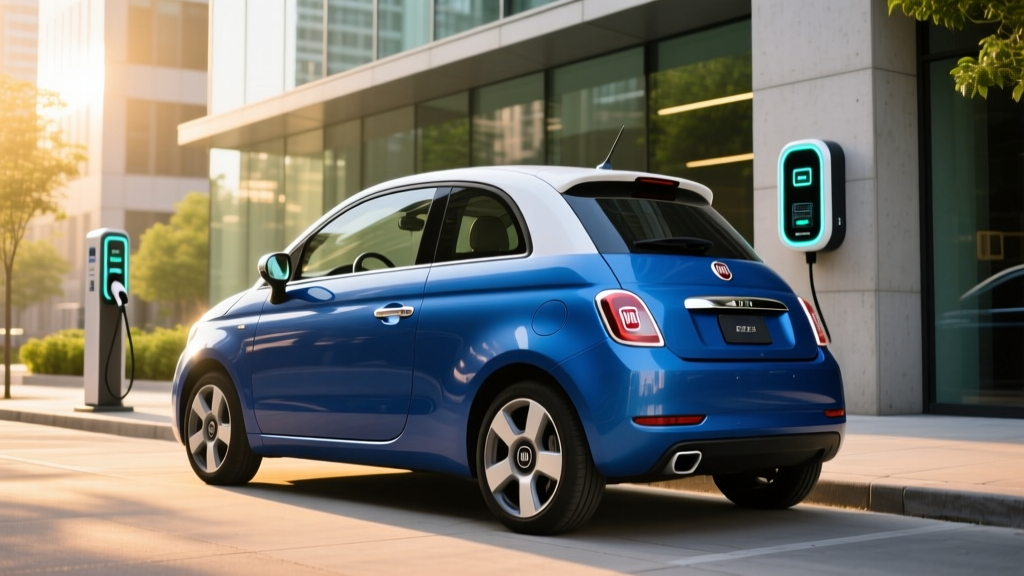
If you've been searching for mini electric cars that actually make sense for city commuting, the 2026 Fiat 500e demands a serious look. After three generations of gas-powered 500s and a previous EV attempt that fizzled in the U.S., Stellantis has brought the 500e back with a proper 42-kWh battery, CCS/NACS charging capability, and a sub-$33,000 starting price. But with an EPA-estimated range of just 149 miles, the real question is whether this compact Italian hatchback solves the urban EV puzzle or leaves you searching for chargers.
Real-World Range Reality Check
EPA Estimate: 149 miles
Highway (70 mph sustained): ~125-135 miles
Cold weather (below 32°F): ~110-120 miles
City commuting with regen: 140-155 miles
The 500e's modest battery means range swings are noticeable. Summer city driving with regenerative braking can actually exceed EPA estimates, but winter highway trips will test your planning. Plan for 100-110 miles of comfortable buffer on cold days.
Range, Efficiency, and the 42-kWh Question
The 2026 Fiat 500e uses a 42-kWh lithium-ion battery pack with NMC (nickel manganese cobalt) chemistry. That's smaller than competitors like the Chevy Bolt EV's 65-kWh pack or the Nissan LEAF's 60-kWh option, but it's appropriate for the 500e's urban mission. The EPA rates it at 116 MPGe combined, translating to 29 kWh per 100 miles — respectable efficiency for a vehicle this size.
Where the 500e shines is city driving. At lower speeds with frequent regenerative braking opportunities, you'll see range numbers that match or beat the EPA sticker. The single-speed transmission and 118-horsepower electric motor provide smooth, predictable power delivery. But this is a car designed for 30-mile commutes and grocery runs, not cross-country road trips. If your daily driving exceeds 80 miles round-trip with no charging access at work or home, the 500e's limitations will become apparent quickly.
| Specification | Value |
|---|---|
| EPA Range | 149 miles |
| Battery Capacity | 42 kWh (usable), NMC chemistry |
| Efficiency | 116 MPGe combined / 29 kWh/100mi |
| Motor Output | 118 hp, 162 lb-ft torque |
| 0-60 mph | 8.5 seconds |
| Drivetrain | Front-wheel drive |
| DC Fast Charge (peak) | 85 kW |
| 10-80% DC Charge Time | ~35 minutes |
| Level 2 Charge Rate | 11 kW (37 miles per hour) |
| Base MSRP | $32,500 (Red trim) |
| As-Tested (La Prima) | $38,400 |
| Battery Warranty | 8 years / 100,000 miles |
Charging Speed: Adequate for City Life, Slow for Road Trips
The 500e's charging profile reflects its urban-focused design. DC fast charging peaks at 85 kW — respectable for a small-battery EV, but not competitive with vehicles sporting 150-250 kW capability. The 10-80% charge takes approximately 35 minutes at a compatible DC fast charger. The charge curve is relatively flat: you'll see 70-85 kW from 10-50% state of charge, then taper to 40-50 kW through 80%, and further reduction above that.
| Charging Method | Power | Time / Range Added |
|---|---|---|
| Level 1 (120V household) | 1.4 kW | ~5 miles per hour |
| Level 2 (240V home/public) | 11 kW | ~37 miles per hour, 0-100% in ~4.5 hours |
| DC Fast Charge | 85 kW peak | 10-80% in ~35 minutes |
For daily use, Level 2 home charging is where the 500e makes sense. Plug in overnight and you'll wake up to a full battery every morning. The 11-kW onboard charger is faster than some competitors (the base Nissan LEAF uses a 6.6-kW charger), meaning a full charge takes about 4.5 hours from empty. If you're installing a Level 2 home charger, a standard 48-amp circuit will max out the 500e's capability.
The 500e uses a CCS1 connector for DC fast charging in North America, though NACS (Tesla Supercharger) compatibility is available via adapter for 2026 models. Public charging reliability varies by network — plan your routes using apps like PlugShare or A Better Routeplanner, and always have a backup charging option.
Performance: Peppy City Car, Not a Hot Hatch
The 500e's 118-horsepower electric motor and 162 lb-ft of torque provide adequate acceleration for urban merging and highway on-ramps. The 0-60 mph time of 8.5 seconds won't win any drag races, but the instant torque delivery makes the car feel quicker than the numbers suggest in stop-and-go traffic. Top speed is electronically limited to 94 mph.
Handling is where the 500e's short wheelbase (91.5 inches) and 2,952-pound curb weight work in its favor. The car feels nimble in tight parking situations and city streets, with a turning circle of just 34.8 feet. However, the firm suspension tuning that enables this agility translates to a ride quality that some drivers find harsh on rough pavement. Road noise is noticeable at highway speeds — a trade-off for the lightweight construction.
The single driving mode and three regenerative braking levels (including a one-pedal driving option) are straightforward. There's no complexity here: select your preferred regen level and drive. The brake pedal feel is progressive and predictable, avoiding the grabby or vague feel that plagues some EVs.
Interior, Cargo, and Daily Livability
The 500e's interior is where Italian design meets practical compromise. The 7-inch digital instrument cluster and 10.25-inch infotainment touchscreen (on La Prima trim) are well-integrated, with wireless Apple CarPlay and Android Auto standard. The Uconnect 5 system is responsive and intuitive. Physical climate controls are a welcome addition over touch-only interfaces.
Front seat comfort is good for adults up to about 6 feet tall, with supportive cloth or available leatherette seating. Rear seats are best suited for children or occasional adult passengers on short trips — legroom is tight at 30.1 inches, and headroom is limited by the sloping roofline. Cargo space behind the rear seats is just 7.1 cubic feet, expanding to 18.5 cubic feet with the 50/50 split rear seats folded. For comparison, the Chevy Bolt EV offers 16.7 cubic feet behind the rear seats.
Storage solutions include a small glovebox, door pockets, and a center console bin. There's no front trunk (frunk) — the space is occupied by charging equipment and power electronics. For grocery runs and daily commuting, the cargo area is adequate. For anything requiring serious hauling, you'll need a larger vehicle.
Pricing, Tax Credits, and Value Proposition
The 2026 Fiat 500e starts at $32,500 for the base Red trim, which includes the 10.25-inch touchscreen, wireless smartphone integration, and basic driver assists. The mid-level Icon trim adds premium features for $35,000, while the top La Prima trim at $38,400 includes leatherette seats, a sunroof, and enhanced safety features.
| Trim Level | MSRP | Federal Tax Credit | Effective Price |
|---|---|---|---|
| Red (base) | $32,500 | Up to $7,500* | ~$25,000 |
| Icon | $35,000 | Up to $7,500* | ~$27,500 |
| La Prima | $38,400 | Up to $7,500* | ~$30,900 |
*Federal EV tax credit eligibility under IRS §30D depends on multiple factors: buyer income limits (AGI caps of $150,000 single / $300,000 married filing jointly), vehicle MSRP caps ($55,000 for cars), and battery component/critical mineral sourcing requirements. The 500e's battery is assembled in Poland with some components sourced outside North America, which may limit credit eligibility to $3,750 or eliminate it entirely depending on current-year sourcing rules. Always verify eligibility with a tax professional and check IRS.gov guidance before purchase. Point-of-sale transfer is available if you qualify.
Even at full MSRP without tax credits, the 500e is competitively priced against other mini electric cars. The Chevy Bolt EV starts around $26,500 but is larger and less stylish. The Nissan LEAF S starts at $28,140 but uses the outdated CHAdeMO connector and has lower range. The 500e's combination of design, brand cachet, and urban usability justifies its premium for the right buyer.
Who Should Buy the Fiat 500e?
Pros
- Distinctive Italian design in a segment of appliance-like EVs
- Excellent city maneuverability and parking ease
- Responsive infotainment with wireless smartphone integration
- Competitive Level 2 charging speed (11 kW)
- Low operating costs: ~$0.04-0.06 per mile depending on electricity rates
Cons
- Limited 149-mile EPA range restricts road trip capability
- Tight rear seats and minimal cargo space
- Firm ride quality on rough roads
- 85-kW DC fast charging is slower than competitors
- Uncertain federal tax credit eligibility due to battery sourcing
The 500e is ideal for urban dwellers with home charging access who prioritize style and city usability over range and cargo capacity. If your daily driving is under 60 miles, you have reliable Level 2 charging at home or work, and you value design and brand personality, the 500e delivers a compelling package. It's a second car for households that already have a larger vehicle for road trips and hauling, or a primary car for singles and couples without children who live in walkable, charger-accessible neighborhoods.
The 500e is not the right choice if you need over 200 miles of range, regularly carry rear passengers, tow anything, or live in an area with limited public charging infrastructure. For those use cases, the Chevy Bolt EV, Hyundai Kona Electric, or even a plug-in hybrid like the Toyota Prius Prime offer more versatility.
Warranty and Long-Term Ownership
Fiat backs the 500e with an 8-year/100,000-mile battery and powertrain warranty, covering defects and capacity loss below 70% of original capacity. The basic vehicle warranty is 4 years/50,000 miles. These terms are standard for the segment and provide reasonable peace of mind for a vehicle in this price range.
Battery degradation data for the current-generation 500e is still limited (the model returned to the U.S. market in 2024), but NMC chemistry typically retains 85-90% capacity after 100,000 miles with proper care. Avoid frequent DC fast charging above 80% state of charge, and try to keep the battery between 20-80% for daily use to maximize longevity. The 500e's thermal management system is liquid-cooled, which helps maintain battery health in extreme temperatures.
Insurance costs for the 500e are moderate — expect to pay $1,200-1,500 annually depending on your location and driving record. Maintenance is minimal: no oil changes, fewer brake replacements due to regenerative braking, and cabin air filter changes every 15,000-20,000 miles. Total cost of ownership over five years is competitive with gas-powered subcompacts when factoring in fuel savings and lower maintenance.
Competitive Landscape: How the 500e Stacks Up
In the mini electric cars segment, the 500e faces direct competition from the Chevy Bolt EV (259-mile range, $26,500), Nissan LEAF (up to 212-mile range, $28,140), and Hyundai Kona Electric (261-mile range, $32,675). Each offers more range and cargo space than the Fiat, but none match its design personality or urban maneuverability.
The Bolt EV is the value leader with nearly double the range and a lower price, but its interior feels dated and the brand lacks the 500e's style. The LEAF's CHAdeMO connector is a significant drawback as the industry standardizes on CCS and NACS. The Kona Electric is a strong all-around choice but costs slightly more and doesn't offer the same city-car charm.
For buyers prioritizing range and practicality over design, the Bolt EV or Kona Electric are objectively better choices. But if you want a mini EV that turns heads, fits in tight parking spots, and makes your daily commute feel like a small indulgence, the 500e has no direct rival.
What is the real-world range of the 2026 Fiat 500e?
The EPA estimates 149 miles, but real-world range varies significantly. City driving with regenerative braking can yield 140-155 miles, while sustained highway driving at 70 mph drops to 125-135 miles. In cold weather below 32°F, expect 110-120 miles of usable range. Plan conservatively and charge when you hit 20% state of charge.
How fast does the 500e charge at home and on DC fast chargers?
At home on a Level 2 (240V) charger, the 500e adds about 37 miles of range per hour and charges from empty to full in roughly 4.5 hours. On DC fast chargers, it peaks at 85 kW and charges from 10-80% in about 35 minutes. Level 1 (120V) charging adds just 5 miles per hour — suitable only for emergency top-ups.
How much does the Fiat 500e cost after federal tax credits?
The base Red trim starts at $32,500 MSRP. If you qualify for the full $7,500 federal tax credit under IRS §30D (subject to income limits, MSRP caps, and battery sourcing requirements), the effective price drops to around $25,000. However, battery component sourcing may limit the credit to $3,750 or eliminate it entirely. Verify eligibility with a tax professional before purchase.
Is the 500e worth buying compared to other mini electric cars?
If you prioritize design, urban maneuverability, and brand personality over range and cargo space, yes. The 500e has no direct styling rival in the segment. But if you need over 200 miles of range, regularly carry passengers, or want the best value, the Chevy Bolt EV or Hyundai Kona Electric offer more practicality for less money.
Does the 2026 Fiat 500e qualify for the $7,500 federal EV tax credit?
Eligibility is uncertain and depends on current-year battery sourcing rules under IRS §30D. The 500e's battery is assembled in Poland with some components sourced outside North America, which may limit the credit to $3,750 or disqualify it entirely. Buyer income limits (AGI under $150,000 single / $300,000 married) and the vehicle MSRP cap ($55,000 for cars) also apply. Check fueleconomy.gov and consult a tax professional for your specific situation.
What are the biggest drawbacks of the Fiat 500e?
The 149-mile EPA range is limiting for road trips, the rear seats are tight for adults, cargo space is minimal at 7.1 cubic feet, and the 85-kW DC fast charging is slower than competitors. The firm ride quality and road noise at highway speeds also detract from long-distance comfort. This is a city car first, and those compromises are the trade-off for its urban agility and distinctive design.
The 2026 Fiat 500e isn't trying to be everything to everyone. It's a purpose-built urban EV that excels in the specific use case of city commuting with home charging access. If that matches your lifestyle, the 500e offers a combination of style, usability, and Italian flair that no other mini electric car can match. If you need more range, space, or versatility, look elsewhere — but do so knowing you're trading personality for practicality.