Buying a pre-owned electric vehicle is one of the smartest ways to go electric without absorbing the steep first-year depreciation that new EVs carry. And thanks to the Previously-Owned Clean Vehicles Credit under IRS §25E, qualifying buyers can knock up to $4,000 off the purchase price of a used EV — applied right at the dealership. But the rules are specific: not every used EV qualifies, not every buyer qualifies, and the savings picture only makes sense when you look at total cost of ownership, not just the sticker price.
This guide breaks down exactly how the federal tax credit for used EVs works in 2026, who qualifies, which models are eligible, and what your real five-year ownership cost looks like — including charging, insurance, maintenance, and resale value.
How the Federal Tax Credit for Used EVs Works in 2026
The used-EV credit is technically called the Previously-Owned Clean Vehicles Credit (IRC §25E). It's separate from the new-vehicle §30D credit and has its own set of rules. Here's what you need to know:
- Credit amount: 30% of the sale price, up to a maximum of $4,000.
- Vehicle price cap: The sale price must be $25,000 or less.
- Vehicle age: The model year must be at least 2 years older than the calendar year of purchase. For a 2026 purchase, the vehicle must be a 2024 model year or older.
- Vehicle type: Must be a battery electric vehicle (BEV) or plug-in hybrid (PHEV) with a battery capacity of at least 7 kWh.
- Dealer requirement: Must be purchased from a licensed dealer (private-party sales do not qualify).
- First-time transfer: The vehicle must not have been resold by the same dealer to another qualifying buyer under this credit previously (the IRS tracks this via a VIN-based system).
Buyer Income Caps (Modified Adjusted Gross Income)
- Married filing jointly or surviving spouse: $150,000 or less
- Head of household: $112,500 or less
- All other filers (single, married filing separately): $75,000 or less
The income test uses the lesser of your MAGI in the year of purchase or the prior year. If your 2026 income exceeds the cap but your 2025 income was under it, you still qualify.
Point-of-Sale Transfer
Since 2024, you can transfer the used-EV credit to the dealer at the point of sale. This means the $4,000 (or 30% of the price, whichever is less) comes off as an immediate discount on the vehicle — you don't have to wait until you file your tax return. The dealer must be registered with the IRS Energy Credits Online system. Always confirm the dealer is enrolled before finalizing the purchase.
Which Used EVs Commonly Qualify?
Because the $25,000 sale price cap is strict, you're generally looking at used EVs from the 2019–2024 model years that have depreciated into this range. Commonly qualifying models in the 2026 used market include:
| Model | Model Years | Typical Used Price Range | Battery (kWh) | EPA Range (mi) |
|---|---|---|---|---|
| Nissan LEAF (40 kWh) | 2019–2023 | $12,000–$20,000 | 40 | 149–151 |
| Nissan LEAF (62 kWh) | 2019–2023 | $16,000–$23,000 | 62 | 212–226 |
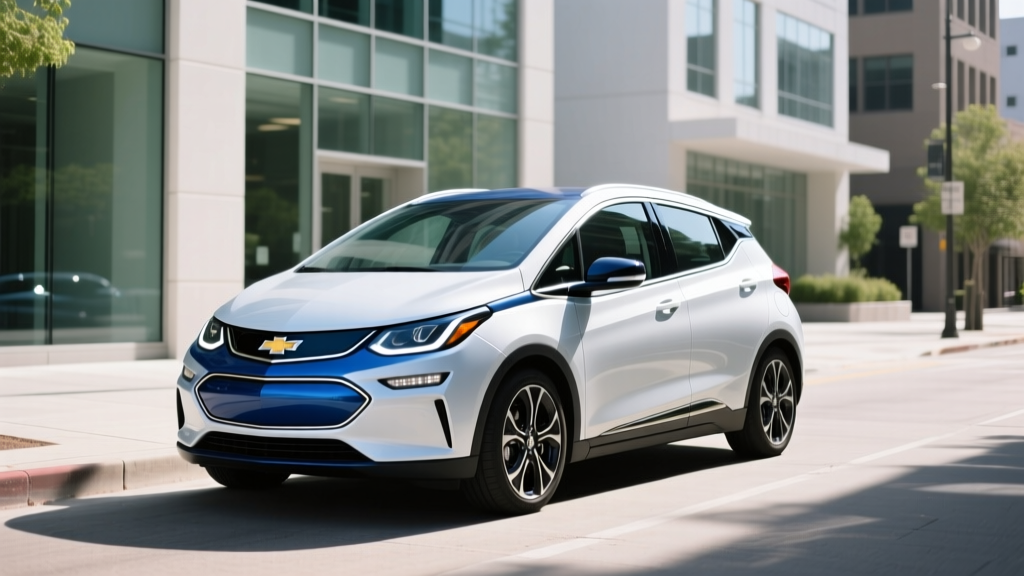
| Chevrolet Bolt EV | 2020–2023 | $15,000–$24,000 | 65–66 | 259 |
| Hyundai Kona Electric | 2020–2023 | $18,000–$25,000 | 64 | 258 |
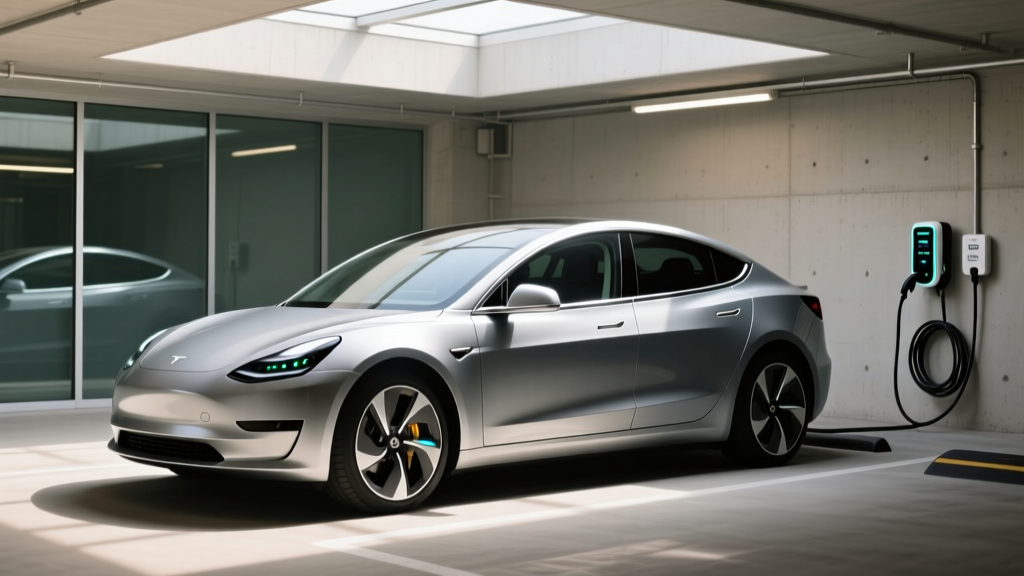
| Tesla Model 3 (Standard Range) | 2019–2022 | $18,000–$25,000 | 50–54 | 240–272 |
| Volkswagen ID.4 | 2021–2022 | $20,000–$25,000 | 77–82 | 249–260 |
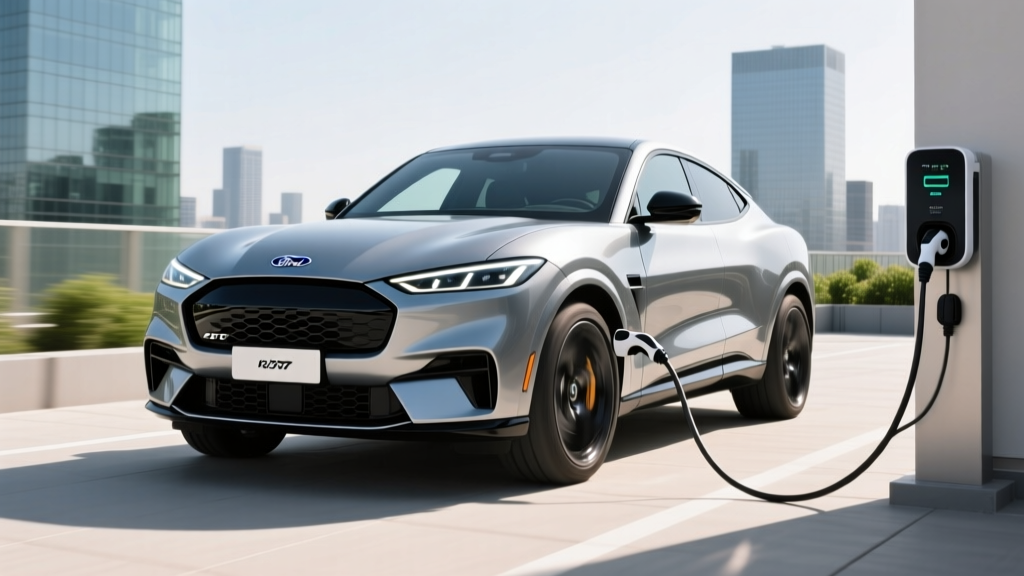
| Ford Mustang Mach-E (Select) | 2021–2022 | $22,000–$25,000 | 70–75.7 | 230–305 |
Important caveat: Battery health matters on a used EV. Request a State of Health (SoH) report from the dealer or use an OBD-II scanner with an EV-compatible app to check remaining capacity. A 2020 LEAF with 70% SoH will deliver roughly 105 miles of real-world range — far less than the original 149-mile EPA sticker. Aim for vehicles with SoH above 85%.
5-Year Total Cost of Ownership: Used EV vs. Used Gas Car
The used-EV credit gets you in the door cheaper, but the real financial story plays out over years of driving. Here's a realistic 5-year TCO comparison between a typical qualifying used EV (a 2022 Chevrolet Bolt EV at ~$21,000 before credit) and a comparable used gas car (a 2022 Toyota Corolla LE at ~$21,000).
| Cost Category | 2022 Chevy Bolt EV (Used) | 2022 Toyota Corolla LE (Used) |
|---|---|---|
| Purchase price | $21,000 | $21,000 |
| Federal used-EV credit (§25E) | −$4,000 | $0 |
| Net purchase price | $17,000 | $21,000 |
| Fuel/charging (60,000 mi total) | $3,150 | $6,300 |
| Maintenance (5 years) | $1,200 | $3,500 |
| Insurance (5 years) | $9,500 | $7,500 |
| Depreciation (5-year loss) | $7,500 | $6,000 |
| Total 5-Year Cost | $38,350 | $44,300 |
| Cost per mile | $0.64/mi | $0.74/mi |
Assumptions: 12,000 miles/year, home charging at $0.14/kWh, gas at $3.50/gal, Bolt at 3.5 mi/kWh, Corolla at 33 MPG combined. Insurance based on national averages for comparable used vehicles. Depreciation estimated from industry resale data.
The used-EV buyer saves roughly $5,950 over 5 years, driven primarily by the $4,000 tax credit and $3,150 in fuel savings. Those savings partially offset the higher insurance premiums and steeper depreciation that used EVs tend to carry.
Charging vs. Gas: The Per-Mile Cost Reality
EV charging cost per mile (home Level 2):
A 2022 Bolt EV averages about 3.5 miles per kWh (roughly 28.5 kWh/100mi). At the US residential average of $0.14/kWh (EIA data, early 2026):
$0.14 ÷ 3.5 mi/kWh = $0.04 per mile
Gas car fuel cost per mile:
A 2022 Corolla LE at 33 MPG combined with gas at $3.50/gallon:
$3.50 ÷ 33 MPG = $0.106 per mile
Savings: $0.066/mile, or about $790 per year at 12,000 miles.
The math shifts depending on how you charge:
| Charging Scenario | Rate | Cost/Mile (Bolt EV) | Annual Cost (12k mi) |
|---|---|---|---|
| Home Level 2 (off-peak utility rate) | $0.10/kWh | $0.029 | $343 |
| Home Level 2 (national avg) | $0.14/kWh | $0.040 | $480 |
| Home Level 2 (high-cost state, e.g., CA avg) | $0.26/kWh | $0.074 | $891 |
| Public DC fast charging (avg) | $0.35/kWh | $0.100 | $1,200 |
| Gas car (33 MPG, $3.50/gal) | — | $0.106 | $1,272 |
The savings story hinges on home charging. If you rely exclusively on public DC fast chargers at $0.35/kWh, your per-mile cost nearly matches a gas car. Install a Level 2 home charger — typically $500–$1,500 for equipment and installation on an existing 240V circuit — and the economics tilt decisively in the EV's favor.
Maintenance Savings: Where EVs Quietly Win
EVs eliminate most of the recurring maintenance items that gas-car owners budget for annually:
| Maintenance Item | Gas Car (5-Year Cost) | EV (5-Year Cost) |
|---|---|---|
| Oil changes (2x/year) | $500–$750 | $0 |
| Transmission fluid | $150–$300 | $0 (most EVs use single-speed reduction gear) |
| Engine air filter | $100–$150 | $0 |
| Spark plugs | $200–$400 | $0 |
| Brake pads (front) | $300–$500 | $0–$200 (regen braking extends pad life 2–3x) |
| Coolant flush | $150–$200 | $0–$100 (EV thermal systems need less frequent service) |
| Cabin air filter | $75–$125 | $75–$125 |
| Tire rotation/replacement | $800–$1,200 | $900–$1,400 (EVs are heavier; tires wear faster) |
| Total estimated | $2,275–$3,625 | $975–$1,825 |
Net maintenance savings over five years: roughly $1,300–$1,800. The biggest caveat is tires — EVs are 10–20% heavier than equivalent gas cars due to the battery pack, and the instant torque accelerates tire wear. Budget for one extra tire rotation per year and expect to replace tires 6–12 months sooner than on a gas vehicle.
One maintenance item unique to used EVs: if the vehicle uses liquid-cooled battery thermal management (most modern EVs do), confirm the coolant has been serviced per the manufacturer's schedule. Also check whether the charging port, onboard charger, and DC fast-charge port all function correctly — these are expensive repairs that don't exist on gas cars.
The Insurance Reality: EVs Cost More to Insure
This is where the EV ownership story gets less rosy. Used EVs typically carry 15–25% higher insurance premiums than comparable gas cars. For our Bolt EV vs. Corolla comparison, that translates to roughly $400–$500 more per year, or $2,000–$2,500 extra over five years.
Why are EVs more expensive to insure?
- Higher repair costs: Battery pack damage from a collision often totals the vehicle. Even minor structural repairs near the battery require specialized high-voltage safety protocols.
- Specialized labor: Fewer body shops are certified for EV high-voltage system repairs, driving up labor rates.
- Parts availability: EV-specific components (inverters, onboard chargers, battery modules) have longer lead times and higher prices than commodity gas-car parts.
- Total-loss frequency: Insurers are more likely to declare an EV a total loss after a collision due to battery integrity concerns, even if the structural damage is minor.
Shop aggressively. Some insurers (notably those with dedicated EV programs) offer competitive rates, and bundling with homeowners insurance can narrow the gap. Get quotes from at least three carriers before purchasing — the spread between the cheapest and most expensive quote for the same used EV can be $600–$800 per year.
Depreciation and Resale Value: What to Expect
Used EV depreciation is a mixed picture in 2026. After the dramatic EV price wars and resale-value drops of 2023–2024, the market has largely stabilized. Here's what the data shows:
- Average 5-year EV depreciation: 50–60% from original MSRP. Since you're buying used, you've already absorbed the steepest drop (years 1–2, typically 25–35%).
- From your purchase point: Expect a used EV bought at $17,000 (after credit) to be worth roughly $9,500–$11,500 after five more years of ownership — a loss of $5,500–$7,500.
- Comparable gas car: A used Corolla bought at $21,000 might be worth $15,000 after five years — a loss of ~$6,000.
Factors that hurt EV resale value:
- Battery degradation concerns: Buyers discount older EVs based on perceived battery health risk, even when actual degradation is modest (typically 8–12% over 5 years for liquid-cooled packs).
- Rapid tech obsolescence: A 2020 LEAF with 150 miles of range looks dated next to 2026 models offering 300+ miles and NACS charging.
- Charging-standard fragmentation: Older EVs with CHAdeMO or CCS connectors may lose appeal as the industry standardizes on NACS (Tesla's connector, now adopted by most automakers).
- New-EV price drops: When Tesla, Hyundai, or Chevrolet slashes new-EV pricing, used-EV values fall in sympathy.
Factors that help: the federal battery warranty mandate requires manufacturers to cover the battery for 8 years/100,000 miles (10 years/150,000 miles in CARB states). A 2022 Bolt EV purchased in 2026 still has ~4 years and ~75,000 miles of battery warranty remaining, which provides buyer confidence at resale.
State, Local, and Utility Incentives
Beyond the federal credit, many states and utilities stack additional savings. These vary widely by jurisdiction and change frequently, so always verify current programs with your state energy office and local utility. Examples available in 2026 include:
- Colorado: Up to $3,500 state tax credit for used EVs under $25,000 (income-dependent).
- California: Clean Fuel Reward and various utility rebates (e.g., PG&E, SCE) offering $500–$1,500 for used EV purchases, plus reduced-rate charging plans.
- New York: Drive Clean Rebate program (check current availability — funding is often exhausted and replenished).
- Utility rebates: Many electric utilities offer $250–$1,000 rebates for purchasing a used EV and/or installing a home Level 2 charger. Check your utility's EV program page.
- HOV lane access: Several states (CA, CO, FL, GA, MD, MN, NJ, NY, UT, VA) allow EVs in carpool lanes with a single occupant — a non-cash benefit worth hundreds per year in commute time.
Check AFDC's state incentive database for current programs in your area.
In the best-case scenario — a Colorado buyer stacking the $4,000 federal credit with the $3,500 state credit and a $500 utility rebate — the effective discount on a $21,000 used Bolt EV could reach $8,000, bringing the net cost to just $13,000. That's transformative economics, but it's geography-dependent.
Decision Framework: Is a Used EV With the Federal Credit Right for You?
Choose a used EV with the §25E credit if:
- Your household income falls under the MAGI caps ($75K single / $150K joint).
- You can charge at home (Level 1 on a standard 120V outlet works for daily driving under 40 miles; Level 2 is strongly recommended).
- Your daily commute is within 70–80% of the vehicle's real-world range (leaving buffer for cold weather and highway driving).
- You want the lowest possible entry price into EV ownership and can accept higher insurance costs.
Consider a new EV with the §30D credit instead if:
- You want the latest battery chemistry (LFP for longevity, NMC for range), full warranty coverage, and current-generation charging speeds (150–250+ kW DC fast charging).
- The $7,500 new-EV credit plus any state incentives narrows the price gap to where buying new makes financial sense.
- You plan to keep the vehicle 8–10+ years and want maximum battery warranty runway.
Stick with a gas car if:
- You have no access to home charging and your area has sparse public charging infrastructure.
- You regularly drive 300+ miles in a single trip through charging-desert regions.
- Your income exceeds the used-EV credit caps, eliminating the primary financial incentive.
Frequently Asked Questions
Can I claim the used-EV tax credit more than once?
You can claim the §25E credit once every three years. So if you buy a qualifying used EV in 2026 and claim the credit, you're not eligible again until 2029. This is per taxpayer, not per vehicle.
Does the used EV have to be made in North America?
No. Unlike the new-vehicle §30D credit, the used-EV credit under §25E has no North American assembly requirement and no critical-mineral or battery-component sourcing rules. A used Hyundai Kona Electric (built in Korea) or a used Nissan LEAF (built in Japan or the US) can qualify as long as it meets the price, age, and battery-capacity requirements.
What if my tax liability is less than $4,000?
The §25E credit is non-refundable, meaning it can only reduce your tax liability to zero — it won't generate a refund beyond that. However, if you transfer the credit to the dealer at point of sale, you receive the full discount regardless of your tax liability. The dealer then claims the credit. This effectively makes the credit "refundable" via the point-of-sale mechanism — a significant advantage.
How do I verify a used EV's battery health before buying?
Ask the dealer for a battery State of Health (SoH) report. Many dealerships with EV certification can pull this from the vehicle's onboard diagnostics. Alternatively, use an OBD-II adapter (such as an OBDLink SX or MX+) paired with an app like LeafSpy (for Nissan) or ABRP's OBD integrations to read battery capacity, cell voltages, and degradation data. Target SoH above 85% for a used EV that will serve you well for 5+ years.
How much does it really cost to own an EV over 5 years?
Based on our Bolt EV analysis: approximately $38,350 all-in over five years (purchase after credit, fuel, maintenance, insurance, and depreciation), working out to $0.64/mile. A comparable used gas car costs roughly $44,300, or $0.74/mile. The EV saves about $5,950 — but this assumes reliable home charging access. Without it, public-charging costs can erase much of the fuel savings.
Are EVs more expensive to insure?
Yes, typically 15–25% more than an equivalent gas car. The Bolt EV in our example costs roughly $400–$500/year more to insure than a Corolla. Shop multiple carriers and look for insurers offering dedicated EV discounts or bundling options to narrow the gap.
How well do used EVs hold their value?
Expect to lose $5,500–$7,500 in depreciation over 5 years on a used EV bought at ~$17,000 (after credit). That's slightly worse than a comparable gas car, primarily due to battery-age concerns and rapid tech advancement in new EVs. However, the remaining factory battery warranty (8 years/100,000 miles from original in-service date) provides a floor under resale value.
The federal tax credit for used EVs is one of the most accessible electrification incentives available — no North American assembly requirement, no battery-sourcing rules, and a point-of-sale transfer that puts cash in your pocket immediately. Combined with lower fuel and maintenance costs, a qualifying used EV can be the most cost-effective vehicle you've ever owned. Just go in with eyes open on insurance premiums, verify battery health before you buy, and make sure you have reliable home charging. The math works — when you do it honestly.