F-150 Lightning Canceled Rumors: What's Actually Happening in 2026?
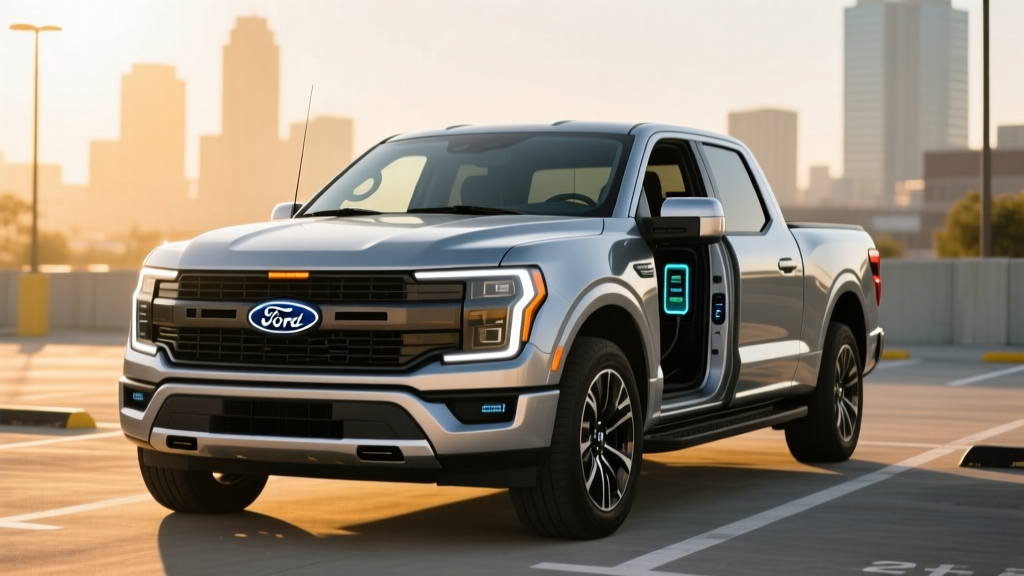
If you've searched "F-150 Lightning canceled" recently, you're not alone. Whispers about Ford pulling the plug on its flagship electric pickup have circulated across forums and social media since late 2025, fueled by Ford's well-publicized pivot to redirect some EV investment toward hybrids. Here's the reality as of early 2026: the F-150 Lightning is not canceled. Ford continues to build and sell the Lightning at its Rouge Electric Vehicle Center in Dearborn, Michigan, though production volumes have been adjusted to match softer-than-expected EV truck demand.
What has changed is Ford's broader strategy. The automaker scrapped a planned next-generation electric SUV and has leaned harder into its Maverick and F-150 hybrid offerings. The current-generation Lightning, introduced for the 2022 model year and refreshed for 2025, remains in the lineup for 2026 — but with fewer trims and a keener eye on profitability. For buyers, this means the Lightning is still very much available, though understanding its real-world capabilities versus the marketing is essential before signing a lease or purchase agreement.
2026 F-150 Lightning Specs at a Glance
| Specification | Standard Range (Pro/XLT) | Extended Range (Lariat/Platinum) |
|---|---|---|
| EPA Range | 240 miles | 320 miles |
| Battery Capacity (usable) | 98 kWh (NMC) | 131 kWh (NMC) |
| Battery Chemistry | NMC (Nickel Manganese Cobalt) | NMC |
| Drivetrain | Dual-Motor AWD | Dual-Motor AWD |
| Horsepower | 452 hp | 580 hp |
| Torque | 775 lb-ft | 775 lb-ft |
| 0-60 mph | ~3.8 sec | |
| Max DC Fast Charge | 120 kW | 150 kW |
| 10-80% DCFC Time | ~44 min | ~41 min |
| Level 2 Home Charge Rate | 11.3 kW (30 mi/hr) | 19.2 kW (52 mi/hr) w/ 80A charger |
| MPGe (combined) | 68 MPGe | 66 MPGe |
| kWh/100 mi | 49 kWh | 51 kWh |
| Max Towing | 7,700 lbs | 10,000 lbs (w/ Max Trailer Tow) |
| Payload | 2,235 lbs | 1,952 lbs |
| Base MSRP (2026) | $54,995 (Pro) | $69,995 (Lariat ER) |
| Battery Warranty | 8 years / 100,000 miles (70% capacity retention) | |
Source: fueleconomy.gov and Ford Motor Company 2026 specification sheets.
Real-World Range: What the EPA Sticker Doesn't Tell You
EPA Estimate: 240 mi (Standard Range) / 320 mi (Extended Range)
Real-World Highway (70 mph, moderate temps): ~200-215 mi (SR) / ~260-280 mi (ER)
Cold Weather (below 32°F, mixed driving): ~165-185 mi (SR) / ~220-245 mi (ER)
Towing (5,000-lb trailer, flat terrain): ~120-140 mi (SR) / ~160-180 mi (ER)
The F-150 Lightning's real-world range story is one of the most important things to understand before buying. The Extended Range pack's 320-mile EPA figure is legitimate for mixed suburban driving at moderate speeds. But this is a heavy, boxy truck — aerodynamic drag at highway speeds hits efficiency hard. On a 75-mph interstate run at 70°F, expect the Extended Range model to deliver roughly 260-280 miles before you need to plug in.
Cold weather compounds the loss. The Lightning uses a resistive heater on earlier builds; 2025-2026 models feature a heat pump that mitigates but does not eliminate winter range loss. In sustained sub-freezing conditions, a 25-30% reduction from the EPA sticker is typical, consistent with DOE testing data across the EV market. If your commute is 80 miles round-trip in a northern state, the Extended Range pack provides a comfortable buffer. The Standard Range pack gets tight.
Towing is where range anxiety becomes range reality. Pulling a 5,000-pound camper cuts effective range nearly in half. For frequent towers, the Lightning works best as a day-trip rig with planned charging stops, not a cross-country hauler.
Charging Speed: DC Fast Charging and Home Setup
The Lightning's charging performance is adequate but not class-leading in 2026. The Extended Range pack peaks at 150 kW on a DC fast charger, while the Standard Range caps at 120 kW. These figures trail competitors like the Rivian R1T (up to 220 kW on the latest pack) and the Chevrolet Silverado EV (up to 350 kW on its Ultium platform).
| Charging Level | Power / Rate | Miles Added per Hour | Notes |
|---|---|---|---|
| Level 1 (120V household) | 1.4 kW | ~3 mi/hr | Emergency/trickle only |
| Level 2 (240V, 32A) | 7.7 kW | ~20 mi/hr | Standard mobile cord |
| Level 2 (240V, 48A) | 11.3 kW | ~30 mi/hr | Ford Connected Charge Station |
| Level 2 (240V, 80A) | 19.2 kW | ~52 mi/hr | Ford Charge Station Pro (Extended Range only) |
| DC Fast Charge (SR) | 120 kW peak | ~14 mi/min at peak | 10-80% in ~44 min |
| DC Fast Charge (ER) | 150 kW peak | ~18 mi/min at peak | 10-80% in ~41 min |
The charge curve matters more than the peak number. The Lightning's 150 kW peak on the Extended Range pack is sustained only between roughly 15-40% state of charge. Above 60%, the rate tapers significantly — by 80% you're pulling closer to 50-60 kW. This is normal lithium-ion behavior, but it means a 10-90% stop will take closer to 55-60 minutes, not the ~41 minutes Ford advertises for 10-80%.
At home, the Ford Charge Station Pro (80A) is the standout feature for Extended Range owners. It requires a 100-amp dedicated circuit, which means many homes will need an electrical panel upgrade — budget $1,500-$3,000 for that work on top of the $1,300 station cost. The payoff is genuine: a full overnight recharge from near-empty in about 8 hours, and the ability to use Ford's Intelligent Backup Power feature to run essential home circuits during an outage (up to 9.6 kW continuous output via the truck's Pro Power Onboard system).
Pricing, Trims, and Federal Tax Credit Eligibility
Ford simplified the Lightning lineup for 2026, dropping the base Pro trim's consumer availability (it remains a fleet-only option) and focusing on three retail trims:
- XLT (Standard Range): $59,995 MSRP
- Lariat (Extended Range): $69,995 MSRP
- Platinum (Extended Range): $84,995 MSRP
Destination charges add approximately $2,095. A well-equipped Lariat with the Max Trailer Tow Package and BlueCruise typically lands in the $74,000-$76,000 range before incentives.
The F-150 Lightning's eligibility for the up-to-$7,500 federal tax credit under IRS §30D depends on several factors that change frequently:
- MSRP Cap: Trucks/vans/SUVs must be under $80,000 MSRP. The XLT and Lariat qualify; the Platinum may exceed the cap depending on options.
- Buyer Income Cap: AGI must not exceed $150,000 (single), $225,000 (head of household), or $300,000 (joint).
- Battery Sourcing: Critical minerals and battery component requirements tighten annually. Ford has worked to localize supply chains, but verify current-year compliance on the IRS qualified vehicles list before purchasing.
- Point-of-Sale Transfer: Eligible buyers can transfer the credit to the dealer at purchase, reducing the out-of-pocket price immediately.
| Trim | MSRP | Est. Tax Credit | Effective Price |
|---|---|---|---|
| XLT Standard Range | $59,995 | Up to $7,500* | ~$52,495 |
| Lariat Extended Range | $69,995 | Up to $7,500* | ~$62,495 |
| Platinum Extended Range | $84,995 | Likely ineligible (MSRP cap) | $84,995 |
*Subject to income, sourcing, and MSRP eligibility per current IRS rules. Verify before purchase.
Performance, Utility, and Daily-Drive Practicality
The Lightning's dual-motor AWD powertrain delivers the kind of acceleration that still startens passengers unfamiliar with EVs. The Extended Range model's 580 hp and 775 lb-ft of torque propel this 6,500-pound truck to 60 mph in approximately 3.8 seconds — quicker than a Mustang GT from just a few years ago. The Standard Range model's 452 hp still manages a ~4.5-second run.
Utility is where the Lightning earns its F-150 badge. The 5.5-foot bed offers 52.8 cubic feet of cargo volume, and the payload capacity (up to 2,235 lbs on the Standard Range) is competitive with gas F-150s. The Mega Power Frunk — a 14.1-cubic-foot front trunk with 400 pounds of capacity — is genuinely useful for secure, weatherproof storage and has become one of the Lightning's most beloved features among owners.
Interior space mirrors the gas F-150 SuperCrew: 43.9 inches of front legroom and 43.6 inches in the rear, with seating for five (six with the front bench option on XLT). The 12-inch touchscreen (15.5-inch on Lariat and Platinum) runs Ford's SYNC 4A system with wireless Apple CarPlay and Android Auto. BlueCruise, Ford's Level 2 hands-free highway driving assist, is available on pre-qualified divided highways — it's a credible system for long hauls, though it requires driver attention and is not autonomous driving.
Pros, Cons, and the Honest Ownership Picture
- Pro Power Onboard (up to 9.6 kW) doubles as a home backup generator
- Mega Power Frunk adds 14.1 cu ft of secure, lockable storage
- Smooth, quiet ride quality superior to body-on-frame gas trucks
- Strong acceleration and confident AWD traction
- Eligible for up to $7,500 federal tax credit (XLT/Lariat)
- Over-the-air updates continue to improve the platform
- DC fast charging at 150 kW trails Rivian R1T and Silverado EV
- Real-world highway and cold-weather range falls well short of EPA sticker
- Towing range is severely limited (~120-180 mi depending on pack)
- Heavy vehicle weight increases tire wear and reduces efficiency
- Platinum trim exceeds $80K tax credit MSRP cap
- Production uncertainty creates resale value questions long-term
Should You Buy the Lightning or Look Elsewhere?
The F-150 Lightning's best use case is a homeowner with Level 2 charging access who needs a full-size truck for daily commuting, weekend projects, and occasional light towing — and who values the Pro Power Onboard feature for job sites or home backup power. If that describes you, the Lariat Extended Range at ~$62,500 after the federal credit is a compelling package.
However, consider these alternatives:
- Rivian R1T (Dual-Motor): EPA 352 miles (Max pack), up to 220 kW DCFC, more adventurous off-road capability. Higher base price (~$75,900) and no federal credit eligibility due to MSRP.
- Chevrolet Silverado EV (4WT / RST): Up to 450 miles EPA (4WT), 350 kW DCFC capability, but availability remains limited and the crew-cab-only configuration with a shorter bed frustrates traditional truck buyers.
- Ford F-150 PowerBoost Hybrid: If you tow frequently or lack home charging, the 7.2 kW Pro Power hybrid F-150 offers 25 mpg combined with unlimited range and no charging infrastructure dependency.
Choose the F-150 Lightning if: You have home charging, value the frunk and Pro Power Onboard, mostly drive under 200 miles/day, and want a comfortable daily-driver truck with strong tax credit eligibility.
Look elsewhere if: You regularly tow over 200 miles, need the fastest possible road-trip charging, live in an apartment without charging access, or want a next-generation platform rather than a first-gen product nearing its lifecycle midpoint.
Frequently Asked Questions
Is the F-150 Lightning actually canceled for 2026?
No. Ford continues to manufacture and sell the F-150 Lightning for the 2026 model year. The confusion stems from Ford's announcements about canceling certain future EV programs and shifting investment toward hybrids. The current-generation Lightning remains in production, though Ford has adjusted output to match demand.
What is the real-world range of the F-150 Lightning?
The Extended Range model's 320-mile EPA estimate translates to roughly 260-280 miles on the highway at 70 mph in moderate temperatures, and 220-245 miles in freezing conditions. The Standard Range model delivers approximately 200-215 highway miles and 165-185 in cold weather. Towing reduces range further, to roughly 120-180 miles depending on trailer weight and pack size.
How fast does the F-150 Lightning charge?
On a DC fast charger, the Extended Range pack peaks at 150 kW and charges from 10-80% in approximately 41 minutes. The Standard Range peaks at 120 kW with a 10-80% time of about 44 minutes. At home on a Level 2 charger, expect 30 miles of range per hour at 11.3 kW (48A) or up to 52 miles per hour at 19.2 kW (80A, Extended Range only with the Ford Charge Station Pro).
Does the F-150 Lightning qualify for the $7,500 federal tax credit?
The XLT and Lariat trims are potentially eligible for up to $7,500 under IRS §30D, provided the buyer meets income caps ($150K single / $300K joint), the vehicle's MSRP stays under $80,000, and battery sourcing requirements are met for the current model year. The Platinum trim likely exceeds the MSRP cap. Always verify on the IRS qualified vehicles list before purchasing.
How does the Lightning compare to the Rivian R1T and Silverado EV?
The Lightning offers the lowest entry price and best tax-credit eligibility of the three. The Rivian R1T delivers superior range (352 mi EPA Max pack), faster DC charging, and better off-road capability, but starts higher and exceeds the tax credit MSRP cap. The Chevy Silverado EV boasts up to 450 miles of EPA range and 350 kW DCFC speeds, but is only available in a crew-cab configuration with a shorter bed, and availability remains constrained in many markets.
Can the F-150 Lightning power my home during an outage?
Yes, with the Ford Charge Station Pro and the Home Integration System (sold separately), the Lightning's Extended Range battery can supply up to 9.6 kW of continuous power to pre-wired home circuits via Ford's Intelligent Backup Power. This can sustain essential loads (refrigerator, lights, HVAC fan, well pump) for approximately 3 days depending on usage, making it one of the most practical EVs for emergency preparedness.
What is the battery warranty on the F-150 Lightning?
Ford covers the Lightning's high-voltage battery for 8 years or 100,000 miles, whichever comes first, against defects and capacity loss below 70% of original capacity. The electric powertrain components carry the same 8-year/100,000-mile coverage. This is in line with federal requirements and comparable to other major EV manufacturers.