Quick Verdict: The Everest Electric Dirt Bike
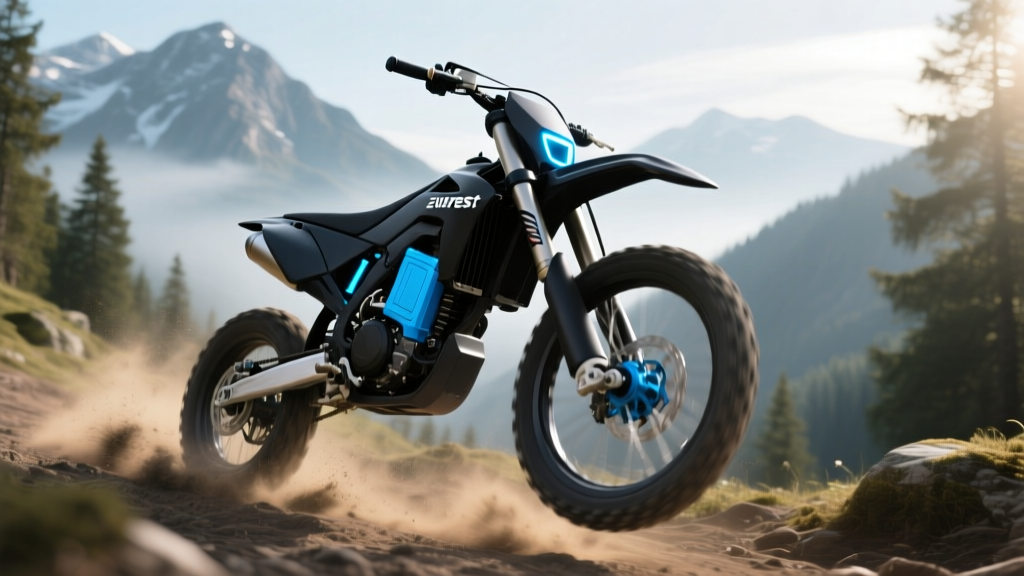
The Everest electric dirt bike is not a street-legal electric vehicle and does not qualify for the federal §30D EV tax credit. It is an off-road electric motorcycle typically equipped with a 3–5 kWh battery pack, producing roughly 15–25 kW of peak power, with real-world trail range of 30–60 miles depending on riding intensity. At a base price between $4,500 and $7,000, it competes directly with 250cc four-stroke gas dirt bikes on purchase price, while offering near-zero maintenance and significantly lower per-hour riding costs. If you ride off-road trails, motocross tracks, or private land and want quiet, instant-torque performance without fuel mixing or air-filter cleaning, it's a compelling option. If you need highway-legal transportation or long-distance range, look elsewhere.
AutoEdgeView covers electric and smart vehicles — cars, trucks, SUVs, and the charging/battery ecosystem that supports them. The Everest electric dirt bike sits at the intersection of electrified powersports and EV battery technology, so we're applying the same data-driven lens we use for four-wheeled EVs: exact specs, real-world range honesty, cost breakdowns, and ownership practicality. This is not a hype piece; it's a buyer's guide for anyone researching this keyword and wondering whether an electric dirt bike actually makes sense in 2026.
What the Everest Electric Dirt Bike Actually Is
The "Everest electric dirt bike" name refers to a category of electric off-road motorcycles marketed under the Everest brand (and similar import brands sharing platforms). These are not electric mountain bikes (e-bikes) and they are not street-legal commuter motorcycles. They are purpose-built off-road machines with:
- Battery: Typically 3–5 kWh usable capacity, lithium-ion (NMC chemistry common in this segment)
- Motor: Mid-drive or hub-drive electric motor, 15–25 kW peak output (roughly 20–33 horsepower equivalent)
- Top speed: 45–65 mph depending on gearing and model variant
- Weight: 130–180 lbs (significantly lighter than a 250cc gas bike at ~230 lbs)
- Charging: Standard 120V Level 1 outlet; 2–4 hours for a full charge
- Transmission: Single-speed — no clutch, no shifting
These machines compete with gas-powered 125cc–250cc trail bikes from Honda, Yamaha, and KTM in the off-road segment. They are not eligible for the IRS §30D Clean Vehicle Credit because that credit applies to four-wheeled vehicles with at least four wheels and a gross vehicle weight rating under 14,000 lbs that are street-legal — dirt bikes fail on multiple counts. Check the IRS Clean Vehicle Credit page for current eligibility rules.
Range, Battery, and Charging: The Real Numbers
Electric dirt bike range is where marketing claims diverge sharply from trail reality. Manufacturers often quote 60–80 miles under ideal conditions (flat terrain, moderate speed, lightweight rider, warm temperatures). Here's what actually happens:
| Spec | Value |
|---|---|
| Battery capacity (usable) | 3.5–5.0 kWh (NMC lithium-ion) |
| Motor peak power | 15–25 kW (20–33 hp equivalent) |
| Claimed range (moderate riding) | 50–80 miles |
| Real-world trail range (aggressive) | 25–40 miles |
| Real-world trail range (moderate) | 40–60 miles |
| Top speed | 45–65 mph |
| Charge time (120V Level 1) | 2.5–4 hours (0–100%) |
| DC fast charging | Not available on most models |
| Weight | 130–180 lbs |
| Base MSRP (estimated) | $4,500–$7,000 |
Why Real-World Range Is Half the Claim
Electric dirt bike range depends almost entirely on riding intensity. Aggressive motocross riding — full-throttle acceleration, jumping, climbing — can draw 5–8 kW continuously from the motor, draining a 4 kWh battery in under 35 minutes. Moderate trail riding at 15–25 mph on flat terrain draws 1–2 kW, stretching that same battery to 2–3 hours. Cold weather (below 40°F) further reduces usable capacity by 15–25% due to lithium-ion internal resistance increases, the same physics that affects every EV battery from a Tesla to a Nissan Leaf.
Unlike electric cars, almost no electric dirt bikes support DC fast charging. You're limited to Level 1 (120V household outlet) at roughly 0.5–1.0 kW, meaning a full recharge takes 3–4 hours. If you ride at a remote trailhead, you need to plan around this: bring a portable generator, carry a spare battery pack (if the model supports swappable packs), or accept that one charge is your session limit.
Everest Electric Dirt Bike vs. Gas Dirt Bike: Cost and Performance
The core buying decision comes down to whether electric's advantages justify its range limitations. Here's a data-driven comparison against a typical 250cc four-stroke gas dirt bike (e.g., Honda CRF250F or Yamaha WR250F, MSRP ~$8,500–$9,500 in 2026):
| Category | Everest Electric | 250cc Gas (e.g., CRF250F) |
|---|---|---|
| Purchase price | $4,500–$7,000 | $8,500–$9,500 |
| Fuel/energy cost per hour | $0.15–$0.40 (electricity) | $3.00–$5.00 (premium gas + oil) |
| Annual maintenance | $50–$100 (brake pads, chain lube) | $300–$600 (oil, filters, valves, air filter, spark plug) |
| Noise level | 55–70 dB (trail-quiet) | 90–105 dB (hearing protection required) |
| Range / ride time | 1–3 hours (battery-limited) | 3–5 hours (2–3 gallon tank) |
| Refuel/recharge time | 2.5–4 hours | 2 minutes |
| Power delivery | Instant torque, single-speed | Progressive, 5-speed with clutch |
| Weight | 130–180 lbs | 225–245 lbs |
| Cold-weather starting | Immediate (battery permitting) | May require choke, warm-up |
The electric bike wins on upfront cost, per-hour riding cost, noise, maintenance, and weight. The gas bike wins on range, refueling speed, and sustained high-power output. For riders who do 1–2 hour sessions at a local track or trail and can charge between rides, the electric math works strongly in its favor. For all-day desert rides or remote backcountry exploration, gas remains the practical choice in 2026.
Total Ownership Cost Breakdown (5-Year Estimate)
Let's model 100 riding hours per year for five years — a realistic figure for a weekend rider:
| Cost Category | Everest Electric | 250cc Gas |
|---|---|---|
| Purchase price | $6,000 | $9,000 |
| Fuel/energy (500 hrs total) | $100–$200 | $1,500–$2,500 |
| Maintenance (5 years) | $250–$500 | $1,500–$3,000 |
| Battery replacement (if needed) | $1,000–$2,000 (year 4–5) | N/A |
| Insurance (off-road, optional) | $300–$600 | $400–$800 |
| 5-Year Total | $7,650–$9,300 | $12,400–$15,300 |
| Cost per riding hour | $15.30–$18.60 | $24.80–$30.60 |
Even accounting for a potential battery replacement in years 4–5 (NMC cells degrade with cycle count and calendar age; expect 70–80% capacity retention after 500–800 full charge cycles), the electric dirt bike saves $3,000–$6,000 over five years at this usage level. The savings widen if electricity rates are low or gas prices spike. They narrow if you need to buy a second battery pack or if the motor/controller fails out of warranty.
Battery Longevity: What to Expect
NMC lithium-ion batteries in powersports applications face harsher conditions than EV car batteries: vibration, impacts, deep discharge cycles, and storage at varying states of charge. Key longevity factors:
- Cycle life: 500–1,000 full cycles to 80% capacity (typical NMC)
- Calendar aging: 5–8 years regardless of use
- Storage best practice: Store at 40–60% state of charge; never leave at 0% or 100% for weeks
- Heat damage: Avoid charging immediately after hard riding; let the pack cool 30 minutes
- Replacement cost: $1,000–$2,000 depending on kWh capacity and brand availability
Unlike four-wheeled EVs, off-road electric motorcycles rarely come with 8-year/100,000-mile battery warranties. Expect 6–12 months on the battery pack and 1 year on the frame and motor. Read the warranty card carefully before purchase.
Common Misconceptions About Electric Dirt Bikes
| Myth | Fact |
|---|---|
| "Electric dirt bikes have no power." | A 20 kW electric motor delivers peak torque at 0 RPM — off the line, it matches or beats a 250cc gas bike to the first corner. Sustained top-end power is where gas still wins. |
| "You can ride all day on one charge." | Real-world aggressive riding depletes a 4 kWh pack in 35–50 minutes. Moderate trail riding stretches it to 2–3 hours. Plan accordingly. |
| "It qualifies for the $7,500 EV tax credit." | The IRS §30D credit applies to four-wheeled clean vehicles. Electric dirt bikes do not qualify. Some states offer separate powersports or off-road electrification rebates — check your state energy office. |
| "Electric bikes are silent — that's dangerous." | At 55–70 dB, they're quieter than gas but not silent. You can hear the motor whine and tire noise. On shared trails, use a bell or call out when approaching hikers or equestrians. |
| "The battery will die in two years." | With proper storage (40–60% SoC, cool environment, no deep discharges), NMC packs last 5–8 years before dropping below 80% capacity. Abuse (heat, full discharges, impacts) shortens this. |
Real-World Ownership: What First-Time Buyers Must Know
Before ordering, honestly assess your riding situation:
Charging Access
You need a standard 120V outlet within reach of where you store the bike. A garage or shed outlet works fine. If you ride at a remote trailhead with no power, you're limited to one session per trip unless you bring a generator (which partly defeats the purpose of going electric) or invest in a swappable-battery system. Most Everest-style bikes do not offer quick-swap battery systems — confirm this before purchasing if remote riding is your primary use case.
Climate Considerations
Lithium-ion batteries lose 15–25% of their usable capacity below 40°F. If you ride in winter conditions, expect your 50-mile moderate-riding range to drop to 35–40 miles. Charging in sub-freezing temperatures can permanently damage NMC cells — always bring the battery indoors to warm up before plugging in after a cold ride.
Riding Patterns
Electric dirt bikes excel in these scenarios:
- Motocross tracks: 20–30 minute motos fit easily within battery capacity; charge between sessions
- Local trail loops: 1–2 hour rides on moderate terrain
- Backyard/private land: Short sessions, easy charging access
- Noise-restricted areas: Trails near residential zones where gas bikes face complaints or bans
Electric dirt bikes struggle in these scenarios:
- All-day enduro events: No mid-ride charging infrastructure at most events
- Remote backcountry exploration: No power sources; range limits your radius
- Sandy dunes or deep mud: High-resistance terrain drains batteries 2–3× faster than hardpack
Decision Framework: Should You Buy One?
Choose the Everest Electric Dirt Bike If:
- You ride 1–3 hours per session and have charging access between rides
- Noise restrictions matter (residential proximity, land-use permits)
- You want minimal maintenance — no oil changes, valve adjustments, or air-filter cleaning
- You value instant torque and lightweight handling over top speed
- Your budget is $4,500–$7,000 and you want to save $3,000+ over five years vs. gas
- You ride primarily at tracks, local trails, or private property
Stick with a Gas Dirt Bike If:
- You ride all-day events or remote backcountry with no power access
- You need 3+ hours of sustained high-power riding per session
- You compete in events that don't yet have electric classes or charging support
- You ride in deep sand, extreme mud, or long desert loops where range is critical
- Refueling in 2 minutes between motos is non-negotiable
Frequently Asked Questions
Is the Everest electric dirt bike street legal?
No. Electric dirt bikes in this category are off-road-only vehicles. They lack DOT-required equipment (turn signals, mirrors, horn, street-legal lighting, VIN registration) and cannot be registered for road use in any US state. If you need a street-legal electric motorcycle, look at models like the Zero FX (dual-sport, street-legal, starting around $12,000) instead.
How fast does the Everest electric dirt bike go?
Most Everest-style electric dirt bikes reach 45–65 mph depending on motor wattage, gearing, and rider weight. The 20–25 kW variants hit the higher end. For context, a 250cc four-stroke gas dirt bike typically tops out at 65–80 mph, so gas still has a top-speed advantage.
Can I swap the battery for a spare?
Some electric dirt bike models support swappable battery packs, but many Everest-branded and similar import models use fixed, frame-integrated batteries. Verify swap capability before purchasing. A spare battery pack costs $800–$1,500 and doubles your ride time per outing.
How much does it cost to charge?
A full charge of a 4 kWh battery at the US average residential rate of $0.16/kWh costs approximately $0.64. Even at peak rates of $0.30/kWh, a full charge is $1.20. Compare that to filling a 2-gallon gas dirt bike tank at $4.50/gallon: $9.00 per fill-up.
What maintenance does an electric dirt bike need?
Far less than gas. Expect to maintain: chain tension and lubrication (every 5–10 rides), brake pads (annual, depending on use), tire pressure and tread, suspension seals, and bolt torque checks. There is no engine oil, oil filter, air filter, spark plug, valve adjustment, or carburetor to service. Annual maintenance cost: $50–$100 for most riders.
Does it qualify for any tax credits or incentives?
Not the federal §30D Clean Vehicle Credit — that applies to four-wheeled vehicles. Some states and local air-quality districts offer rebates for off-road electrification (California's CORE program and various AQMD incentives have historically covered off-road equipment). Check your state energy office or AFDC state incentive database for current programs in your area.
How long will the battery last before replacement?
With proper care (storage at 40–60% SoC, avoiding extreme heat, no prolonged full discharges), expect 5–8 years of service before the pack drops below 80% of original capacity. That's roughly 500–1,000 charge cycles for NMC chemistry. Replacement packs cost $1,000–$2,000. Factor this into your 5-year cost model.