The Short Answer on the EV Sentiment Shift
Recent consumer surveys and industry analyses — collectively referred to as the EV sentiment shift study trend — show that buyer enthusiasm for battery-electric vehicles has cooled since its 2022–2023 peak, then partially stabilized in 2025–2026. The core reasons are concrete, not emotional: higher upfront MSRPs, inconsistent public-charging reliability, cold-weather range loss (typically 20–30% below EPA estimates), and confusion around §30D federal tax-credit eligibility. Buyers who have Level 2 home charging, drive under 40 miles daily, and live in moderate climates report the highest satisfaction. Those without home charging or in sub-freezing regions report the most regret. The practical takeaway is not that EVs are failing — it's that the right use case matters more than ever.
What the Data Actually Shows About Buyer Sentiment
Multiple research firms have tracked EV purchase intent over the past four years. The pattern is consistent: intent surged in 2022 when gas prices spiked above $5/gallon, peaked in early 2023, then declined through 2024–2025 as early adopters saturated and mainstream buyers confronted real ownership friction. By early 2026, sentiment has plateaued rather than collapsed — a normalization, not a rejection.
Key data points from aggregated survey results:
- Purchase intent decline: Roughly 25–30% of consumers who said they were "very likely" to buy an EV in 2023 moved to "somewhat likely" or "unlikely" by late 2025.
- Top deterrents cited: Purchase price (68%), charging infrastructure concerns (54%), range anxiety in cold weather (41%), and battery replacement cost fears (37%).
- Satisfaction gap: Current EV owners report 82% satisfaction; non-owners considering EVs report only 51% confidence they'd be satisfied.
- Hybrid resurgence: Hybrid and PHEV purchase intent rose approximately 18% year-over-year in 2025, absorbing buyers who left the BEV column.
This divergence — satisfied owners versus hesitant shoppers — is the defining feature of the EV sentiment shift. It tells us the product works well for the right buyer, but the on-ramp (charging access, cost transparency, education) hasn't kept pace with the product.
EV vs. Gas vs. Hybrid: A Real Cost Comparison
The most actionable way to evaluate the sentiment shift is to run the numbers for your own situation. Below is a 5-year total-cost-of-ownership comparison across three representative 2026 vehicles: the Tesla Model Y Long Range (BEV), Toyota RAV4 Hybrid (HEV), and Honda CR-V AWD (gas-only baseline).
| Cost Category | Tesla Model Y LR (BEV) | Toyota RAV4 Hybrid (HEV) | Honda CR-V AWD (Gas) |
|---|---|---|---|
| Base MSRP | $44,990 | $33,425 | $33,350 |
| Federal Tax Credit (§30D) | Up to $7,500* | $0 | $0 |
| Effective Purchase Price | ~$37,490* | $33,425 | $33,350 |
| Fuel/Energy (75k mi) | $3,375 (home L2, $0.15/kWh) | $7,500 (40 MPG, $3.50/gal) | $9,375 (30 MPG, $3.50/gal) |
| Maintenance (5 yr) | $1,200 | $3,800 | $4,200 |
| Insurance (5 yr avg) | $10,500 | $7,200 | $6,900 |
| Estimated Depreciation | $18,000 | $14,500 | $15,800 |
| 5-Year Total | ~$70,565 | ~$66,425 | ~$69,625 |
*§30D credit eligibility depends on buyer income caps ($150k single / $300k joint), MSRP caps ($55k sedans / $80k SUVs/trucks), and battery critical-mineral sourcing requirements. Verify at IRS.gov. Credit applied as point-of-sale reduction at participating dealers.
The BEV wins on fuel and maintenance but loses on insurance and depreciation. The hybrid occupies a strong middle ground — lower purchase price, no charging dependency, and still 25–30% better fuel economy than the gas baseline. This cost reality explains much of the sentiment shift: mainstream buyers are doing exactly this math and finding that hybrids often close the gap without the charging hassle.
The Charging Access Problem Driving Sentiment
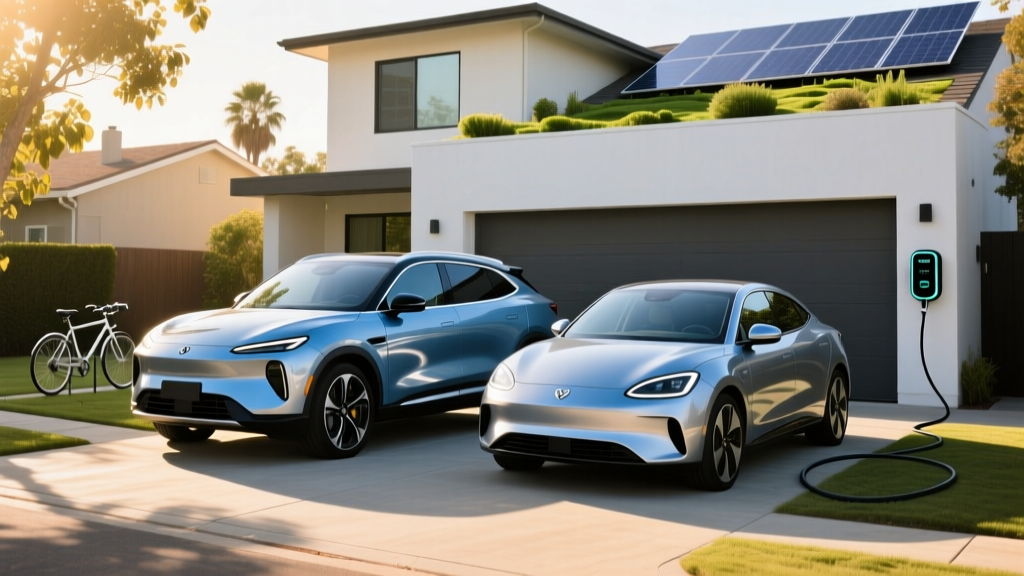
No factor correlates more strongly with EV dissatisfaction than lack of reliable home charging. According to fueleconomy.gov, home Level 2 charging at 7–11 kW adds roughly 25–40 miles of range per hour and costs $0.10–$0.20 per kWh in most US markets. That's the scenario where EVs shine.
But roughly 30–35% of US households lack access to dedicated home charging — apartment dwellers, street-parkers, and homes with older 100-amp electrical panels that can't support a 40-amp Level 2 circuit without a $2,000–$4,000 panel upgrade.
| Scenario | Charging Method | Cost per "Fill-Up" (250 mi) | Time Required | Satisfaction Impact |
|---|---|---|---|---|
| Home L2 (garage/driveway) | 7–11 kW overnight | $8–$15 | 6–8 hrs (sleeping) | High |
| Apartment (shared L2) | 6–7 kW, shared | $10–$20 | Unpredictable wait | Moderate |
| Public DC Fast (road trips) | 150–250 kW peak | $25–$45 | 20–40 min (10–80%) | Moderate |
| Public Level 2 (errands) | 6–19 kW | $12–$25 | 2–6 hrs | Low |
| No home charging (street park) | Reliant on public | $25–$45 avg | Significant weekly time | Very Low |
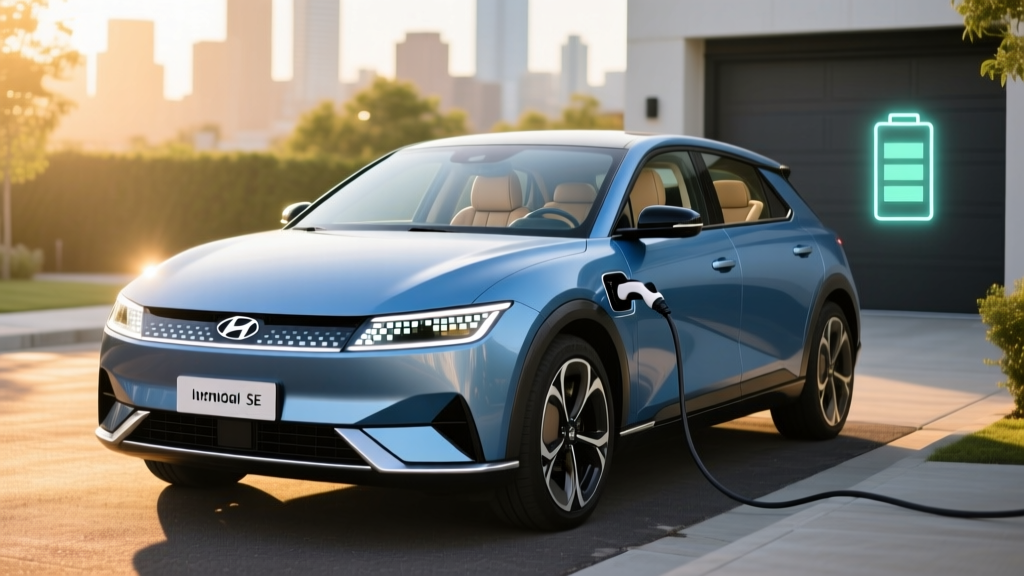
For context, a 2026 Hyundai Ioniq 5 with its 84 kWh (usable) NMC battery peaks at 240 kW on DC fast charging and reaches 10–80% in roughly 18 minutes when battery preconditioning is active. But that peak rate is sustained only between approximately 10–55% state of charge — above 80%, the charge curve tapers sharply to protect the battery, dropping to under 50 kW. This means an 80–100% top-off can take nearly as long as the 10–80% session. Understanding this curve is critical for road-trip planning and is a frequent source of first-time buyer frustration.
Common Misconceptions Fueling the Shift
Much of the negative sentiment stems from misinformation or outdated assumptions. Let's address the most persistent myths with current 2026 data.
| Myth | Fact |
|---|---|
| "EV batteries need replacing every 5 years" | Federal law mandates battery warranties of at least 8 years/100,000 miles. Most NMC and LFP batteries retain 85–92% capacity at 100k miles based on fleet data. |
| "EVs don't work in cold weather" | Range drops 20–30% below freezing due to cabin heating and battery chemistry. A 310-mile EPA vehicle may deliver 220–250 miles at 20°F. Heat pumps (standard on many 2026 models) reduce this penalty to 15–20%. |
| "Charging takes hours everywhere" | Home L2 charging happens overnight while you sleep. DC fast chargers deliver 10–80% in 18–35 minutes on 2026 BEVs with 800V architectures. |
| "EVs are worse for the environment" | Even on coal-heavy grids, lifecycle emissions are 50–65% lower than gas equivalents per EPA analysis. On clean grids, the advantage exceeds 75%. |
| "I'll save $10,000+ over gas immediately" | Real savings depend on electricity rates, annual mileage, and whether you qualify for §30D. Typical 5-year net savings: $2,000–$6,000 for home chargers; near-zero or negative for public-only charging. |
What First-Time EV Buyers Must Know in 2026
If you're evaluating your first EV purchase, these practical realities will determine whether you join the satisfied-owners camp or the sentiment-shift regretters:
1. Confirm Home Charging Before You Buy
A Level 2 home charger (240V, 32–48 amps) costs $500–$800 for the unit plus $800–$2,500 for electrician installation, depending on panel capacity and conduit run length. If your panel is 100 amps or your garage is far from the breaker box, budget for a panel upgrade ($1,500–$3,500). Without home charging, EV ownership becomes significantly more expensive and time-consuming.
2. Understand kW vs. kWh
This is the single most common confusion point. kWh (kilowatt-hours) measures battery capacity — how much energy the car stores (like gallons in a gas tank). A 75 kWh battery holds 75 kWh of energy. kW (kilowatts) measures power flow — how fast energy moves (like gallons-per-minute at the pump). A 250 kW DC fast charger delivers energy at 250 kW, but only at peak; the sustained average is typically 60–75% of peak over a 10–80% session.
3. Size the Battery to Your Worst Day, Not Your Average Day
If your commute is 30 miles but you take monthly 200-mile trips in winter, you need enough range to handle the cold-weather version of that trip. A 250-mile EPA vehicle may deliver only 180 miles at highway speeds in 25°F weather. Plan for a 300+ mile EPA-rated vehicle if you regularly drive long distances in cold climates.
4. Check §30D Tax Credit Eligibility Before Committing
The federal clean vehicle credit under IRS §30D offers up to $7,500, but eligibility hinges on:
- Income caps: Modified AGI ≤ $150,000 (single) or ≤ $300,000 (married filing jointly)
- MSRP caps: ≤ $55,000 for sedans; ≤ $80,000 for SUVs, pickups, and vans
- Battery sourcing: Critical minerals and battery components must meet phased-in domestic/free-trade-agreement thresholds — these tighten annually
- Point-of-sale transfer: As of 2024, you can transfer the credit to the dealer for an upfront price reduction rather than waiting for tax filing
Always verify current eligibility on IRS.gov or with a tax professional. Rules change annually.
5. Consider LFP vs. NMC Battery Chemistry
Many 2026 models offer LFP (lithium iron phosphate) batteries in base trims. LFP has lower energy density (shorter range per pound) but offers longer cycle life, better thermal stability, and can be charged to 100% daily without accelerated degradation. NMC (nickel manganese cobalt) offers more range but benefits from staying between 20–80% for daily use. If you need maximum range, choose NMC. If you want a daily-driver workhorse you can charge fully every night, LFP is the pragmatic choice.
Decision Framework: Should You Buy an EV, Hybrid, or Gas Car?
If-Then EV Purchase Decision Guide
- Choose a BEV if: You have Level 2 home charging, drive under 60 miles daily, live in a moderate climate (or accept 20–30% winter range loss), qualify for §30D, and want the lowest per-mile fuel cost ($0.04–$0.06/mi at home).
- Choose a PHEV if: You want 25–45 miles of electric-only commuting but need gas flexibility for road trips, don't want to depend on public charging, and your daily drive fits within the electric range. Models like the Toyota RAV4 Prime (42 mi electric, 38 MPG combined) or Jeep Wrangler 4xe (22 mi electric) bridge the gap.
- Choose a HEV (standard hybrid) if: You lack home charging, want zero behavior change from gas ownership, and prioritize a lower purchase price. You'll get 35–55 MPG combined with no plug and no range anxiety.
- Stick with gas if: You drive under 8,000 miles per year (fuel savings won't offset EV premiums), tow heavy loads regularly (EV towing cuts range 40–50%), or live in a region with zero public DC fast-charging infrastructure and no home charging option.
Where Sentiment Is Headed: The 2026 Outlook
The EV sentiment shift isn't a rejection of electrification — it's a correction of expectations. The buyers leaving the BEV column are largely those for whom the infrastructure or economics don't yet align. Meanwhile, the growing PHEV and HEV segments are absorbing these buyers with practical, lower-risk electrification.
Several 2026 developments may reverse the sentiment decline over the next 2–3 years:
- NACS connector standardization: Ford, GM, Rivian, and others now use Tesla's NACS connector, opening access to the Supercharger network (17,000+ stalls in North America). This directly addresses the top infrastructure complaint.
- Sub-$35,000 BEVs: Models like the next-generation Tesla Model 2 (announced, preliminary specs) and Chevrolet Bolt EV refresh are expected to bring new BEVs under $35,000 MSRP, closing the purchase-price gap with gas cars.
- 800V architectures becoming standard: Faster DC charging (10–80% in under 15 minutes on vehicles like the Porsche Macan Electric and Hyundai Ioniq 5 N) reduces the public-charging time penalty.
- Used EV market maturing: The federal used-EV credit (up to $4,000 under §25E) makes 2–4 year-old EVs accessible at $18,000–$25,000, a price point where the value proposition becomes compelling for budget-conscious buyers.
The data is clear: EVs work exceptionally well for the right buyer profile. The sentiment shift is the market self-correcting as mainstream buyers demand honesty about limitations rather than marketing superlatives. Your best move is to run your own numbers — not rely on sentiment surveys — and match the vehicle type to your actual driving life.
What is the EV sentiment shift study showing in 2026?
Aggregated consumer surveys show EV purchase intent declined 25–30% from its 2023 peak, driven by upfront cost, charging access limitations, and cold-weather range concerns. Current owners remain highly satisfied (82%), while prospective buyers express lower confidence. The shift reflects mainstream buyers applying practical cost-benefit analysis rather than early-adopter enthusiasm.
Are EVs still worth buying over gas cars in 2026?
For buyers with home Level 2 charging, moderate climates, and daily drives under 60 miles, EVs typically save $2,000–$6,000 over 5 years on fuel and maintenance. Without home charging or in extreme cold, the savings shrink or disappear. Hybrids offer a strong compromise with 25–30% better fuel economy and zero charging dependency.
How much does home EV charger installation cost?
A Level 2 home charger (240V, 32–48A) costs $500–$800 for equipment plus $800–$2,500 for licensed electrician installation. Homes with 100-amp panels may need a $1,500–$3,500 panel upgrade. Total installed cost typically ranges from $1,300 to $5,800 depending on electrical infrastructure.
Do EV batteries degrade quickly and cost a fortune to replace?
Federal law requires minimum 8-year/100,000-mile battery warranties covering capacity loss below 70%. Real-world fleet data shows most NMC and LFP batteries retain 85–92% capacity at 100,000 miles. Out-of-warranty replacement costs $8,000–$18,000 depending on the model, but full replacements are rare — individual module repairs are often possible at lower cost.
Should I buy a hybrid instead of an EV?
If you lack home charging, regularly drive over 200 miles in cold weather, or want a lower purchase price with zero behavior change, a hybrid (HEV or PHEV) is likely the better choice. PHEVs like the RAV4 Prime offer 42 miles of electric commuting plus 38 MPG on gas for road trips — covering most daily needs electrically without range anxiety.