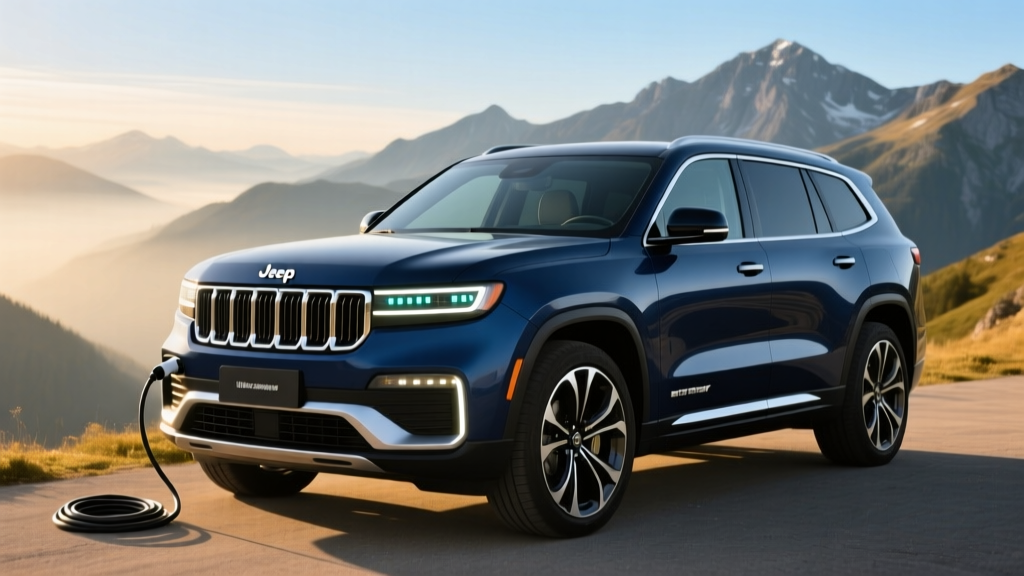
Quick Answer: Is the EV Jeep Wagoneer Worth Buying?
The 2026 Jeep Wagoneer S is the brand's first all-electric SUV, starting around $65,200 before incentives. It delivers an EPA-estimated 300 miles of range, 600 horsepower, and DC fast charging up to 150 kW (10–80% in roughly 23 minutes). It's best suited for buyers who want premium three-row-adjacent space, standard AWD, and home charging access. However, its efficiency (~2.4–2.6 kWh/mile) and real-world highway range (~240–260 miles) mean long road trips require planning. If you already own or were considering the gas Wagoneer, the EV version saves an estimated $1,200–$1,800/year on fuel depending on your local electricity rates.
What Is the EV Jeep Wagoneer? (2026 Wagoneer S Overview)
Jeep's entry into the electric vehicle market arrives through the Wagoneer S, built on Stellantis' STLA Large platform. Unlike the body-on-frame gas Wagoneer, the Wagoneer S is a unibody, mid-to-large electric SUV positioned against the BMW iX, Tesla Model X, and Cadillac Lyriq. For 2026, Jeep offers two primary trims:
- Launch Edition: ~$65,200 MSRP, fully loaded with dual motors, AWD, and the full tech package
- Reserve: ~$72,500+ MSRP, adding premium interior materials, advanced driver-assist features, and upgraded audio
Both trims share the same battery and powertrain. The Wagoneer S uses a 100.5 kWh (usable) nickel-manganese-cobalt (NMC) battery pack, dual permanent-magnet motors producing a combined 600 hp and 617 lb-ft of torque, and standard all-wheel drive. Jeep quotes a 0–60 mph time of 3.4 seconds — remarkable for a vehicle weighing approximately 5,900 lbs.
Range, Efficiency, and Real-World Expectations
The EPA rates the 2026 Wagoneer S at 300 miles of combined range. That sticker number, however, requires context:
| Spec | Value |
|---|---|
| Battery (usable) | 100.5 kWh, NMC |
| EPA Range | 300 miles |
| Real-World Highway (~70 mph) | ~240–260 miles |
| Real-World Cold Weather (20°F) | ~200–230 miles |
| Efficiency | ~33–35 kWh/100 mi (est. 95–100 MPGe) |
| Peak DC Fast Charge | 150 kW |
| 10–80% DC Charge Time | ~23 minutes |
| Level 2 Charge Rate | 11.5 kW (onboard charger) |
| Level 2 Full Charge Time | ~9 hours |
| 0–60 mph | 3.4 seconds |
| Horsepower | 600 hp / 617 lb-ft |
| Drivetrain | Dual-motor AWD |
| Curb Weight | ~5,900 lbs |
| Cargo Volume (behind 2nd row) | ~35 cu ft |
| Battery/Powertrain Warranty | 8 years / 100,000 miles |
| Base MSRP (Launch Edition) | $65,200 |
Real-World Range Reality Check
EPA: 300 miles — but plan for less. At sustained highway speeds of 70+ mph, expect 240–260 miles before needing a charge. In freezing temperatures (below 30°F), battery chemistry and cabin heating can reduce range by 20–30%, dropping usable range to 200–230 miles. The Wagoneer S includes a heat pump for improved cold-weather efficiency, but physics still applies: a large, heavy, boxy SUV pushes more air and consumes more energy at speed than a sedan like the Hyundai Ioniq 6.
The efficiency figure of roughly 33–35 kWh per 100 miles (translating to an estimated 95–100 MPGe) places the Wagoneer S behind more aerodynamic competitors. For comparison, the Tesla Model X achieves about 102 MPGe, and the BMW iX xDrive50 hits 86 MPGe but with a smaller battery and lower range. Check fueleconomy.gov for the official EPA side-by-side comparisons once published.
Charging: What to Expect at Home and on the Road
Charging speed is one area where the Wagoneer S invites scrutiny. Its peak DC fast-charging rate of 150 kW trails the 200–250+ kW capabilities of Hyundai/Kia's E-GMP vehicles and Tesla's latest architecture. Here's what that means practically:
| Level | Power | Speed (approx.) |
|---|---|---|
| Level 1 (120V outlet) | ~1.4 kW | ~4–5 miles/hour |
| Level 2 (240V, home/public) | Up to 11.5 kW | ~32–36 miles/hour |
| DC Fast Charge | Peak 150 kW | 10–80% in ~23 min |
The Wagoneer S uses the NACS (Tesla-style) charge port for 2026, aligning with Stellantis' commitment to the North American Charging Standard. This grants access to Tesla Superchargers (the largest network in the U.S.) as well as Electrify America, EVgo, and other networks via adapters where needed.
Charging curve reality: The 150 kW peak occurs only at lower states of charge (roughly 10–40% SoC) under ideal battery temperatures. Expect the rate to taper to 80–100 kW above 50% SoC and drop sharply above 80%. On a road trip, plan stops around the 200-mile mark to stay within the fast part of the curve and avoid the painful 80–100% trickle.
Home charging is where the Wagoneer S makes the most sense. A Level 2 home charger (48A circuit, 11.5 kW delivery) will replenish the 100.5 kWh battery from empty in roughly 9 hours — overnight charging is entirely practical. If you lack home charging access, relying solely on public DC fast chargers will cost more per mile and add 20–30 minutes to your routine several times per week.
EV vs. Gas Wagoneer: Cost and Capability Comparison
The most common question from Wagoneer shoppers: does going electric actually save money? Here's a direct comparison using current data:
| Factor | Wagoneer S (EV) | Wagoneer L (Gas, 3.0L Hurricane I6) |
|---|---|---|
| Base MSRP | $65,200 | $62,795 |
| EPA Range / Tank Range | 300 miles | ~460 miles (25-gal tank, ~18 mpg combined) |
| Fuel/Energy Cost (annual, 15K mi) | ~$750–$1,100 (home charging) | ~$2,500–$2,900 ($3.50/gal, 18 mpg) |
| Maintenance (annual est.) | ~$200–$400 | ~$800–$1,200 |
| 0–60 mph | 3.4 sec | ~6.0 sec |
| Towing Capacity | Not yet rated (est. 3,500–5,000 lbs) | 6,210 lbs |
| Third-Row Seating | No (2-row, 5-passenger) | Yes (3-row, 7–8 passenger) |
| Federal Tax Credit (§30D) | Up to $7,500 (eligibility varies) | None |
5-Year Estimated Total Cost of Ownership
| Category | Wagoneer S (EV) | Wagoneer L (Gas) |
|---|---|---|
| Purchase Price (after credit) | $57,700 (est.) | $62,795 |
| Fuel/Energy (5 yrs) | $3,750–$5,500 | $12,500–$14,500 |
| Maintenance (5 yrs) | $1,000–$2,000 | $4,000–$6,000 |
| Insurance (5 yrs, est.) | $9,000–$12,000 | $7,500–$10,000 |
| Depreciation (est. 5-yr) | ~$22,000–$28,000 | ~$20,000–$25,000 |
| Total 5-Year Cost (est.) | $93,450–$105,200 | $106,795–$118,295 |
Assumes 15,000 miles/year, $0.14/kWh average electricity, $3.50/gallon gasoline, and full §30D credit eligibility. Actual costs vary by state, driving pattern, and insurance provider. EV insurance premiums tend to run 15–25% higher than equivalent gas vehicles.
The EV Wagoneer S wins on operating costs — saving roughly $1,400–$2,000/year on fuel and maintenance combined. But the gas Wagoneer retains advantages in towing capacity, third-row seating, and road-trip range flexibility. If you regularly tow a boat or trailer exceeding 3,500 lbs, or need seven seats, the gas Wagoneer remains the practical choice for now.
Federal Tax Credit: Do You Qualify?
The Wagoneer S may qualify for the federal §30D clean vehicle credit of up to $7,500, but eligibility depends on several factors that change periodically. As of 2026, key requirements include:
- MSRP cap: SUVs must be under $80,000 — the Wagoneer S qualifies on base trims, but a fully optioned Reserve may approach the cap
- Buyer income limits: AGI must not exceed $150,000 (single), $225,000 (head of household), or $300,000 (joint)
- Battery sourcing: A percentage of critical minerals and battery components must be sourced from the U.S. or FTA partners — Stellantis has indicated the Wagoneer S is designed to meet these thresholds, but verify at purchase
- Point-of-sale transfer: You can apply the credit as a down-payment reduction at the dealer rather than waiting for tax filing
Always confirm current eligibility on IRS.gov and with your tax professional before counting on the credit in your budget. State incentives (Colorado, California, and others) may stack on top — check your local DMV or energy office.
Real-World Ownership: What First-Time EV Buyers Must Know
| Myth | Fact |
|---|---|
| "300 miles means I can drive 300 miles on the highway" | EPA range is a blended cycle. Sustained 70–80 mph driving yields ~240–260 miles. Plan conservatively. |
| "I can charge it at any station instantly" | 150 kW peak only holds at low SoC. Average session speed is closer to 90–110 kW. Budget 25–35 minutes for a meaningful stop. |
| "It replaces the gas Wagoneer exactly" | The Wagoneer S is a 2-row, 5-passenger SUV with lower towing capacity. It's a different vehicle for a different use case. |
| "EV batteries need replacement every few years" | NMC batteries typically retain 85–90% capacity at 100,000 miles. The 8-year/100,000-mile warranty covers drops below 70%. |
| "Home charging isn't necessary" | Without home Level 2 charging, public DC charging costs 2–3x more per mile and adds significant inconvenience. |
Home Charging Setup
Most Wagoneer S buyers should install a Level 2 home charger (240V, 48A circuit delivering up to 11.5 kW). Expect to spend $800–$2,500 total on equipment ($400–$700 for a quality EVSE like ChargePoint Home Flex or Emporia V2) plus electrician labor and permits. If your home's electrical panel is at capacity, a panel upgrade to 200A can add $1,500–$3,500. Always get a quote from a licensed electrician before purchasing the vehicle.
Cold Climate Considerations
If you live in northern states where winter temperatures regularly drop below freezing, expect a 20–30% range reduction. The Wagoneer S's heat pump mitigates some cabin-heating energy draw, but battery chemistry itself slows in cold, reducing both range and charge speed. Preconditioning the battery (via the vehicle's app or navigation to a charger) is essential for achieving advertised DC charge rates in winter.
Driving Pattern Fit
The Wagoneer S is ideal for daily commutes under 100 miles round-trip, weekend trips within 200 miles, and families who can charge at home. It's less ideal for frequent 400+ mile road trips through charging deserts (rural Nevada, western Kansas, parts of Montana), or for drivers who cannot install a home charger.
Decision Framework: Should You Buy the EV Jeep Wagoneer?
Choose the Wagoneer S (EV) If:
- You want premium Jeep branding with instant torque and AWD
- You have (or can install) Level 2 home charging
- Your daily driving is under 100 miles and road trips are under 250 miles between stops
- You qualify for the §30D tax credit, bringing the effective price below $60K
- You don't need third-row seating or heavy towing
- You value lower operating costs and less routine maintenance
Choose the Gas Wagoneer (or a Different EV) If:
- You need 7–8 seats or tow more than 5,000 lbs regularly
- You live in an apartment or lack home charging access
- You frequently drive 400+ mile routes through areas with sparse charging infrastructure
- Your budget is firm below $55,000 — consider the Hyundai Ioniq 5, Chevy Equinox EV, or a used EV
- You want maximum fast-charging speed — the Hyundai Ioniq 5 and Kia EV6 charge at up to 240+ kW
Frequently Asked Questions
Does the Jeep Wagoneer S have three rows of seating?
No. The Wagoneer S is a two-row, five-passenger electric SUV. If you need three rows, the gas Wagoneer L or the upcoming electric Jeep Grand Cherokee (announced, not yet available) may be better options.
What is the real-world highway range of the Wagoneer S?
Expect approximately 240–260 miles at sustained highway speeds of 70 mph in moderate temperatures. In cold weather (below 30°F), that drops to roughly 200–230 miles. The EPA's 300-mile estimate reflects a mix of city and highway driving.
How long does it take to charge the Wagoneer S at home?
On a Level 2 home charger (11.5 kW), a full charge from empty takes about 9 hours. In practice, most owners plug in nightly and start each day with a full battery, rarely depleting below 30%.
Can the Wagoneer S use Tesla Superchargers?
Yes. The 2026 Wagoneer S is equipped with a NACS charge port, granting native access to the Tesla Supercharger network — the largest DC fast-charging network in North America with over 25,000 stalls.
Is the Wagoneer S eligible for the $7,500 federal tax credit?
It appears eligible based on MSRP, battery sourcing, and vehicle classification, but your personal eligibility depends on income limits and current IRS sourcing requirements. Verify at IRS.gov and with your dealer before purchase.
How does the Wagoneer S compare to the Tesla Model X?
The Model X offers more range (~335 miles EPA), faster DC charging (250 kW), falcon-wing rear doors, and optional third-row seating — but starts at roughly $80,000+. The Wagoneer S undercuts on price and offers a more traditional SUV experience, but trails on efficiency and charge speed.
What happens if the battery degrades?
Stellantis warranties the battery for 8 years / 100,000 miles against capacity loss below 70%. Industry data from similar NMC packs suggests most retain 85–92% capacity at the 100,000-mile mark. Full battery replacement, if ever needed out of warranty, currently costs $15,000–$25,000 depending on labor — though prices are declining as the supply chain matures.