The Short Answer on EV Cars in Winter
Most EVs lose 15% to 35% of their EPA-rated range in freezing temperatures (below 32°F / 0°C), with the severity depending on battery chemistry, whether the vehicle uses a heat pump, and your driving habits. A 300-mile EPA-rated EV might deliver 195–255 real-world winter miles. Charging speeds also taper in cold weather — expect 20–50% slower DC fast charging unless you precondition the battery. The good news: with home Level 2 charging, cabin preconditioning, and route planning, winter EV ownership is entirely manageable for the vast majority of drivers.
The Physics Behind Winter Range Loss
Every EV owner eventually confronts the same dashboard reality: the range estimator drops faster in January than in July. This isn't a defect — it's electrochemistry and thermodynamics working against you.
Battery internal resistance increases in cold temperatures. Lithium-ion cells become sluggish below roughly 60°F (15°C). At 20°F (-7°C), the electrolyte viscosity rises, slowing ion movement between the cathode and anode. The battery management system (BMS) responds by limiting charge and discharge rates to protect the cells, which reduces both available energy and regenerative braking effectiveness.
Cabin heating is the biggest range killer. Unlike internal combustion engines that waste enormous heat (which gets redirected to warm the cabin essentially for free), an EV must generate heat using battery energy. A resistive heater can draw 3–6 kW continuously in cold weather — that's 15–30% of a typical 80 kWh battery consumed just for cabin warmth over a 3-hour drive. Vehicles equipped with a heat pump cut this energy draw by roughly 40–60%, pulling ambient heat rather than generating it resistively.
Additional winter drains include:
- Seat heaters and steering wheel heaters (0.1–0.3 kW combined — relatively efficient)
- Battery thermal management (the BMS may actively warm the pack, consuming 1–3 kW)
- Defrosters, headlights used longer, and wiper systems
- Cold, denser air increasing aerodynamic drag by ~2–5%
- Snow and slush adding rolling resistance
Real-World Winter Range Data by Vehicle
Not all EVs handle winter equally. Battery chemistry, thermal management sophistication, and heat pump availability create significant differences. Here's what testing and owner data show for popular 2025–2026 models:
| Vehicle | Battery (kWh usable) | Chemistry | Heat Pump | EPA Range (mi) | Est. Winter Range (mi) | Retention % |
|---|---|---|---|---|---|---|
| Tesla Model Y LR AWD | 75 | NMC | Yes | 320 | ~250–270 | ~78–84% |
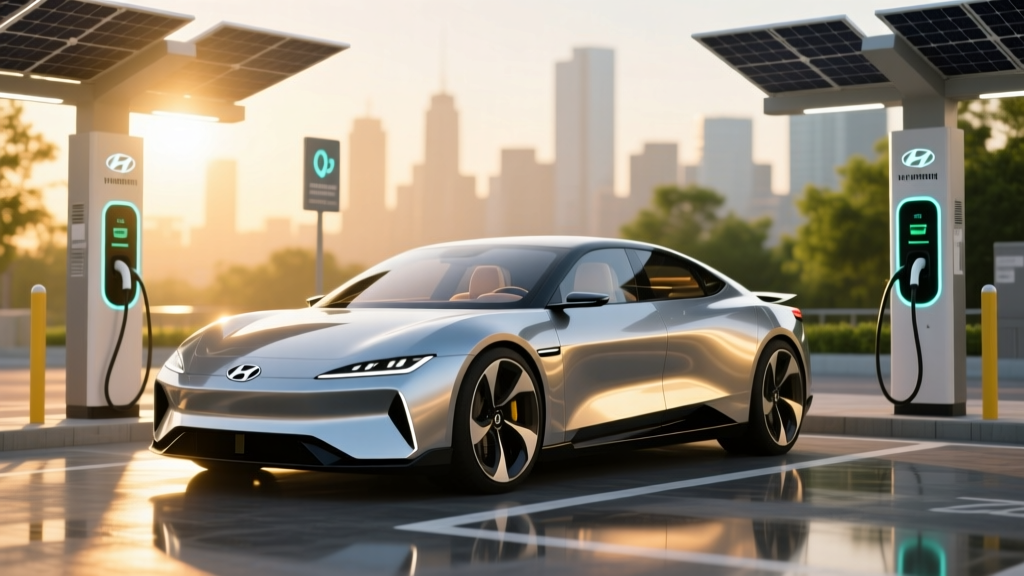
| Hyundai Ioniq 5 SEL AWD | 77.4 | NMC | Yes (2025+) | 290 | ~220–245 | ~76–84% |
| Ford Mustang Mach-E Premium AWD | 91 | NMC | Yes | 312 | ~235–260 | ~75–83% |
| Chevrolet Equinox EV RS AWD | 85 | NMC | Yes | 307 | ~230–255 | ~75–83% |
| BMW iX xDrive50 | 105.2 | NMC | Yes | 324 | ~260–280 | ~80–86% |
| Nissan Ariya Engage+ FWD | 87 | NMC | No (resistive) | 304 | ~195–230 | ~64–76% |
Sources: EPA fueleconomy.gov, manufacturer specifications, and aggregated owner-reported data. Winter range estimates assume 20°F ambient, highway speeds of 65–70 mph, cabin heat set to 70°F, and no preconditioning. Your results will vary based on climate severity and driving style.
Cold-Weather Reality Check
An EPA sticker of 320 miles does not mean 320 miles in a Minnesota January. Plan for 70–85% retention in freezing weather, and as low as 55–65% in sub-zero (below 0°F) conditions with short trips where the cabin and battery never fully warm up. If your daily round-trip commute is 80 miles and you charge at home nightly, this loss is manageable. If you regularly drive 250+ miles in winter between chargers, you need a larger battery buffer or more frequent stops.
Winter Charging: Why Cold Batteries Charge Slower
Cold-weather charging slowdown is one of the most underappreciated aspects of EV ownership. The same increased internal resistance that reduces range also limits how fast the battery can accept a charge.
Without preconditioning, a battery at 20°F might accept only 30–50 kW at a 250 kW DC fast charger — regardless of the vehicle's peak charge rating. The BMS restricts current to prevent lithium plating, a degradation mechanism where lithium ions deposit on the anode surface instead of intercalating into it.
With preconditioning (navigating to a charger in the vehicle's infotainment, which triggers active battery warming en route), the battery can arrive at 60–80°F and accept near-peak charge rates. Here's the practical difference:
| Scenario | Battery Temp at Arrival | Peak Charge Rate | 10–80% Time (typical 80 kWh pack) | Miles Added in 30 Min |
|---|---|---|---|---|
| Preconditioned (navigated to charger) | ~65–80°F | ~200–250 kW | ~18–25 minutes | ~150–200 miles |
| Cold-soaked (no preconditioning, 20°F ambient) | ~20–35°F | ~40–80 kW | ~55–75 minutes | ~60–90 miles |
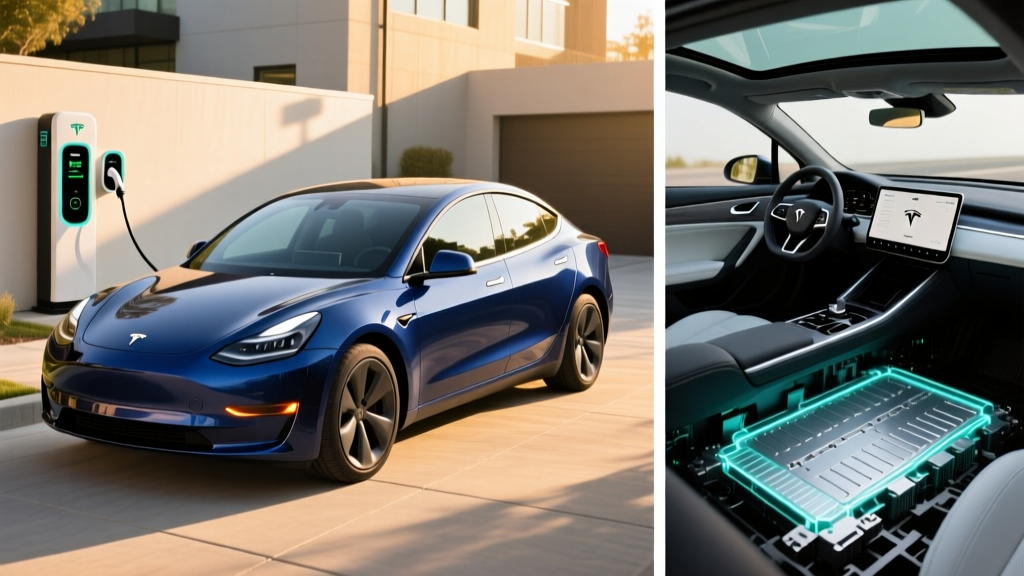
The takeaway is unambiguous: always precondition before DC fast charging in cold weather. In Teslas, this happens automatically when you navigate to a Supercharger. In the Hyundai Ioniq 5, BMW iX, and Ford Mach-E, route navigation to a compatible charger triggers preconditioning. If your vehicle lacks automatic preconditioning, manually activate battery heating 20–30 minutes before arriving at the charger.
Level 2 home charging is less affected by cold because the charge rate (7–11 kW) is low enough that the BMS can safely accept it even with a cold battery, though the first 15–30 minutes may still show reduced power draw as the pack warms from internal resistance during charging.
EV vs. Gas Car in Winter: A Fair Comparison
Gasoline vehicles also lose efficiency in winter, though the impact manifests differently. Let's compare the actual numbers:
| Factor | EV (AWD, heat pump, 300 mi EPA) | Gas AWD SUV (28 MPG combined EPA) |
|---|---|---|
| Winter range/efficiency loss | 15–35% range reduction (195–255 mi real) | 10–20% MPG reduction (~22–25 MPG real) |
| Primary cause of loss | Cabin heating + battery resistance | Cold-enriched fuel mix, thicker fluids, idle warm-up |
| "Fuel" cost per winter mile | ~$0.035–0.045/mi (home L2 at $0.14/kWh) | ~$0.11–0.14/mi (gas at $3.20/gal, 23 MPG) |
| Cold-start performance | Instant cabin heat via heat pump (1–3 min to warm air) | Engine warm-up required (5–10 min for full heat) |
| AWD traction system | Dual-motor torque vectoring, instant response | Mechanical AWD, slight lag |
| Regenerative braking in cold | Reduced/limited until battery warms (use friction brakes more) | N/A (engine braking consistent) |
While the EV's percentage range loss is larger, the cost per mile advantage persists year-round. Even with 30% range loss, home-charged electricity at $0.14/kWh yields roughly $0.04/mile versus $0.12/mile for gasoline. Over a 12,000-mile winter driving season, that's a fuel savings of roughly $960. Data from fueleconomy.gov confirms winter efficiency penalties across all powertrains.
Practical Winter Ownership Strategies
Experienced EV owners in cold climates develop habits that minimize range loss and charging headaches. These aren't theoretical — they're daily practices that work:
Precondition While Plugged In
Set your vehicle's scheduled departure time so it warms the cabin and battery using grid power, not battery power. A preconditioned EV leaves the garage with a warm battery (full regen available) and a warm cabin (minimal heating draw en route). This alone can recover 10–15% of winter range on short trips. Most 2025–2026 EVs support scheduled preconditioning via their mobile apps — Tesla, Hyundai, Ford, BMW, and Chevrolet all include this feature.
Use Seat and Steering Wheel Heaters First
Seat heaters draw roughly 0.05–0.1 kW each; a steering wheel heater adds ~0.03 kW. Combined, they use a fraction of the 3–5 kW a cabin heater demands. Set the cabin temperature lower (65°F instead of 72°F) and rely on contact heating. This single habit can add 10–20 miles of range on a cold commute.
Garage Parking Matters More Than You Think
An EV parked in a 40°F garage overnight starts with a significant advantage over one cold-soaked at 10°F on the street. The battery is warmer, preconditioning takes less energy, and regenerative braking engages sooner. If garage access is an option, prioritize it in winter months.
Plan Charging Stops Around Battery Temperature
On road trips, always navigate to DC fast chargers (triggering preconditioning) rather than pulling in cold. Use apps like A Better Routeplanner or your vehicle's built-in route planner, which factor in temperature, elevation, and speed. Plan to arrive at chargers with 15–20% SoC rather than 5% — cold batteries charge slowly at low SoC, and you want a buffer for unexpected detours or non-functional chargers.
Keep Your Charge Between 20–80% for Daily Use
Cold weather accelerates degradation risk at extreme SoC levels. For NMC batteries, daily charging to 80% and avoiding drops below 15% in winter preserves long-term State of Health (SoH). LFP batteries (found in some Tesla Model 3/Y Standard Range trims) tolerate 100% daily charges better and are generally more resilient to cold-weather charging stress.
Cost Breakdown: Winter EV Ownership Economics
Let's run real numbers for a cold-climate EV owner versus a comparable gas vehicle, focusing on a 15,000-mile annual driving pattern with 5,000 of those miles in winter conditions:
| Cost Category | EV (e.g., Hyundai Ioniq 5 SEL AWD, ~$49,000 MSRP) | Gas (e.g., Hyundai Tucson AWD SEL, ~$33,000 MSRP) |
|---|---|---|
| Purchase price (before incentives) | $49,000 | $33,000 |
| Federal §30D tax credit (if eligible) | Up to $7,500 (subject to MSRP, income, and battery sourcing rules per IRS §30D) | $0 |
| Effective purchase price | ~$41,500 | $33,000 |
| Annual fuel/energy cost (15,000 mi) | ~$630 (home L2 at $0.14/kWh, 3.2 mi/kWh avg incl. winter) | ~$1,870 (gas at $3.20/gal, 25.5 MPG avg incl. winter) |
| Annual maintenance | ~$300 (cabin filter, tire rotation, wiper fluid) | ~$750 (oil changes, filters, spark plugs over time) |
| Annual insurance (avg) | ~$2,100 (EVs typically 15–25% more to insure) | ~$1,700 |
| Winter tire set (one-time, amortized over 4 years) | ~$350/year ($1,400 set) | ~$350/year ($1,400 set) |
| Year 1 total cost | ~$44,880 | ~$37,620 |
| Annual operating cost (Years 2–5) | ~$3,380/year | ~$4,670/year |
| 5-year total cost of ownership | ~$55,000 | ~$51,650 |
Assumptions: $0.14/kWh electricity, $3.20/gallon gasoline, home Level 2 charging exclusively. Public DC fast charging would increase EV energy costs by 50–100%. Insurance premiums vary significantly by driver, state, and insurer. Tax credit eligibility depends on modified adjusted gross income, vehicle MSRP caps, and battery component/critical mineral sourcing requirements — verify your eligibility at IRS.gov or consult a tax professional.
The EV closes the cost gap through lower operating expenses — roughly $1,290/year in fuel and maintenance savings. Over 5 years, that's $6,450 in operating savings, which nearly offsets the higher purchase price even after the tax credit. By year 7–8, the EV typically reaches cost parity, assuming battery health remains strong (most 2025–2026 EVs carry 8-year/100,000-mile battery warranties).
Common Winter EV Myths — Addressed with Data
| Myth | Fact |
|---|---|
| "EVs can't handle cold climates — you'll get stranded." | Norway leads the world in EV adoption (>80% of new car sales) with winters far harsher than most of the US. Proper planning (preconditioning, route planning) makes winter EV driving routine, not risky. |
| "The battery will die if you sit in traffic in the cold." | An EV idling with cabin heat on draws roughly 2–4 kW. An 80 kWh battery at 80% SoC has ~64 kWh available — enough for 16–32 hours of cabin heating. You'll run out of patience long before you run out of power. |
| "Cold weather permanently damages the battery." | Modern BMS systems prevent charging at temperatures that cause lithium plating. The range loss is temporary — full capacity returns when temperatures rise. Long-term degradation from cold-climate use is minimal with proper charging habits. |
| "You can't use regen braking in winter." | Regen is limited when the battery is cold but engages as the pack warms from driving or preconditioning. Most EVs modulate regen automatically to prevent wheel slip on icy roads — this is a safety feature, not a failure. |
| "EVs are more likely to leave you stranded than gas cars in winter." | Gas cars also fail to start, run out of fuel, and experience fuel-line freeze. EVs have fewer cold-start failure modes (no starter motor, no fuel pump, no frozen fuel lines). The real risk is inadequate planning — the same risk that leaves gas drivers stranded with an empty tank. |
Decision Framework: Should You Buy an EV for Winter Driving?
Choose an EV for winter driving if:
- You have access to home Level 2 charging (a garage or driveway with a 240V outlet). This is the single biggest factor. Waking up to a full, warm battery every morning eliminates most winter range anxiety.
- Your typical daily driving is under 150 miles round-trip, even with 30% range loss factored in.
- You're willing to precondition and plan — set departure timers, navigate to chargers, and use seat heaters as your primary warmth source.
- You value instant cabin heat and smooth AWD traction — dual-motor EVs deliver torque to all four wheels without the lag of a mechanical AWD system.
- You want lower per-mile fuel costs year-round, especially if your electricity rate is below $0.16/kWh.
Consider a PHEV or wait if:
- You rely entirely on street parking with no charging access. Public charging in winter (cold-soaked battery, potentially occupied or broken chargers) is significantly more frustrating than home charging.
- You regularly drive 300+ miles in sub-zero temperatures between reliable DC fast chargers. The combined range loss and charging slowdown make this scenario tedious, though not impossible with careful planning.
- You live in a charging desert — rural areas of Montana, the Dakotas, or northern Maine where DC fast chargers are sparse and unreliable. Check the Alternative Fuels Data Center for charger density in your area.
- Your budget can't absorb higher insurance premiums and the upfront cost differential, even with tax incentives.
What First-Time Winter EV Buyers Must Know
If you're buying your first EV and live in a climate with real winters, these five considerations should shape your purchase:
- Prioritize a heat pump. For 2025–2026 models, most mainstream EVs include one, but some base trims still use resistive heating. Verify before purchasing — it's worth $1,000+ in annual winter range savings.
- Buy more range than you think you need. If your commute is 60 miles, a 250-mile EPA EV works in summer but feels tight at 175 real winter miles with a detour. Target 300+ EPA miles for cold-climate peace of mind.
- Invest in a quality Level 2 home charger. A 48-amp hardwired unit on a 60-amp circuit delivers ~11.5 kW (roughly 37 miles of range per hour of charging). Budget $500–$800 for the charger and $800–$2,000 for professional installation, depending on your electrical panel's capacity and the run distance. If your panel is maxed out at 100 amps, a panel upgrade to 200 amps adds $1,500–$3,000.
- Winter tires are non-negotiable for safety. EVs are heavy (4,000–5,500 lbs) and deliver instant torque — all-season tires lose grip below 45°F. Budget $1,000–$1,600 for a dedicated winter tire set on separate wheels.
- Check your vehicle's battery chemistry. LFP (lithium iron phosphate) batteries, found in some Tesla Model 3/Y Standard Range and upcoming models, handle cold charging slightly better and tolerate 100% daily SoC, but have ~10–15% lower energy density than NMC. NMC batteries offer more range per kWh but prefer 80% daily charge limits.
Frequently Asked Questions
Do EVs lose range permanently after a cold winter?
No. Winter range loss is temporary and reverses when temperatures rise. Long-term battery degradation (permanent capacity loss) averages 1.5–2.5% per year for modern NMC packs and slightly less for LFP, regardless of climate. The battery warranty on most 2025–2026 EVs guarantees at least 70% capacity retention over 8 years or 100,000 miles.
Can I charge my EV outdoors in freezing rain or snow?
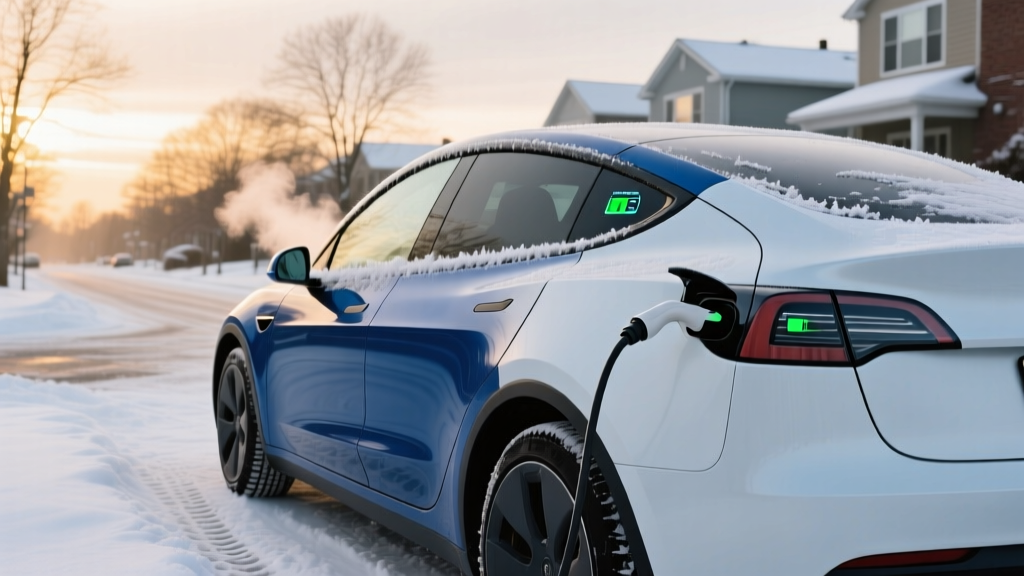
Yes. All EV chargers and vehicle charge ports are rated for outdoor use in precipitation (IP54 or higher). Keep the charge port clear of packed snow and ice, and ensure the connector is dry before plugging in. Some vehicles (Tesla, Rivian) include charge port heaters to prevent freezing shut.
How does cold weather affect DC fast charging on road trips?
Expect 20–50% slower charge speeds if the battery is cold-soaked. Always navigate to the charger via your vehicle's infotainment system to trigger battery preconditioning. Plan for 25–35 minutes per 10–80% charge in winter (versus 18–25 minutes in summer) for a typical 80 kWh pack at a 150–250 kW charger.
Is a PHEV better than a BEV for winter?
For drivers without reliable home charging or who frequently exceed 250 winter miles between stops, a PHEV offers a practical bridge — electric for short commutes, gas backup for long cold-weather trips. Models like the Toyota RAV4 Prime (42 miles electric-only, 38 MPG gas) provide flexibility. However, if you charge at home nightly, a BEV delivers lower operating costs and a smoother driving experience year-round.
What's the best EV for extreme cold climates?
Look for three features: a heat pump, a large battery (85+ kWh usable), and robust battery preconditioning. The Tesla Model Y Long Range, BMW iX xDrive50, and Hyundai Ioniq 5 (2025+ with heat pump) all perform well in sub-freezing conditions based on EPA data and owner reports. Larger batteries provide a bigger buffer when winter range drops 25–30%.