The Short Answer for EV Shoppers
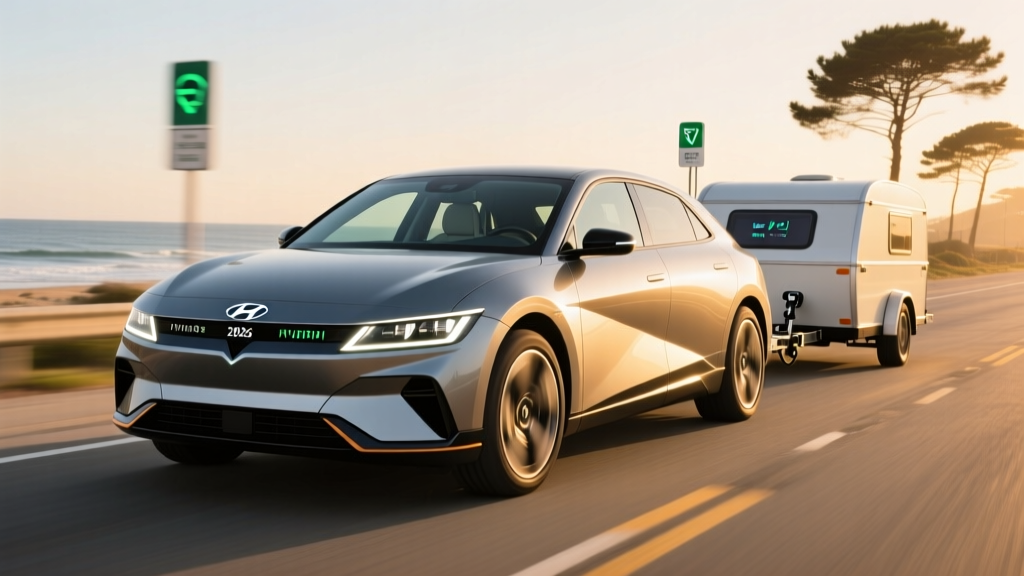
If you can charge at home, drive under 250 miles daily, and qualify for the federal §30D credit, a 2026 EV like the Hyundai Ioniq 5 (EPA 318 mi, ~$42,600 base) or Tesla Model 3 Long Range (EPA 363 mi, ~$42,490) will cost less per mile than a comparable gas sedan and pay back its premium in 3–5 years. If you lack home charging, regularly tow, or live where winter temperatures drop below 20°F, a plug-in hybrid (PHEV) or hybrid may serve you better today.
Most electric vehicles articles skim the surface—citing EPA range stickers and manufacturer press releases without telling you what ownership actually feels like. This guide cuts through that noise with 2026 pricing, real-world range expectations, charging-curve realities, and a framework to decide whether a battery-electric vehicle (BEV), a PHEV, or a conventional hybrid (HEV) fits your life.
EV vs. Gas vs. Hybrid: The Numbers That Matter
Before choosing a powertrain, compare what you're actually buying. Below is a 2026 snapshot of three popular midsize options: the Tesla Model 3 Long Range (BEV), Toyota RAV4 Prime (PHEV), and Toyota RAV4 Hybrid (HEV).
| Spec | Tesla Model 3 LR (BEV) | Toyota RAV4 Prime (PHEV) | Toyota RAV4 Hybrid (HEV) |
|---|---|---|---|
| Base MSRP (2026) | $42,490 | $44,590 | $33,425 |
| EPA Combined Efficiency | 132 MPGe (25 kWh/100mi) | 94 MPGe (elec) / 38 MPG (gas) | 39 MPG combined |
| EPA Electric Range | 363 mi | 42 mi (EV-only) | N/A |
| Total Range | 363 mi | ~520 mi (EV + gas) | ~480 mi |
| Battery / Chemistry | ~75 kWh, NMC | 18.1 kWh, NMC | 1.6 kWh, NiMH |
| Max DC Fast Charge | 250 kW (peak) | ~50 kW (CHAdeMO/CCS) | N/A |
| 10–80% DC Fast Charge | ~25 min | Not practical on DCFC | N/A |
| 0–60 mph | 4.2 sec (346 hp) | 5.7 sec (302 hp combined) | 7.4 sec (219 hp) |
| Federal §30D Credit (max) | Up to $7,500* | Up to $7,500* | $0 |
| Battery Warranty | 8 yr / 120,000 mi | 10 yr / 150,000 mi | 10 yr / 150,000 mi |
* Federal §30D credit eligibility depends on buyer income caps ($150k single / $300k joint MAGI), vehicle MSRP caps ($55k sedans / $80k SUVs/trucks), battery critical-mineral and component sourcing rules, and point-of-sale transfer. Always verify current rules at IRS.gov before purchasing.
Real Costs and Savings: A 5-Year Ownership Breakdown
Upfront price is only part of the equation. Below is a realistic 5-year / 75,000-mile total cost of ownership (TCO) comparison assuming $3.50/gal gasoline, $0.16/kWh electricity (national average home rate), and a 15,000-mile annual driving pattern. Insurance estimates reflect 2026 EV premiums, which remain 15–25% higher than gas equivalents for most models.
| Cost Category (5 yr / 75k mi) | Tesla Model 3 LR | RAV4 Prime (PHEV) | RAV4 Hybrid |
|---|---|---|---|
| Purchase Price (after $7,500 credit) | $34,990 | $37,090 | $33,425 |
| Fuel / Electricity | $1,920 (home charging) | $2,850 (mixed EV + gas) | $5,385 (gas only) |
| Maintenance | $1,200 | $2,800 | $2,800 |
| Insurance (avg.) | $9,500 | $8,200 | $7,000 |
| Home Charger Install (L2) | $1,200 | $1,200 | $0 |
| Estimated 5-Year TCO | $48,810 | $52,140 | $48,610 |
The BEV wins on fuel and maintenance (no oil changes, fewer brake replacements thanks to regenerative braking), but higher insurance and the Level 2 charger installation cost partially offset those savings. If you lose the $7,500 credit due to income, MSRP, or sourcing rules, the BEV's TCO rises to ~$56,310—making the HEV the cheaper option. This is why verifying your §30D eligibility matters before signing a purchase agreement.
Real-World Ownership: What Brochures Don't Tell You
Manufacturer specs assume ideal conditions. Here's what actually changes once you own the car.
Range Is Not a Fixed Number
A Tesla Model 3 Long Range carries an EPA sticker of 363 miles. In real-world highway driving at 70 mph in 75°F weather, expect roughly 290–310 miles. In 20°F winter conditions with cabin heat, that drops to 230–260 miles. LFP-chemistry batteries (found in the base Model 3 RWD) lose a slightly larger percentage in cold than NMC packs. Always budget 20–30% below the EPA number for road-trip planning.
Charging Speeds Taper—Peak kW Is Not Sustained kW
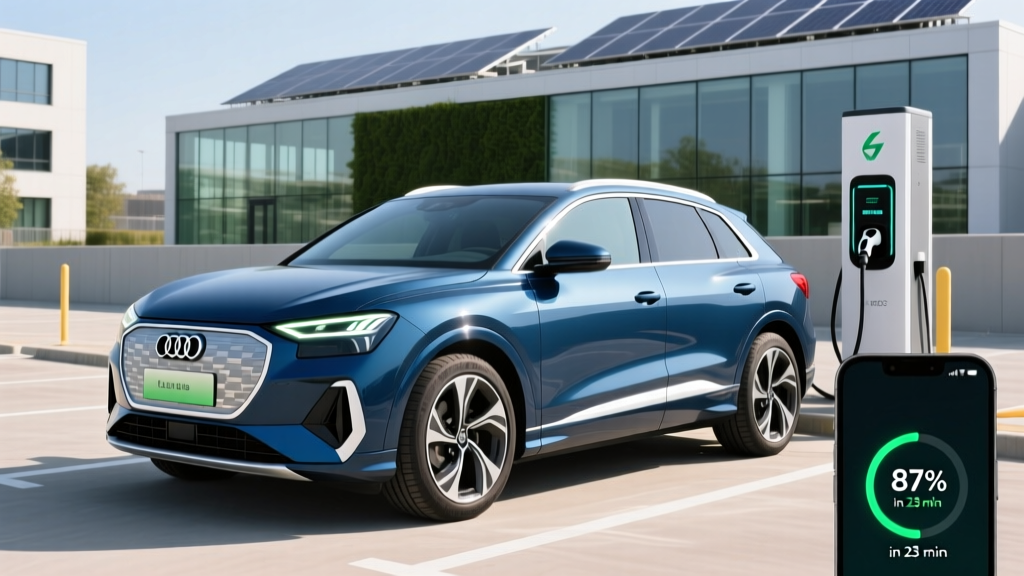
A 250 kW peak charge rate sounds fast, and the Model 3 LR can add roughly 175 miles in 15 minutes at a V4 Supercharger. But charging follows a curve: power peaks at low state-of-charge (SoC) and tapers sharply above ~60%. A 10–80% session takes about 25 minutes; pushing from 80–100% can take another 25+ minutes. Plan road-trip stops around 10–80% fills, not full charges.
Home Charging Access Is the Make-or-Break Factor
If you can install a Level 2 (240V) home charger—typically a 48-amp hardwired unit delivering ~11.5 kW—you'll add roughly 35–44 miles of range per hour of charging. Most daily driving (30–50 miles) is replenished overnight without thinking about it. The average installation cost runs $800–$2,500 depending on panel capacity and conduit run. Homes with older 100-amp panels may need a $2,000–$4,000 panel upgrade. Always hire a licensed electrician to assess your panel before committing to a BEV.
If you live in an apartment, rely on street parking, or lack a dedicated outlet, public charging becomes your primary refueling method. This adds time (30–45 min per session), cost ($0.30–$0.55/kWh at DC fast chargers vs. ~$0.16 at home), and unpredictability (broken chargers, queues). In that scenario, a PHEV or HEV is often the more pragmatic choice.
Common EV Misconceptions—Corrected With Data
| Myth | Fact (with data) |
|---|---|
| "EV batteries need replacing every 5 years." | Modern NMC and LFP packs are warrantied for 8–10 years / 100,000–150,000 miles at ≥70% capacity retention (fueleconomy.gov). Real-world degradation averages 1–2% per year; most packs outlast 150k miles with 85%+ State of Health. |
| "EVs are worse in cold weather." | Range drops 20–30% in sub-freezing temps, but EVs start instantly (no cold-cranking), and heat pumps (standard on most 2026 models) recover significant efficiency. Preconditioning the battery while plugged in mitigates most losses. |
| "The grid can't handle everyone driving EVs." | Most charging happens overnight during off-peak hours. A single EV charging at 7–11 kW draws roughly the same as a clothes dryer. Managed/scheduled charging and time-of-use rates keep grid impact minimal. |
| "EVs are always cheaper to own." | Not without the tax credit, home charging, and moderate insurance premiums. High-mileage drivers with home charging save the most; low-mileage apartment dwellers may not break even. |
| "Autopilot / FSD means the car drives itself." | All consumer driver-assist systems (Tesla Autopilot, FSD Supervised, GM Super Cruise, Ford BlueCruise) are SAE Level 2—the driver must remain engaged and supervise at all times. Only Waymo-style robotaxis operate at Level 4 without a human driver. |
Your EV Decision Framework: If X, Then Y
Should You Buy a BEV, PHEV, or HEV?
- Choose a BEV if: You have home Level 2 charging (or can install it), drive under 250 miles/day, qualify for the §30D credit, and want the lowest per-mile operating cost. Best for commuters, two-car households, and warm-to-moderate climates.
- Choose a PHEV if: You want 30–45 miles of electric-only commuting but need gas-engine flexibility for road trips, towing, or apartment living without reliable charging. Ideal one-car solution for mixed-use drivers.
- Choose an HEV if: You can't charge at home, drive in extreme cold regularly, tow frequently, or want zero behavior change. You still cut fuel costs 30–40% vs. a non-hybrid gas car without plugging in.
- Wait if: You're banking on solid-state batteries or sub-$30,000 long-range BEVs—those remain announced/preliminary for 2026–2027 and aren't yet on sale.
First-Time EV Buyer Checklist
- Verify your electrical panel. A licensed electrician should confirm you have capacity for a 240V/48-amp circuit. Budget $800–$2,500 for installation, more if a panel upgrade is needed.
- Check §30D eligibility. Confirm your MAGI, the vehicle's MSRP, and its battery sourcing compliance at IRS.gov. Point-of-sale transfer lets you apply the credit at the dealer, reducing your down payment.
- Test the real-world range. On your test drive, reset the trip meter and drive your actual commute. Compare observed kWh/100mi to the EPA sticker.
- Download the charging apps. PlugShare, A Better Routeplanner, and your vehicle's native app. Confirm charger availability along your most common routes.
- Get insurance quotes before signing. EV premiums vary wildly by model and zip code. A Tesla Model 3 may cost $150–$250/month depending on your profile; a Hyundai Ioniq 5 often runs 15–20% less.
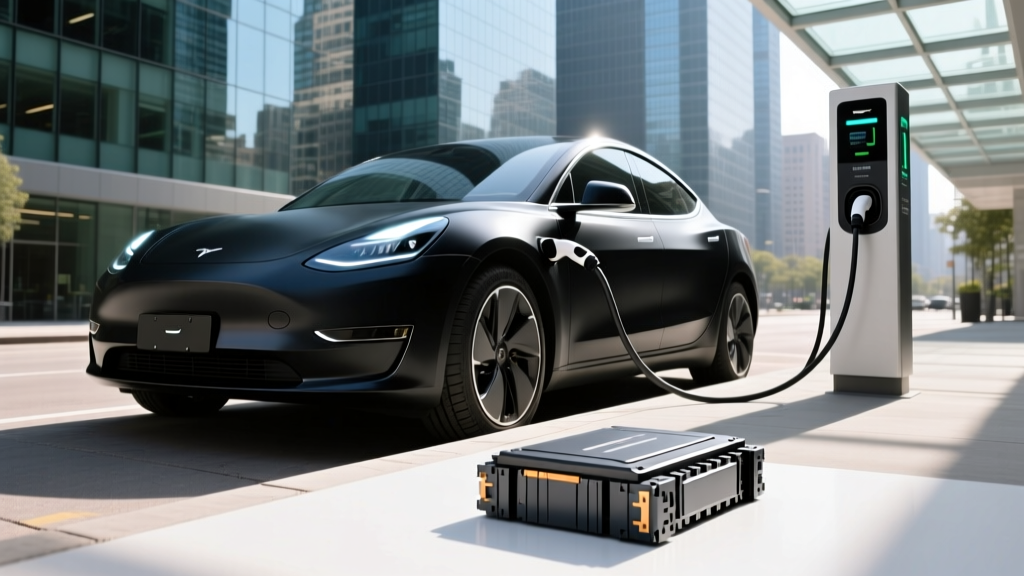
- Understand the warranty. Battery warranties guarantee a minimum capacity retention (usually 70%) over 8–10 years / 100k–150k miles. Outside of warranty, a full pack replacement runs $8,000–$18,000 depending on the model and chemistry.
Frequently Asked Questions
How long does it take to charge an EV at home?
On a Level 2 (240V, 48-amp) home charger delivering ~11.5 kW, a 75 kWh battery charges from 10–100% in roughly 6–7 hours—easily overnight. On a standard 120V Level 1 outlet (~1.4 kW), the same battery takes 50+ hours, making it practical only for PHEVs with small batteries or as an emergency trickle.
What happens if I run out of charge on the road?
EVs give extensive low-battery warnings and will route you to the nearest charger. If you do run out, the car shuts down safely—no engine damage. Roadside-assistance programs (AAA, manufacturer programs) can provide a flatbed tow to the nearest charger. Unlike a gas car, you can't pour in 5 gallons from a jerrycan; planning with A Better Routeplanner eliminates this risk.
Do EVs really save money on maintenance?
Yes. BEVs have no engine oil, spark plugs, timing belts, or exhaust systems to service. Brake pads last 100,000+ miles because regenerative braking handles most deceleration. Expect to spend $200–$300/year on cabin air filters, wiper fluid, tire rotations, and washer fluid. According to fueleconomy.gov, EV maintenance costs are roughly 40% lower than gas-vehicle equivalents.
Is a used EV a smart buy?
A used EV can be excellent value, especially with the separate Used Clean Vehicle Credit (up to $4,000 under §25E, subject to income caps and a $25,000 MSRP ceiling). Check the battery's State of Health (SoH) via the car's diagnostics or a pre-purchase inspection. A pack at 90%+ SoH with 30k–50k miles has years of life left.
Will my EV's battery degrade quickly?
Modern thermal management systems keep degradation to roughly 1–2% per year under normal use. LFP-chemistry batteries (Tesla Model 3 RWD, some Ford and Hyundai models) tolerate daily 100% charges and tend to outlast NMC packs in cycle count, though they're heavier and offer slightly less range per kWh. Avoid frequent DC fast charging above 90% SoC and prolonged storage at 0% or 100% to maximize longevity.