Quick Answer: Is an EV Right for You?
An electric vehicle makes financial sense if you can charge at home, drive 200-400 miles weekly, and qualify for federal/state incentives. Expect to pay $35,000-$55,000 upfront (before credits), save $800-$1,500 annually on fuel, and spend 50-70% less on maintenance compared to gas cars. Real-world range is typically 15-25% below EPA estimates in cold weather or sustained highway driving. If you lack home charging access or regularly drive 400+ miles in rural areas, a plug-in hybrid may be a better bridge solution.
Real EV Costs: Purchase Price, Charging, and Long-Term Savings
The sticker shock of EVs has moderated significantly. As of 2026, mainstream models like the Chevrolet Equinox EV (EPA 319 miles, $33,000 base MSRP) and Hyundai Ioniq 5 (EPA 303 miles, $42,450 base) compete directly with mid-trim gas crossovers on price, especially after incentives.
| Vehicle Type | Example Model | Purchase Price | Federal Credit | 5-Yr Fuel/Energy | 5-Yr Maintenance | 5-Yr Insurance | 5-Yr Total Cost |
|---|---|---|---|---|---|---|---|
| Battery EV | Tesla Model Y LR | $44,990 | -$7,500* | $2,800 | $1,200 | $8,500 | $49,990 |
| Gas Vehicle | Toyota RAV4 LE | $30,000 | $0 | $7,500 | $3,500 | $6,200 | $47,200 |
| Plug-in Hybrid | Toyota RAV4 Prime | $43,690 | -$7,500* | $4,200 | $3,200 | $7,100 | $50,690 |
*Federal tax credit eligibility requires meeting MSRP caps ($55,000 for SUVs, $80,000 for vans/pickups), buyer income limits ($150,000 single / $300,000 joint AGI), and battery component sourcing rules per IRS §30D guidelines. Credits can now transfer to the dealer at point-of-sale, reducing your purchase price directly.
Charging Costs: Home vs Public
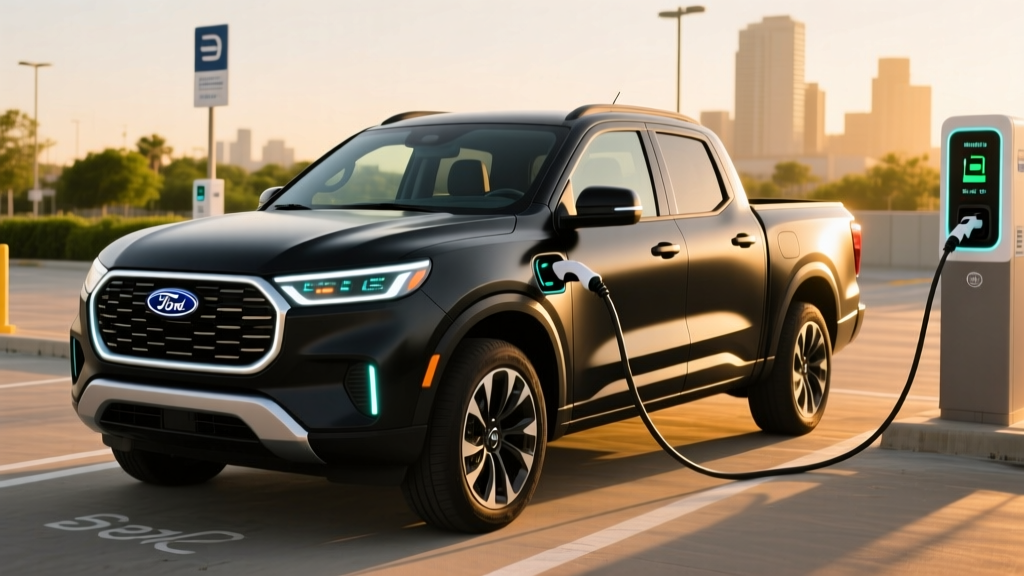
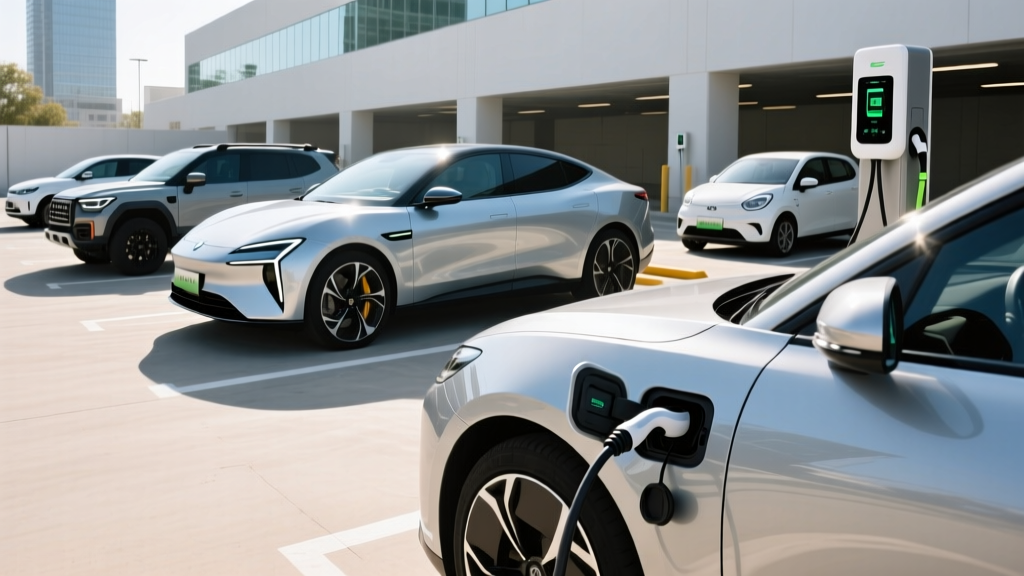
Home charging on Level 2 (240V, 7-11 kW) costs $0.10-$0.18 per kWh depending on your utility, translating to $3-$5 per 100 miles driven. Public DC fast charging (50-350 kW) runs $0.30-$0.50 per kWh, or $8-$15 per 100 miles—still cheaper than gas at $12-$18 per 100 miles (assuming 25 MPG and $3.50/gallon).
Installation of a home Level 2 charger typically costs $800-$2,500 total: $400-$700 for the charger unit, $400-$1,500 for electrician labor, and $50-$300 for permits. If your electrical panel needs upgrading from 100A to 200A service, add $1,500-$3,000.
Range Reality: EPA Estimates vs Real-World Driving
EPA range estimates provide a standardized baseline, but real-world results vary significantly based on conditions:
- Highway driving (70+ mph): Expect 15-20% below EPA due to aerodynamic drag. A 300-mile EPA vehicle delivers ~240-255 miles at sustained highway speeds.
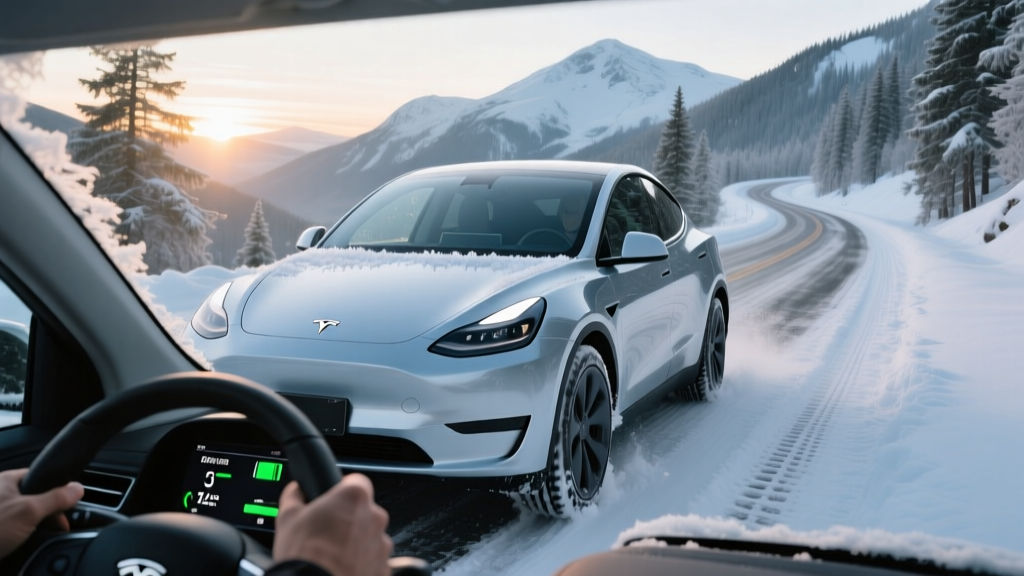
- Cold weather (below 32°F): Battery chemistry slows, cabin heating draws power. Plan for 25-40% range loss. A 300-mile EPA vehicle may deliver only 180-225 miles in freezing conditions.
- City driving with regen braking: Often exceeds EPA by 5-10% due to regenerative braking recapturing energy.
Modern EVs use either NMC (nickel manganese cobalt) or LFP (lithium iron phosphate) battery chemistries. NMC offers higher energy density (longer range in smaller packages) but degrades faster if regularly charged to 100%. LFP is heavier but can be charged to 100% daily without accelerated degradation, making it ideal for daily commuting. Tesla Model 3 RWD and base Model Y now use LFP; most long-range variants retain NMC.
Charging Speed: What the Numbers Mean
Charging power is measured in kilowatts (kW), while battery capacity is kilowatt-hours (kWh)—a critical distinction. A 75 kWh battery charged at 150 kW peak power doesn't charge linearly. Most EVs follow a charging curve:
- 10-50% State of Charge: Peak charging rate sustained (e.g., 200-250 kW)
- 50-80% SoC: Rate tapers to protect battery (e.g., 100-150 kW)
- 80-100% SoC: Slow trickle charge (e.g., 20-50 kW)
Real-world example: The Hyundai Ioniq 5 (77.4 kWh battery) peaks at 240 kW on a 350 kW charger, achieving 10-80% in approximately 18 minutes under ideal conditions. Above 80%, charging slows dramatically—plan to stop at 80% for road trips unless you need the final range.
EV vs Gas vs Hybrid: Which Powertrain Fits Your Life?
| Factor | Battery EV | Plug-in Hybrid | Gas Hybrid |
|---|---|---|---|
| Daily driving under 40 miles | ✓ Excellent | ✓ Excellent (electric-only mode) | ✓ Good |
| Home charging access | Required | Recommended | Not needed |
| Long road trips (400+ mi) | Plan charging stops | ✓ Seamless (gas backup) | ✓ Seamless |
| Cold climate (below 20°F) | Range loss 30-40% | Gas engine supplements | ✓ Minimal impact |
| Upfront cost | Higher (offset by credits) | Higher (offset by credits) | Lowest |
| Maintenance cost | Lowest (no oil, fewer parts) | Moderate (dual systems) | Moderate |
| Federal tax credit | Up to $7,500 | Up to $7,500 | $0 |
Choose a Battery EV if: You have reliable home charging, drive under 300 miles daily, want minimal maintenance, and qualify for tax credits that narrow the price gap.
Choose a Plug-in Hybrid if: You want electric-only commuting (typically 25-45 miles) but need gas-engine flexibility for road trips, lack consistent home charging, or live in extreme cold climates.
Choose a Gas Hybrid if: You drive high annual miles (15,000+), lack any charging access, prioritize lowest upfront cost, or frequently tow/haul heavy loads.
First-Time EV Buyer Checklist: What You Must Know
Before You Buy: Answer These Questions
- Can I charge at home? If yes, proceed to question 2. If no, consider whether your workplace offers charging, or if reliable public DC fast chargers exist within 2 miles of your home. If neither, a PHEV or gas hybrid may be more practical.
- What's my electrical panel capacity? Most homes built after 1990 have 200A service, sufficient for a 40-amp Level 2 charger (adds ~25-30 miles per hour of charging). Older homes with 100A service may need a panel upgrade ($1,500-$3,000) or a lower-amperage charger (16-24 amp).
- What's my typical daily driving distance? If under 50 miles, a 200-mile range EV provides comfortable buffer. If 100-200 miles daily, target 300+ mile EPA range. If regularly exceeding 250 miles, plan for mid-day charging or consider a PHEV.
- Do I qualify for incentives? Check fueleconomy.gov for federal credit eligibility (varies by model, buyer income, and battery sourcing). Research your state's additional rebates—California, Colorado, and New York offer $2,000-$7,000 in stackable incentives.
- What's the real-world range in my climate? If you live in northern states with sub-freezing winters, multiply EPA range by 0.65-0.75 for winter planning. Southern climates see minimal range loss.
Test Drive Priorities
When test-driving an EV, evaluate:
- Regenerative braking feel: Most EVs offer adjustable regen levels. Strong regen enables one-pedal driving (lift off accelerator to slow significantly), which reduces brake wear but takes adaptation.
- Cabin heating efficiency: EVs with heat pumps (standard on most 2024+ models) use 50-70% less energy for heating than resistive heaters, preserving range in cold weather.
- Charging port location: Rear-quarter ports (Tesla, Hyundai) work better for pull-through charging stalls. Front ports (older Nissan Leaf) require backing in or careful positioning.
- Infotainment and route planning: Built-in navigation should show real-time charger availability and precondition the battery when navigating to a DC fast charger (warming the battery for faster charging).
Common EV Myths vs Reality
| Myth | Reality |
|---|---|
| "EV batteries need replacement every 5 years" | Federal law mandates 8-year/100,000-mile battery warranties. Real-world data shows most EVs retain 85-90% capacity after 100,000 miles. Replacement is rare and typically costs $8,000-$15,000 if needed outside warranty. |
| "EVs are worse for the environment due to battery production" | While battery manufacturing has higher upfront emissions, EVs break even within 6,000-20,000 miles of driving (depending on grid cleanliness). Over 150,000 miles, EVs produce 50-70% fewer lifecycle emissions than gas cars, per EPA lifecycle analysis. |
| "Charging takes too long for road trips" | Modern EVs with 200+ kW charging capability add 150-200 miles in 15-20 minutes. Combined with natural rest stops (food, restroom), charging time is manageable. Apps like PlugShare and A Better Routeplanner optimize multi-stop trips. |
| "The electric grid can't support widespread EV adoption" | Most charging occurs overnight when grid demand is low. Smart charging and vehicle-to-grid (V2G) technology can actually stabilize grids. The challenge is localized distribution upgrades, not generation capacity. |
| "EVs are unreliable in cold weather" | EVs start reliably in extreme cold (no cold-crank issues). Range decreases 25-40%, but preconditioning (warming the cabin and battery while plugged in) mitigates this. Norway, with harsh winters, has 80%+ EV market share. |
Ownership Costs Beyond the Purchase
Insurance
EV insurance premiums run 15-25% higher than comparable gas vehicles due to higher repair costs (specialized parts, battery protection protocols). Average annual premiums: $1,600-$2,200 for mainstream EVs vs $1,200-$1,700 for gas equivalents. Shop quotes from EV-friendly insurers like Geico, Progressive, and Tesla Insurance (available in select states).
Maintenance
EVs eliminate oil changes, spark plugs, timing belts, and exhaust system repairs. Expect to replace:
- Cabin air filter: $20-$50 every 20,000 miles
- Wiper blades: $30-$60 annually
- Brake fluid: $80-$120 every 2-3 years (regen braking reduces pad wear; many EVs exceed 100,000 miles on original brake pads)
- Tires: EVs are heavier and deliver instant torque, wearing tires 20-30% faster. Budget $600-$1,200 for a set of four every 30,000-40,000 miles.
Depreciation
EV depreciation has stabilized as the market matures. Expect 40-50% value retention after 3 years, 30-40% after 5 years for mainstream models. Tesla vehicles historically depreciate less (50-55% after 3 years) due to brand strength and Supercharger network exclusivity. Luxury EVs (Mercedes EQS, BMW iX) depreciate more steeply (35-45% after 3 years).
Frequently Asked Questions
Can I install a home charger myself?
No. Level 2 charger installation requires a licensed electrician to ensure proper circuit sizing, grounding, and code compliance. DIY electrical work on 240V circuits risks fire, injury, and voided home insurance. Budget $400-$1,500 for professional installation.
What if I live in an apartment without charging access?
Options include: (1) Request your landlord install chargers—many utilities offer multifamily charging incentives. (2) Use workplace charging if available. (3) Rely on public DC fast charging (more expensive but viable for low-mileage drivers). (4) Consider a PHEV with 25-40 miles of electric range, which you can charge from a standard 120V outlet overnight.
How long does it take to charge from 0-100% at home?
On Level 2 (7-11 kW), a typical 75 kWh battery charges 0-100% in 7-11 hours. Most owners charge from 20-80% daily (4-6 hours), which is sufficient for 200+ miles of range and reduces battery stress.
Do EVs qualify for HOV lane access?
Many states grant EVs single-occupant HOV lane access, but rules vary. California's Clean Air Vehicle decals expire after 4 years. Check your state's DMV website for current incentives.
What happens if I run out of charge on the road?
Modern EV navigation systems warn you when range is insufficient and route you to chargers proactively. If you do deplete the battery, roadside assistance (AAA, manufacturer programs) can provide a tow to the nearest charger. Unlike gas cars, you can't bring a "jerry can" of electrons—but this scenario is rare with proper planning.
Are used EVs a good value?
Yes, with caveats. Used EVs from 2020-2023 offer significant savings (30-50% below original MSRP). Prioritize vehicles with battery health reports (most EVs display State of Health percentage in settings). Avoid early-generation models with known battery issues (2011-2014 Nissan Leaf with passive air cooling). Federal used-EV credit offers up to $4,000 for vehicles under $25,000, subject to income limits.
Sources: fueleconomy.gov (EPA range and efficiency data), irs.gov (federal tax credit rules), manufacturer specification sheets for 2026 model-year vehicles.