Beyond the Plug: What Recharging Really Means for Your EV Battery
When new EV owners ask "how can I recharge a battery," they usually mean the straightforward act of plugging in. But the deeper question — the one that determines whether your battery delivers 300 miles of range in year one and still 270 miles in year eight — is about how you recharge, how often, and under what conditions. The high-voltage traction battery (not the small 12V auxiliary unit that runs your lights and infotainment) is the single most expensive component in your vehicle. Understanding what happens inside it during every charge cycle is the difference between confident ownership and expensive surprises.
This guide covers the chemistry, degradation science, warranty protections, real-world replacement costs, and daily habits that determine your battery's lifespan — with exact numbers, not marketing generalizations.
LFP vs NMC/NCA: The Chemistry That Defines Your Charging Strategy
Not all EV batteries are built the same. The two dominant lithium-ion chemistries in the 2026 market — Lithium Iron Phosphate (LFP) and Nickel Manganese Cobalt / Nickel Cobalt Aluminum (NMC/NCA) — have fundamentally different characteristics that affect how you should recharge, how long the pack lasts, and what range you get per kWh.
| Attribute | LFP (Lithium Iron Phosphate) | NMC / NCA |
|---|---|---|
| Energy Density | ~160–180 Wh/kg (lower) | ~220–260 Wh/kg (higher) |
| Typical Cycle Life | 3,000–5,000+ cycles | 1,000–2,000 cycles |
| Cold-Weather Performance | Moderate — greater range loss below 32°F | Better low-temp discharge efficiency |
| Cost per kWh | ~$90–$110 (lower) | ~$120–$150 (higher) |
| Recommended Daily SoC | 100% OK (manufacturer-approved) | 80% for daily; 100% for trips only |
| Thermal Stability | Excellent — less prone to thermal runaway | Good — requires more active thermal management |
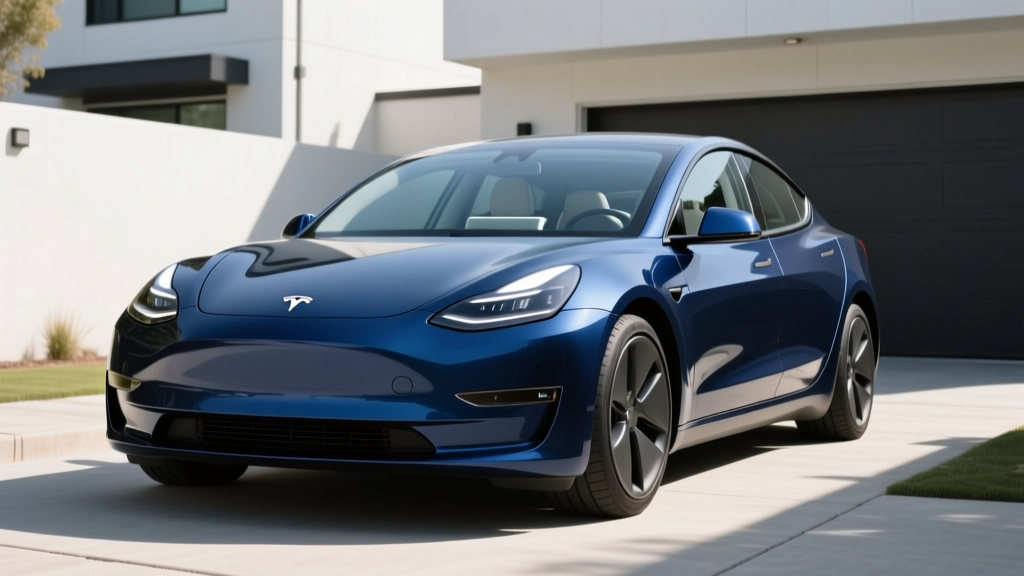
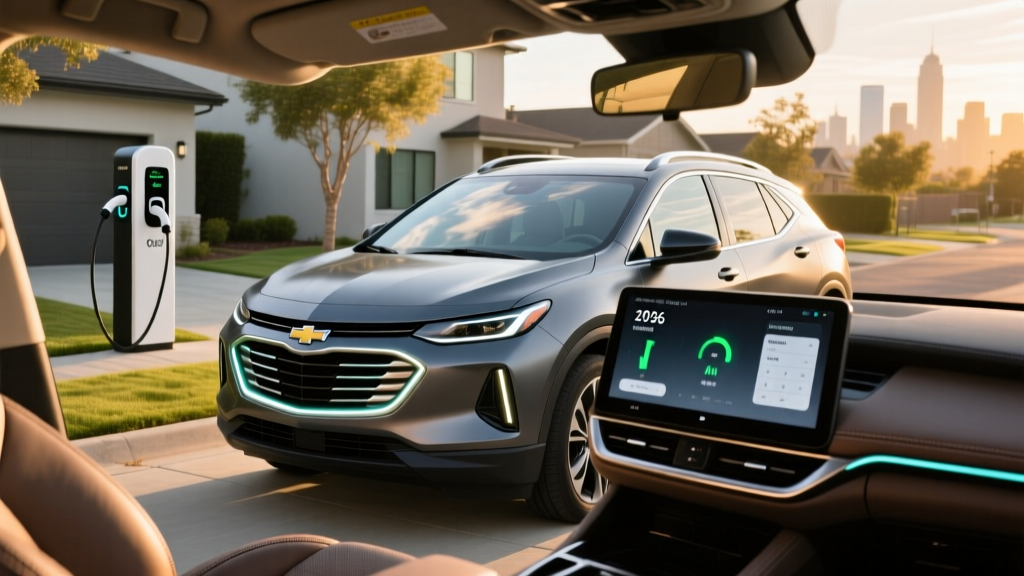
| Common In (2026) | Tesla Model 3/Y RWD, base Chevy Equinox EV, Rivian Standard | Hyundai Ioniq 5/6, Ford Mustang Mach-E Extended, BMW iX, most luxury EVs |
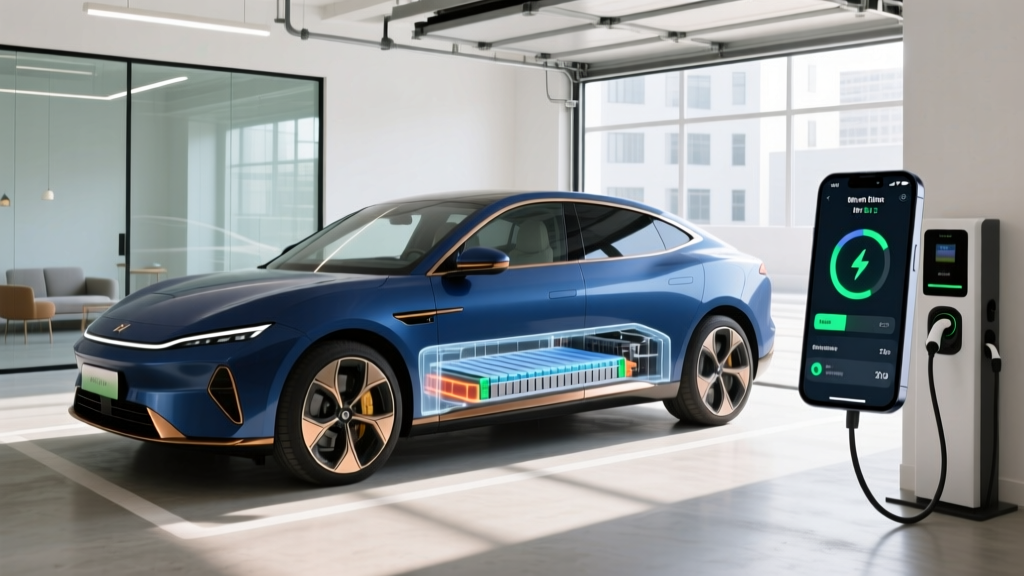
The practical takeaway: LFP packs tolerate being recharged to 100% regularly, which actually helps the battery management system (BMS) calibrate cell balancing. NMC/NCA packs deliver more range per kilogram but degrade faster if held at high state of charge (SoC) for extended periods. If you recharge at home every night, your chemistry choice dictates whether you set a charge limit or let it fill to the top.
How Long Do EV Batteries Actually Last?
The short answer from real-world fleet data: most modern EV batteries outlast the vehicles they're installed in. But "last" needs definition. A battery doesn't suddenly die — it gradually loses capacity, measured as State of Health (SoH). When SoH drops to 70–80% of original capacity, the pack still functions but delivers noticeably reduced range.
- Tesla fleet data (2025 Impact Report): Model 3/Y packs retain ~88% capacity at 150,000 miles and ~85% at 200,000 miles.
- Geotab fleet study (2024, 10,000+ EVs): Average annual degradation across all brands was 1.8% per year — meaning ~85% SoH after 8 years of typical use.
- Nissan Leaf (passive-cooled, earlier models): Higher degradation at ~3–4% per year in hot climates, demonstrating the importance of active thermal management.
- Hyundai/Kia E-GMP platform (Ioniq 5, EV6): Owner-reported degradation of ~5–7% over the first 60,000 miles, with the curve flattening significantly after year two.
For a 2026 EV with an EPA-rated 300-mile range, expect roughly 255–275 miles of real-world range at the 8-year mark under normal use. That's a meaningful reduction but not a crisis — and it's why the industry moved to longer warranties.
What Does the Battery Warranty Actually Cover?
Federal law mandates a minimum 8-year / 100,000-mile warranty on EV battery packs (10 years / 150,000 miles in California Air Resources Board states). But the fine print matters enormously. Here's what major manufacturers commit to for 2026 models:
| Manufacturer | Warranty Term | Capacity Retention Threshold | What Triggers a Claim |
|---|---|---|---|
| Tesla (Model 3/Y LFP) | 8 yr / 120,000 mi | 70% | SoH drops below 70% as measured by Tesla diagnostics |
| Tesla (Model S/X, Long Range) | 8 yr / 150,000 mi | 70% | Same threshold, higher mileage coverage |
| Hyundai / Kia | 10 yr / 100,000 mi | 70% | Verified capacity loss below threshold |
| Ford (Mach-E, F-150 Lightning) | 8 yr / 100,000 mi | 70% | BMS-reported capacity below 70% |
| GM (Ultium platform) | 8 yr / 100,000 mi | 70% (estimated) | Dealer diagnostic verification required |
| BMW | 8 yr / 100,000 mi | 70% | Capacity below threshold confirmed by BMW service |
Critical nuance: the warranty covers defects and excessive degradation, not normal gradual capacity loss above the threshold. If your pack is at 72% SoH at year nine, you're technically outside warranty coverage even though you've lost 28% of your range. Always document your SoH readings periodically — this is your evidence if you need to file a claim. See fueleconomy.gov's EV technology page for federal warranty baseline information.
How Much Does an EV Battery Cost to Replace?
This is the question that generates the most anxiety — and the most misinformation. Let's ground it in actual 2026 pricing and context.
| Battery Size / Vehicle Class | Estimated Replacement Cost (Parts + Labor) | When Typically Needed |
|---|---|---|
| 40–60 kWh (compact, e.g., base Nissan Leaf, older Bolt) | $6,500 – $10,000 | Rarely before 150,000+ mi; often exceeds vehicle value |
| 70–85 kWh (mid-size, e.g., Tesla Model 3, Ioniq 5) | $10,000 – $16,000 | Rarely before 200,000 mi under normal conditions |
| 90–115 kWh (large, e.g., F-150 Lightning Extended, Rivian R1T Max) | $15,000 – $25,000 | Rarely before 200,000 mi; cost declining as Ultium and similar platforms scale |
| Refurbished / remanufactured packs | 30–50% less than new | Available from third-party specialists; warranty varies |
The fear-mongering headline — "$20,000 battery replacement!" — ignores three realities. First, the vast majority of EV batteries never need replacement during typical ownership. Second, costs have dropped roughly 90% since 2010 and continue declining as manufacturing scales. Third, if a replacement is needed out of warranty, refurbished packs and module-level repairs (replacing individual degraded modules rather than the entire pack) are increasingly available and significantly cheaper.
Factors That Accelerate — or Protect — Battery Life
How you recharge a battery matters as much as how often. These are the variables with the strongest evidence for affecting long-term State of Health:
- Avoid sustained 100% SoC (NMC/NCA): Charge to 80% for daily driving. Reserve 100% for road trips and charge to full just before departure. LFP owners can charge to 100% regularly — Tesla and Ford recommend it for calibration.
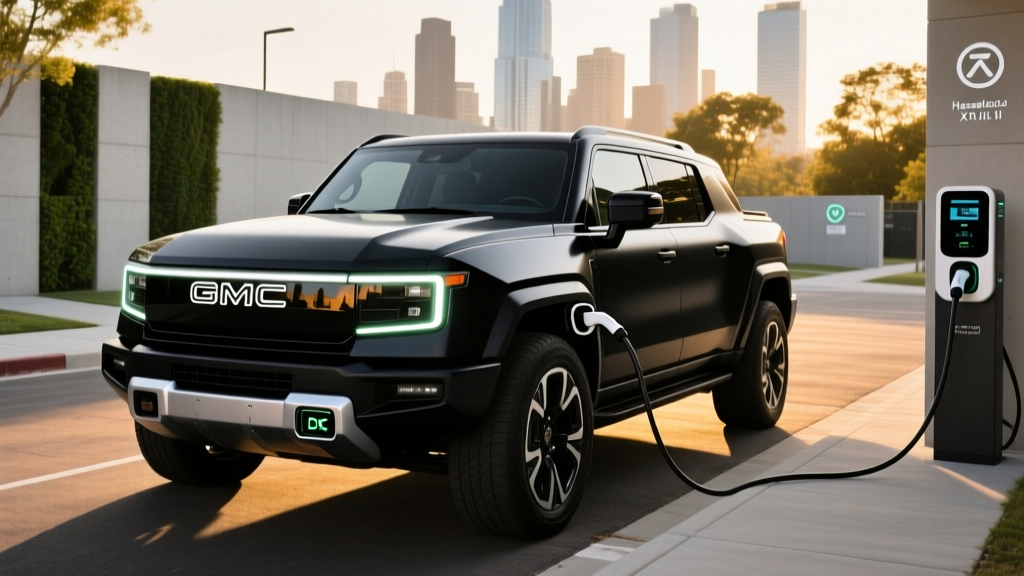
- Minimize DC fast charging when possible: Occasional Supercharger / Electrify America sessions are fine, but daily 150+ kW fast charging accelerates degradation by an estimated 1–2% additional per year vs. Level 2 home charging. The heat generated at high C-rates stresses cells.
- Precondition before fast charging: Most 2026 EVs automatically warm the battery when you navigate to a DC fast charger. If yours doesn't, drive for 15–20 minutes before plugging in at high power. A cold battery charging at 150 kW suffers lithium plating — permanent capacity loss.
- Extreme heat is worse than extreme cold: Sustained ambient temperatures above 95°F with high SoC is the worst-case degradation scenario. If you live in Phoenix or Houston, keep SoC below 80% during summer months and park in shade when possible.
- Don't let it sit at 0% or 100% for weeks: If storing the vehicle, aim for 50% SoC. Modern BMS systems manage this reasonably well, but a pack sitting at 100% in a hot garage for a month will lose measurable capacity.
- Use Level 2 home charging as your baseline: A 7–11 kW home charger generates minimal heat compared to DC fast charging and is the gentlest way to recharge a battery daily.
The data supports these habits. Geotab's fleet analysis found that vehicles fast-charging more than three times per week showed an average 1.5% additional annual degradation compared to those primarily using Level 2. That's not catastrophic — it's the difference between 85% and 83.5% SoH after eight years — but it compounds.
How to Check and Monitor Battery Health (SoH)
State of Health is the metric that tells you how much of your original capacity remains. Here's how to access it in 2026 vehicles:
- In-vehicle displays: Tesla shows battery health percentage in the Service menu (Software > Battery Health). Hyundai/Kia provides a battery condition indicator in the EV settings menu. BMW displays SoH through the iDrive system's battery information screen.
- OBD-II diagnostic tools: Devices like the OBDLink SX paired with apps such as EVbatmon or LeafSpy (for Nissan) read real-time SoH, cell voltage variance, and pack temperature. Cost: $30–$80 for the adapter plus a free or low-cost app.
- Dealer diagnostics: Any authorized service center can pull a full battery health report. Request this annually and keep records — they're essential for warranty claims and resale value.
- Third-party services: Companies like Recurrent Auto offer battery health reports based on telematics data, often free for members. These are increasingly used by used-EV buyers to verify SoH before purchase.
Track your SoH every 6–12 months. A healthy battery degrades roughly 2–3% in year one (the initial "break-in" drop), then settles to 1–2% annually. If you see a sudden drop of 5%+ in a short period, that's a warranty-worthy event — document it and contact your dealer immediately.
What's Next: Solid-State, Silicon Anodes, and Realistic Timelines
The battery landscape is shifting, but separating announced technology from showroom reality is essential for buyers making decisions today.
Solid-state batteries replace the liquid electrolyte with a solid material, promising higher energy density (~400+ Wh/kg), faster charging, and improved safety. Toyota has announced a solid-state EV for 2027–2028 with a claimed 460-mile range and 10-minute 10–80% charging. Samsung SDI and QuantumScape are also advancing solid-state cells with pilot production underway. However, manufacturing scale and cost remain unsolved challenges. Expect limited availability in premium models starting 2028–2029, with mainstream adoption not likely before 2031–2032.
Silicon anode technology is closer to market. Companies like Sila Nanotechnologies and Group14 are supplying silicon-dominant anode materials that boost energy density by 20–40% over current graphite anodes. The Mercedes G-Class EV (announced for 2026–2027) is expected to be among the first production vehicles using silicon anode cells. This is a meaningful near-term improvement, not a revolution — but it will extend range without increasing pack size.
Sodium-ion batteries are entering the market in lower-cost, shorter-range applications. CATL has begun shipping sodium-ion packs for Chinese-market EVs, with energy density around 140–160 Wh/kg. These won't replace lithium-ion in long-range vehicles but could enable sub-$25,000 EVs with 150–200 miles of range within 2–3 years.
None of these technologies should delay a 2026 purchase. Current lithium-ion packs are mature, well-warrantied, and demonstrably long-lasting. The next-generation chemistries will arrive incrementally, not as a sudden obsolescence event for today's EVs.
Frequently Asked Questions
How long do EV batteries last in years and miles?
Based on 2026 fleet data, expect 15–20 years or 200,000+ miles before a battery drops below 70% State of Health under normal use. Most EV batteries will outlast the rest of the vehicle's mechanical and cosmetic life. The 8-year / 100,000-mile federal warranty minimum is a floor, not a ceiling — most packs are still above 85% capacity at that point.
How much does it cost to replace an EV battery in 2026?
Between $6,500 and $25,000 depending on pack size and vehicle, with most mid-size EVs (70–85 kWh) in the $10,000–$16,000 range including labor. Refurbished packs cost 30–50% less. However, the vast majority of owners never need a replacement — battery failure before 150,000 miles is statistically rare in modern liquid-cooled packs. For current incentive and warranty rules, refer to IRS.gov's clean vehicle credits page.
What does the battery warranty actually cover?
The federal minimum is 8 years / 100,000 miles against defects and capacity loss below 70% of original (some manufacturers use slightly different thresholds). It covers the high-voltage traction battery — not the 12V auxiliary battery. It does not cover damage from accidents, flooding, or aftermarket modifications. CARB states (California and those following CARB rules) mandate 10 years / 150,000 miles. Always keep service records and SoH readings as documentation.
How do I check my EV battery health?
Use your vehicle's built-in battery health display (Tesla, Hyundai, BMW all provide one), an OBD-II adapter with an EV-specific app like EVbatmon or LeafSpy, or request a dealer diagnostic report. Check SoH every 6–12 months and after any unusual range drop. Consistent tracking gives you early warning of abnormal degradation and the documentation needed for a warranty claim.
LFP vs NMC — which battery chemistry is better for me?
Choose LFP if you want maximum cycle life, plan to charge to 100% daily, prioritize lower cost, and don't need the absolute longest range per charge. LFP is ideal for daily commuters with home charging. Choose NMC/NCA if you need maximum range per kWh (road trips, towing, larger vehicles), want better cold-weather efficiency, and are willing to manage SoC by charging to 80% daily. Neither chemistry is universally "better" — the right choice depends on your driving pattern and charging access. For efficiency comparisons across models, see the EPA's EV side-by-side tool on fueleconomy.gov.
Does fast charging damage my battery?
Occasional DC fast charging (1–2 sessions per week) has minimal measurable impact on modern liquid-cooled packs. Daily fast charging at 150+ kW adds approximately 1–2% additional annual degradation compared to Level 2 charging, according to Geotab fleet data. The real risk is fast charging a cold battery without preconditioning — this can cause lithium plating, which is permanent. Always let your vehicle's navigation-based preconditioning warm the pack before a high-power session.