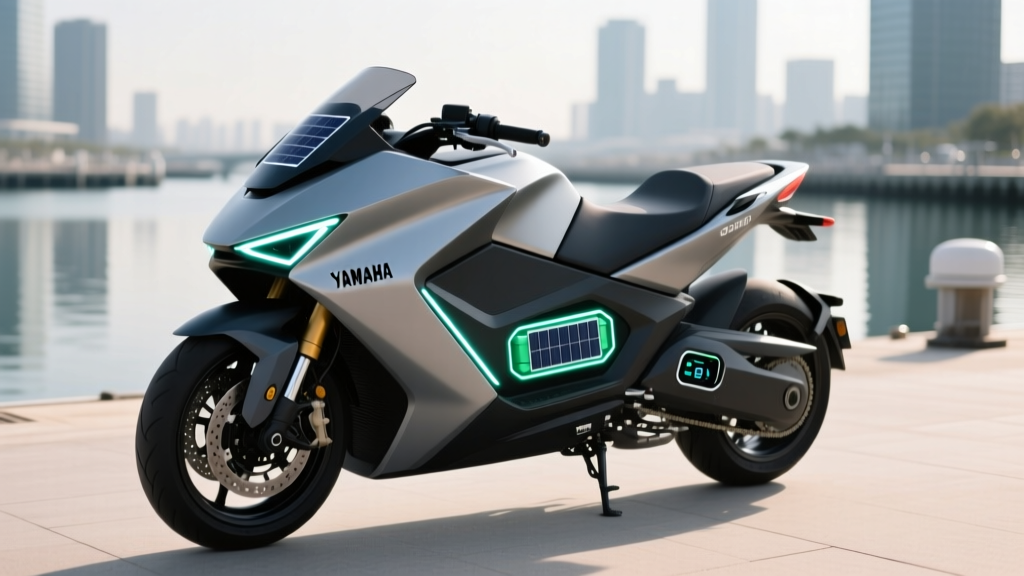
If you've been searching for an electric waverunner, the short answer in 2026 is that the market is still extremely limited. Yamaha's electric personal watercraft (PWC) concepts have been shown at marine expos, and brands like Taiga Motors have introduced electric PWCs like the Orca (~$24,000, ~1.5–2 hours ride time, ~60 kWh battery). However, no major manufacturer currently sells a full-size electric Waverunner at scale through US dealers. If you need an electric PWC today, Taiga Orca is the closest production option; if you want a Yamaha-branded Waverunner, you'll be on gas for now.
Quick Verdict: Electric Waverunner in 2026
- Available production electric PWC: Taiga Orca (~$24,000, ~2 hr runtime, 60 kWh battery)
- Yamaha electric Waverunner: Announced concepts, no US retail availability yet
- Gas Waverunner baseline: $10,000–$18,000 MSRP, 110–250 HP, 2–4 hr tank
- Best for: Lake-only riders where gas PWCs are banned or noise-restricted
What an Electric Waverunner Actually Is (and Isn't)
An electric waverunner — generically, an electric personal watercraft — swaps the gasoline engine and fuel tank for a lithium-ion battery pack and electric motor. The term "Waverunner" is Yamaha's trademark, but it's used colloquially for any sit-down PWC (like "Jet Ski" for Kawasaki). Electric PWCs promise quiet operation, zero on-water emissions, no winterization fuel stabilizer, and dramatically lower per-hour running costs. The trade-offs are real: higher upfront price, limited ride duration, and longer "refueling" times.
Marine electrification lags automotive by roughly 5–7 years. Where EVs now routinely offer 250–400 miles of EPA range and 150–350 kW DC fast charging, electric PWCs are constrained by hull volume, weight distribution, and the absence of a marine fast-charging network. You're charging at the dock or in your garage — typically on Level 2 (240V, ~7–11 kW) or standard Level 1 (120V, ~1.5 kW).
Electric vs Gas PWC: The Numbers Side-by-Side
Here's how a production electric PWC (Taiga Orca, the only widely available model) compares to a mid-range gas Waverunner like the 2026 Yamaha VX Cruiser:
| Spec | Taiga Orca (Electric) | Yamaha VX Cruiser (Gas) |
|---|---|---|
| Base MSRP | ~$24,000 | ~$13,500 |
| Motor / Engine | ~180 HP electric | ~180 HP, 1,812cc 4-cyl |
| Energy Capacity | ~23 kWh usable (NMC) | ~18.5 gal fuel tank |
| Ride Time (mixed use) | ~1.5–2 hours | ~3–4 hours |
| Top Speed | ~65 mph | ~65 mph |
| 0–30 mph | ~3.0 sec | ~3.5 sec |
| "Refuel" Time (full) | ~2–3 hr (Level 2, 240V) | ~3 min (gas pump) |
| Energy Cost / Hour | ~$1.50–$3.00 (at $0.15/kWh) | ~$12–$18 (at $4.00/gal) |
| Annual Maintenance | ~$100–$200 | ~$400–$800 |
| Weight | ~850 lb | ~780 lb |
| Noise Level | ~65 dB | ~85–95 dB |
Sources: Taiga Motors official specs; Yamaha Waverunners 2026 lineup.
Real Cost of Ownership: Electric vs Gas PWC Over 5 Years
The sticker shock of an electric PWC is real — roughly $10,000 more upfront than a comparable gas model. But the operating cost gap closes surprisingly fast if you ride frequently. Here's a realistic 5-year breakdown assuming 50 hours of riding per year (a typical enthusiast):
| Category | Electric PWC (Taiga Orca) | Gas Waverunner (VX Cruiser) |
|---|---|---|
| Purchase Price | $24,000 | $13,500 |
| Fuel / Energy (5 yr, 50 hr/yr) | $500–$750 | $3,000–$4,500 |
| Maintenance (5 yr) | $500–$1,000 | $2,000–$4,000 |
| Winterization (5 yr) | $0 (no engine) | $750–$1,500 |
| Insurance (5 yr avg) | $3,000–$4,500 | $2,500–$4,000 |
| 5-Year Total | ~$28,000–$30,250 | ~$21,750–$27,500 |
At 50 hours/year, the electric PWC still costs more over 5 years — but the gap narrows to $1,000–$3,000. At 100+ hours/year or with higher local gas prices, the electric option can break even. Beyond year 5, the battery becomes the wild card: NMC marine packs are warrantied for ~1,000 cycles (roughly 5–7 years of heavy use), and replacement can run $6,000–$10,000.
Charging an Electric PWC: What You Actually Need
Unlike EVs, which can tap a growing DC fast-charging network, electric PWCs are almost exclusively charged at home or at the dock. Here's what that looks like:
- Level 1 (120V, standard outlet): ~1.5 kW — adds roughly 8–10% battery per hour. A full charge takes 12–16 hours. Practical only for overnight top-offs.
- Level 2 (240V, 30–50A): ~7–11 kW — full charge in 2–3 hours. This is the realistic standard. Requires a NEMA 14-50 outlet or hardwired marine-rated station.
- DC Fast Charging: Not widely available on current electric PWCs. Taiga has discussed future compatibility, but no marine DC network exists.
Common Electric PWC Myths vs Facts
| Myth | Fact |
|---|---|
| "It'll run all day like a gas PWC" | Expect 1.5–2 hours of mixed riding; aggressive throttle cuts this to ~60–80 minutes. |
| "You can charge it at the lake" | Most public marinas lack 240V PWC-specific charging. Plan to charge at home before/after. |
| "No maintenance means no costs" | Battery degradation, impeller inspection, hull care, and trailer upkeep still apply. |
| "Federal EV tax credit covers it" | The IRS §30D credit applies to highway-capable vehicles, not PWCs. No federal tax credit for electric watercraft as of 2026. |
| "Cold water kills the battery" | Cold reduces range ~10–15%, similar to EVs. Store and charge in a temperature-controlled space when possible. |
Who Should (and Shouldn't) Buy an Electric Waverunner
Electric PWCs aren't for everyone — yet. The decision comes down to where you ride, how long you ride, and how you feel about the upfront premium.
Decision Framework: Is an Electric PWC Right for You?
- Choose electric if:
- You ride on lakes with noise restrictions or gas-engine bans (common in parts of California, New York's Adirondacks, and European lakes)
- You have reliable 240V charging at home or your dock
- Your typical session is under 2 hours
- You value near-silent operation for wildlife areas or family-friendly coves
- You want minimal winterization and no fuel-system maintenance
- Stick with gas if:
- You ride on open ocean, large reservoirs, or multi-hour touring routes
- You trailer to different lakes and can't guarantee 240V access
- Budget is under $15,000
- You need 3+ hours of continuous runtime without mid-day charging
- You want broad dealer support and easy parts sourcing
What First-Time Electric PWC Buyers Need to Know
If you've decided an electric PWC fits your use case, here are the ownership realities that don't appear on the spec sheet:
- Plan your charging infrastructure first. A 240V/50A circuit to your garage or dock costs $800–$2,500 installed by a licensed electrician. Confirm your panel has capacity — older homes may need a $1,500–$3,000 panel upgrade.
- Trailer charging matters. Some owners charge the PWC while it's on the trailer in the garage. Ensure your trailer setup allows cable access to the charge port without unhooking.
- Insurance is higher (for now). Electric PWCs are still rare enough that some insurers classify them as "specialty" craft, pushing premiums 15–30% above gas equivalents. Shop quotes from Markel, Progressive, and GEICO Marine before purchasing.
- Battery warranty is everything. Ask for the written warranty terms: cycle count, capacity retention threshold (typically 70–80% at 1,000 cycles), and whether labor is included in replacement. This is the single biggest long-term cost risk.
- No federal tax credit applies. The IRS §30D clean vehicle credit covers highway-capable four-wheel vehicles. PWCs, boats, and off-road vehicles are excluded. Some states (notably California via CARB programs) have offered marine electrification rebates — check your state's environmental agency.
- Resale value is uncertain. The used electric PWC market is too thin to predict depreciation confidently. Gas PWCs typically retain 55–65% of value after 5 years; electric could outperform (if demand grows) or underperform (if battery replacement scares buyers).
The Bottom Line on Electric Waverunners in 2026
The electric PWC category is real but early. Taiga Orca is the only production model widely available, and Yamaha's electric Waverunner remains in the concept/preview stage. For lake riders with home charging and sub-2-hour sessions, an electric PWC delivers a genuinely better experience: silent, torque-rich, and cheap to run. For everyone else, a gas Waverunner remains the practical, affordable, and proven choice. If you're not in a hurry, waiting 2–3 model years will likely bring more competition, better range, and clearer resale data.
Frequently Asked Questions
Does Yamaha make an electric Waverunner in 2026?
Not yet for retail sale. Yamaha has shown electric PWC concepts at marine shows and filed related patents, but no production electric Waverunner is available through US dealers as of 2026. The closest purchasable electric PWC is the Taiga Orca.
How long does an electric PWC battery last on the water?
Expect 1.5–2 hours of mixed riding on a full charge (Taiga Orca's ~23 kWh pack). Aggressive, full-throttle riding can reduce this to 60–80 minutes. Cold water (below 55°F) may reduce runtime by 10–15%.
Can I charge an electric PWC at a public marina?
Rarely. Most marinas do not offer PWC-specific 240V charging. Some forward-thinking docks in California and the Pacific Northwest have begun installing marine EVSE, but plan to charge at home. A full Level 2 home charge takes ~2–3 hours.
Is an electric PWC cheaper to own than a gas Waverunner?
Over 5 years at 50 hours/year, total cost of ownership is roughly comparable — the electric PWC's higher purchase price is partially offset by lower fuel and maintenance costs. At 100+ hours/year, electric can break even or save money, provided battery replacement isn't needed within the ownership window.
Do electric PWCs qualify for the $7,500 federal EV tax credit?
No. The IRS §30D credit applies only to highway-capable four-wheeled vehicles meeting specific MSRP, income, and battery-sourcing requirements. Personal watercraft, boats, and off-road vehicles are excluded. Check your state's environmental or energy agency for any local marine electrification incentives.
What happens if the battery dies on the water?
Electric PWCs have a reserve buffer (typically 5–10% of pack capacity) that provides low-speed return-to-shore capability. However, unlike a gas PWC that can be refueled from a jerry can, a depleted electric PWC must be towed back to a charger. Always monitor your state of charge and plan a conservative return margin.