Quick Answer: Can You Buy an Electric VW Golf in the US?
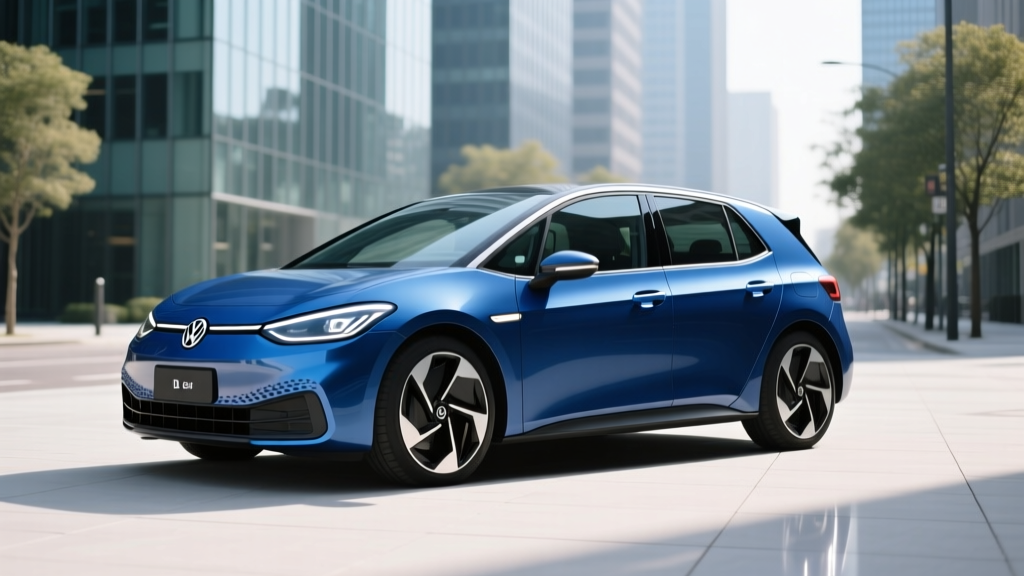
If you are searching for an electric VW Golf in the United States, your options depend on whether you want a new or used vehicle. Volkswagen discontinued the US-spec e-Golf after the 2019 model year. As of 2026, VW does not sell a new electric Golf or ID.3 in the American market — the ID.4 crossover and ID. Buzz van are VW's current US electric offerings. However, the used e-Golf (2015–2019) remains one of the most affordable entry points into EV ownership, and the ID.3 continues to sell in Europe with up to 340 miles of WLTP range. This guide covers real-world specs, costs, and ownership realities for both models so you can decide whether a used e-Golf or an imported/alternative EV makes sense for your situation.
The Electric VW Golf Lineup: What Exists in 2026
Volkswagen produced two distinct electric Golf vehicles that matter to buyers:
- e-Golf (2015–2019 US): A battery-electric version of the Mk7 Golf built on the same MQB platform as the gas model. It was sold new in the US through 2019.
- ID.3 (2020–present, Europe only): VW's dedicated electric hatchback on the MEB platform, positioned as the spiritual successor to the e-Golf. Not officially sold in the US market.
The gas-powered Golf also ended US sales after 2021 (the GTI and Golf R continue). So if you want a Golf hatchback in America today, you are looking at the used market — and the e-Golf is the only electrified option.
| Spec | e-Golf (2017–2019) | ID.3 Pro S (Europe, 2025) |
|---|---|---|
| Battery (usable) | 35.8 kWh (NMC) | 77 kWh (NMC) |
| EPA / WLTP Range | 125 mi (EPA) | ~340 mi (WLTP) / ~280 mi est. EPA |
| Motor Output | 134 hp / 214 lb-ft | 201 hp / 229 lb-ft |
| 0–60 mph | ~9.6 sec | ~7.9 sec |
| DC Fast Charge Peak | 50 kW (CCS) | 170 kW (CCS) |
| 10–80% DCFC Time | ~43 min | ~28 min |
| Level 2 Charge Rate | 7.2 kW | 11 kW |
| Connector | CCS1 | CCS2 (Type 2 in EU) |
| Battery Warranty (orig.) | 8 yr / 100,000 mi | 8 yr / 99,420 mi (160,000 km) |
| Original MSRP | $38,995–$41,495 | €43,950 (~$48,000) |
Real-World Range: What the EPA Number Doesn't Tell You
The 2017–2019 e-Golf carries an EPA-estimated 125-mile range, which was competitive for an affordable EV at the time (the Nissan Leaf offered 107–151 miles depending on year and battery). But real-world results vary significantly.
EPA Sticker: 125 miles
Real-World Expectations:
- Mild weather, city/mixed driving: 110–125 miles (regen braking helps in stop-and-go)
- Highway at 70 mph: 95–110 miles (aerodynamic drag dominates at speed)
- Cold weather (below 32°F): 80–100 miles — expect 20–35% range loss due to battery chemistry limitations and cabin heating demands
- With battery degradation (8-year-old pack): Subtract 5–12% from the above figures depending on charging history and climate
Source: fueleconomy.gov — 2019 VW e-Golf
The e-Golf lacks a heat pump (it uses resistive PTC heating), which means winter range loss is more pronounced than in modern EVs equipped with heat-pump HVAC systems. If you live in a cold climate and commute more than 60 miles round-trip, the e-Golf will require careful planning — or midday charging access.
For context, the European ID.3 Pro S with its 77 kWh battery delivers roughly 280 miles in real-world mixed driving (estimated EPA equivalent), which is competitive with the Chevrolet Bolt EV (259 mi EPA) and base Tesla Model 3 (272 mi EPA). But again, this model is not available in the US.
Charging the Electric VW Golf: Speeds, Connectors, and Costs
Understanding the difference between kW (power — how fast energy flows) and kWh (energy — how much the battery holds) is essential for evaluating charge times.
| Level | Power | Miles Added per Hour | Full Charge Time | Where |
|---|---|---|---|---|
| Level 1 (120V) | ~1.2 kW | ~4–5 mi/hr | ~30 hours | Standard outlet |
| Level 2 (240V) | 7.2 kW | ~25–28 mi/hr | ~5.5 hours | Home wallbox, public L2 |
| DC Fast (CCS) | 50 kW peak | ~150–180 mi/hr (at peak) | ~43 min (10–80%) | Public DCFC stations |
The e-Golf's 50 kW DC fast-charging peak is its biggest ownership limitation in 2026. Modern EVs charge at 150–350 kW, meaning a 10–80% session takes 18–25 minutes. The e-Golf will keep you at a rest stop for roughly 45 minutes. The charge curve also tapers significantly above 80% SoC to protect battery health, so charging to 100% on DCFC is not time-efficient.
Home charging cost: With the US average electricity rate of ~$0.16/kWh (EIA data), fully charging the e-Golf's 35.8 kWh battery costs roughly $5.73 — enough for about 125 miles. That works out to ~$0.046 per mile.
Gas Golf comparison: A 2019 gas Golf (1.4T, 29 mpg combined) burning fuel at $3.40/gallon costs ~$0.117 per mile. The e-Golf saves roughly $0.07 per mile on energy, or about $700/year at 10,000 miles annually.
Cost Breakdown: e-Golf vs. Gas Golf Ownership
The used e-Golf is one of the cheapest EVs you can buy in 2026. Here's how the economics stack up against a comparable used gas Golf.
| Category | 2019 e-Golf (Used) | 2019 Golf 1.4T (Used) |
|---|---|---|
| Purchase Price (avg.) | $13,000–$17,000 | $16,000–$20,000 |
| Federal Used EV Credit (§25E) | Up to $4,000 (30% of sale price, max $4,000) | $0 |
| Effective Purchase Price | $9,000–$13,000 | $16,000–$20,000 |
| Fuel / Electricity (5 yr, 10k mi/yr) | ~$2,865 | ~$5,860 |
| Maintenance (5 yr) | ~$1,200 (no oil changes, less brake wear) | ~$2,800 |
| Insurance (5 yr avg.) | ~$6,500 | ~$5,800 |
| Estimated Depreciation | ~$5,000 | ~$6,500 |
| 5-Year Total | ~$24,565–$28,565 | ~$36,960–$40,960 |
Tax credit note: The IRS §25E used EV credit provides 30% of the sale price up to $4,000 for qualifying used EVs. Requirements include: sale price ≤$25,000, buyer income ≤$75,000 (single) or $150,000 (joint), vehicle at least 2 model years old, purchased from a licensed dealer. Always confirm eligibility with a tax professional — rules can change annually.
The e-Golf's lower maintenance costs come from fewer moving parts: no engine oil, spark plugs, timing belt, or exhaust system. Brake pads last significantly longer thanks to regenerative braking handling most deceleration.
EV vs. Gas: Head-to-Head Comparison
| Metric | e-Golf (Electric) | Golf 1.4T (Gas) |
|---|---|---|
| Powertrain | Single electric motor, 134 hp | 1.4L turbo I4, 147 hp |
| Range / Tank | 125 mi (EPA) | ~370 mi (13.2 gal × 29 mpg) |
| Efficiency | 119 MPGe combined / 29 kWh/100mi | 29 mpg combined |
| 0–60 mph | 9.6 sec | 7.7 sec |
| Cargo Volume | 22.8 cu ft | 22.8 cu ft |
| Energy Cost per Mile | ~$0.046 | ~$0.117 |
| Refuel / Recharge Time | 5.5 hr (L2) / 43 min (DCFC) | ~5 min |
| Emissions (tailpipe) | None | ~404 g CO₂/mi |
The gas Golf wins on range, refueling speed, and acceleration. The e-Golf wins on operating cost, smoothness, and urban driving feel (instant torque from 0 rpm makes it feel quicker than its 9.6-second 0–60 suggests). For city commuters with home charging, the e-Golf is the superior daily driver. For road-trippers or those without reliable charging access, the gas Golf remains more practical.
Common Misconceptions About the Electric VW Golf
| Myth | Fact |
|---|---|
| "The e-Golf battery will need expensive replacement soon." | VW's NMC battery is warranted for 8 years/100,000 miles at 70% capacity. Real-world data shows most e-Golf packs retain 88–93% capacity after 5 years. A full replacement runs $6,000–$9,000, but is rarely needed before 150,000+ miles. |
| "You can buy a new ID.3 in the US." | VW has not announced US ID.3 sales as of 2026. The ID.4 crossover is the closest US-market equivalent. Grey-market imports face EPA/DOT certification barriers. |
| "125 miles of range is unusable." | The average US commute is ~32 miles round-trip (FHWA data). The e-Golf covers this easily with home charging. Range matters most for longer or unpredictable trips. |
| "EV insurance is always dramatically higher." | The e-Golf's insurance premium runs 10–15% higher than a gas Golf on average — roughly $10–$15/month more. Shop quotes from multiple providers; some insurers offer EV-specific discounts. |
| "The e-Golf can use Tesla Superchargers." | The e-Golf uses CCS1. As of 2026, Tesla has opened some Supercharger stalls to CCS vehicles via the Magic Dock adapter, but coverage is limited and speeds may be capped. Electrify America and EVgo remain the primary DCFC networks for CCS vehicles. |
Battery Health and Longevity: What Used Buyers Must Check
When buying a used e-Golf, battery State of Health (SoH) is the single most important factor. Here's what to look for:
- OBD-II scan: Use an app like Carista or OBDeleven to read the battery's actual capacity vs. original. Look for SoH above 85%.
- Charging history: Previous owners who relied heavily on DC fast charging or regularly charged to 100% may have accelerated degradation.
- Climate exposure: Cars from hot climates (Arizona, Texas) may show slightly more degradation than those from moderate climates. Extreme heat stresses NMC chemistry more than moderate cold.
- Warranty transfer: VW's 8-year/100,000-mile battery warranty is transferable to subsequent owners. A 2019 e-Golf is covered through 2027 or 100,000 miles, whichever comes first.
Decision Framework: Should You Buy an Electric VW Golf?
Buy the used e-Golf if:
- Your daily round-trip commute is under 70 miles
- You have access to Level 2 home charging (garage or driveway with 240V circuit)
- You live in a mild-to-moderate climate (or accept winter range reduction)
- You want the cheapest possible entry into EV ownership (~$9,000–$13,000 after credit)
- You value a refined, quiet, hatchback-practical daily driver
- You rarely take road trips over 150 miles (or have a second gas car)
Look elsewhere if:
- You need 200+ miles of range for commuting or road trips — consider a used Chevy Bolt EV (259 mi, ~$14,000–$18,000) or Hyundai Kona Electric (258 mi)
- You lack home or workplace charging — the e-Golf's 50 kW DCFC and 125-mile range make public-charging-only ownership frustrating
- You live in a cold climate with commutes over 50 miles — winter range drops to ~80–100 miles
- You want a new vehicle with warranty — the ID.4 ($39,735 MSRP, 275 mi range) is VW's current US electric option
- You want faster charging — newer EVs like the Hyundai Ioniq 5 (peak 240 kW, 10–80% in 18 min) dramatically reduce road-trip downtime
Frequently Asked Questions
Is VW bringing the ID.3 or an electric Golf to the US?
As of early 2026, Volkswagen has not confirmed US sales of the ID.3 or a new electric Golf. VW's US electric strategy centers on the ID.4 crossover and ID. Buzz van. VW Group CEO Thomas Schäfer confirmed in 2024 that an ID.2-based electric hatchback is in development for Europe, but a US launch has not been announced. Monitor VW's US press site for updates.
How much does a used e-Golf cost in 2026?
Used 2017–2019 e-Golfs typically list between $13,000 and $17,000 depending on mileage, condition, and market. After the §25E used EV credit (up to $4,000 for qualifying buyers purchasing from a dealer at ≤$25,000), effective cost can drop to $9,000–$13,000. Check IRS.gov §25E for current eligibility rules.
Can I charge the e-Golf at home on a regular outlet?
Yes, but Level 1 (120V) charging adds only ~4–5 miles of range per hour. A full charge from empty takes roughly 30 hours. For daily use, Level 1 works if you drive under 40 miles per day and plug in overnight. For faster turnaround, a Level 2 (240V) home charger installation costs $800–$2,500 depending on panel capacity and wiring distance.
How does the e-Golf perform in winter?
Expect 20–35% range loss in temperatures below freezing. The 125-mile EPA range drops to roughly 80–100 real-world miles. The e-Golf uses resistive cabin heating (no heat pump), which draws significant battery power. Preconditioning the cabin while plugged in helps preserve range. Heated seats (available on SEL trim) use less energy than cabin air heating.
What's the difference between the e-Golf and a plug-in hybrid Golf GTE?
The Golf GTE (sold in Europe, limited US availability in 2016–2018) pairs a 1.4L gas engine with a small battery for ~31 miles of electric-only range. It offers the flexibility of gas for longer trips but adds powertrain complexity (two systems to maintain). The e-Golf is simpler and cheaper to operate daily but lacks the range safety net. For most US buyers, the GTE's scarcity makes the e-Golf the more practical choice on the used market.
Is the e-Golf eligible for any tax credits?
The e-Golf is no longer eligible for the new-vehicle §30D credit (it was discontinued before current rules took effect). However, it is eligible for the §25E used clean vehicle credit — up to $4,000 or 30% of the sale price, whichever is less — if purchased from a licensed dealer at or below $25,000 by a qualifying-income buyer. Always verify current rules on IRS.gov and consult a tax professional.