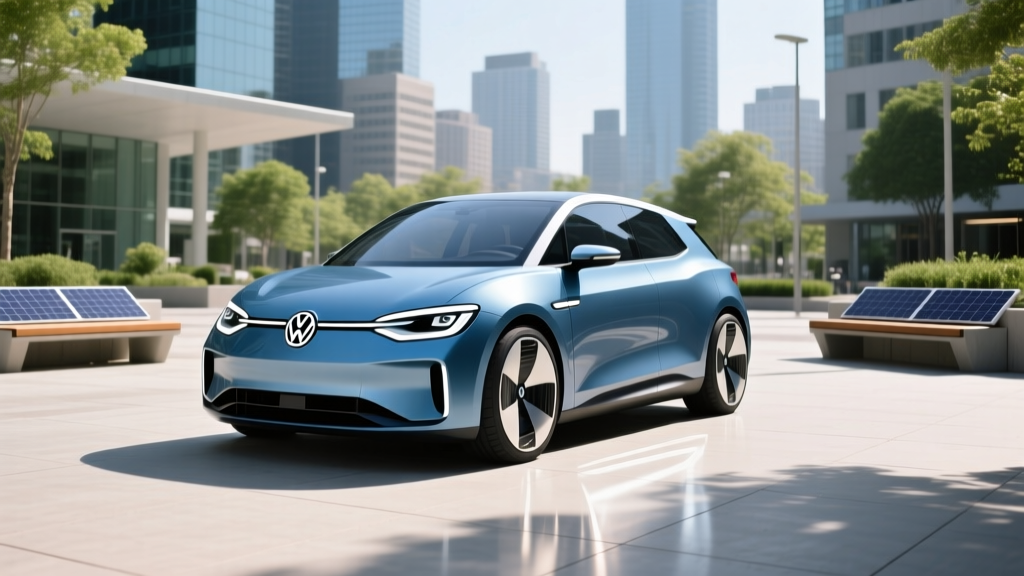
Quick Answer: There is no factory-built electric Volkswagen Beetle (Bug) available from Volkswagen in 2026. The original Beetle was discontinued in 2019, and VW has not announced an electric successor. However, buyers searching for an "electric Volkswagen Bug" typically fall into three camps: (1) those looking for VW's retro-styled ID. Buzz electric van (starting at ~$59,995), (2) those interested in aftermarket EV conversions of classic Beetles ($30,000–$70,000+), or (3) those confusing the Beetle with VW's current EV lineup like the ID.4 (starting at ~$39,995). Below, we break down exactly what's available, the real costs, and how to decide which path makes sense.
Why There Is No Electric Volkswagen Bug From the Factory
Volkswagen ended production of the Beetle in July 2019 after decades of on-and-off manufacturing. When VW pivoted its strategy toward electrification under the ID. family banner, the company chose to build modern crossover and van platforms rather than revive the Beetle nameplate as an EV.
The closest thing VW has offered to a spiritual electric successor is the ID. Buzz, a retro-styled electric microbus that channels the classic VW Type 2 (the Bus/Microbus), not the Beetle. VW executives have occasionally hinted at nostalgia-driven EV concepts, but as of 2026, no electric Beetle has been announced, previewed, or teased in any official capacity.
This means anyone searching for an "electric Volkswagen Bug" is looking at either a different VW model, a third-party conversion, or a vehicle that doesn't exist yet. Let's cover what's actually purchasable.
VW ID. Buzz: The Retro Electric VW You Can Actually Buy
If the appeal of an "electric Volkswagen Bug" is retro VW styling combined with modern EV technology, the 2025/2026 VW ID. Buzz is the only factory option. Here are the numbers that matter:
| Spec | ID. Buzz (RWD) | ID. Buzz (4Motion AWD) |
|---|---|---|
| Base MSRP | $59,995 | $63,495 |
| EPA Range | 234 miles | 216 miles |
| Battery (usable) | 86 kWh (NMC) | 86 kWh (NMC) |
| Horsepower | 282 hp | 335 hp |
| 0–60 mph | ~7.9 sec | ~6.5 sec |
| Peak DC Fast Charge | 200 kW | 200 kW |
| 10–80% DC Charge | ~26 min | ~26 min |
| Level 2 Charge Rate | 11 kW | 11 kW |
| MPGe (combined) | 87 MPGe | 82 MPGe |
| Powertrain Warranty | 8 yr / 100,000 mi | 8 yr / 100,000 mi |
Real-World Range Check: The ID. Buzz's EPA rating of 234 miles (RWD) drops noticeably in practice. Expect roughly 190–210 miles at sustained highway speeds (70+ mph), and as low as 160–175 miles in freezing temperatures. The boxy shape creates significant aerodynamic drag, which is the primary range penalty versus sleeker EVs.
Classic Beetle EV Conversions: The Custom Route
Several aftermarket shops specialize in converting classic Volkswagen Beetles (1950s–1970s) to electric power. Companies like Zelectric Motors, eClassics, and independent EV conversion garages offer turnkey builds or kits. Here's what the economics look like:
| Factor | Classic Beetle EV Conversion | VW ID. Buzz (New) | VW ID.4 (New) |
|---|---|---|---|
| Vehicle Cost | $15,000–$35,000 (donor car) | $59,995 | $39,995 |
| Conversion / Purchase | $20,000–$40,000 (parts + labor) | — | — |
| Total Cost | $35,000–$75,000+ | $59,995 | $39,995 |
| Typical Range | 60–120 miles | 234 miles | 275 miles |
| DC Fast Charging | Rarely available | 200 kW | 175 kW |
| Warranty | None / shop warranty only | 8 yr / 100k mi | 8 yr / 100k mi |
| Federal Tax Credit | Not eligible (§30D = new EVs only) | Check §30D eligibility | Check §30D eligibility |
| Safety Features | 1960s-era (no airbags, ABS optional) | Full ADAS suite | Full ADAS suite |
Conversions appeal to enthusiasts who want the classic Beetle aesthetic with zero tailpipe emissions, but the trade-offs are significant: limited range, no DC fast charging on most builds, no modern safety equipment, and no eligibility for the federal §30D clean vehicle credit, which applies only to new qualifying EVs.
EV vs Gas: What a Beetle-Type EV Costs to Run
Whether you're weighing an ID. Buzz, an ID.4, or a converted Beetle against a gasoline compact car, the operating economics matter. Here's a comparison using the ID. Buzz versus a gasoline compact SUV averaging 28 MPG combined:
| Cost Factor (5 years / 75,000 mi) | VW ID. Buzz (RWD) | Gas Compact SUV (28 MPG) |
|---|---|---|
| Fuel / Electricity | $3,750 (home charging at $0.14/kWh) | $9,375 ($3.50/gal) |
| Maintenance | $1,800 (tires, cabin filter, fluid top-offs) | $4,500 (oil, filters, brakes, belts) |
| Insurance (avg) | $9,000 | $7,200 |
| Estimated 5-Yr Operating Cost | ~$14,550 | ~$21,075 |
| Upfront Purchase Price | $59,995 | $32,000 |
The EV saves roughly $6,500 in operating costs over five years, but the upfront price gap of ~$28,000 takes many years to recoup purely on fuel and maintenance savings. This is the core tension of EV ownership for budget-conscious buyers: the total cost of ownership (TCO) math only works if you keep the vehicle long enough or if a tax credit narrows the gap.
Federal Tax Credit Reality for VW EVs in 2026
The IRS §30D clean vehicle credit offers up to $7,500 for qualifying new EVs, but eligibility hinges on several factors that change frequently:
- MSRP Cap: Vans/SUVs must be under $80,000; sedans under $55,000
- Buyer Income Cap: AGI must not exceed $150,000 (single) / $300,000 (joint)
- Battery Sourcing: Critical minerals and battery components must meet escalating domestic-content thresholds
- Point-of-Sale Transfer: Qualified buyers can apply the credit at the dealership to reduce the purchase price directly
- Final Assembly: Vehicle must be assembled in North America
The ID. Buzz is assembled in Hannover, Germany, which currently disqualifies it from the §30D credit's North American final-assembly requirement. The ID.4 sold in the U.S. is assembled in Chattanooga, Tennessee, making it potentially eligible — but battery-sourcing rules must also be satisfied. Always verify current eligibility on fueleconomy.gov before purchasing, as the qualifying vehicle list updates regularly.
What First-Time EV Buyers Should Know Before Chasing Nostalgia
If the search for an "electric Volkswagen Bug" is your entry point into EVs, here are the practical ownership realities that apply to any electric vehicle purchase:
Home charging is essential for most owners. Level 1 charging (120V household outlet) adds roughly 3–5 miles of range per hour — adequate only if you drive under 30 miles daily and can plug in overnight. A Level 2 home charger (240V, 7–11 kW) adds 25–40 miles per hour and is the practical standard. Installation costs range from $500 (simple outlet near the panel) to $3,000+ (panel upgrade, long conduit runs).
Public charging is not a full replacement. DC fast-charger networks like Electrify America and EVgo can deliver 10–80% in 20–30 minutes on compatible vehicles, but reliability varies by location, chargers can be occupied or broken, and costs ($0.30–$0.50/kWh) erode the fuel-cost advantage over gasoline.
Cold weather reduces range 20–40%. Lithium-ion batteries lose efficiency in freezing temperatures, and cabin heating draws significant energy. If you live in a climate with sustained sub-30°F winters, plan for substantially less range than the EPA sticker suggests.
| Myth | Fact |
|---|---|
| "VW is making an electric Beetle" | No electric Beetle has been announced; the ID. Buzz is a van, not a Beetle |
| "EVs cost more to own than gas cars" | Operating costs are lower, but higher purchase prices mean TCO parity takes 5–8+ years without incentives |
| "You can charge anywhere" | Home charging is the backbone; public charging is supplemental and less reliable |
| "Converting a classic car to EV is cheap" | Professional conversions run $35,000–$75,000+ total, with limited range and no safety upgrades |
| "All EVs qualify for the $7,500 tax credit" | Credits depend on MSRP caps, income limits, battery sourcing, and North American assembly |
Decision Framework: Which Electric VW Path Is Right for You?
Choose the VW ID.4 if: You want a practical, affordable electric VW with 275 miles of EPA range, potential §30D tax credit eligibility (U.S.-assembled), and modern safety tech. Starting at ~$39,995, it's the sensible entry point into VW's EV lineup.
Choose the VW ID. Buzz if: Retro VW styling is a priority, you need three rows of seating, you can accept 200–234 miles of real-world range, and the $60,000+ price (without a federal credit) fits your budget. Best for families who want the VW heritage experience.
Choose a classic Beetle EV conversion if: You're an enthusiast who values vintage aesthetics over range and practicality, you have $40,000–$75,000 to spend on a hobby vehicle, and you have reliable home charging. This is a passion project, not a daily-driver solution.
Wait if: You specifically want a modern electric Beetle. VW has not announced one, and speculation about a future model is just that — speculation. Don't delay a needed vehicle purchase waiting for an unannounced car.
Frequently Asked Questions
Will Volkswagen ever make an electric Beetle?
As of 2026, VW has not announced an electric Beetle. The company has focused its ID. lineup on crossovers (ID.4, ID.5), a sedan (ID.7), and the ID. Buzz van. While VW's MEB platform could technically underpin a retro-styled compact car, no such project has been confirmed.
How much does it cost to convert a classic VW Beetle to electric?
A professional EV conversion of a classic Beetle typically costs $35,000 to $75,000+ total (donor vehicle plus conversion parts and labor). DIY kits start around $8,000–$15,000 but require significant mechanical and electrical skill. Converted Beetles usually deliver 60–120 miles of range and lack DC fast charging.
Is the VW ID. Buzz a good substitute for an electric Beetle?
The ID. Buzz channels VW's Microbus heritage, not the Beetle. It's a three-row electric van with 234 miles of EPA range, priced from ~$59,995. If you want retro VW styling in a modern EV, it's the only factory option — but it's substantially larger and more expensive than the original Beetle ever was.
Does the VW ID.4 qualify for the federal EV tax credit?
The U.S.-built ID.4 (Chattanooga, TN assembly) may qualify for up to $7,500 under §30D, depending on the buyer's income, the vehicle's MSRP, and current battery-sourcing compliance. Check the latest list at fueleconomy.gov before purchasing, as eligibility can change.
What's the real-world range of the VW ID. Buzz?
The EPA rates the RWD ID. Buzz at 234 miles, but real-world highway driving typically yields 190–210 miles, and cold-weather driving can drop that to 160–175 miles. The boxy aerodynamic profile causes higher energy consumption at speed compared to sleeker EVs.