The Quick Answer: EV Sales Slowdown Explained
Yes, some reports show electric vehicles sales down or slowing in certain segments for 2026, but the story is more nuanced than headlines suggest. The reality: EV adoption is still growing year-over-year, but the rate of growth has decelerated. For buyers, this actually creates opportunity — dealers have more inventory, incentives are more aggressive, and you have leverage to negotiate.
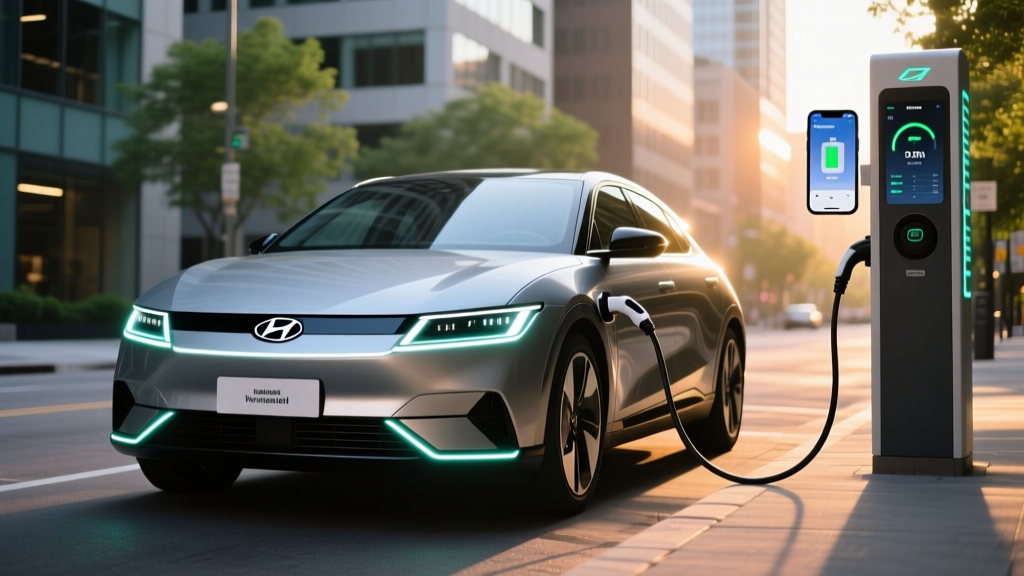
The slowdown primarily affects luxury EVs and early adopters who've already switched. Mainstream models like the Tesla Model Y, Hyundai Ioniq 5, and Chevrolet Equinox EV continue strong demand. If you're considering an EV, now may be the best buyer's market we've seen since 2020.
What "Electric Vehicles Sales Down" Actually Means
When you see headlines about electric vehicles sales down, they're typically measuring one of three things:
- Month-over-month declines: Seasonal fluctuations that don't reflect annual trends
- Growth rate deceleration: Still growing, but slower than the 40-60% YoY spikes of 2021-2023
- Specific segment weakness: Luxury EVs over $70,000, or markets with poor charging infrastructure
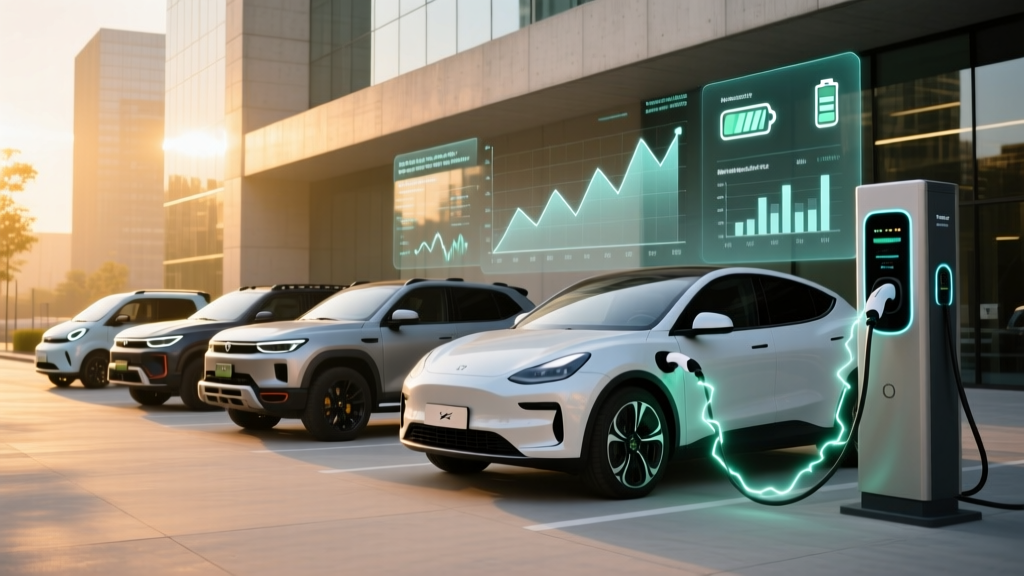
According to Kelley Blue Book EV sales tracking, U.S. EV market share reached approximately 9.2% of new car sales in late 2025, up from 7.8% the prior year — still growth, just not the hockey-stick curve some predicted. Plug-in hybrids (PHEVs) have seen stronger momentum as buyers hedge between full electric and gas.
Real Costs: EV vs Gas vs Hybrid in 2026
Let's cut through the noise with actual numbers. Here's a 5-year total cost of ownership comparison for a typical buyer driving 15,000 miles annually:
| Cost Category | EV (Tesla Model Y LR) | Gas (Toyota RAV4) | PHEV (Toyota RAV4 Prime) |
|---|---|---|---|
| Purchase Price (MSRP) | $44,990 | $30,425 | $43,690 |
| Federal Tax Credit (§30D) | -$3,750* | $0 | -$3,750* |
| Effective Purchase Price | $41,240 | $30,425 | $39,940 |
| Fuel/Energy (5 years) | $3,375** | $8,625*** | $4,500**** |
| Maintenance (5 years) | $1,800 | $3,400 | $2,900 |
| Insurance (5 years) | $9,500 | $6,800 | $7,400 |
| Total 5-Year Cost | $55,915 | $49,250 | $54,740 |
*Tax credit eligibility depends on income caps, MSRP limits, and battery sourcing requirements. Verify at IRS.gov. **Based on $0.15/kWh home charging. ***Based on $3.45/gallon, 30 MPG combined. ****Assumes 60% electric miles, 40% gas.
The takeaway: EVs still carry a premium upfront, but fuel and maintenance savings narrow the gap significantly over 5 years. The Model Y costs about $6,665 more than the RAV4 gas model over 5 years — but you're getting a faster, quieter, more tech-forward vehicle with lower emissions.
Why Some Buyers Are Holding Back (And Should They?)
The electric vehicles sales down narrative reflects real buyer concerns. Let's address them with facts:
| Concern | Reality Check |
|---|---|
| "Range anxiety is real" | Modern EVs offer 250-350 miles EPA. The Ioniq 5 (305 mi EPA) handles most road trips with one 20-min charge stop. But if you regularly drive 400+ miles in rural areas with sparse charging, a PHEV may suit you better. |
| "Charging takes too long" | Home Level 2 (7.4 kW) adds ~25 miles/hour — overnight charging covers 95% of daily needs. DC fast charging peaks at 150-350 kW on modern EVs, adding 150-200 miles in 15-20 minutes. But public charging reliability varies — plan routes using PlugShare or A Better Routeplanner. |
| "Batteries won't last" | Federal law mandates 8-year/100,000-mile battery warranties. Real-world degradation data shows most EVs retain 85-90% capacity after 100k miles. LFP chemistry (Tesla Model 3/Y RWD, some Chinese brands) offers even longer cycle life. |
| "EVs are too expensive" | Base models now start under $30k (Chevy Equinox EV LT, Nissan Leaf S). With the §30D credit (up to $7,500) and state incentives, effective prices drop further. Used EV market offers 2022-2024 models at steep discounts. |
| "I can't charge at home" | This is a legitimate barrier for apartment dwellers or those without garage access. Solutions: workplace charging, public DC fast charging (budget $120-180/month), or choosing a PHEV that can run on gas when needed. |
EV vs Gas vs Hybrid: Which Is Right for You?
| Factor | BEV (Full Electric) | PHEV (Plug-in Hybrid) | HEV (Traditional Hybrid) | Gas Only |
|---|---|---|---|---|
| Upfront Cost | $$$ | $$$ | $$ | $ |
| Fuel Cost per Mile | $0.04-0.06 | $0.05-0.08 | $0.10-0.12 | $0.14-0.18 |
| Maintenance | Very Low | Low-Medium | Medium | Medium-High |
| Home Charging Needed? | Strongly Recommended | Recommended | No | No |
| Best For | Daily commuters, home charging access, tech-savvy | Mixed use, occasional long trips, limited charging | High mileage, no charging access, budget-conscious | Low mileage, rural areas, minimal tech needs |
| Example Models | Tesla Model Y, Ioniq 5, Chevy Equinox EV | RAV4 Prime, Jeep Wrangler 4xe, Chrysler Pacifica Hybrid | Toyota Prius, Honda Accord Hybrid | Toyota RAV4, Honda CR-V |
Decision Framework: Should You Buy an EV in 2026?
Answer These Questions Honestly:
- Do you have reliable home charging access (garage/driveway with 240V outlet or ability to install Level 2)?
- YES → Continue to Q2
- NO → Consider PHEV or HEV instead, or budget for public DC fast charging ($120-180/month)
- Is your daily driving under 150 miles round-trip?
- YES → EV is ideal; you'll rarely need public charging
- NO → EV still works, but plan for 1-2 DC fast stops per week or consider PHEV
- Do you regularly drive in extreme cold (below 20°F) or tow heavy loads?
- YES → Expect 20-35% range loss; choose EV with 300+ mi EPA or PHEV
- NO → Any modern EV (250+ mi EPA) will serve you well
- Can you stretch your budget $5-10k more upfront for lower long-term costs?
- YES → EV makes financial sense over 5+ years
- NO → HEV (Prius, Accord Hybrid) offers strong MPG without premium price
- Do you live in an area with robust public charging (Electrify America, Tesla Superchargers, EVgo within 15 min)?
- YES → EV road trips are practical
- NO → PHEV offers flexibility for longer trips without range stress
Verdict: If you answered YES to home charging + daily under 150 miles + can stretch budget → buy an EV. The "electric vehicles sales down" headlines don't apply to your situation — you'll save money and enjoy a superior driving experience.
What First-Time EV Buyers Must Know
If you're ready to make the switch, here's what dealerships won't always tell you:
1. The Tax Credit Is Complicated
The federal §30D credit offers up to $7,500, but eligibility depends on:
- Your income: AGI must be under $150k (single) or $300k (joint)
- Vehicle MSRP: Under $55k for cars, $80k for SUVs/trucks
- Battery sourcing: Must meet critical minerals and component requirements (varies by model/year)
- Point-of-sale option: You can transfer the credit to the dealer for an immediate price reduction
Verify eligibility for your specific situation at fueleconomy.gov and consult a tax professional.
2. Real-World Range vs EPA Estimates
EPA range is a useful baseline, but expect variation:
- Highway driving (70+ mph): Subtract 10-15% from EPA number
- Cold weather (below 32°F): Subtract 20-35% (heat pump helps)
- Moderate temps + city driving: You may exceed EPA by 5-10% thanks to regenerative braking
Example: Tesla Model Y Long Range (310 mi EPA) typically delivers 270-285 mi highway in summer, 220-240 mi in winter.
3. Charging Speed Matters More Than Peak kW
Don't just look at "up to 250 kW" — sustained charging speed and the 10-80% time matter more. Modern EVs with 800V architecture (Hyundai Ioniq 5, Kia EV6, Porsche Taycan) maintain higher speeds longer. Example:
- Ioniq 5 (800V): Peaks at 240 kW, 10-80% in ~18 minutes
- Tesla Model Y (400V): Peaks at 250 kW, 10-80% in ~22 minutes
- Older EVs (50-100 kW): 10-80% takes 40-60 minutes — avoid for road trips
4. Home Charging Installation Costs
Budget $500-2,500 for Level 2 home charger installation:
- Charger hardware: $400-700 (ChargePoint Home Flex, Wallbox Pulsar Plus)
- Electrician labor: $300-1,500 depending on panel proximity
- Panel upgrade (if needed): $1,000-3,000 for older homes with 100A service
Get 2-3 quotes from licensed electricians and check for utility rebates.
5. Insurance Costs Are Higher
EV insurance premiums run 15-30% higher than gas equivalents due to repair costs and battery replacement risk. Shop quotes from Geico, Progressive, State Farm, and EV-specialty insurers before buying.
Bottom Line: The EV Slowdown Is Your Opportunity
Headlines about electric vehicles sales down create a buyer's market. Dealers have inventory, manufacturers are offering lease deals and price cuts, and you have negotiating power. If your situation fits the EV profile (home charging, daily under 150 miles, can stretch budget), 2026 is an excellent time to buy.
If you're still uncertain, test-drive both a BEV and a PHEV. Spend a week with each if possible. The data and decision framework above will guide you, but seat time reveals what spreadsheets can't.
Frequently Asked Questions
Why are electric vehicles sales down in some reports?
The "slowdown" reflects decelerating growth rates, not absolute declines. Luxury EVs and early adopter segments have plateaued, while mainstream models continue growing. High interest rates, reduced incentives in some states, and charging infrastructure gaps contribute to buyer hesitation.
Is it a good time to buy an EV in 2026?
Yes, if you have home charging and your daily driving fits EV range. Inventory levels are higher, dealers are more willing to negotiate, and 2026 models offer excellent range (250-350 mi EPA) and fast charging (150-350 kW). Use the decision framework above to confirm it's right for you.
Should I wait for better EV technology?
There's always something better around the corner (solid-state batteries, 500+ mi range), but current 2026 models are mature and capable. Waiting means missing years of fuel savings and driving enjoyment. Buy what meets your needs today.
What if I can't install a home charger?
Consider a PHEV (Toyota RAV4 Prime, Jeep Wrangler 4xe) that offers 30-40 miles electric range for daily use plus gas flexibility. Or budget $120-180/month for public DC fast charging if your area has reliable infrastructure.
How long do EV batteries really last?
Federal law requires 8-year/100,000-mile battery warranties. Real-world data from Tesla, Nissan, and Chevy shows most batteries retain 85-90% capacity after 100k miles. LFP chemistry (Tesla Model 3/Y RWD) offers even longer cycle life. Battery replacement is rarely needed and costs $5,000-15,000 if it occurs outside warranty.
Are hybrids better than EVs right now?
It depends on your situation. PHEVs (plug-in hybrids) offer the best of both worlds — electric for daily driving, gas for long trips. Traditional hybrids (Prius, Accord Hybrid) are ideal if you lack home charging. Full EVs excel if you have home charging and drive under 150 miles daily.