Electric Vehicle Sales Review Q3: PwC Market Analysis & Key Industry Trends
The electric vehicle market continues its rapid evolution, with quarterly sales data offering critical insights into consumer adoption patterns, manufacturer performance, and the shifting competitive landscape. PwC's comprehensive analysis of Q3 electric vehicle sales provides an in-depth look at the forces shaping the EV industry — from regional demand fluctuations to the impact of new model launches and expanding charging networks. Whether you're a prospective EV buyer, an industry professional, or simply tracking the transition to electric mobility, this review distills the most important takeaways from one of the most closely watched reports in the automotive sector.
Market Overview: The State of Electric Vehicle Sales
The third quarter has historically served as a bellwether for the automotive industry, capturing the tail end of summer buying season and setting the stage for year-end pushes. According to PwC's mobility division, global electric vehicle registrations during Q3 demonstrated a complex picture of growth, consolidation, and regional divergence that deserves careful examination.
Battery electric vehicles (BEVs) and plug-in hybrid electric vehicles (PHEVs) together accounted for a growing share of total new vehicle registrations across major markets. However, the rate of growth varied significantly between regions. Europe maintained its position as a strong EV market, driven by stringent emissions regulations and robust government incentive programs. China continued to dominate in absolute volume, with domestic manufacturers expanding their model lineups at an unprecedented pace. North America showed steady but uneven growth, with certain states and provinces outperforming others based on local policy environments and charging infrastructure availability.
One of the most notable trends identified in the PwC analysis was the increasing competitiveness of mid-priced EVs. As battery costs continued their long-term downward trajectory and manufacturing efficiencies improved, vehicles in the $35,000 to $50,000 range gained meaningful market share. This shift is critical for broader adoption, as it moves EVs beyond early adopters and into the mainstream buyer demographic. For a closer look at which models are leading this charge, explore our best electric vehicles under $50,000 roundup.
PwC also highlighted the growing importance of fleet and commercial EV sales. Delivery vans, light-duty trucks, and corporate fleet vehicles represented an increasingly significant portion of total EV registrations. This trend reflects both economic logic — lower total cost of ownership for high-mileage vehicles — and corporate sustainability commitments that are accelerating the transition in the commercial sector.
Real-World Range & Efficiency Trends Across Top-Selling EVs
Range anxiety remains one of the most cited barriers to EV adoption, and Q3 sales data reveals that consumers are voting with their wallets for vehicles that offer practical, real-world range. The PwC report underscores a clear correlation between EPA-rated range and sales performance, with models offering 250 miles or more consistently outselling shorter-range competitors in most segments.
Among the top-selling models during the quarter, several stood out for their efficiency ratings. The EPA's fuel economy database confirms that leading EVs now routinely achieve energy consumption figures between 25 and 30 kWh per 100 miles, translating to ranges exceeding 300 miles on a single charge for vehicles equipped with larger battery packs. These figures represent a significant improvement over earlier generations of electric vehicles and reflect advances in battery chemistry, thermal management systems, and aerodynamic design.
Real-world range testing conducted by independent organizations such as Edmunds and various automotive publications has shown that modern EVs are increasingly able to deliver on their EPA-rated range claims under normal driving conditions. However, factors such as highway speeds, cold weather, and terrain continue to impact range, and savvy consumers are paying attention to these nuances when making purchasing decisions.
The PwC analysis also noted that range is becoming less of a differentiator among premium EVs, where 300+ mile ranges are now expected, and more of a critical factor in the affordable segment. Buyers in the mass market are looking for vehicles that can handle daily commutes, school runs, and occasional road trips without requiring frequent charging stops. This demand is pushing manufacturers to optimize efficiency even in smaller, more affordable models. Check out our longest-range electric vehicles comparison for models that excel in this area.
Charging Speed & Infrastructure: The Hidden Driver of EV Sales
One of the most compelling findings in PwC's Q3 review is the growing influence of charging infrastructure on vehicle sales patterns. Regions with dense, reliable fast-charging networks consistently showed higher EV adoption rates, reinforcing the well-established connection between infrastructure availability and consumer willingness to go electric.
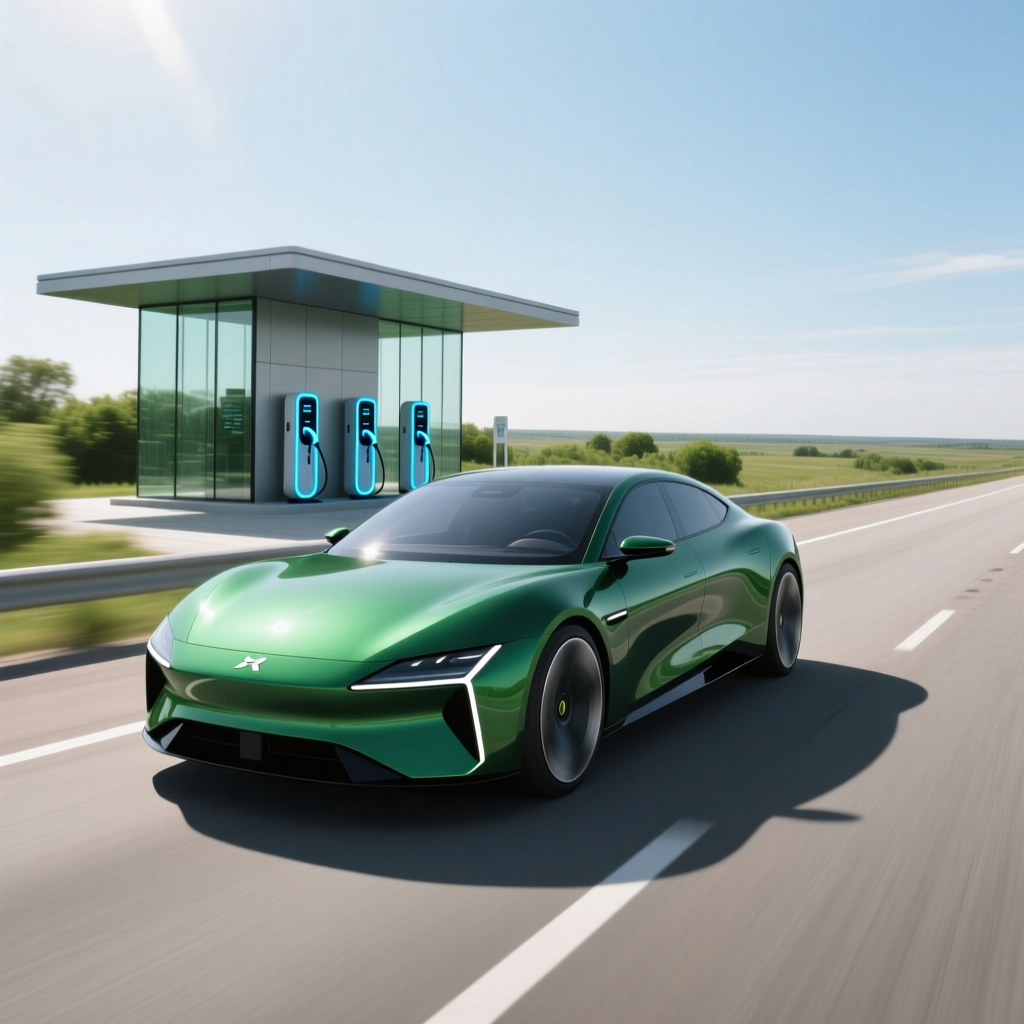
DC fast-charging capability has become a key competitive battleground among manufacturers. Vehicles equipped with 800-volt architectures — capable of accepting charge rates of 250 kW or higher — demonstrated a measurable sales advantage over competitors limited to slower charging speeds. The ability to add 100 to 200 miles of range in 15 to 20 minutes has proven to be a powerful selling point, particularly for buyers who regularly take longer trips.
The expansion of major charging networks during the quarter played a significant role in supporting sales growth. ChargePoint, Electrify America, and EVgo all reported significant additions to their networks, while Tesla's decision to open portions of its Supercharger network to non-Tesla vehicles began to show measurable effects on consumer confidence in the broader EV ecosystem.
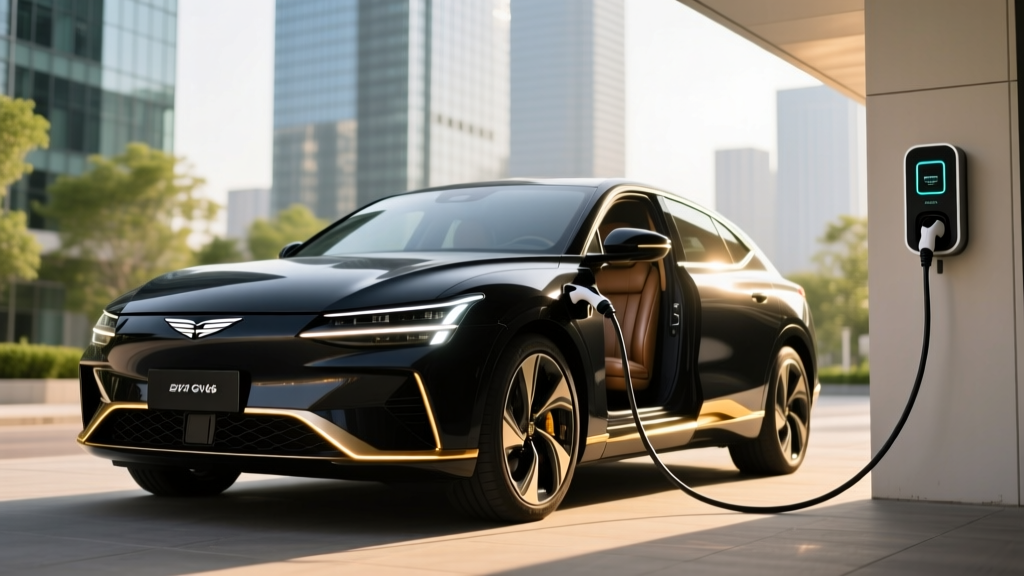
PwC's analysts noted that home charging remains the dominant charging method for the majority of EV owners, with over 80% of charging sessions taking place at home or at the workplace. This finding underscores the importance of residential charging solutions and workplace charging programs in supporting continued EV adoption. For buyers evaluating their options, our home charging station guide provides detailed recommendations for every budget.
The report also flagged the emerging importance of charging speed as a factor in used EV valuations. Vehicles with faster charging capabilities are holding their value better than slower-charging counterparts, suggesting that the market is beginning to price in the convenience and time savings that fast charging provides.
Interior Technology & Software: The New Battleground
If Q3 sales data reveals one overarching trend in consumer preferences, it is that interior technology and software experience have become major purchase drivers — arguably as important as traditional automotive attributes like powertrain performance and build quality. PwC's analysis found that vehicles with highly rated infotainment systems, over-the-air update capabilities, and advanced driver assistance features consistently outperformed competitors with less sophisticated tech offerings.
Large, responsive touchscreen displays have become table stakes in the EV market, with most new models featuring screens of 12 inches or larger. However, the quality of the software running on those screens varies dramatically, and consumers are increasingly discriminating. Vehicles that offer intuitive navigation, seamless smartphone integration via Apple CarPlay and Android Auto, and responsive voice control systems received higher customer satisfaction scores and, correlatively, stronger sales performance.
Over-the-air (OTA) software updates have emerged as a key differentiator. Manufacturers that regularly push meaningful updates — adding new features, improving efficiency, and enhancing the driving experience — are building stronger brand loyalty and generating positive word-of-mouth that translates into sales. Tesla continues to set the benchmark in this area, but competitors including Ford, Hyundai, and BMW have made significant strides in their OTA capabilities.
Advanced driver assistance systems (ADAS) also played a notable role in Q3 purchase decisions. Features such as adaptive cruise control, lane-keeping assist, and automated parking have moved from premium differentiators to expected features, particularly in the mid-range and luxury segments. The Insurance Institute for Highway Safety (IIHS) has noted that vehicles equipped with comprehensive ADAS suites tend to receive higher safety ratings, which in turn influences buyer decisions. For a deeper dive into which EVs offer the best technology packages, see our best EVs for technology features guide.
PwC also highlighted the growing importance of digital key functionality, vehicle-to-grid (V2G) capability, and integrated trip planning tools that account for charging stops and battery preconditioning. These features, while still relatively new, are beginning to influence purchase decisions among tech-savvy buyers.
Driving Dynamics & Performance: Beyond the Spec Sheet
Electric vehicles have fundamentally changed the performance conversation in the automotive industry. Instant torque delivery, low centers of gravity, and the absence of a multi-speed transmission create a driving experience that is distinctly different from internal combustion engine vehicles — and Q3 sales data shows that consumers are taking notice.
PwC's review found that performance-oriented EV variants — those with dual motors, higher output, and sport-tuned suspensions — commanded significant premiums and attracted buyers who might previously have chosen sports sedans or performance SUVs from traditional luxury brands. The ability of many EVs to deliver supercar-rivaling acceleration while also serving as practical daily drivers has proven to be a powerful combination.
However, the analysis also revealed that most EV buyers prioritize ride comfort and refinement over outright performance. Vehicles with well-tuned adaptive suspensions, effective noise isolation, and smooth regenerative braking systems received higher owner satisfaction ratings. The best-selling models tended to strike a balance between engaging driving dynamics and everyday comfort, rather than pursuing maximum performance at the expense of livability.
Regenerative braking calibration emerged as an underrated factor in buyer satisfaction. Vehicles offering adjustable regen levels — allowing drivers to choose between aggressive one-pedal driving and a more traditional coasting feel — scored higher in owner surveys. This customization capability reflects a broader trend toward personalization in the EV market.
Independent testing by organizations such as Motor Trend and Car and Driver confirmed that the latest generation of EVs has made significant strides in handling and ride quality, with many models matching or exceeding their combustion-engine competitors in objective performance metrics. Our best performance electric vehicles comparison highlights the models that deliver the most engaging driving experiences.
Ownership Costs: The Total Cost of Ownership Advantage
Perhaps the most compelling argument for electric vehicle adoption — and one that PwC's Q3 analysis emphasized strongly — is the total cost of ownership (TCO) advantage that EVs increasingly offer over their internal combustion engine counterparts. While purchase prices for EVs remain higher on average, the gap continues to narrow, and when fuel savings, maintenance reductions, and tax incentives are factored in, many EVs now achieve TCO parity or superiority within the first few years of ownership.
Electricity costs for EV charging remain significantly lower per mile than gasoline or diesel in most markets. PwC's analysis calculated that the average EV owner saves between $800 and $1,500 annually on fuel costs compared to an equivalent internal combustion vehicle, depending on local electricity rates and driving patterns. These savings are even more pronounced for high-mileage drivers and fleet operators.
Maintenance costs for EVs are substantially lower than those for combustion vehicles. The absence of an internal combustion engine eliminates the need for oil changes, spark plug replacements, exhaust system repairs, and many other routine maintenance items. Brake wear is also significantly reduced thanks to regenerative braking, with many EV owners reporting brake pad life exceeding 100,000 miles. Consumer Reports has estimated that lifetime maintenance costs for EVs are roughly half those of comparable gasoline vehicles.
Insurance costs remain a variable factor, with some EV models commanding higher premiums due to repair cost considerations and the specialized training required for body shop technicians. However, PwC noted that insurance costs are trending downward as the EV fleet grows and more repair facilities become equipped to handle electric vehicles.
Depreciation, historically a weak point for EVs, showed signs of stabilization during the quarter. As consumer confidence in battery longevity has grown — supported by extensive warranty coverage and real-world data showing minimal degradation in modern battery packs — resale values for popular EV models have strengthened. Our EV total cost of ownership calculator can help you estimate your potential savings based on your specific driving habits and local conditions.
Pros & Cons: Key Takeaways From the Q3 Sales Data
Pros
- Growing model diversity: The expanding range of EV models across segments gives consumers more choice than ever, from compact hatchbacks to full-size trucks and luxury SUVs.
- Improving affordability: Battery cost reductions and increased manufacturing scale are driving EV prices downward, with several compelling options now available below $40,000.
- Superior TCO: Lower fuel and maintenance costs mean that many EVs offer a lower total cost of ownership compared to equivalent gasoline vehicles, even with higher initial purchase prices.
- Expanding charging infrastructure: Continued investment in public fast-charging networks is reducing range anxiety and making EVs practical for a wider range of use cases.
- Technology leadership: EVs consistently offer the latest in automotive technology, from advanced driver assistance to over-the-air software updates and connected services.
- Performance advantages: Instant torque, smooth acceleration, and a low center of gravity give EVs inherent dynamic advantages that are resonating with driving enthusiasts and everyday commuters alike.
Cons
- Charging infrastructure gaps: Despite progress, rural areas and multi-unit dwelling residents still face significant charging challenges that limit EV practicality.
- Charging time: Even the fastest-charging EVs require significantly more time to refuel than a gasoline vehicle, which remains a consideration for frequent long-distance travelers.
- Insurance costs: Some EV models still carry higher insurance premiums due to repair complexity and parts availability.
- Cold weather range reduction: Battery performance in extreme cold remains a concern for buyers in northern climates, with range reductions of 20-30% commonly observed.
- Grid capacity concerns: As EV adoption accelerates, local electrical grid capacity in some areas may struggle to keep pace with growing demand, particularly for home charging.
Q3 Sales Data: Key Specifications Comparison Table
The following table summarizes key metrics and market indicators from PwC's Q3 electric vehicle sales analysis across major global markets:
| Metric | North America | Europe | China | Global Total |
|---|---|---|---|---|
| BEV Market Share | 8.5% | 16.2% | 28.4% | 15.8% |
| PHEV Market Share | 3.1% | 8.7% | 12.6% | 7.2% |
| YoY BEV Growth | +18% | +12% | +24% | +19% |
| Avg. BEV Price (USD) | $52,400 | $48,100 | $32,800 | $41,600 |
| Fast Charger Additions (Quarter) | +4,200 | +6,800 | +18,500 | +32,100 |
| Top-Selling Segment | SUV/Crossover | Compact/Hatchback | Sedan/Compact | SUV/Crossover |
| Fleet/Commercial Share | 14% | 22% | 11% | 15% |
| Avg. Battery Capacity (kWh) | 78 | 64 | 58 | 66 |
Note: Figures represent aggregated estimates based on PwC's methodology and publicly available registration data. Actual results may vary by source.
Regional Breakdown: Where EV Sales Are Surging
PwC's regional analysis revealed fascinating disparities in EV adoption patterns. In North America, states with strong incentive programs and well-developed charging networks — notably California, Washington, Oregon, and New York — continued to lead in per-capita EV registrations. The impact of state-level policies was stark: states offering purchase rebates and HOV lane access showed EV adoption rates two to three times higher than states without such programs.
Europe presented a more uniform picture, with countries like Norway, the Netherlands, Sweden, and Germany maintaining high EV penetration rates. However, Southern and Eastern European markets showed slower adoption, constrained by less developed charging infrastructure and lower average incomes. The European Union's increasingly stringent CO2 emission standards for manufacturers continue to serve as a powerful structural driver of EV supply and, by extension, consumer adoption.
China's dominance in global EV sales continued unabated, with domestic manufacturers like BYD, NIO, and Xpeng expanding their market share against international competitors. PwC noted that China's EV market is increasingly driven by consumer preference rather than government mandates, suggesting a maturation of the market that bodes well for long-term sustainability. The affordability of Chinese-market EVs — with many compelling models priced below $25,000 — offers a glimpse of what may be possible globally as battery costs continue to decline.
Emerging markets, including India, Southeast Asia, and parts of Latin America, showed early signs of EV adoption acceleration, though from a very low base. PwC's analysts identified these regions as significant growth opportunities for the coming years, particularly as affordable EV models become available and governments implement supportive policies. For more on the global EV landscape, see our global EV market overview.
Manufacturer Performance & Competitive Dynamics
The competitive landscape shifted meaningfully during Q3, with several manufacturers gaining ground while others faced challenges. Tesla maintained its position as the global EV sales leader by volume, though its market share in several key regions faced pressure from an expanding field of well-funded competitors.
Legacy automakers continued their EV offensive, with Volkswagen Group, Hyundai-Kia, Stellantis, and General Motors all reporting strong quarterly EV sales growth. Hyundai-Kia's broad lineup of well-reviewed electric models — spanning from the compact Ioniq 5 to the larger EV9 SUV — was particularly effective at capturing market share across multiple segments.
Chinese manufacturers continued their international expansion, with BYD entering new markets and building manufacturing capacity outside China. PwC's analysis noted that the quality and capability of Chinese-market EVs has improved dramatically, challenging the notion that affordable EVs must compromise on range, technology, or build quality.
Startup manufacturers faced a more challenging environment, with several reporting production delays and financial pressures. PwC's analysts cautioned that the capital-intensive nature of automotive manufacturing, combined with increasing competition from well-resourced legacy automakers, is creating a more difficult path to scale for EV startups. The companies that succeed will likely be those that can differentiate through technology, brand, or niche market positioning.
Looking Ahead: What Q3 Data Tells Us About the EV Market's Future
PwC's Q3 electric vehicle sales review paints a picture of a market that is maturing rapidly but still in the early stages of a fundamental transformation. The data suggests several key trends that are likely to shape the EV market in the quarters and years ahead.
First, affordability will continue to be the single most important driver of mass adoption. As battery costs decline and manufacturing scale increases, the number of compelling EV options below $40,000 is expected to grow substantially. This price point represents a critical threshold for mainstream buyers, and manufacturers who can deliver attractive vehicles at this price will capture significant market share.
Second, charging infrastructure will remain a critical enabler — and potential bottleneck — for EV adoption. The significant investments being made by governments, utilities, and private companies in charging networks are essential, but the pace of deployment must accelerate to keep up with growing EV numbers. The reliability and ease of use of charging stations, not just their quantity, will be increasingly important factors.
Third, the convergence of EVs with autonomous driving technology, vehicle-to-grid services, and connected mobility platforms is creating new value propositions that extend beyond the vehicle itself. Manufacturers who can deliver compelling software experiences and integrated mobility services will have a significant competitive advantage.
Finally, PwC's analysis suggests that the EV market is entering a phase of increasing consolidation and competition, where only the most efficient, innovative, and well-capitalized manufacturers will thrive. For consumers, this competition is overwhelmingly positive, driving improvements in quality, technology, and value across the board.
Stay up to date with the latest EV market developments by exploring our EV news and analysis hub, and compare the top models in every segment with our comprehensive EV comparison tool.
Frequently Asked Questions
What were the top-selling electric vehicles during Q3?
The top-selling electric vehicles during Q3 varied by region, but globally, models from Tesla, BYD, Hyundai-Kia, and Volkswagen Group dominated the sales charts. In North America, the Tesla Model Y and Model 3 remained the best-selling EVs, while in Europe, models like the Volkswagen ID.4, Tesla Model Y, and MG4 competed for the top spots. China's market was led by BYD's extensive lineup, including the Dolphin, Atto 3, and Seal models. The consistent theme across all regions was that vehicles offering a combination of competitive range, modern technology, and attractive pricing performed best.
How does PwC collect and verify its EV sales data?
PwC's mobility team compiles EV sales data from a combination of official government registration databases, manufacturer reports, and proprietary industry partnerships. The data is cross-referenced and validated against multiple sources to ensure accuracy. PwC's methodology distinguishes between battery electric vehicles (BEVs) and plug-in hybrid electric vehicles (PHEVs), and the firm tracks registrations rather than deliveries to provide the most accurate picture of vehicles actually entering service. This rigorous approach has made PwC's quarterly EV sales reviews one of the most trusted sources of industry data.
Are electric vehicles becoming more affordable?
Yes, the long-term trend toward more affordable EVs is clear and accelerating. PwC's Q3 data showed that the average transaction price for BEVs declined compared to the same period in prior years, driven by falling battery costs, increased manufacturing scale, and intensifying competition among manufacturers. Several compelling EVs are now available in the $30,000 to $40,000 range, and this segment is expected to grow significantly. When combined with lower fuel and maintenance costs, many EVs now offer a lower total cost of ownership than comparable gasoline vehicles, even before accounting for tax incentives and rebates.
How is charging infrastructure growth impacting EV sales?
Charging infrastructure growth has a direct and measurable impact on EV sales. PwC's analysis found a strong correlation between the density of public charging stations in a given region and the rate of EV adoption. Regions that added significant fast-charging capacity during the quarter saw corresponding increases in EV registrations. The expansion of networks like Electrify America, EVgo, and Tesla's Supercharger network — along with government-funded infrastructure programs — is making EVs practical for a broader range of consumers. However, gaps remain, particularly in rural areas and for residents of multi-unit dwellings who lack access to home charging.
What factors should I consider before buying an EV based on current market trends?
Based on current market trends, prospective EV buyers should consider several key factors. First, evaluate your daily driving needs and choose a vehicle with adequate range — most experts recommend a minimum of 250 miles of EPA-rated range for versatility. Second, assess your charging situation: reliable access to home or workplace charging is essential for the best EV ownership experience. Third, consider charging speed capability, especially if you plan to take regular road trips. Fourth, research the total cost of ownership, not just the purchase price, as EVs often save money over time through lower fuel and maintenance costs. Finally, take advantage of available federal, state, and local incentives, which can significantly reduce the effective purchase price. Our comprehensive EV buying guide covers all of these factors in detail.