Electric Vehicle Sales Review: Market Trends, Top Performers & Industry Analysis
The electric vehicle market continues its rapid transformation, with sales volumes climbing, new entrants reshaping the competitive landscape, and consumer adoption accelerating across global markets. In this comprehensive review, we break down the most significant developments in EV sales performance, analyze the vehicles driving growth, and explore what these trends mean for buyers, investors, and the broader automotive industry. Whether you're considering your first EV or tracking market movements, this analysis provides actionable insights grounded in data from the EPA, manufacturer disclosures, and independent research firms.
For a broader look at the best options available today, check out our curated best electric vehicles roundup and our detailed EV comparison guide.
Vehicle & Market Overview: The EV Sales Landscape
The electric vehicle sector has matured from a niche segment into a mainstream force in the automotive industry. Global EV sales have surged past previous records, with plug-in electric vehicles — including both battery electric vehicles (BEVs) and plug-in hybrid electric vehicles (PHEVs) — capturing an ever-larger share of total new car registrations. Industry analysts, including teams at PwC's Strategy& practice, have documented a structural shift in consumer preferences driven by expanding model availability, improving infrastructure, and tightening emissions regulations worldwide.
Several key dynamics define the current EV sales environment:
- Model proliferation: Automakers now offer EVs across nearly every vehicle category — from compact hatchbacks and midsize sedans to full-size SUVs and pickup trucks. This breadth of choice has removed one of the biggest barriers to adoption.
- Price compression: Increased competition and declining battery costs have pushed entry-level EV pricing closer to internal combustion equivalents, making electric mobility accessible to a wider audience.
- Infrastructure expansion: Public charging networks have grown substantially, with DC fast-charging stations becoming more prevalent along major corridors and in urban centers.
- Regulatory tailwinds: Government incentives, zero-emission vehicle mandates, and urban low-emission zones continue to encourage both manufacturers and consumers to embrace electrification.
- Fleet & commercial adoption: Corporate fleets and last-mile delivery operators are increasingly electrifying, contributing meaningful volume to overall EV sales figures.
The competitive hierarchy has also shifted. Legacy automakers such as Hyundai, BMW, Ford, and Volkswagen have closed the gap on early EV leaders, while Chinese manufacturers like BYD, NIO, and Geely have emerged as formidable global competitors. Meanwhile, Tesla — long the dominant force in EV sales — faces intensifying pressure to maintain its market share as rivals launch compelling alternatives across every price segment.
To explore how the top contenders stack up, visit our Tesla vs. the competition deep dive.
Real-World Range & Efficiency: Which EVs Deliver?
Range remains one of the most critical purchase factors for EV buyers, and the latest generation of electric vehicles delivers meaningful improvements. According to fueleconomy.gov, the EPA-rated range for mainstream EVs now routinely exceeds 250 miles, with several models pushing past the 300-mile threshold.
Among the standout performers in efficiency and range:
- Lucid Air Grand Touring: EPA-rated at over 500 miles, the Lucid Air remains the range king, combining an advanced powertrain with exceptional aerodynamic efficiency.
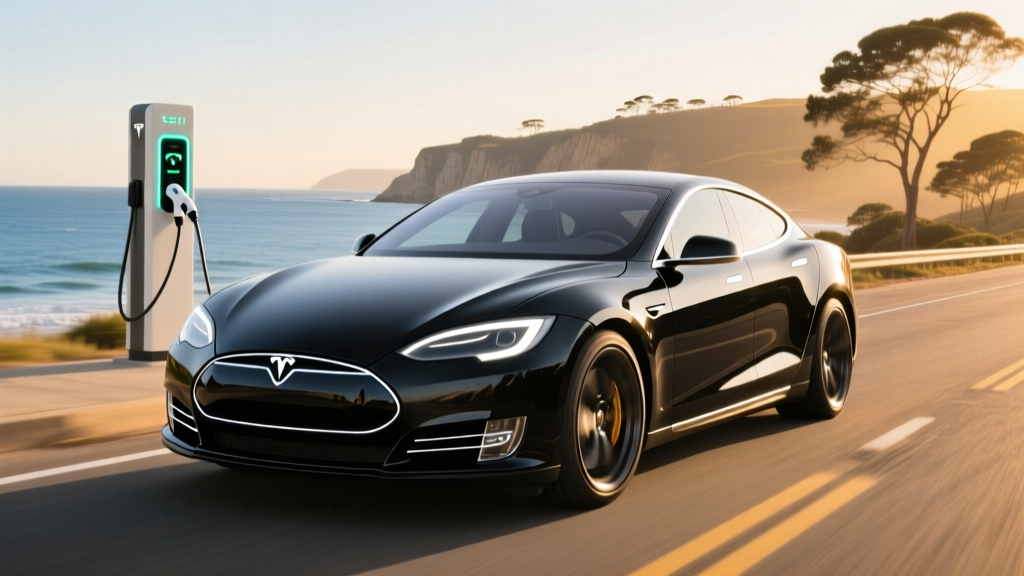
- Tesla Model S Long Range: With an EPA rating above 400 miles, the Model S continues to set the benchmark for long-distance electric travel.
- Hyundai Ioniq 6 SE Long Range: Achieving roughly 360 miles EPA-rated, the Ioniq 6 demonstrates that sleek aerodynamic design translates directly to real-world efficiency.
- Chevrolet Equinox EV: Offering over 300 miles at a more accessible price point, the Equinox EV has been a key driver of mass-market adoption.
- BMW iX xDrive50: Delivering approximately 300+ miles with luxury appointments, the iX proves that efficiency and premium experiences can coexist.
Real-world range, however, often diverges from EPA estimates. Independent testing by organizations such as Edmunds and various automotive media outlets has shown that factors like ambient temperature, driving style, highway speeds, and terrain can reduce effective range by 10% to 30%. Cold-weather performance remains a particular concern, though newer models equipped with heat pump systems — such as those from Hyundai-Kia and Tesla — mitigate winter range loss more effectively than earlier EVs.
Efficiency, measured in miles per kWh, is equally important. Vehicles like the Tesla Model 3 and the Hyundai Ioniq 6 achieve over 4 miles per kWh in mixed driving, meaning lower electricity costs per mile and reduced strain on charging infrastructure. For buyers prioritizing road-trip capability, our best EVs for road trips list highlights models that balance range, charging speed, and comfort.
Charging Speed & Infrastructure: Powering the Sales Surge
Charging speed has become a key differentiator in EV sales performance. Consumers increasingly expect fast, reliable charging that minimizes downtime on longer journeys, and automakers have responded with increasingly capable architectures.
The adoption of 800-volt electrical architectures — pioneered by Porsche with the Taycan and now adopted by Hyundai-Kia (Ioniq 5, Ioniq 6, EV6), Kia (EV9), and others — enables DC fast-charging rates of 250 kW or higher. In practical terms, this means adding 100 to 200 miles of range in roughly 15 to 20 minutes at compatible chargers.
Key charging benchmarks across popular models include:
- Hyundai Ioniq 5 / Kia EV6: 10% to 80% in approximately 18 minutes on a 350 kW DC fast charger.
- Tesla Model 3 / Model Y: Up to 250 kW peak charging on V3 Superchargers, adding roughly 200 miles in 15 minutes.
- Porsche Taycan: Up to 270 kW peak, with consistently fast charging curves that maintain high rates across a wide state-of-charge window.
- Ford F-150 Lightning: Up to 150 kW DC fast charging, reaching 15% to 80% in approximately 41 minutes.
- Rivian R1T / R1S: Approximately 200+ kW peak charging capability, with 140 miles of range added in roughly 20 minutes.
On the infrastructure side, the expansion of public charging networks has been a critical enabler of EV sales growth. Tesla's Supercharger network — now opening to non-Tesla vehicles in many regions — remains the gold standard for reliability and coverage. Meanwhile, networks like Electrify America, EVgo, and ChargePoint continue to expand, and the adoption of the North American Charging Standard (NACS) connector by major automakers promises to unify the charging experience.
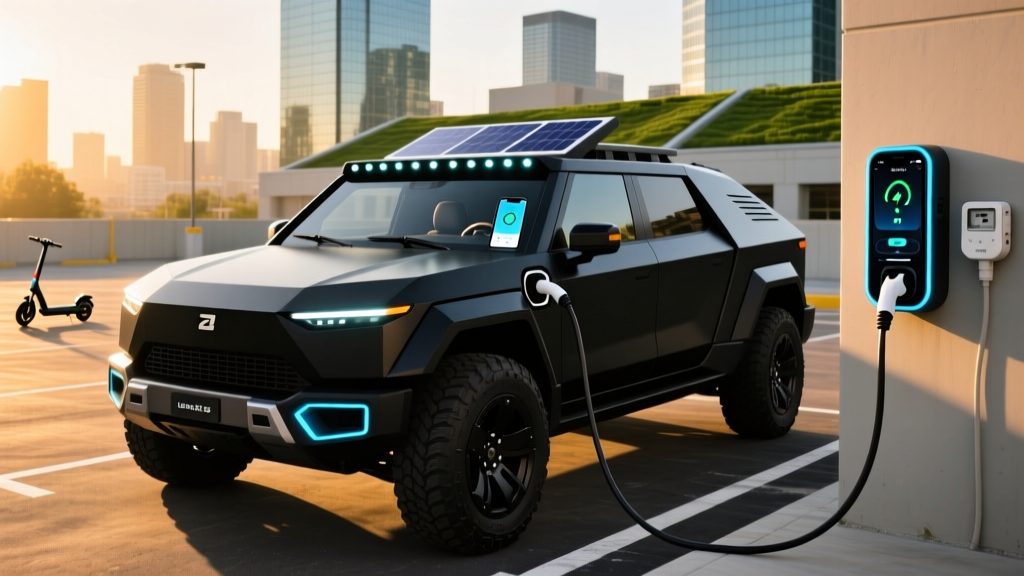
Home charging remains the primary refueling method for most EV owners. Level 2 home chargers (240V) can fully replenish most EV batteries overnight, and the installation of home charging equipment has become a routine part of the EV ownership journey. For a complete guide to setting up home charging, see our home EV charging guide.
Interior, Technology & Connectivity
The interior experience of modern EVs has become a major sales driver, with buyers expecting cutting-edge technology, premium materials, and seamless connectivity. Electric vehicles, free from the packaging constraints of internal combustion engines, often feature flat floors, spacious cabins, and innovative storage solutions that enhance daily usability.
Technology highlights across top-selling EVs include:
- Tesla Model 3 / Model Y: Minimalist interiors centered around a large touchscreen, over-the-air (OTA) software updates, and advanced driver-assistance features through Autopilot and available Full Self-Driving capability.
- Mercedes-Benz EQS / EQE: The hyperscreen dashboard spans the full width of the instrument panel, offering a visually stunning and highly functional interface. MBUX infotainment with augmented-reality navigation sets a luxury benchmark.
- Hyundai Ioniq 5 / Kia EV6: Dual-screen setups, vehicle-to-load (V2L) capability allowing the vehicle to power external devices, and augmented-reality head-up displays on higher trims.
- BMW iX: A curved display panel, iDrive 8 software, crystal controls, and an available Bowers & Wilkins surround sound system create a tech-forward luxury environment.
- Rivian R1T / R1S: Adventure-oriented interiors with durable materials, a large central touchscreen, and a unique camp kitchen accessory that leverages the vehicle's front trunk (frunk).
Over-the-air updates have become a standard expectation, enabling automakers to improve vehicle functionality, add features, and address issues remotely — long after the vehicle has left the dealership. This capability enhances long-term ownership satisfaction and has become a meaningful factor in purchase decisions.
Connectivity features such as built-in navigation with real-time charger availability, smartphone integration via Apple CarPlay and Android Auto, and app-based remote controls (preconditioning, charging management, location tracking) are now table stakes in the EV market. For more on tech-forward EVs, explore our best EV technology features roundup.
Driving Dynamics & Performance
Electric vehicles have shattered the stereotype that eco-friendly means slow or uninspiring. The instant torque delivery of electric motors provides exhilarating acceleration, and the low center of gravity afforded by underfloor battery packs contributes to confident handling and stability.
Performance benchmarks across popular models:
- Tesla Model S Plaid: 0–60 mph in under 2 seconds — among the quickest production cars ever made, regardless of powertrain.
- Porsche Taycan Turbo S: 0–60 mph in approximately 2.4 seconds, with a chassis tuned for both track performance and daily comfort.
- BMW i4 M50: 0–60 mph in roughly 3.7 seconds, blending M-car dynamics with electric efficiency.
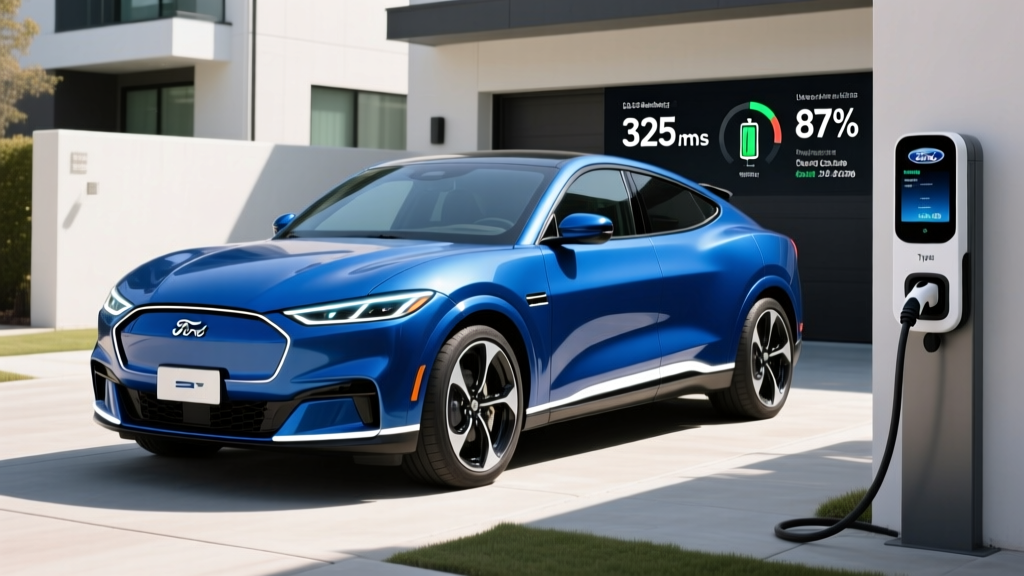
- Ford Mustang Mach-E GT: 0–60 mph in approximately 3.5 seconds, delivering sports-car acceleration in a practical crossover package.
- Hyundai Ioniq 5 N: A performance-oriented EV with simulated gear shifts, enhanced thermal management, and track-capable dynamics that challenge the notion that EVs can't be engaging on a circuit.
Beyond outright speed, the driving character of EVs offers distinct advantages. Regenerative braking enables one-pedal driving in many models, reducing brake wear and simplifying urban commutes. The absence of engine noise creates serene cabin environments, though some manufacturers — like Hyundai with the Ioniq 5 N and Dodge with the Charger Daytona EV — have introduced synthetic sound profiles to enhance driver engagement.
Suspension tuning varies significantly across the segment. Luxury-oriented EVs like the Mercedes EQS and BMW iX prioritize ride comfort with adaptive air suspensions, while performance models like the Porsche Taycan and Tesla Model 3 Performance favor firmer setups for sharper handling. Understanding your driving priorities is essential — our best performance EVs guide breaks down the top choices for driving enthusiasts.
Ownership Costs & Value Proposition
Total cost of ownership (TCO) is a decisive factor in EV sales, and electric vehicles increasingly present a compelling financial case. While upfront purchase prices can still exceed comparable internal combustion vehicles, the long-term savings in fuel, maintenance, and potential tax incentives often tip the balance in favor of electrification.
Key ownership cost considerations include:
- Fuel savings: Electricity costs per mile are typically a fraction of gasoline costs. According to the EPA, many EVs cost the equivalent of $1.00 to $1.50 per gallon of gasoline to operate, depending on local electricity rates.
- Maintenance savings: EVs have fewer moving parts than combustion vehicles — no oil changes, no spark plugs, no exhaust systems. Brake wear is also reduced thanks to regenerative braking. Studies by Consumer Reports and other organizations have estimated lifetime maintenance savings of $4,000 to $9,000 compared to gasoline vehicles.
- Tax incentives & rebates: Federal, state, and local incentives can significantly reduce the effective purchase price. Buyers should consult current eligibility requirements, as incentive structures evolve regularly.
- Insurance costs: EV insurance premiums have historically been higher than those for combustion vehicles, reflecting higher repair costs and vehicle values. However, as the EV fleet grows and repair expertise expands, premiums are gradually normalizing.
- Depreciation: EV resale values have shown variability. Early models suffered steep depreciation due to rapid technological advancement and battery degradation concerns. Newer models with longer-range batteries and established brand reputations — particularly from Tesla, Porsche, and Hyundai-Kia — have demonstrated stronger residual values.
- Battery longevity: Most manufacturers offer battery warranties of 8 years or 100,000 miles. Independent data suggests that modern lithium-ion battery packs retain 85% to 95% of their original capacity after 100,000 miles, alleviating earlier concerns about premature battery failure.
For buyers evaluating the financial case, our EV total cost of ownership calculator provides personalized estimates based on your driving habits, local electricity rates, and available incentives.
Pros & Cons: EV Market Strengths & Challenges
Strengths Driving EV Sales
- Expanding model variety: Buyers can now choose EVs in virtually every body style and price segment, from affordable compacts to luxury flagships.
- Performance advantages: Instant torque, smooth acceleration, and low centers of gravity deliver a driving experience that wins over skeptics.
- Environmental benefits: Zero tailpipe emissions contribute to improved air quality and reduced greenhouse gas output, particularly as electricity grids incorporate more renewable energy.
- Lower operating costs: Reduced fuel and maintenance expenses make EVs increasingly attractive from a total-cost perspective.
- Technology leadership: EVs tend to feature the latest in infotainment, driver assistance, and connectivity, appealing to tech-savvy consumers.
- Government support: Incentives, infrastructure investments, and emissions regulations create a favorable policy environment for EV adoption.
Challenges That Persist
- Charging infrastructure gaps: While improving, public charging availability remains uneven, particularly in rural areas and for apartment dwellers without home charging access.
- Charging time: Even the fastest EVs require significantly more time to "refuel" than a gasoline vehicle, which can impact road-trip convenience.
- Upfront cost: Despite price compression, many EVs still carry a premium over equivalent combustion vehicles, though this gap continues to narrow.
- Cold-weather range loss: Battery efficiency decreases in freezing temperatures, which can be a concern for buyers in northern climates.
- Grid capacity concerns: As EV adoption scales, ensuring that electrical grids can handle increased demand — particularly during peak hours — remains an ongoing challenge for utilities and policymakers.
- Supply chain dependencies: Battery production relies on critical minerals such as lithium, cobalt, and nickel, creating geopolitical and ethical sourcing considerations.
EV Comparison Table: Key Specifications
| Vehicle | EPA Range (mi) | Peak DC Charging | 0–60 mph | Drivetrain | Starting MSRP (approx.) |
|---|---|---|---|---|---|
| Tesla Model 3 Long Range | 341 | 250 kW | 4.2 sec | AWD | $47,000 |
| Hyundai Ioniq 6 SE LR | 361 | 250 kW | 5.1 sec | RWD | $42,000 |
| BMW iX xDrive50 | 307 | 200 kW | 4.4 sec | AWD | $87,000 |
| Porsche Taycan 4S | 246 | 270 kW | 3.8 sec | AWD | $105,000 |
| Ford F-150 Lightning Ext. Range | 320 | 150 kW | 4.0 sec | AWD | $70,000 |
| Chevrolet Equinox EV 3RS | 319 | 150 kW | 5.5 sec | FWD | $43,000 |
| Lucid Air Grand Touring | 516 | 300 kW | 3.0 sec | AWD | $138,000 |
| Kia EV6 GT-Line AWD | 282 | 250 kW | 4.5 sec | AWD | $53,000 |
| Rivian R1T Dual-Motor | 328 | 200 kW | 4.5 sec | AWD | $73,000 |
| Mercedes-Benz EQS 450+ | 340 | 200 kW | 5.9 sec | RWD | $105,000 |
Note: Specifications are based on manufacturer data and EPA estimates at time of publication. Prices and features may vary by market and model year. Always verify current specifications with the manufacturer or your local dealer.
Frequently Asked Questions
What is driving the growth in electric vehicle sales?
EV sales growth is driven by a combination of factors: expanding model availability across all price segments, declining battery costs that reduce purchase prices, growing public charging infrastructure, government incentives and emissions regulations, and increasing consumer awareness of the environmental and financial benefits of electric mobility. Fleet and commercial electrification also contribute meaningful volume. As more consumers experience EVs firsthand through test drives, ride-sharing services, or peer recommendations, adoption continues to accelerate organically.
Which EVs offer the best value for money?
Value in the EV market depends on your priorities, but several models consistently rank highly for their balance of range, features, and price. The Hyundai Ioniq 6, Chevrolet Equinox EV, and Tesla Model 3 are frequently cited as top value picks, offering over 300 miles of EPA-rated range with competitive pricing. For buyers seeking affordable crossovers, the Hyundai Ioniq 5, Kia EV6, and Volkswagen ID.4 represent strong options. Luxury buyers may find the BMW i4 and Genesis Electrified GV70 offer compelling packages relative to higher-priced competitors. Consult our best affordable EVs list for detailed recommendations.
How reliable are electric vehicles compared to gasoline cars?
Electric vehicles generally have fewer mechanical components than internal combustion vehicles, which can translate to improved reliability over time. There are no oil changes, timing belts, exhaust systems, or complex multi-speed transmissions to maintain. However, EVs do introduce new considerations — battery health, electric motor durability, and software reliability. Data from organizations like Consumer Reports suggests that EVs from established manufacturers with proven platforms tend to deliver strong reliability ratings. Battery degradation has proven less severe than early skeptics feared, with most modern packs retaining the vast majority of their capacity well beyond 100,000 miles.
Is now a good time to buy an electric vehicle?
For many buyers, the current market offers an excellent entry point into electric mobility. Model selection has never been broader, prices are becoming more competitive, and charging infrastructure continues to improve. However, the right timing depends on your individual circumstances. If you have access to home charging, drive within the range of available models, and can take advantage of applicable incentives, an EV can deliver immediate financial and experiential benefits. Buyers who frequently take very long road trips through areas with limited charging infrastructure, or who lack reliable home or workplace charging access, may want to weigh these constraints carefully. Plug-in hybrids can serve as a transitional option for those not yet ready to go fully electric.
How do EV sales trends affect resale values?
EV resale values are influenced by several factors, including the pace of technological advancement, battery health, brand reputation, and overall market demand. Rapid improvements in range and charging speed can cause older models to depreciate more quickly as newer vehicles render them comparatively less appealing. However, as the EV market matures and technology improvements become more incremental, depreciation curves are expected to stabilize. Strong brand loyalty (as seen with Tesla and Porsche), robust battery warranties, and certified pre-owned programs all support residual values. Buyers concerned about depreciation may consider leasing, which transfers residual value risk to the leasing company, or purchasing models from brands with historically strong resale performance.
Final Thoughts
The electric vehicle sales landscape reflects an industry in the midst of a historic transformation. With every passing quarter, EVs become more capable, more affordable, and more mainstream. The data from industry analysts, government agencies, and independent testers consistently points to a future where electric propulsion is the default rather than the exception.
For consumers, this is an era of unprecedented choice and value. Whether you prioritize range, performance, luxury, affordability, or practicality, there is an EV that fits your needs. The key is to evaluate your specific driving patterns, charging access, and budget — and to take advantage of the wealth of information and tools available to make an informed decision.
Explore more of our EV coverage:
- Best Electric SUVs
- Best Electric Trucks
- EV Charging Networks Compared
- EV Tax Credits & Incentives Guide
The electric revolution isn't coming — it's here. And the data shows it's only accelerating.