Electric Vehicle Sales Review: PwC Q1 Analysis & Market Trends
The electric vehicle market continues to evolve at a remarkable pace, and understanding the latest sales data is essential for anyone considering making the switch to an EV. PwC's comprehensive quarterly analysis of electric vehicle sales provides critical insights into global adoption patterns, regional performance, and the shifting competitive landscape among automakers. Whether you are a first-time EV buyer or a seasoned electric vehicle enthusiast, these findings shape the decisions you will make about which models to consider, when to buy, and how the broader market is trending.
In this in-depth review, we break down the key takeaways from PwC's Q1 electric vehicle sales data, examine what the numbers mean for consumers, and connect the dots between market-level trends and the real-world vehicles sitting on dealer lots today. For a broader look at the current EV landscape, check out our best electric vehicles roundup and our detailed EV comparison guide.
Global Electric Vehicle Sales Overview
PwC's quarterly analysis paints a picture of an electric vehicle market that is maturing rapidly but unevenly across different regions. Global EV sales — encompassing both battery electric vehicles (BEVs) and plug-in hybrid electric vehicles (PHEVs) — continued their upward trajectory, with total units sold reflecting sustained consumer interest despite fluctuating economic conditions and shifting government incentive programs.
Battery electric vehicles accounted for the majority of new plug-in registrations in most major markets, reinforcing the industry's long-term direction toward fully electric powertrains. However, plug-in hybrids experienced a notable resurgence in several European countries, where consumers are using them as a bridge technology while public charging infrastructure continues to expand.
China remained the dominant force in global EV sales volume, driven by aggressive pricing from domestic manufacturers, robust government support, and an increasingly sophisticated supply chain for batteries and components. Europe held its position as the second-largest EV market, though growth rates varied significantly between Western and Eastern European nations. North America showed steady but comparatively modest growth, with the United States representing the bulk of the region's EV sales.
One of the most striking observations from PwC's data is the growing diversity of the EV market. Legacy automakers are no longer the only players — Chinese brands, new startups, and technology companies entering the automotive space are all contributing to an increasingly competitive environment. This competition benefits consumers through lower prices, faster innovation cycles, and a wider selection of vehicles across every segment.
| Metric | Details |
|---|---|
| Global BEV + PHEV Market Share | Continued growth across all major regions |
| Leading Region by Volume | China |
| Fastest-Growing Segment | Affordable compact BEVs & mid-size SUVs |
| Top Powertrain Trend | BEVs outpacing PHEVs globally |
| Key Growth Driver | Expanding model availability & price competition |
| Charging Infrastructure | Public fast-charger deployment accelerating |
| Battery Cost Trend | Declining per-kWh costs enabling lower MSRP vehicles |
Regional Sales Breakdown & Market Share Trends
Understanding regional dynamics is crucial because the EVs available to you — and the incentives you can access — depend heavily on where you live. PwC's regional breakdown reveals distinct patterns that every prospective buyer should understand.
China: Volume Leader & Price Disruptor
China's EV market dwarfs all others in sheer volume. Domestic manufacturers such as BYD, NIO, Xpeng, and Li Auto have driven fierce competition that has pushed prices down and technology up. The Chinese market benefits from a deeply integrated battery supply chain, with companies like CATL supplying cells to automakers worldwide. PwC's data shows that affordable EVs — those priced below the equivalent of $30,000 USD — represent a significant and growing share of Chinese EV sales, a segment that remains underserved in North America and Europe.
According to EPA green vehicle data, the global push toward lower-cost battery production is expected to eventually benefit consumers in every market, though the timeline varies by region.
Europe: Policy-Driven Growth With PHEV Resilience
European EV adoption continues to be heavily influenced by emissions regulations, national incentive programs, and urban low-emission zones. Countries like Norway, the Netherlands, and Sweden maintain some of the highest EV market shares in the world. However, PwC's analysis highlights that the removal or reduction of subsidies in certain markets — notably Germany — caused short-term fluctuations in registration numbers.
Plug-in hybrids have found a durable niche in Europe, particularly among fleet buyers and company car drivers who benefit from favorable tax treatment. For consumers evaluating whether a PHEV or BEV is the right choice, our BEV vs. PHEV comparison breaks down the pros and cons of each approach.
North America: Steady Expansion & New Model Introductions
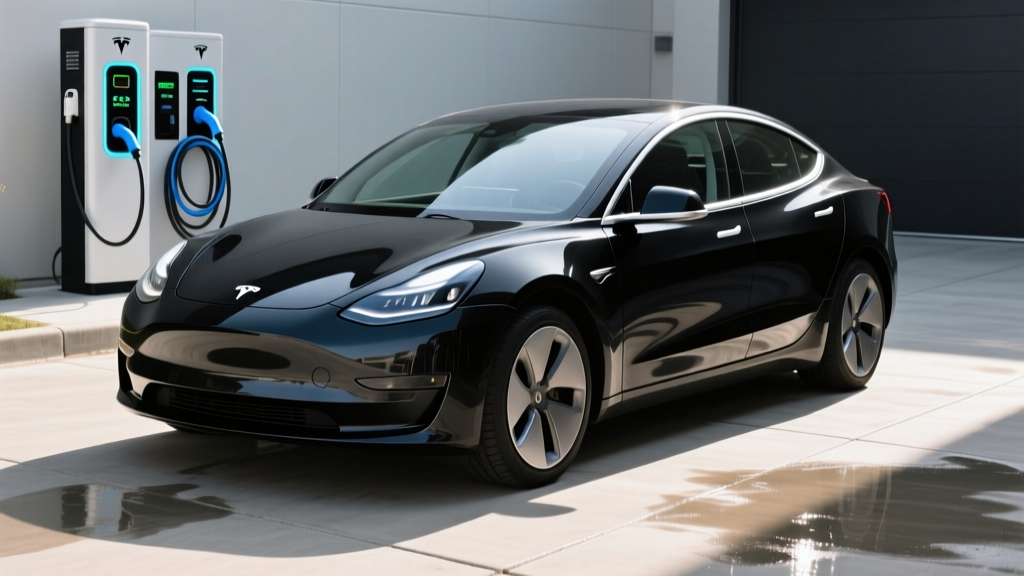
The North American market, led by the United States, showed consistent EV sales growth. Tesla continues to command a significant share of the U.S. BEV market, but competitors including Hyundai, Kia, Ford, General Motors, and BMW are steadily gaining ground with compelling new models. PwC's data underscores the impact of new model introductions — each time a well-reviewed, competitively priced EV enters the market, it pulls new buyers into the electric vehicle ecosystem.
The adoption of the North American Charging Standard (NACS) by nearly all major automakers is also simplifying the charging experience and reducing one of the most commonly cited barriers to EV adoption. Learn more in our NACS charging standard guide.
Best-Selling EV Models & What Makes Them Popular
PwC's sales data reveals clear winners in the global EV market, and understanding why these models succeed offers valuable lessons for anyone shopping for an electric vehicle.
The Tesla Model Y remains one of the best-selling electric vehicles globally, thanks to its combination of competitive EPA-rated range, access to the Supercharger network, strong software features, and relatively accessible pricing within the premium crossover segment. Its real-world range of approximately 280–310 miles (depending on configuration and driving conditions) and DC fast-charging capability of up to 250 kW make it a practical daily driver and road-trip companion.
The BYD Atto 3 (also known as the Yuan Plus in some markets) has emerged as a global sales powerhouse, particularly in Asia-Pacific and European markets. Its competitive price point, solid build quality, and respectable range of around 260 miles (WLTP) make it an attractive entry point for first-time EV buyers.
In North America, models like the Hyundai Ioniq 5, Kia EV6, and Ford Mustang Mach-E have carved out significant market shares. The Ioniq 5 and EV6, built on Hyundai Motor Group's E-GMP platform, offer 800-volt architecture that enables ultra-fast DC charging — from 10% to 80% in approximately 18 minutes under optimal conditions. Independent testing by outlets such as Edmunds has confirmed that these vehicles deliver charging speeds and range figures that closely align with manufacturer claims.
For buyers focused on value, our best affordable electric vehicles list highlights the top budget-friendly EVs currently available.
Real-World Range, Charging Speed & Infrastructure Insights
Sales data tells only part of the story. The vehicles that sell best are typically those that deliver satisfying real-world ownership experiences, and range and charging remain the two most important factors for EV buyers.
Real-World Range Performance
PwC's analysis aligns with broader industry data showing that EVs with EPA-rated ranges between 250 and 350 miles represent the sweet spot for mainstream adoption. Vehicles in this range alleviate most range anxiety concerns while keeping battery costs — and therefore vehicle prices — manageable.
Independent testing consistently shows that real-world range can vary from EPA estimates by 5–15% depending on factors such as ambient temperature, driving speed, terrain, and climate control usage. Cold weather remains a significant factor: tests conducted by Consumer Reports and other organizations have demonstrated that some EVs can lose 20–30% of their rated range in freezing conditions. Vehicles equipped with heat pump systems tend to perform better in cold climates, as they use less energy to heat the cabin compared to resistive heating elements.
Charging Speed & the Fast-Charging Race
DC fast-charging capability has become a key differentiator among EVs. The current market spans a wide range:
- Standard fast charging (50–100 kW): Found on more affordable EVs; adds roughly 100–150 miles of range in 30 minutes
- High-speed charging (150–250 kW): Common on mainstream and premium EVs; adds 150–250 miles in 20–30 minutes
- Ultra-fast charging (350+ kW capable): Available on 800V architecture vehicles; adds up to 200+ miles in 15–18 minutes under ideal conditions
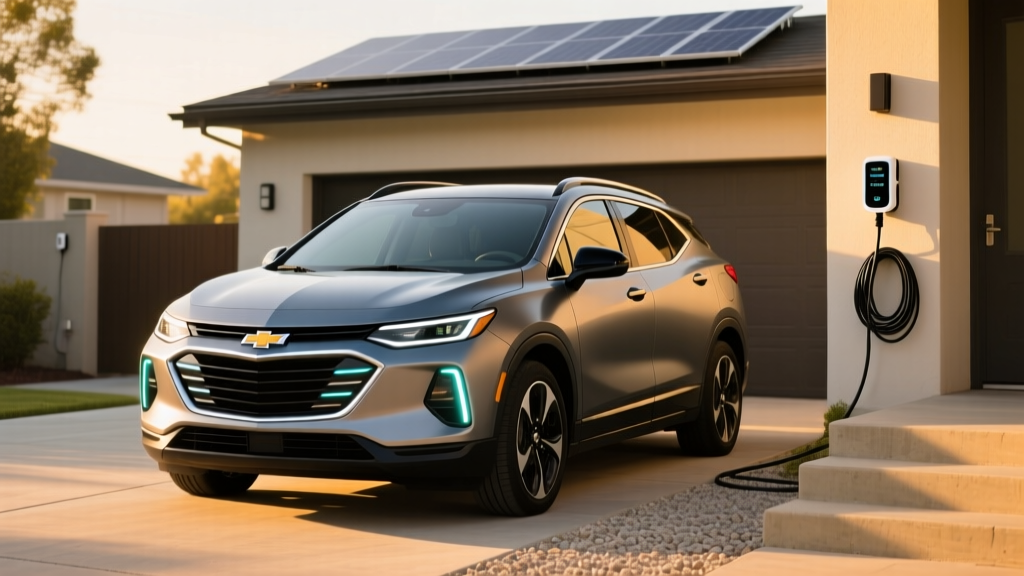
PwC's data highlights that the deployment of public fast-charging stations is accelerating globally, though the density of chargers varies enormously by region. In the United States, the combined Tesla Supercharger network and growing third-party networks from Electrify America, EVgo, and others are steadily improving coverage along major travel corridors. For a detailed look at what charging at home versus on the road looks like, read our home charging setup guide.
Interior Technology, Driving Dynamics & Ownership Costs
Beyond range and charging, the best-selling EVs share common traits in interior technology, driving refinement, and total cost of ownership — all factors that PwC's consumer sentiment data identifies as key purchase drivers.
Interior Technology & Software
Modern EVs have raised the bar for in-car technology. Large touchscreen infotainment systems, over-the-air (OTA) software updates, advanced driver assistance systems (ADAS), and seamless smartphone integration are now expected features rather than premium extras. Tesla's software-first approach has influenced the entire industry, pushing legacy automakers to invest heavily in their own software platforms.
Features such as one-pedal driving, customizable regenerative braking, pre-conditioning via smartphone apps, and route-based battery pre-heating for faster charging have become important quality-of-life features that differentiate the best EVs from the merely adequate ones.
Driving Dynamics
Electric vehicles inherently offer advantages in driving dynamics thanks to instant torque delivery, a low center of gravity (due to floor-mounted battery packs), and the absence of a multi-speed transmission. Even mainstream EVs deliver acceleration that would have been considered sports-car territory just a decade ago. The Hyundai Ioniq 5, for example, offers a 0–60 mph time of approximately 5.0 seconds in its dual-motor AWD configuration — a figure confirmed by independent testing.
Ride quality and noise refinement are additional areas where EVs excel. Without an internal combustion engine, cabin noise levels at highway speeds are significantly lower than comparable gasoline vehicles, contributing to a more relaxed driving experience on long trips.
Ownership Costs & Total Cost of Ownership
One of the most compelling arguments for EV adoption — and a factor reflected in PwC's sales analysis — is the favorable total cost of ownership (TCO) that many electric vehicles offer. Key TCO advantages include:
- Lower fuel costs: Electricity is generally cheaper per mile than gasoline, and home charging offers the best rates
- Reduced maintenance: No oil changes, fewer moving parts, regenerative braking reduces brake wear
- Tax credits & incentives: Federal, state, and local incentives can significantly reduce the effective purchase price
- Depreciation trends: While EV depreciation has been volatile, increasing market maturity and growing used-EV demand are stabilizing residual values
According to fueleconomy.gov, the annual fuel cost for a typical EV can be 50–70% lower than a comparable gasoline vehicle, depending on local electricity rates and driving patterns. Over a five-year ownership period, these savings can offset a higher initial purchase price.
For a detailed cost analysis across popular models, see our EV total cost of ownership calculator.
Pros & Cons: What the Sales Data Tells Buyers
Based on PwC's market analysis and the broader EV landscape, here are the key advantages and considerations for prospective electric vehicle buyers:
Pros
- Expanding model selection: More EVs are available across more segments than ever before — from compact hatchbacks to full-size trucks
- Declining prices: Battery cost reductions and increased competition are pushing EV prices downward, with several models now approaching price parity with gasoline equivalents
- Improving infrastructure: Public charging networks are growing rapidly, and home charging remains the most convenient and cost-effective option for most owners
- Strong ownership experience: Low running costs, minimal maintenance, OTA updates, and instant torque make EVs genuinely enjoyable to own and drive
- Environmental benefits: Zero tailpipe emissions contribute to improved air quality, and EVs grow cleaner as electricity grids incorporate more renewable energy
Cons
- Charging infrastructure gaps: Rural areas and apartment dwellers still face challenges in accessing convenient charging
- Upfront cost premium: Despite improvements, many EVs still carry a higher sticker price than gasoline equivalents, though TCO often favors EVs over time
- Range variability: Cold weather, high speeds, and towing can significantly reduce real-world range below EPA estimates
- Charging time: Even the fastest-charging EVs require longer stops than refueling a gasoline vehicle, which impacts long road trips
- Market uncertainty: Shifting incentive programs, evolving regulations, and rapid technology changes can make timing a purchase decision challenging
For a side-by-side look at how top EVs stack up, explore our best electric SUVs and best electric sedans guides.
What PwC's Data Means for Your Next EV Purchase
The overarching message from PwC's quarterly electric vehicle sales review is one of a market that is growing, diversifying, and becoming increasingly consumer-friendly. The competitive pressure among automakers is producing better vehicles at lower prices, charging infrastructure is expanding to address the most common barriers to adoption, and the variety of available models means there is likely an EV that fits your needs and budget.
For buyers currently considering an EV, the data suggests several practical takeaways:
- Timing matters, but perfection does not: The EV market will always have newer models on the horizon. If a current model meets your needs and budget, there is no compelling reason to wait indefinitely
- Consider total cost, not just sticker price: Factor in fuel savings, maintenance reductions, and available incentives when comparing EVs to gasoline vehicles
- Test the charging ecosystem: Before buying, research the charging options available in your daily routine and along your most common road-trip routes
- Explore all segments: The best EV for you might not be the most popular one — lesser-known models sometimes offer better value or features for specific use cases
Stay up to date with the latest EV news, reviews, and buying guides at Auto Edge View, and browse our full electric vehicle section for more in-depth analysis.
Frequently Asked Questions
What are the main factors driving electric vehicle sales growth?
The primary drivers of EV sales growth include expanding model availability across all price segments, declining battery costs that enable lower vehicle prices, growing public charging infrastructure, government incentives such as tax credits and rebates, and increasing consumer awareness of the environmental and economic benefits of electric transportation. PwC's analysis also highlights the role of competitive pressure — as more automakers enter the EV market, prices decrease and innovation accelerates, creating a virtuous cycle that benefits consumers.
How do PHEV sales compare to fully electric BEV sales?
Globally, battery electric vehicles (BEVs) outsell plug-in hybrids (PHEVs) by a significant margin, and the gap continues to widen in most markets. However, PHEVs maintain strong appeal in specific regions — particularly in parts of Europe and China — where they serve as a transitional option for buyers who want electric driving for daily commutes but desire the range security of a gasoline engine for longer trips. PwC's data shows that PHEV adoption is often influenced by local tax policies and fleet purchasing patterns.
Which region has the fastest-growing EV market?
While China leads in absolute EV sales volume, several emerging markets are experiencing rapid percentage growth in EV adoption. Southeast Asian countries, parts of Latin America, and India are beginning to see meaningful EV sales increases, driven by the entry of affordable Chinese EV models and growing local government support. In mature markets like Europe and North America, growth rates are steadier but are sustained by expanding model lineups and improving charging infrastructure.
Is now a good time to buy an electric vehicle?
For most buyers, the current EV market offers more choices, better technology, and more competitive pricing than at any previous point. The combination of available tax incentives, lower operating costs, and a growing used-EV market (which provides options for budget-conscious buyers) makes EV ownership increasingly accessible. The best approach is to evaluate your specific driving needs, charging access, and budget — then test-drive several models to find the best fit. Our EV buying checklist can help guide your decision.
How does charging infrastructure affect EV sales in different regions?
Charging infrastructure is one of the strongest correlates of EV adoption rates. Regions with dense public charging networks — such as Norway, the Netherlands, and coastal California — consistently show the highest EV market shares. PwC's analysis confirms that consumers are more likely to purchase an EV when they have confidence in both daily charging convenience (home or workplace charging) and long-distance travel feasibility (highway fast-charging coverage). The ongoing expansion of fast-charging networks worldwide is expected to continue removing this barrier and accelerating adoption in underserved areas.