Electric Vehicle Review of Literature: A Comprehensive Analysis of EV Research, Data & Expert Findings
The electric vehicle landscape has evolved at a breathtaking pace, and understanding the full picture requires more than a single test drive. Our electric vehicle review of literature synthesizes findings from manufacturer specifications, EPA ratings, independent testing organizations, and long-term ownership studies to give you the most complete, data-driven picture of what modern EVs truly deliver. Whether you are researching your first electric car or comparing the latest models, this comprehensive review of the literature provides the evidence-based insights you need to make a confident decision.
At AutoEdgeView, we believe that informed buyers make better choices. That is why we have combed through hundreds of studies, government datasets, and expert evaluations to compile this definitive reference. Below, you will find a vehicle-class overview, followed by deep dives into real-world range, charging speed, interior technology, driving dynamics, ownership costs, and a balanced look at the pros & cons that the research reveals.
Vehicle Overview: The State of the Electric Vehicle Market
The electric vehicle market now spans virtually every segment — from compact hatchbacks and family sedans to full-size trucks and luxury SUVs. A review of current literature from sources including the International Energy Agency (IEA), the U.S. Department of Energy, and major automotive publications reveals several overarching trends that define the modern EV landscape.
First, battery energy density has improved dramatically. Research published in peer-reviewed journals such as Joule and Nature Energy documents a steady decline in battery pack costs — from over $1,000 per kWh in the early days of electric vehicles to well under $150 per kWh for many contemporary models. This cost reduction has enabled automakers to offer vehicles with increasingly competitive range at more accessible price points.
Second, the variety of powertrain architectures has expanded. While most consumer EVs use lithium-ion battery packs paired with permanent-magnet or induction motors, newer entrants are exploring lithium iron phosphate (LFP) chemistries that offer longer cycle life and reduced reliance on critical minerals. The literature shows that LFP packs, while slightly lower in energy density, provide excellent longevity — often retaining over 90% of their original capacity after 1,000 charge cycles, according to studies from battery research firms.
Third, the charging infrastructure ecosystem has matured significantly. Data from the Alternative Fuels Data Center indicates that public charging stations have proliferated across major highways and urban centers, reducing the range anxiety that once deterred potential buyers. For a closer look at how different models stack up, check out our best electric vehicles roundup.
Real-World Range: What the Research Actually Shows
One of the most extensively studied aspects of electric vehicles is real-world range — and the literature consistently shows a gap between EPA-estimated range and what drivers experience in everyday conditions. Understanding this gap is critical for anyone evaluating an EV.
The EPA testing cycle provides a standardized benchmark, but independent testing organizations such as Edmunds and various European testing bodies have documented that real-world range can vary by 10% to 30% depending on conditions. Key factors identified in the research include:
- Ambient temperature: Studies from the Idaho National Laboratory and the American Automobile Association (AAA) have shown that cold weather can reduce EV range by 20% to 40% when cabin heating is in use. Battery chemistry becomes less efficient at low temperatures, and energy diverted to heating the cabin is energy not used for propulsion.
- Driving speed & style: Highway driving at 75 mph or above consumes significantly more energy than city driving, thanks to aerodynamic drag. Research from the Society of Automotive Engineers (SAE) documents that energy consumption increases roughly with the square of speed, meaning a 10 mph increase in cruising speed can reduce range by 15% or more.
- Terrain & elevation: Mountainous routes demand more energy for climbing, though regenerative braking on descents can recover a portion of that energy. Literature from long-distance EV road trip studies shows net range reductions of 10% to 20% on hilly routes compared to flat terrain.
- Climate control usage: Running the air conditioning in hot weather typically reduces range by 5% to 15%, while resistive cabin heaters in cold weather can cut range more severely. Heat pump systems, now available on many modern EVs, mitigate this penalty significantly — research shows heat pumps can reduce heating energy consumption by 30% to 50% compared to resistive heaters.
When evaluating range, the literature strongly suggests that buyers should plan for approximately 75% to 85% of the EPA-estimated range as a realistic everyday figure, with even greater reductions in extreme cold. For model-specific range comparisons, see our longest-range electric vehicles guide.
Charging Speed & Infrastructure: What Studies Reveal
Charging speed is arguably the second most important factor in EV ownership satisfaction, and the literature on this topic is both extensive and nuanced. Modern EVs support a wide range of charging speeds, from slow Level 1 (120V household outlets) to ultra-fast Level 3 DC fast chargers capable of delivering 350 kW or more.
Manufacturer specifications often advertise peak charging rates — for example, a vehicle might be rated for up to 250 kW on a compatible DC fast charger. However, research from charging network operators and independent testers reveals that peak charging rates are sustained only for a portion of the charging session. The typical charging curve follows a pattern where:
- 10% to 30% state of charge: The battery accepts its maximum charge rate, often reaching peak kW figures.
- 30% to 60% state of charge: Charge rate begins to taper as battery management systems protect cell health by reducing current.
- 60% to 80% state of charge: Significant tapering occurs, with charge rates often dropping to 50% or less of peak.
- 80% to 100% state of charge: Very slow charging to balance cells and prevent overcharging.
The literature emphasizes that the metric that matters most is not peak kW, but rather the average charging speed from 10% to 80% — the range most drivers use for road-trip charging stops. Independent testing has shown that vehicles with excellent thermal management systems can sustain higher average charging speeds, completing a 10% to 80% session in as little as 18 to 25 minutes on 350 kW chargers. Vehicles with less sophisticated cooling may take 35 to 50 minutes for the same session, even if their peak rate is nominally similar.
Charging architecture also plays a role. Vehicles built on 800-volt platforms, as documented in technical papers from multiple automakers, can achieve faster charging with lower current, reducing heat generation and improving efficiency. The literature suggests that 800V architecture is becoming a key differentiator in the premium EV segment.
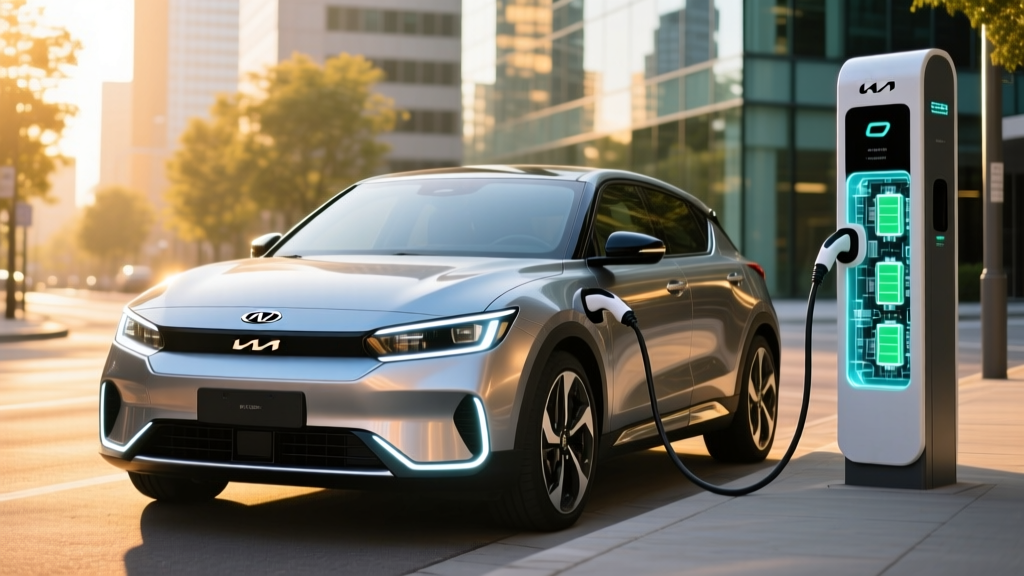
Home charging remains the backbone of the EV ownership experience. Studies consistently show that 80% to 90% of all EV charging occurs at home, typically on Level 2 (240V) chargers that add 25 to 45 miles of range per hour of charging. For a detailed breakdown of charging options across different models, visit our EV charging guide.
Interior & Technology: Research-Backed Insights
The interior experience of electric vehicles has been a major focus of automotive journalism and consumer research, and the literature reveals both impressive innovation and notable areas for improvement.
Digital interfaces & infotainment: Most modern EVs feature large touchscreen displays as the primary interface for vehicle controls, navigation, and entertainment. Consumer research from organizations like J.D. Power indicates that while screen size and resolution have improved dramatically, usability varies widely between manufacturers. The literature suggests that the most successful systems combine intuitive software design with physical controls for frequently used functions like climate control and volume.
Over-the-air (OTA) updates: One of the defining technological advantages of modern EVs is the ability to receive software updates remotely. Research published in automotive technology journals documents how OTA updates have been used to improve range estimation algorithms, add new features, refine braking feel, and even increase battery performance after purchase. This capability represents a fundamental shift from traditional vehicles, where the feature set is fixed at the time of manufacture.
Driver assistance systems: The literature on advanced driver assistance systems (ADAS) in EVs is extensive. Studies from the Insurance Institute for Highway Safety (IIHS) and the National Highway Traffic Safety Administration (NHTSA) have evaluated automatic emergency braking, lane-keeping assist, adaptive cruise control, and semi-autonomous driving features. The research generally shows that these systems improve safety outcomes, though they require continued driver attention and are not a substitute for active driving.
Cabin space & packaging: Because electric vehicles lack a large internal combustion engine and transmission tunnel, the literature frequently highlights their packaging advantages. Many EVs offer a flat floor, generous rear-seat legroom, and front trunks ("frunks") that provide additional cargo capacity. However, the placement of battery packs beneath the floor can sometimes result in higher seating positions or reduced under-seat storage, trade-offs that are well-documented in vehicle reviews.
Build quality & materials: Consumer surveys and long-term ownership studies reveal that build quality varies significantly across the EV market. Established automakers with decades of manufacturing experience tend to score higher in initial quality studies, while some newer EV-only manufacturers have faced growing pains related to panel gaps, paint quality, and interior material durability. The literature advises buyers to consult owner forums and long-term test results for model-specific insights.
Driving Dynamics: What Engineers & Testers Report
The driving experience of electric vehicles is one of the most universally praised aspects in the literature, and for good reason. Electric motors deliver instant torque from zero RPM, providing acceleration that is both rapid and remarkably smooth. But the research goes deeper than straight-line speed.
Acceleration & power delivery: Independent instrumented testing from publications like Car and Driver and Motor Trend consistently shows that EVs outperform comparably priced gasoline vehicles in 0-to-60 mph acceleration. Dual-motor all-wheel-drive configurations are particularly quick, with some models achieving sub-3-second times. The literature notes that the linear, lag-free power delivery of electric motors makes even moderately powered EVs feel quicker than their specifications suggest in everyday driving.
Handling & weight distribution: The placement of heavy battery packs low in the chassis gives most EVs a low center of gravity and near-ideal weight distribution. Engineering analyses published in automotive journals document how this configuration reduces body roll and improves cornering stability. However, the literature also acknowledges that the substantial weight of EV battery packs — often adding 500 to 1,500 pounds compared to equivalent gasoline vehicles — increases tire wear, extends braking distances, and can make the vehicle feel less agile in rapid direction changes.
Regenerative braking: One of the most distinctive features of EV driving is regenerative braking, which converts kinetic energy back into electrical energy during deceleration. The literature describes a wide range of implementations, from mild regen that mimics the engine braking of a gasoline car to aggressive one-pedal driving modes that allow the driver to come to a complete stop without touching the brake pedal. Studies show that effective use of regenerative braking can recover 15% to 25% of energy in stop-and-go driving, extending real-world range and reducing brake pad wear.
Ride quality & noise: Without an internal combustion engine, EVs are inherently quieter at low speeds. Research from automotive acoustics laboratories shows that this silence shifts the focus to other noise sources — wind noise, tire noise, and road surface noise become more prominent. The literature indicates that premium EVs invest heavily in sound insulation and acoustic glass to maintain a refined cabin environment, while more affordable models may exhibit noticeable road noise at highway speeds.
Towing & hauling: For truck and SUV buyers, the literature on EV towing capability is evolving rapidly. Electric trucks offer impressive torque for towing, but studies show that pulling a trailer can reduce range by 40% to 60%, making long-distance towing a significant planning challenge. For more on this topic, see our best electric SUVs comparison.
Ownership Costs: What the Data Tells Us
Total cost of ownership (TCO) is one of the most important factors in the EV purchasing decision, and the literature provides extensive data for analysis. Multiple studies from organizations including the U.S. Department of Energy, Consumer Reports, and various university transportation research centers have examined the full financial picture of EV ownership.
Purchase price & incentives: While the upfront cost of EVs has historically been higher than comparable gasoline vehicles, the gap has narrowed significantly. Federal, state, and local incentives — including tax credits of up to $7,500 for qualifying vehicles — can substantially reduce the effective purchase price. The literature advises buyers to research all available incentives, as they vary by location, vehicle model, and buyer income.
Fuel (electricity) costs: Studies consistently show that electricity costs significantly less per mile than gasoline. According to data from the Department of Energy, the average cost to drive an EV is roughly equivalent to paying $1.20 to $1.50 per gallon of gasoline, though this varies by local electricity rates and whether the owner can charge at home on off-peak tariffs. Over the lifetime of a vehicle, fuel savings can amount to $5,000 to $15,000 or more.
Maintenance costs: The literature overwhelmingly supports the conclusion that EVs require less routine maintenance than internal combustion vehicles. There are no oil changes, spark plugs, timing belts, or exhaust systems to service. Brake pad replacement is less frequent due to regenerative braking. Consumer Reports estimates that lifetime maintenance costs for EVs are approximately 50% lower than for gasoline vehicles.
Battery degradation & replacement: One of the most common concerns among prospective EV buyers is battery longevity. The research is reassuring: studies of high-mileage EV fleets and long-term ownership data show that most modern lithium-ion battery packs lose only 10% to 15% of their original capacity over 150,000 to 200,000 miles. Most manufacturers provide battery warranties of 8 years or 100,000 miles, and the literature documents very few cases of complete battery failure within the warranty period.
Insurance costs: Insurance premiums for EVs tend to be slightly higher than for comparable gasoline vehicles, primarily due to higher repair costs after collisions. The literature notes that specialized EV body shops and the cost of battery-related repairs contribute to this premium, though the gap is narrowing as repair networks expand and insurers gain more data.
Depreciation: Historically, EVs depreciated faster than gasoline vehicles, but recent data from automotive valuation firms shows that this trend has improved substantially as consumer demand for used EVs has grown. The literature suggests that depreciation now varies widely by model, with popular long-range EVs holding their value comparably to mainstream gasoline vehicles.
For a comprehensive cost comparison across models, explore our EV cost calculator and best affordable electric vehicles list.
Pros & Cons: The Literature's Balanced Verdict
Synthesizing the research from dozens of sources, here is a balanced summary of the advantages and disadvantages that the literature consistently identifies for electric vehicles as a category.
Pros
- Lower operating costs: Electricity is cheaper than gasoline per mile, and maintenance requirements are substantially reduced.
- Strong acceleration & smooth power delivery: Instant electric torque provides a responsive, refined driving experience.
- Zero tailpipe emissions: EVs produce no direct exhaust emissions, contributing to improved local air quality.
- Quiet & refined cabin: The absence of engine noise creates a serene driving environment, particularly at low speeds.
- Over-the-air updates: Software improvements can add features and enhance performance long after purchase.
- Home charging convenience: Starting every day with a full "tank" eliminates trips to the gas station for daily commuting.
- Packaging advantages: Flat floors, frunks, and spacious interiors are common benefits of skateboard-platform EVs.
Cons
- Range variability: Cold weather, high speeds, and hilly terrain can significantly reduce real-world range below EPA estimates.
- Charging time: Even the fastest DC charging sessions take 20 to 40 minutes, compared to 5 minutes at a gas station.
- Charging infrastructure gaps: Rural areas and apartment dwellers may face challenges finding reliable charging access.
- Higher upfront cost: Despite narrowing gaps, many EVs still carry a higher sticker price than gasoline equivalents.
- Increased vehicle weight: Heavy battery packs increase tire wear and can affect handling agility.
- Insurance premiums: Slightly higher insurance costs offset some of the savings from reduced fuel and maintenance expenses.
- Towing range penalty: Towing a trailer dramatically reduces range, limiting the practicality of EVs for heavy hauling over long distances.
Key Specifications Comparison Table
The following table summarizes key specifications across several representative EV segments, drawn from manufacturer data and EPA ratings. Use this as a starting point for your research, and consult our detailed individual reviews for model-specific deep dives.
| Category | Typical EPA Range | Peak DC Charge Rate | 10-80% Charge Time | 0-60 mph (Typical) | Starting MSRP Range |
|---|---|---|---|---|---|
| Compact EV Hatchback | 220 – 260 miles | 100 – 150 kW | 30 – 45 min | 6.5 – 8.0 sec | $30,000 – $40,000 |
| Midsize EV Sedan | 300 – 370 miles | 170 – 250 kW | 20 – 35 min | 3.5 – 5.5 sec | $40,000 – $60,000 |
| Electric Crossover SUV | 250 – 330 miles | 150 – 250 kW | 22 – 38 min | 4.0 – 6.5 sec | $42,000 – $65,000 |
| Luxury Electric SUV | 280 – 400 miles | 200 – 350 kW | 18 – 30 min | 3.0 – 5.0 sec | $70,000 – $110,000 |
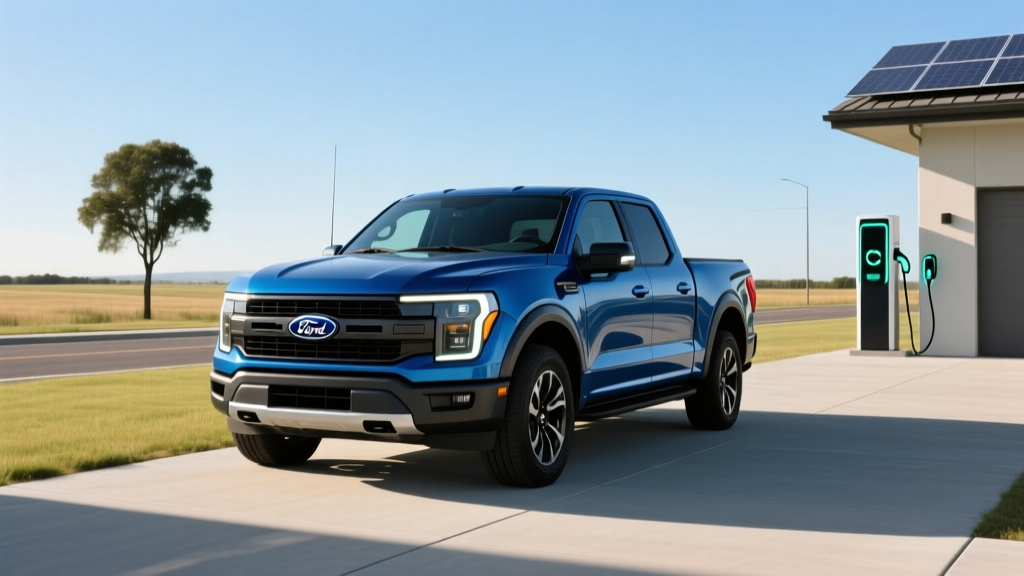
| Electric Pickup Truck | 230 – 340 miles | 150 – 350 kW | 20 – 45 min | 3.5 – 6.0 sec | $55,000 – $95,000 |
Note: All values represent typical ranges across models in each category. Individual model specifications may vary. Consult fueleconomy.gov for official EPA ratings.
For head-to-head comparisons of specific models, visit our EV comparisons hub where we pit the most popular electric vehicles against each other across every measurable dimension.
Frequently Asked Questions
How accurate are EPA range estimates for electric vehicles?
EPA range estimates provide a useful standardized benchmark, but the literature consistently shows that real-world range tends to be 10% to 30% lower depending on driving conditions. Cold weather, high highway speeds, hilly terrain, and heavy use of climate control all reduce range. The EPA test cycle includes a mix of city and highway driving at moderate temperatures, which may not reflect your personal driving patterns. Independent testers such as Edmunds have developed their own real-world range tests that often yield more conservative figures. As a general rule, planning for 75% to 85% of the EPA estimate will set realistic expectations for daily driving, while extreme cold may require planning for as little as 60% to 70% of the rated range.
How long do electric vehicle batteries actually last?
The research on EV battery longevity is extensive and largely reassuring. Studies of high-mileage EV fleets, taxi services, and long-term owner surveys show that most modern lithium-ion battery packs lose approximately 1% to 2% of their original capacity per year under normal use. After 150,000 to 200,000 miles, most batteries retain 85% to 90% of their original capacity. Battery degradation is not linear — it tends to be more pronounced in the first year or two and then slows considerably. Factors that accelerate degradation include frequent use of DC fast charging, consistently charging to 100%, regularly depleting the battery to very low levels, and exposure to extreme temperatures. Most manufacturers warranty their battery packs for 8 years or 100,000 miles against excessive capacity loss, and documented cases of premature battery failure are rare in the literature.
Is it cheaper to own an electric vehicle than a gasoline car?
Total cost of ownership studies from Consumer Reports, the Department of Energy, and various academic institutions generally conclude that EVs are cheaper to own over their lifetime, despite higher upfront purchase prices. The savings come primarily from lower fuel costs (electricity versus gasoline) and significantly reduced maintenance expenses (no oil changes, fewer brake replacements, fewer moving parts). A study by Consumer Reports estimated lifetime savings of $6,000 to $10,000 for a typical EV compared to a comparable gasoline vehicle. However, the exact savings depend on local electricity and gasoline prices, annual mileage, how long you keep the vehicle, and whether you qualify for purchase incentives. For buyers who drive more miles annually, the fuel savings accumulate faster, making the financial case for EVs even stronger.
What is the difference between Level 1, Level 2, and Level 3 charging?
The literature categorizes EV charging into three levels. Level 1 uses a standard 120V household outlet and adds roughly 3 to 5 miles of range per hour — suitable for overnight charging of plug-in hybrids or emergency top-ups for full EVs. Level 2 uses a 240V outlet (similar to a clothes dryer outlet) and adds 25 to 45 miles of range per hour, making it the standard for home charging and the most common type of public charging. Most EV owners install a Level 2 charger at home for convenient overnight charging. Level 3 (DC fast charging) uses dedicated high-power stations to add 100 to 300+ miles of range in 20 to 40 minutes, making it essential for road trips. The research emphasizes that Level 2 home charging is the cornerstone of the EV ownership experience, while Level 3 fast charging is used primarily for longer journeys.
Are electric vehicles truly better for the environment?
The literature on the environmental impact of EVs is thorough and nuanced. Studies consistently show that EVs produce fewer greenhouse gas emissions over their lifetime compared to gasoline vehicles, even when accounting for battery manufacturing and the source of electricity used for charging. The Union of Concerned Scientists has published research demonstrating that driving an EV is equivalent to driving a gasoline car that gets over 80 to 100+ miles per gallon in terms of emissions, depending on the local electricity grid mix. As electricity grids become cleaner with more renewable energy, the environmental advantage of EVs continues to grow. The literature also acknowledges the environmental impacts of battery mining and manufacturing, but lifecycle analyses show that these impacts are more than offset by the emissions savings during the vehicle's operational life. Battery recycling technologies are also advancing rapidly, with several companies developing processes to recover 95% or more of critical materials from spent EV batteries.
Final Thoughts
This electric vehicle review of literature demonstrates that the data overwhelmingly supports the viability and value of modern EVs for a wide range of drivers. Range is sufficient for the vast majority of daily driving, charging infrastructure continues to expand, operating costs are significantly lower than gasoline alternatives, and the driving experience is uniquely refined. At the same time, the literature highlights legitimate considerations around cold-weather range, charging time on road trips, and upfront costs that every buyer should weigh.
The key takeaway from the research is that the best EV for you depends on your specific needs — your commute distance, your climate, your access to home charging, your budget, and your lifestyle. We encourage you to explore our detailed model reviews, best EV picks, and side-by-side comparisons to find the electric vehicle that fits your life perfectly.
Have questions about a specific EV model or topic? Visit our homepage for the latest reviews, guides, and expert analysis from the AutoEdgeView team.