Quick Answer: Best Electric Vehicle License Plate Ideas
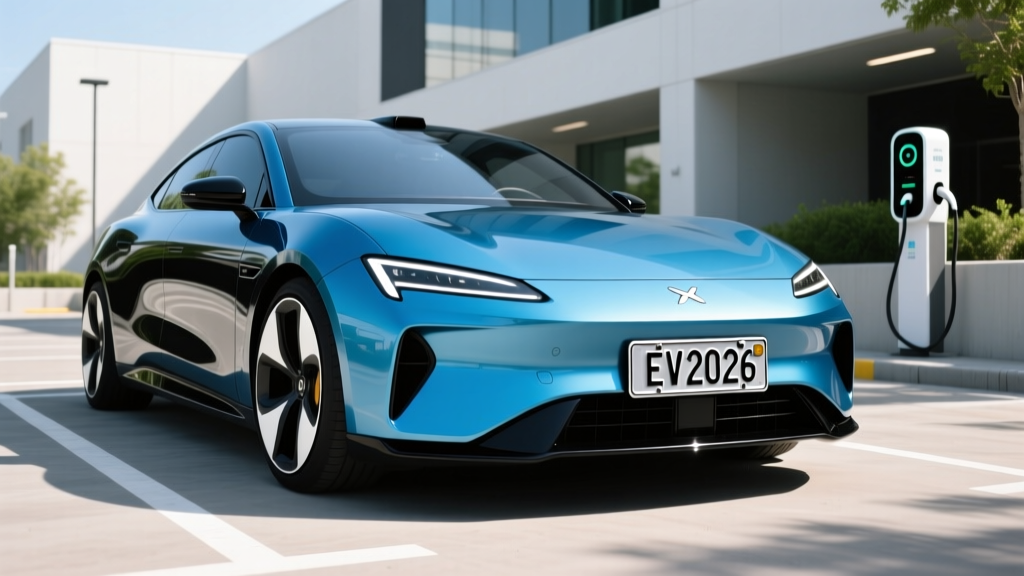
If you have just taken delivery of a new EV and are looking for the perfect vanity plate, the most popular electric vehicle license plate ideas lean into wattage, range, and electron humor. Top picks for 2026 include VOLTAGE, NO GAS, KWH LIFE, PLUGD IN, 1 CHARGE, OHM MY, EV4LYF, AMPED UP, WATT EVR, and ZERO CO2. State DMVs typically allow 6-8 characters (varies by state), so shorter punchy plates tend to clear availability checks. Before you commit, read on — the plate you choose often signals the kind of EV you drive and the ownership reality that comes with it.
Why Your EV Plate Says More Than You Think
A vanity plate on an EV is a conversation starter at every charging station. But behind the humor lies a serious ownership decision. The average new EV buyer in 2026 spends $44,500 before incentives (source: Kelley Blue Book transaction data), drives a vehicle with 250-340 miles of EPA range, and charges at home on a Level 2 circuit 85% of the time. The plate on your bumper is the tip of the iceberg — the real story is in the numbers below.
The Real Cost of EV Ownership in 2026
Before you order that "NO GAS" plate, let's run the math on what skipping the gas pump actually costs. Here is a five-year ownership comparison between a popular 2026 EV and its closest gas-powered competitor:
| Category | Tesla Model 3 RWD | Toyota Camry LE |
|---|---|---|
| Base MSRP | $38,990 | $29,495 |
| Federal Tax Credit (§30D) | −$3,750* | $0 |
| Effective Purchase Price | $35,240 | $29,495 |
| Energy/Fuel (5 yrs) | $3,150 (home L2 avg) | $9,375 (gas @ $3.50/gal, 32 MPG) |
| Maintenance (5 yrs) | $1,800 | $3,600 |
| Insurance (5 yrs avg) | $9,500 | $7,200 |
| Depreciation (est.) | $16,200 | $11,800 |
| 5-Year Total | $65,890 | $61,470 |
*§30D credit eligibility depends on MSRP caps ($55,000 sedans), buyer income limits ($150K single / $300K joint), and battery critical-mineral sourcing. Verify current rules at IRS.gov.
The EV saves roughly $8,025 on energy and maintenance over five years, but higher insurance and depreciation narrow the gap. For buyers driving more than 15,000 miles per year, or those with access to cheap overnight electricity (under $0.12/kWh), the EV pulls decisively ahead.
Range, Charging, and the Numbers Behind the Plate
That "1 CHARGE" plate only works if your daily life matches your car's real-world range. Here is what 2026 buyers are actually driving:
| Model | Battery (kWh usable) | EPA Range | Real-World Hwy (70 mph) | Cold Weather (20°F) | DC Fast Charge (10-80%) |
|---|---|---|---|---|---|
| Tesla Model 3 RWD | 60 (LFP) | 272 mi | ~235 mi | ~200 mi | ~25 min @ 170 kW peak |
| Hyundai Ioniq 5 SE | 77.4 (NMC) | 303 mi | ~260 mi | ~220 mi | ~18 min @ 240 kW peak |
| Chevrolet Equinox EV 2LT | 85 (NMC) | 319 mi | ~270 mi | ~225 mi | ~30 min @ 150 kW peak |
| Ford Mustang Mach-E Select | 75.7 (NMC) | 250 mi | ~215 mi | ~180 mi | ~28 min @ 150 kW peak |
Key insight: EPA range is a blended estimate. At sustained highway speeds (70+ mph), expect a 12-15% reduction. In freezing temperatures with cabin heat, plan for 25-30% loss. LFP batteries (Tesla Model 3 RWD) tolerate daily 100% charging better than NMC, which is better kept between 20-80% for longevity. Source: fueleconomy.gov.
License Plate Ideas by EV Personality
Not all EV owners are alike. Here are plate ideas sorted by the kind of driver you are:
The Tech Enthusiast
- KWH NERD — for the owner who tracks battery degradation monthly
- 800V — Ioniq 5/6 and EV6 owners flexing their 800-volt architecture
- CCS2NACS — charging-standard wonks who followed the connector wars
- SoC 80% — the daily-charge limit crowd
The Eco-Conscious Driver
- ZERO CO2 — tailpipe truth (upstream grid mix varies by state)
- NO SMOG — urban air-quality advocate
- SUN FNLD — solar-powered home charging flex
- GREEN E — simple and clean
The Humor-First Owner
- OHM MY — electrical resistance pun (Ω)
- WATT EVR — whatever, but make it electric
- GAS HUH? — genuine confusion at a fuel pump
- 1PEDAL — regenerative braking devotee
- PLUG ME — self-explanatory at the Supercharger
The Range-Proud Driver
- 300 MI — for Lucid Air or extended-range pack owners
- RNG OK — range anxiety? Not here
- ROAD TRP — DC fast-charge warrior
Common EV Myths vs. Facts
| Myth | Fact |
|---|---|
| "EV batteries need replacement every 5 years" | Federal law mandates 8-year/100,000-mile battery warranties. Real-world degradation averages 10-15% capacity loss over 8 years for NMC, less for LFP. Full replacements are rare and cost $8,000-$18,000 if out of warranty. |
| "Charging takes hours" | Level 2 home charging adds 25-44 miles per hour (7-11.5 kW). Overnight (8 hours) fully replenishes most daily driving. DC fast chargers deliver 10-80% in 18-30 minutes for 2026 models. |
| "EVs are worse in cold weather" | Range drops 25-30% in sub-freezing temps — real, but manageable with preconditioning and heat pumps (standard on most 2026 models). EVs start reliably in any cold; no engine cranking. |
| "The grid can't handle EVs" | Most EV charging occurs overnight at 3-7 kW when grid demand is lowest. Utility time-of-use rates incentivize off-peak charging. Source: U.S. DOE. |
| "EVs have higher lifetime emissions" | Even on coal-heavy grids, EVs produce fewer lifecycle emissions than gas cars within 1-2 years of driving. On clean grids, the advantage is immediate. |
Decision Framework: Is an EV Right for You?
Choose a BEV (full electric) if:
- You have reliable home or workplace Level 2 charging access
- Your daily commute is under 80 miles round-trip
- You drive more than 12,000 miles/year (fuel savings compound)
- You live in a state with clean electricity or time-of-use rates under $0.15/kWh
- You want minimal maintenance (no oil changes, fewer brake replacements due to regen)
Choose a PHEV (plug-in hybrid) if:
- You lack reliable home charging but want some electric driving
- You take frequent road trips exceeding 300 miles without wanting to plan DC fast-charge stops
- Your daily commute is under 30 miles (covers most PHEV electric-only ranges of 25-45 miles)
- You want to reduce fuel consumption without full EV commitment
Stick with a gas/HEV hybrid if:
- You live in an apartment with no charging access and no workplace chargers
- You regularly tow heavy loads (trailers over 3,000 lbs) in extreme heat or cold
- Your budget is under $28,000 and you need maximum upfront affordability
Home Charging: The Ownership Reality Check
The single biggest predictor of EV satisfaction is home charging access. Here is what a Level 2 installation actually costs in 2026:
| Component | Cost Range |
|---|---|
| Level 2 charger (hardware, 32-48A) | $350 - $700 |
| Electrician labor (240V/50A circuit) | $500 - $2,000 |
| Electrical panel upgrade (if needed, 100A→200A) | $1,500 - $3,500 |
| Permit & inspection | $50 - $250 |
| Total (no panel upgrade) | $900 - $2,950 |
| Total (with panel upgrade) | $2,400 - $6,450 |
Note: Always hire a licensed electrician for 240V circuit work. The federal Alternative Fuel Vehicle Refueling Property Credit (§30C) may cover up to 30% of home charger installation costs (capped at $1,000), subject to census-tract eligibility. Verify at IRS.gov.
Frequently Asked Questions
How do I check if my vanity plate idea is available?
Visit your state's DMV website — most offer a real-time vanity plate availability search. Enter your desired configuration (typically 2-8 characters depending on the state). Popular EV plates like "EV4LYF" or "NO GAS" may already be taken in high-EV-adoption states like California, Washington, and Colorado. Have 3-5 backup options ready.
Do electric vehicles qualify for HOV lane stickers?
Yes, in several states. California's Clean Air Vehicle decals, for example, grant solo HOV lane access to qualifying EVs. However, program rules and phase-out dates change — check your state's DMV or air resources board for current eligibility. New EVs purchased in 2026 may face different program terms than earlier years as states transition from incentives to infrastructure funding.
What's the cheapest EV to insure in 2026?
Insurance premiums vary heavily by driver profile, location, and coverage. Generally, the Chevrolet Equinox EV and Hyundai Ioniq 5 tend to carry lower premiums than Tesla models due to lower repair-cost indices. Average EV insurance runs 15-25% higher than comparable gas vehicles. Get quotes from at least three carriers before purchasing — some insurers offer specific EV discounts.
Can I put a Tesla-specific plate idea on a non-Tesla EV?
Yes — there are no restrictions on plate text referencing a brand you don't own. However, plates like "SUPRCHR" or "PLAID" on a non-Tesla may cause confusion at charging stations. Stick to universal EV terms (watts, volts, kWh, plug) for broad recognition.
How does the federal EV tax credit actually work in 2026?
The §30D Clean Vehicle Credit offers up to $7,500 for qualifying new EVs, but it is not a blanket credit. Eligibility requires: vehicle MSRP under $55,000 (sedans) or $80,000 (SUVs/trucks), buyer adjusted gross income under $150,000 (single) or $300,000 (joint), and compliance with battery critical-mineral and component sourcing rules that tighten annually. The credit can be transferred to the dealer at point of sale as an upfront discount. Always confirm current eligibility on the vehicle and your tax situation with a qualified professional. Source: IRS.gov.