Quick Answer: As of 2026, true electric ultralight airplanes remain a niche, emerging category. Most available models are electric motorgliders or light sport aircraft (LSA) rather than FAA Part 103 ultralights. Expect 45–90 minutes of flight time on a full charge, battery packs ranging from 10–25 kWh, and purchase prices between $45,000 and $130,000+. Home charging is straightforward on 240V (Level 2), taking 2–5 hours. If you're an EV owner exploring electric flight, the technology is real but limited by battery energy density — roughly 5–7x heavier per kWh than avgas. This guide covers what's actually available, what it costs, and who should wait.
What Is an Electric Ultralight Airplane — and What's Actually Available?
The term "electric ultralight airplane" gets heavy search interest, but the reality requires some unpacking. Under FAA Part 103, an ultralight vehicle must weigh under 254 lbs (powered), carry one person, hold no more than 5 gallons of fuel, and have a top speed of 55 knots. Battery energy density in 2026 makes meeting these constraints extraordinarily difficult — a 10 kWh lithium battery pack weighs roughly 110–130 lbs alone, leaving little mass for airframe, motor, and avionics.
What does exist falls into adjacent categories:
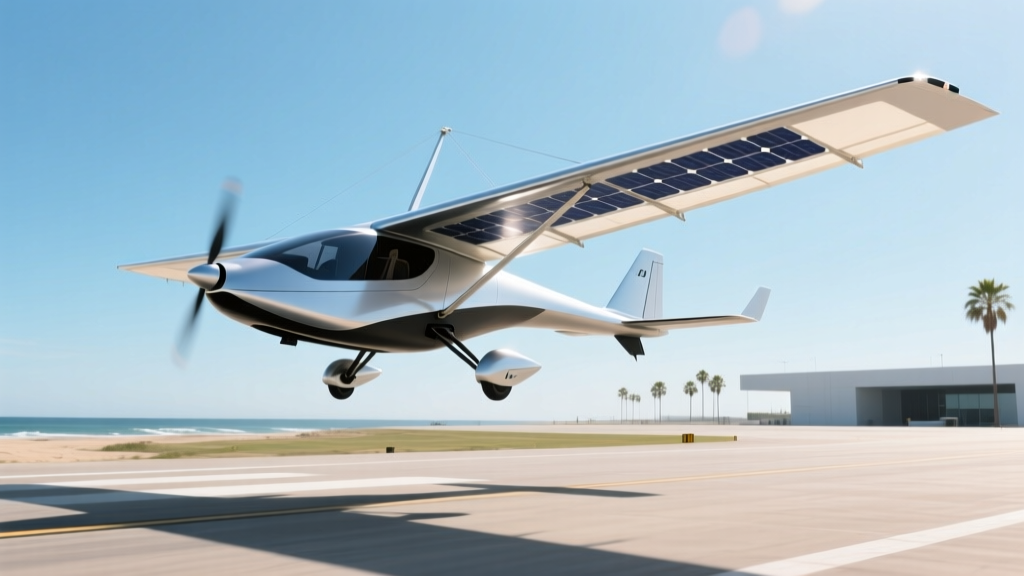
- Electric Light Sport Aircraft (eLSA): The Pipistrel Velis Electro remains the benchmark — FAA-certified in 2020, still the only type-certified electric airplane widely available. It uses an 11 kWh (usable) battery, delivers roughly 50 minutes of flight time plus reserves, and cruises at 89 knots.
- Electric Motorgliders: Models like the Silent 2 Electro and Alisport Silent Club offer self-launching electric sustainer motors with 15–30 minutes of powered climb, then soaring.
- Experimental/Amateur-Built: Kit conversions and custom builds using motors from companies like Geiger Engineering or MGM Compro, paired with custom battery packs.
- eVTOL Prototypes: Companies like Joby, Archer, and Beta Technologies are developing electric air taxis, but these are not consumer-purchasable ultralights — they're anticipated air-taxi platforms.
If you're searching for an electric ultralight airplane to buy and fly under Part 103 rules in 2026, no production model currently meets all those criteria with meaningful range. The closest practical option is the Pipistrel Velis Electro under LSA rules (sport pilot certificate required).
Spec Breakdown: Leading Electric Aircraft in 2026
| Specification | Pipistrel Velis Electro | Silent 2 Electro (Motorglider) | Typical Gas Ultralight (Baseline) |
|---|---|---|---|
| Battery / Fuel Capacity | 11 kWh usable (NMC lithium) | ~4.5 kWh (sustainer) | 5 gal (18.5 L) avgas |
| Energy Equivalent | ~0.3 gal avgas equivalent | ~0.12 gal avgas equivalent | 5 gal avgas |
| Flight Endurance | ~50 min (+ 10 min reserve) | ~20 min powered; soaring unlimited | 2–3 hours typical |
| Cruise Speed | 89 kts (102 mph) | ~60 kts powered climb | 55–100 kts depending on model |
| Motor / Engine Power | 57.6 kW (77 hp) peak; 49.2 kW continuous | ~15–22 kW | 40–80 hp (Rotax, Hirth) |
| Max Takeoff Weight | 1,322 lbs (600 kg) — LSA limit | ~660 lbs (300 kg) | 254 lbs (Part 103 limit) |
| Charge / Refuel Time | ~2 hrs (on 240V/3 kW charger) | ~1.5 hrs (on 240V) | 5 minutes (fuel pump) |
| Approx. Base Price (2026) | ~$105,000–$115,000 | ~$45,000–$60,000 | $15,000–$35,000 |
Sources: Pipistrel Velis Electro specifications, FAA Ultralight & Light Sport guidance.
Electric vs. Gas Ultralight: Real Cost and Performance Comparison
The EV-vs-gas calculus in aviation mirrors the automotive debate — but the physics penalty is steeper. Aviation gasoline (avgas 100LL) contains roughly 33.7 kWh per gallon of usable energy. A lithium NMC battery pack in 2026 achieves approximately 250–280 Wh/kg at the cell level, and about 160–200 Wh/kg at the pack level once you include management systems, cooling, and structural housing.
This means 1 gallon of avgas (6 lbs) delivers the same energy as roughly 170–200 lbs of battery. That's a 28–33x weight disadvantage per unit of energy — the single biggest reason electric ultralight airplanes remain constrained.
| Factor | Electric Aircraft (Velis Electro) | Gas Ultralight (e.g., Quicksilver MX) |
|---|---|---|
| Energy Cost per Flight Hour | ~$3–5 (at $0.15/kWh residential) | ~$25–40 (avgas at $6–7/gal, 3–5 gph) |
| Maintenance (Annual Estimate) | ~$500–1,500 (no oil, plugs, exhaust) | ~$1,500–4,000 (Rotax 2-stroke/4-stroke overhauls) |
| Battery/Engine Overhaul | Battery replacement at ~500–800 cycles or ~5–8 years; est. $8,000–$15,000 | Engine overhaul at ~1,000–2,000 hrs; est. $4,000–$10,000 |
| Noise | ~60 dB (conversation level) | ~85–100 dB (hearing protection required) |
| Endurance | ~50 min max | 2–3+ hours |
| Refuel/Recharge Speed | 2+ hours | 5 minutes |
| Range (Still Air) | ~60–75 nm | 100–200+ nm |
The operating cost advantage of electric is clear: roughly 80–90% lower energy cost per hour and significantly reduced maintenance. But the endurance and range gap is enormous — and unlike a ground EV, you can't pull over at a Supercharger if you miscalculate.
Charging an Electric Aircraft: What Owners Actually Need
Charging infrastructure is the most practical concern for prospective electric aircraft owners. Here's the reality:
| Charging Level | Power (kW) | Time to Full (11 kWh Pack) | Availability |
|---|---|---|---|
| Level 1 (120V standard outlet) | ~1.0–1.4 kW | 8–11 hours | Any hangar with a standard outlet |
| Level 2 (240V, dedicated EV-style charger) | ~3.0–7.2 kW | 1.5–3.5 hours | Requires 240V circuit installed in hangar |
| DC Fast Charging | Not available on current models | N/A | No aviation DC fast-charging standard exists |
Key differences from ground EV charging:
- No public network: There is no equivalent to Electrify America or Tesla Superchargers for aircraft. You charge at your home hangar or FBO — period.
- Airport power access: Many airports offer 120V or 240V hangar power, but you need to confirm with your airport manager. Some FBOs are installing dedicated aircraft charging stations, particularly in Europe.
- No NACS/CCS connector: Aircraft use proprietary connectors or standard industrial plugs (e.g., Schuko, NEMA 14-50). The Velis Electro uses a custom Pipistrel charging unit.
- Preconditioning matters here too: Battery temperature affects discharge performance in cold weather, just like in a Tesla or Rivian. Most systems include battery preheating, but plan for reduced capacity in sub-40°F conditions — expect 10–20% range loss.
Total Cost of Ownership: 5-Year Breakdown
Let's model ownership costs for a Pipistrel Velis Electro versus a comparable gas-powered LSA (e.g., a used Cessna 150 or a new Aeropro Cruiser), assuming 100 flight hours per year over 5 years (500 total hours).
| Cost Category | Velis Electro (Electric) | Gas LSA (Comparable) |
|---|---|---|
| Purchase Price | $110,000 | $85,000 |
| Energy/Fuel (500 hrs) | $2,000 (at $4/hr) | $16,250 (at $32.50/hr avgas) |
| Maintenance (5 years) | $5,000 | $15,000 |
| Battery Reserve / Engine Overhaul | $12,000 (pro-rated replacement reserve) | $6,000 (engine overhaul reserve) |
| Insurance (5 years) | $12,500 ($2,500/yr) | $10,000 ($2,000/yr) |
| Hangar/Charging Infrastructure | $3,000 (240V install + adapter) | $500 (none needed) |
| 5-Year Total | $144,500 | $132,750 |
| Cost Per Flight Hour (All-In) | $289/hr | $265/hr |
The electric aircraft wins on operating costs by roughly $14,000 over 5 years, but the higher purchase price and battery replacement reserve erase that advantage at 100 hrs/year. At higher utilization (200+ hrs/year), the economics flip in favor of electric — the same dynamic as high-mileage EV drivers versus gas cars.
Note on tax credits: The federal §30D EV tax credit applies to qualified plug-in electric motor vehicles for road use (IRS §30D rules). Aircraft do not qualify. Some states offer clean-energy equipment incentives that may apply to aircraft charging infrastructure — check with a tax professional.
Common Misconceptions About Electric Aircraft
| Myth | Fact |
|---|---|
| "Electric planes are silent." | The motor is quiet (~60 dB), but the propeller still generates significant aerodynamic noise at cruise RPM. It's quieter than gas — not silent. |
| "You can charge at any airport." | No standardized public charging network exists for aircraft. You must plan charging at your home base. Cross-country flights in a Velis Electro are impractical without coordinated stops with pre-arranged power. |
| "Battery tech will double range by next year." | Battery energy density improves at roughly 5–8% per year. Solid-state batteries (promising 2x density) remain in lab/pilot-production stages as of 2026 — not certified for aviation. Don't defer a purchase banking on a breakthrough. |
| "Electric motors don't lose power at altitude." | True! Electric motors don't need oxygen, so they maintain rated power at any altitude — unlike piston engines that lose ~3% per 1,000 ft. This is a genuine advantage. |
| "If the battery dies, you can autorotate or glide." | Fixed-wing aircraft can glide (the Velis has a ~10:1 glide ratio), but you must always plan for a forced landing. Unlike a helicopter autorotation, you need a suitable field within glide distance at all times. |
| "It qualifies for the EV tax credit." | The §30D federal credit applies to road vehicles only. No federal purchase incentive currently exists for electric aircraft. |
Real-World Ownership: Who Should Buy, Who Should Wait
Electric aircraft ownership in 2026 demands honest self-assessment. Here's a practical framework:
Buy an electric ultralight/LSA now if:
- You fly primarily for training, local sightseeing, or pattern work (flights under 45 minutes)
- You have hangar access with 240V power (or can install it for ~$500–$1,500)
- Noise abatement at your airport is a concern (electric is dramatically quieter)
- You fly 150+ hours per year (operating savings offset higher purchase price)
- You value reduced maintenance — no oil changes, spark plugs, exhaust inspections, or 100LL lead fouling
- You hold at least a Sport Pilot certificate (or are willing to obtain one)
Wait or choose gas if:
- You need cross-country capability (100+ nm trips)
- You fly in remote areas without reliable hangar power access
- Your budget is under $50,000 (no current electric option fits)
- You want true Part 103 ultralight operation (no certificate, no registration) — no electric model meets the weight limit with useful endurance
- You fly extensively in cold climates (below 20°F) where battery capacity drops 15–25%
Battery Longevity and Replacement: The Elephant in the Hangar
The Velis Electro's battery pack is warrantied for approximately 500 charge cycles at 80% capacity retention — roughly 5–7 years of typical use. Pipistrel quotes a replacement cost in the $12,000–$15,000 range, though prices have been trending downward as NMC cell costs decline.
Key battery considerations for prospective owners:
- Chemistry: Current aviation packs use NMC (nickel manganese cobalt) chemistry for maximum energy density. LFP (lithium iron phosphate) offers longer cycle life (3,000+ cycles) and better thermal safety but is 20–30% heavier per kWh — a dealbreaker in aviation where every pound counts.
- Calendar degradation: Even if you fly infrequently, lithium batteries degrade over time. Expect 2–3% annual capacity loss from calendar aging alone, regardless of cycles.
- Storage best practices: Store at 40–60% state of charge in a temperature-controlled hangar. Never leave at 100% SoC for extended periods — the same advice applies to your Tesla or Rivian.
- State of Health monitoring: Modern BMS (battery management systems) log SoH data. Request this history when buying a used electric aircraft — it's the equivalent of checking a Carfax for battery degradation on a used EV.
What's Next: Solid-State Batteries and eVTOL
The electric aviation sector is watching two technology developments closely:
Solid-state batteries: Companies like QuantumScape and Toyota have demonstrated solid-state cells with 400–500 Wh/kg in lab settings (roughly 2x current NMC). FAA certification for aviation use is typically a 5–7 year process after commercial availability. Realistically, solid-state packs won't appear in certified light aircraft until the early 2030s at the earliest.
eVTOL air taxis: Joby Aviation, Archer Aviation, and Beta Technologies are targeting 2026–2027 commercial launches of electric vertical takeoff aircraft for ride-hailing services. These are not consumer-purchasable, but they represent the largest R&D investment in electric flight — and their battery and motor advances will eventually trickle down to smaller aircraft.
Frequently Asked Questions
Can I fly an electric ultralight airplane without a pilot's license?
Under FAA Part 103, you can fly an ultralight without a certificate — but no current electric aircraft meets the 254-lb weight limit with meaningful battery capacity. The lightest practical electric aircraft (motorgliders) weigh 300+ lbs and require at minimum a Sport Pilot certificate. If you want license-free flight, a gas-powered ultralight like a Quicksilver MX or AeroLite 103 remains your only option in 2026.
How much does it cost to charge an electric airplane at home?
Charging an 11 kWh battery pack from empty to full costs approximately $1.65 at the US average residential electricity rate of $0.15/kWh. For comparison, filling a gas ultralight's 5-gallon tank with 100LL avgas costs $30–35 at 2026 prices. Over 100 flight hours per year, electric saves roughly $2,800–$3,500 in energy costs alone.
What happens if the battery runs out mid-flight?
Unlike a ground EV that can pull to the shoulder, an electric aircraft without power becomes a glider. The Velis Electro has a glide ratio of approximately 10:1 — from 3,000 ft AGL, you can reach a landing spot within about 5 nautical miles. Responsible electric flight planning requires always maintaining enough altitude and proximity to a suitable landing area. This is standard airmanship for any single-engine aircraft, gas or electric.
Are electric aircraft safer than gas-powered ones?
Electric powertrains eliminate several failure modes common in piston aviation: carburetor icing, fuel starvation, magneto failure, and engine shock-cooling. They also have far fewer moving parts. However, battery thermal runaway is a risk that doesn't exist with avgas (which, ironically, is quite stable and hard to ignite compared to mogas). Overall, electric powertrains are likely more reliable, but the much shorter endurance creates its own risk profile — running out of energy in the air is the electric pilot's primary hazard.
Can I install a charging station at my airport hangar?
Yes, in most cases. A 240V/30A circuit (similar to a home EV charger installation) costs $500–$1,500 depending on distance from the panel and whether a panel upgrade is needed. You'll need airport manager approval and a licensed electrician. Unlike home EV charging, there's no standardized "aviation wall connector" — you'll use the manufacturer-provided charging unit plugged into a NEMA 14-50 or equivalent outlet.
What's the real-world range in cold weather?
Expect 10–20% range reduction at temperatures below 40°F (4°C), and up to 30% reduction below 20°F (-7°C). This mirrors EV ground-vehicle experience. Battery preheating systems help but consume energy themselves. For a Velis Electro with a nominal 50-minute endurance, plan for 35–40 minutes usable in winter conditions — always with mandatory reserves.
For current FAA regulations on ultralight and light sport aircraft, see the FAA General Aviation & Ultralight page. For electric vehicle tax credit rules (road vehicles only), consult the IRS Clean Vehicle Credit page.