What Are Electric Street Legal Cars?
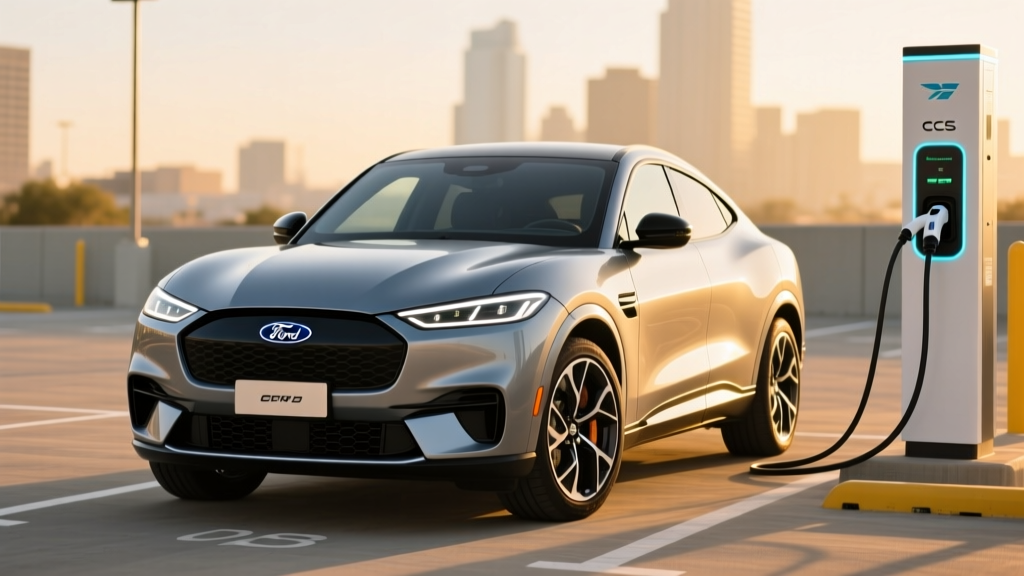
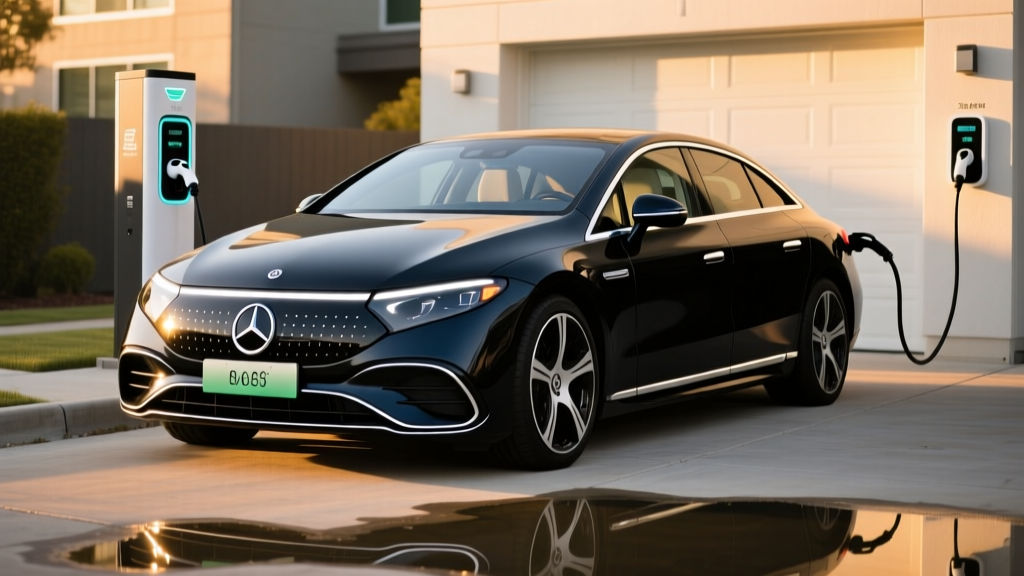
Electric street legal cars are fully electric vehicles (BEVs) that meet all federal safety, emissions, and registration requirements for public road use in the United States. Unlike neighborhood electric vehicles (NEVs) or golf carts limited to 25 mph, street-legal EVs must pass NHTSA crash testing, carry proper insurance, and meet the same standards as gasoline vehicles.
Quick Answer: Should You Buy an Electric Street Legal Car?
Yes, if: You have access to home or workplace charging, drive under 300 miles daily, and want lower operating costs. Modern EVs offer 250-400 miles EPA range, charge to 80% in 18-35 minutes at DC fast chargers, and cost $0.04-$0.15 per mile to fuel vs $0.12-$0.20 for gas.
Consider alternatives if: You lack reliable charging access, regularly tow heavy loads, frequently drive in extreme cold (below 0°F), or need 500+ mile single-trip range without stopping.
Electric Street Legal Cars vs Gas Vehicles: The Real Numbers
The decision between electric and gas isn't just about environmental impact—it's about total cost of ownership, convenience, and driving experience. Here's how they stack up with 2026 data:
| Factor | Electric (2026 BEV Average) | Gasoline (2026 Average) |
|---|---|---|
| Purchase Price (MSRP) | $38,000-$55,000 | $28,000-$42,000 |
| Federal Tax Credit | Up to $7,500 (§30D, income/MSRP limits apply) | $0 |
| Fuel Cost Per Mile | $0.04-$0.15 (home vs public charging) | $0.12-$0.20 (at $3.50-$4.50/gal) |
| Annual Fuel Cost (12,000 mi) | $480-$1,800 | $1,440-$2,400 |
| Maintenance (Annual) | $300-$500 | $800-$1,200 |
| EPA Range | 250-400 miles | 350-500 miles |
| Refuel/Recharge Time | 18-35 min (10-80% DC fast), 8-12 hr (Level 2 home) | 3-5 min (gas station) |
| Cold Weather Range Loss | 20-40% below freezing | 10-15% below freezing |
Real-world range reality: A vehicle rated at 300 miles EPA typically delivers 250-270 miles in mixed highway driving at 70 mph, and 200-240 miles in winter conditions below 32°F. Always plan trips using 75-80% of the EPA rating for safety margin.
True Cost of Ownership: 5-Year Breakdown
The higher upfront cost of electric street legal cars often pays off within 3-6 years through fuel and maintenance savings. Here's a realistic 5-year projection for a mid-range EV vs comparable gas vehicle:
| Cost Category | Electric Vehicle | Gas Vehicle | Difference |
|---|---|---|---|
| Purchase Price | $45,000 | $35,000 | +$10,000 (EV) |
| Federal Tax Credit | -$7,500 | $0 | -$7,500 (EV savings) |
| Net Purchase | $37,500 | $35,000 | +$2,500 (EV) |
| Fuel (5 years, 60,000 mi) | $5,400 (avg $0.09/mi home charging) | $9,000 (avg $0.15/mi) | -$3,600 (EV savings) |
| Maintenance (5 years) | $2,000 | $5,000 | -$3,000 (EV savings) |
| Insurance (5 years) | $9,000 | $7,500 | +$1,500 (EV cost) |
| Total 5-Year Cost | $53,900 | $56,500 | -$2,600 (EV savings) |
Critical assumptions: This calculation assumes home Level 2 charging access, 12,000 miles/year, average electricity rate of $0.15/kWh, and eligibility for the full §30D federal tax credit. Your results vary based on local electricity rates, driving patterns, and credit eligibility.
Charging Infrastructure: Home, Work, and Public Networks
Access to charging is the single biggest factor in EV satisfaction. Here's what you need to know about each option:
Home Charging (Level 2: 240V)
Installation cost: $800-$2,500 for equipment and electrician, plus potential $1,500-$4,000 if your electrical panel needs upgrading to 200A service.
Charging speed: 7-11 kW typical, adding 25-40 miles of range per hour. A depleted 80 kWh battery charges fully in 8-12 hours overnight.
Best for: Daily driving under 200 miles, predictable schedules, homeowners with garage or dedicated parking.
Public DC Fast Charging
Speed: 50-350 kW peak power, though sustained rates are lower due to charge curve taper. Expect 10-80% in 18-35 minutes for modern EVs.
Cost: $0.30-$0.50/kWh at networks like Electrify America, EVgo, and Tesla Superchargers—roughly 2-3x home charging cost.
Real-world charging curve: A vehicle advertising "250 kW peak charging" typically sustains that rate only from 10-40% state of charge, then tapers to 150 kW (40-60%), 100 kW (60-80%), and 50 kW (80-100%). Plan stops around 15-20 minutes for 10-80%.
Workplace and Destination Charging
Growing availability at offices, shopping centers, and hotels. Often free or low-cost, but slower (Level 2) and availability varies. Check apps like PlugShare or ChargePoint for locations near your routine destinations.
Charging Access Decision Framework
- IF you have garage/driveway access AND drive under 200 miles daily → EV is ideal. Install Level 2 home charger.
- IF you live in an apartment BUT workplace has charging → EV is viable. Confirm workplace charger availability and cost.
- IF you lack home/work charging AND rely on public infrastructure → Consider PHEV or hybrid. Public-only charging is expensive and inconvenient.
- IF you regularly drive 400+ miles in a day → EV works with planning. Map DC fast charger locations; expect 2-3 stops of 20 minutes each.
Federal Tax Credit Eligibility (§30D): Current Rules
The federal EV tax credit offers up to $7,500, but eligibility depends on multiple factors that change frequently. As of 2026, key requirements include:
| Myth | Fact |
|---|---|
| "Every EV gets $7,500" | Only vehicles meeting battery sourcing, MSRP caps, and buyer income limits qualify. Many popular models qualify for partial credit ($3,750) or none. |
| "I can claim the credit regardless of income" | Modified adjusted gross income caps apply: $300,000 (married filing jointly), $225,000 (head of household), $150,000 (single). |
| "Any price EV qualifies" | MSRP caps: $80,000 for vans/SUVs/pickups, $55,000 for sedans and other vehicles. |
| "The credit is instant at the dealer" | Point-of-sale transfer is available starting 2024, reducing purchase price immediately. Otherwise, claim on tax return. |
Verify eligibility: Check the IRS §30D page and manufacturer certification before purchasing. Battery sourcing requirements (critical minerals and components from approved countries) change annually and affect which models qualify.
Common Misconceptions About Electric Street Legal Cars
| Misconception | Reality |
|---|---|
| "EVs don't have enough range for road trips" | Modern EVs offer 250-400 miles EPA range. A 500-mile trip requires one 20-minute charging stop. Apps like A Better Routeplanner map DC fast chargers along your route. |
| "Batteries need replacement every few years" | EV batteries are warrantied for 8 years/100,000 miles (10 years/150,000 in California). Real-world data shows 10-15% degradation after 100,000 miles. Most last the vehicle's lifetime. |
| "EVs are worse in cold weather" | Range drops 20-40% below freezing due to battery chemistry and cabin heating. Preconditioning while plugged in mitigates this. EVs start reliably in extreme cold—no engine cranking issues. |
| "Charging takes too long" | Home charging happens overnight while you sleep (8-12 hours for full charge). Road trip DC fast charging takes 18-35 minutes for 10-80%—time for a meal or restroom break. |
| "EVs are slower than gas cars" | Electric motors deliver instant torque. A Tesla Model 3 Performance hits 0-60 mph in 2.9 seconds. Even base-model EVs typically accelerate faster than comparable gas vehicles. |
What First-Time EV Buyers Must Know
Battery Chemistry: LFP vs NMC
LFP (Lithium Iron Phosphate): Longer cycle life, safer, lower cost, but 15-20% less energy density. Ideal for daily commuting. Can charge to 100% regularly without degradation concerns. Used in Tesla Model 3 RWD, some Ford models.
NMC (Nickel Manganese Cobalt): Higher energy density for longer range, but more expensive and degrades faster if frequently charged to 100%. Best charged to 80-90% daily, 100% only for long trips. Used in most long-range EVs.
Regenerative Braking and One-Pedal Driving
EVs use regenerative braking to recapture energy when decelerating, extending range by 10-25% in stop-and-go traffic. Many offer "one-pedal driving" mode where lifting the accelerator provides strong deceleration, reducing brake pedal use. Brake pads often last 100,000+ miles due to regen.
Insurance Costs
EV insurance premiums run 15-30% higher than comparable gas vehicles due to higher repair costs and battery replacement expense. Shop quotes from multiple insurers; some offer EV-specific discounts.
Tire Wear
EVs are heavier (due to battery weight) and deliver instant torque, causing 10-20% faster tire wear. Budget for replacement every 30,000-40,000 miles vs 40,000-60,000 for gas vehicles. Consider EV-optimized tires with lower rolling resistance.
Popular Electric Street Legal Cars: 2026 Specifications
| Model | EPA Range | Battery | DC Fast Charge (10-80%) | 0-60 mph | MSRP |
|---|---|---|---|---|---|
| Tesla Model 3 Long Range | 341 mi | 82 kWh (NMC) | ~18 min (250 kW peak) | 4.2 sec | $47,740 |
| Hyundai Ioniq 5 | 303 mi | 77.4 kWh (NMC) | ~18 min (350 kW peak) | 5.1 sec | $45,500 |
| Ford Mustang Mach-E Extended Range | 312 mi | 91 kWh (NMC) | ~32 min (150 kW peak) | 5.1 sec | $48,995 |
| Chevrolet Equinox EV | 319 mi | 85 kWh (NMC) | ~25 min (175 kW peak) | 7.8 sec | $33,000 |
| Tesla Model Y Long Range | 330 mi | 82 kWh (NMC) | ~20 min (250 kW peak) | 4.8 sec | $52,990 |
Real-world range note: Expect 75-85% of EPA range in highway driving at 70-80 mph, and 60-75% in winter conditions below freezing. Always plan with margin.
Frequently Asked Questions
Do electric street legal cars require special licensing or registration?
No. EVs register and are licensed identically to gasoline vehicles. You need a standard driver's license, registration, and insurance. Some states offer HOV lane access or reduced registration fees for EVs.
How long do EV batteries last before needing replacement?
Modern EV batteries are warrantied for 8 years/100,000 miles (10 years/150,000 in California-emissions states) to retain at least 70% capacity. Real-world data from fueleconomy.gov and owner surveys show typical degradation of 10-15% after 100,000 miles. Most batteries outlast the vehicle. Replacement costs $8,000-$20,000 if needed outside warranty.
Can I install a home charger myself?
No. Level 2 charger installation requires a licensed electrician to ensure proper wiring, circuit breaker sizing, and permit compliance. DIY electrical work on 240V circuits is dangerous and may void home insurance. Budget $800-$2,500 for professional installation.
What happens if I run out of charge on the road?
Treat it like running out of gas: call roadside assistance for a tow to the nearest charger. Some services offer mobile charging trucks. Modern EV navigation systems route you through charging stations and warn when range is insufficient. Plan trips with apps like A Better Routeplanner to avoid this scenario.
Are EVs safe in crashes?
Yes. EVs undergo the same NHTSA crash testing as gas vehicles and often score higher due to lower center of gravity (reducing rollover risk) and rigid battery pack structure. Battery fires are rare—far less common than gasoline fires in crashes.
How do I find public charging stations?
Use apps like PlugShare, ChargePoint, EVgo, or your vehicle's built-in navigation. Networks include Electrify America, EVgo, ChargePoint, and Tesla Superchargers (now opening to other brands via NACS adapter). Check real-time availability and pricing before traveling.
Final Decision Framework
Is an Electric Street Legal Car Right for You?
Choose an EV if:
- You have home or workplace charging access
- Daily driving is under 250 miles
- You want lower operating costs ($0.04-$0.15/mile vs $0.12-$0.20 for gas)
- You qualify for federal/state tax credits
- You value instant acceleration and quiet operation
Consider a PHEV (plug-in hybrid) if:
- You lack reliable home charging
- You frequently drive 400+ miles without stopping
- You regularly tow heavy loads (trailers, boats)
- You live in extreme cold climate (below 0°F regularly)
Stick with gas/hybrid if:
- You have no charging access at home or work
- Your budget is under $25,000 (limited used EV options)
- You drive in remote areas with no DC fast charging infrastructure
Electric street legal cars have matured from early-adopter experiments to practical daily transportation for millions of drivers. With 250-400 mile range, 18-35 minute fast charging, and total cost of ownership that often beats gas vehicles within 3-5 years, they're viable for most driving patterns. The key is honest assessment of your charging access, driving needs, and budget—not marketing hype or range anxiety.