Quick Answer: Is an Electric Snowmobile Right for You?
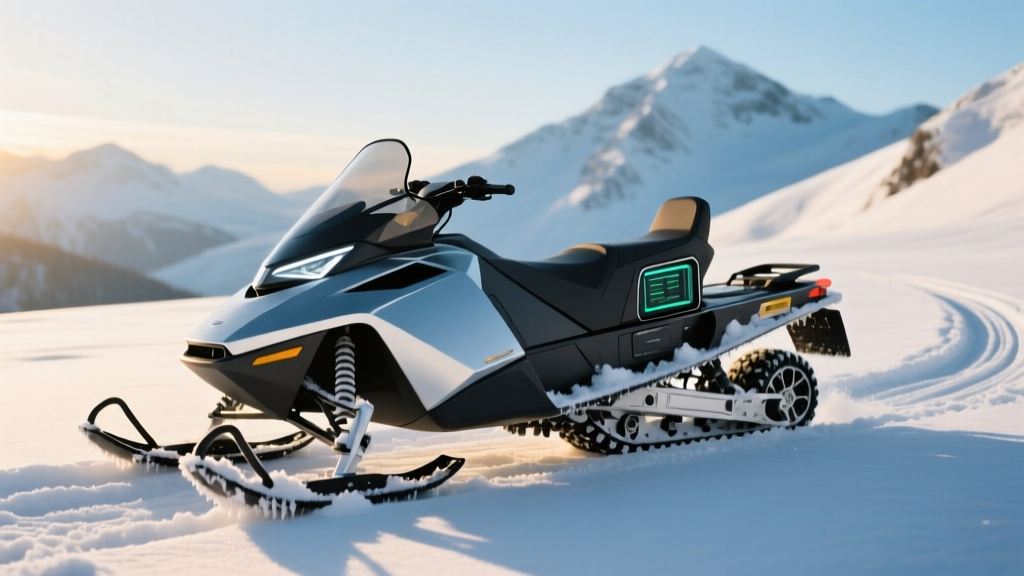
Electric snowmobiles deliver instant torque, near-silent operation, and zero trailside exhaust — but current models from Taiga Motors offer 60–90 miles of real-world range on a ~15–20 kWh battery, with pricing starting around $17,500 USD before incentives. They excel for day riders, backcountry explorers who value quiet, and lake/property owners. They are not yet viable for multi-day deep-backcountry touring where gas sleds still dominate with 200+ mile range and quick refueling. Home Level 2 charging is nearly mandatory given the cold-weather energy penalties.
The Electric Snowmobile Landscape in 2026
The electric snowmobile market remains small but growing, led by Taiga Motors (Montreal, Canada), the only manufacturer currently shipping production electric sleds at scale. Taiga offers three models — the TS2 (trail/crossover), Orca (performance/mountain), and Ekko (utility) — all built on a shared battery and powertrain architecture. A handful of concept-stage competitors (BRP's announced Lynx electric prototype, Polaris's internal EV R&D) remain unreleased as of early 2026.
For buyers researching "electric snowmobile" options, the honest reality is that this is effectively a single-brand market today. That makes evaluating specs, ownership costs, and limitations more straightforward — but also means you have limited alternatives if Taiga's offerings don't fit your needs.
Battery Specs, Range, and Cold-Weather Reality
The most critical question for any EV in freezing conditions is how much range you actually lose. Here's what the data shows for the current Taiga lineup:
| Spec | Taiga TS2 (Trail) | Taiga Orca (Performance) | Taiga Ekko (Utility) |
|---|---|---|---|
| Battery Capacity (usable) | ~15.3 kWh (NMC) | ~19.5 kWh (NMC) | ~19.5 kWh (NMC) |
| Claimed Range (optimal) | ~60 mi / 100 km | ~80 mi / 130 km | ~75 mi / 120 km |
| Real-World Cold Range (est. -10°F / -23°C) | ~35–45 mi | ~50–60 mi | ~45–55 mi |
| Motor Output | ~120 hp | ~180 hp | ~120 hp |
| 0–60 mph (approx.) | ~4.5 sec | ~3.0 sec | ~5.0 sec |
| Weight | ~485 lbs | ~530 lbs | ~560 lbs |
| Base MSRP (2025/2026) | $17,490 USD | $22,490 USD | $21,490 USD |
Cold-Weather Range Loss: The Uncomfortable Truth
Lithium-ion batteries suffer increased internal resistance in sub-freezing temperatures. Expect 30–45% range reduction at temperatures below 0°F (-18°C) compared to mild-weather claims. Aggressive riding in deep powder compounds this further — much like an EV truck towing uphill in winter. Unlike a gas sled that generates waste heat (which you feel in the cabin), electric sleds must use battery energy to heat grips and any heated accessories, drawing from the same limited kWh pool.
Practical rule: Plan rides as if you have 60% of the stated range in deep cold. Carry a margin for unexpected detours.
Charging: What You Need at Home and on the Trail
Electric snowmobile batteries are small compared to EVs — 15–20 kWh versus 75–100 kWh in a typical electric car. That means charging is faster in absolute terms, but infrastructure is the real bottleneck.
| Charging Level | Power (kW) | Full Charge Time (20 kWh pack) | Availability |
|---|---|---|---|
| Level 1 (120V household) | ~1.4 kW | ~14–15 hours | Anywhere with an outlet |
| Level 2 (240V) | ~3.3–7.2 kW | ~3–6 hours | Home install required |
| DC Fast Charge (where supported) | ~15–25 kW (est.) | ~45–60 min (10–80%) | Very limited — few trailside stations exist |
Taiga sleds charge via standard J1772 connectors (the same as most EVs), which means you can use a home Level 2 charger or public EV charging station — but you'll need an adapter for NACS (Tesla) connectors. The critical ownership insight: Level 1 charging is impractical for daily riders. A 15-hour charge cycle on a standard 120V outlet means you can't ride two consecutive days without a Level 2 setup.
Home Level 2 installation for a snowmobile typically requires a dedicated 240V/20A or 240V/30A circuit in your garage or heated shop. Expect installation costs of $500–$1,500 if your electrical panel has capacity, or $2,000–$4,000+ if a panel upgrade is needed. Consult a licensed electrician for your specific situation.
Cost Breakdown: Electric Snowmobile vs. Gas Sled
The purchase price of an electric snowmobile is substantially higher than a comparable gas model, but operating costs tell a different story. Here's a data-driven comparison:
| Cost Factor | Electric (Taiga TS2) | Gas (Comparable 600cc Trail Sled) |
|---|---|---|
| Purchase Price (MSRP) | $17,490 | $10,000–$13,000 |
| Fuel/Energy Cost Per Ride (50 mi) | $1.50–$3.00 (home charging) | $12–$18 (premium gas, ~15 mpg) |
| Annual Fuel/Energy (1,000 mi/yr) | $30–$60 | $240–$360 |
| Annual Maintenance | $50–$100 (belt, track inspection) | $300–$600 (oil, plugs, clutch, carb/EFI service) |
| 5-Year Total Operating Cost | $400–$800 | $2,700–$4,800 |
| Estimated Battery Replacement (year 8–10+) | $4,000–$7,000 (future estimate) | N/A (engine rebuild: $2,000–$4,000) |
Where Electric Wins and Loses
| Category | Electric Advantage | Gas Advantage |
|---|---|---|
| Trailside Noise | Near-silent — huge for wildlife areas, residential trails | — |
| Exhaust Emissions | Zero tailpipe (upstream grid varies) | — |
| Instant Torque | Immediate throttle response, no clutch lag | — |
| Range | — | 150–250+ miles per tank, quick refuel |
| Deep Backcountry | — | Lighter (some models), proven reliability, quick fuel |
| Cold Starts | No choke, no flooding — just go | Can be finicky below -20°F |
| Dealer/Service Network | — | Thousands of shops across snow belt |
| Resale Value (current) | — | Established market, predictable depreciation |
Incentives and Tax Credits: What Applies?
This is where electric snowmobile buyers often face disappointment. The federal §30D Clean Vehicle Credit (up to $7,500 for new EVs) applies to qualified on-road vehicles — specifically four-wheeled vehicles with a gross vehicle weight rating under 14,000 lbs designed for public road use. Snowmobiles do not qualify for §30D.
However, some states and provinces offer off-road EV incentives:
- Quebec (Canada): Taiga's home market offers provincial off-road EV rebates (check Programme Roulez vert for current amounts)
- Vermont, Minnesota, and some US states: Occasional off-road electrification grants through DNR or environmental programs — availability varies year to year
- Utility company rebates: Some rural electric co-ops offer $200–$500 incentives for EV off-road equipment to boost local electricity demand
Always verify current incentive availability with your state energy office or utility provider before purchasing. These programs change frequently and may have limited funding windows.
Common Misconceptions — Myth vs. Fact
| Myth | Fact |
|---|---|
| "Electric snowmobiles have no power" | The Taiga Orca produces ~180 hp with instant torque — it out-accelerates most 800cc gas sleds off the line |
| "Batteries die in extreme cold" | Batteries lose capacity temporarily (30–45% at deep cold) but resume normal function when warmed. Permanent damage occurs only if charged below freezing without thermal management — Taiga includes battery preconditioning |
| "You can charge from any outlet on the trail" | A 120V outlet adds roughly 4–5 miles of range per hour of charging — essentially useless for mid-ride top-ups. Plan rides within your battery's real-world range |
| "Electric sleds are heavier" | Current electric models are actually comparable or lighter than equivalent gas sleds (Taiga TS2 at ~485 lbs vs. gas 600cc trail sleds at 480–520 lbs) |
| "Battery replacement will cost more than the sled" | Current estimates place battery replacement at $4,000–$7,000 in year 8–10+. NMC cells continue declining in cost. Compare to a $2,000–$4,000 top-end rebuild on a 2-stroke gas engine |
| "You can't ride in deep powder" | Taiga's mountain and crossover models handle powder comparably to mid-range gas sleds. The limitation is range, not capability — aggressive powder riding drains the battery faster |
Ownership Practicalities: What First-Time Buyers Must Know
Before committing to an electric snowmobile, evaluate these real-world ownership factors honestly:
Storage and charging environment: You need a garage or heated shop with a 240V outlet. Charging a 20 kWh battery on a cold concrete floor at -10°F via a 120V extension cord will not work for regular riding. Budget for a proper Level 2 home charger installation.
Ride patterns: If your typical rides are under 40 miles round-trip from your garage or trailer drop-off, an electric sled fits well. If you regularly do 80–150 mile loops in backcountry terrain with no charging infrastructure, gas remains the pragmatic choice in 2026.
Insurance: Electric snowmobile insurance is available through major powersports insurers (Nationwide, Progressive, Geico) but premiums may be 10–25% higher than gas equivalents due to the higher replacement cost and limited repair network. Get quotes before purchasing.
Service and parts: Taiga operates a growing dealer network, but it's a fraction of the Polaris/Ski-Doo/Arctic Cat footprint. If you're in a remote area with no Taiga service partner within 100+ miles, factor in shipping costs for warranty work or plan for DIY maintenance (belt changes, track adjustments).
Battery longevity: Taiga provides a battery warranty covering capacity retention. NMC chemistry in cold-climate, high-discharge applications typically retains 80%+ capacity through 800–1,200 full charge cycles. For a rider averaging 1,000 miles per year, that translates to roughly 8–12 years before meaningful degradation.
Decision Framework: Should You Go Electric?
Choose an Electric Snowmobile If:
- Your typical rides are under 50 miles round-trip
- You ride near home (lake property, private land, nearby trailheads) and can charge between rides
- Noise reduction matters — you ride near residential areas, wildlife zones, or value the silent experience
- You want minimal maintenance (no oil changes, spark plugs, fuel stabilization, or carburetor issues)
- You have access to a 240V outlet in your garage/shop
- You're willing to pay a premium ($5,000–$8,000 more upfront) for lower operating costs and a unique riding experience
Stick With Gas (For Now) If:
- You regularly ride 80+ mile loops or multi-day backcountry trips
- You trailer long distances to remote trail systems with no charging
- You ride in extreme deep-cold conditions (-30°F and below) where range loss compounds risk
- You need a vast dealer/service network for quick repairs mid-season
- Budget is a primary concern — gas sleds offer proven value at $8,000–$13,000
- You need a utility/work sled for long days of towing or plowing where range and quick refueling are critical
Frequently Asked Questions
How long do electric snowmobile batteries last?
Current NMC battery packs in electric snowmobiles are rated for approximately 800–1,200 full charge cycles before degrading to 80% capacity. At typical recreational use (50–80 cycles per season), that translates to 10–15 years of service before noticeable range reduction. Taiga's battery warranty covers capacity retention for a specified period — check current terms at purchase.
Can you charge an electric snowmobile at a regular EV charging station?
Yes, if the station has a J1772 (Level 2) connector. Taiga sleds use the standard J1772 plug. For NACS (Tesla Supercharger) stations, you'll need an adapter. However, most public Level 2 chargers are designed for cars — parking a sled and trailer at a charging station in a trailside town may be logistically difficult.
Do electric snowmobiles work in extreme cold (below -20°F)?
They operate, but with significant range penalties. Expect 35–50% range reduction in deep cold. Battery preconditioning features (which Taiga includes) warm the pack before riding to improve performance. The bigger risk isn't the sled failing — it's running out of range far from a charger in dangerous cold. Always carry emergency gear and ride within conservative range margins.
Is an electric snowmobile quieter than a gas sled?
Dramatically so. Electric sleds produce only track noise and a faint motor whine — roughly 65–70 dB at full throttle versus 90–100+ dB for a gas 2-stroke. This makes them suitable for noise-sensitive areas and creates a fundamentally different riding experience where you can hear the environment around you.
Will BRP (Ski-Doo) or Polaris release electric snowmobiles?
BRP has announced electric powertrain R&D and shown the Lynx electric concept, and Polaris has filed EV-related patents, but neither has confirmed a production electric snowmobile as of early 2026. Both companies have stated they're targeting electrification across their powersports lineups by the late 2020s. If you're waiting for a major OEM electric sled, monitor BRP and Polaris announcements — but don't expect widespread availability before 2028 at the earliest.
What's the total cost of ownership over 5 years?
For a Taiga TS2 ridden 1,000 miles per year: approximately $17,490 (purchase) + $1,000 (Level 2 charger install) + $250 (5 years of electricity) + $400 (maintenance) + $2,500 (insurance, est.) = roughly $21,640 over 5 years. A comparable gas sled at $11,500 + $1,500 (fuel) + $2,000 (maintenance) + $2,000 (insurance) = roughly $17,000 over 5 years. The electric sled costs ~$4,600 more over 5 years, but offers the silence, instant torque, and maintenance simplicity that many owners value beyond pure economics.