Quick Answer: Are Electric Snow Vehicles Worth It in 2026?
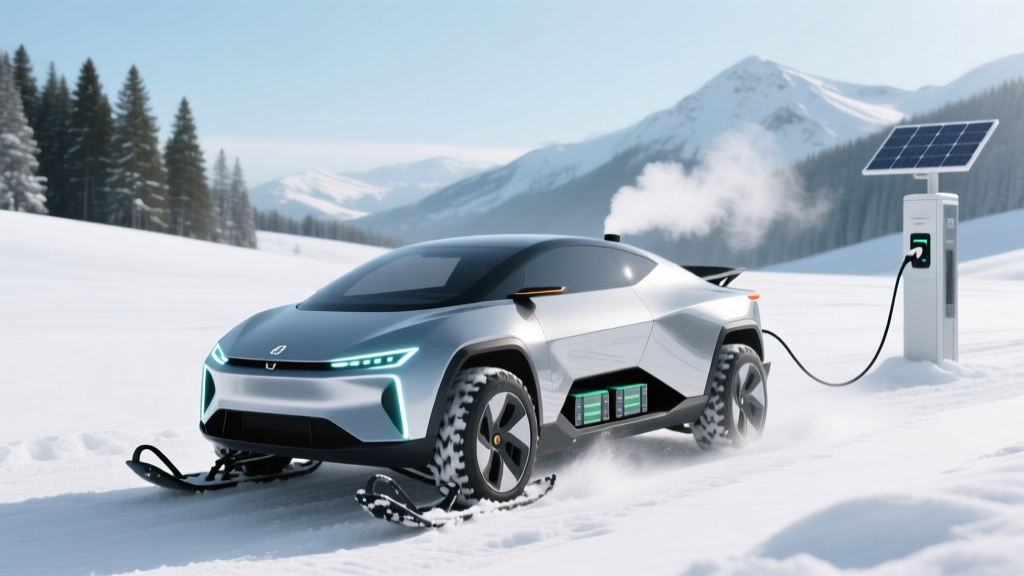
Electric snow vehicles — primarily electric snowmobiles and utility sleds — are a niche but growing segment. Models like the Taiga TS2 (starting ~$17,000) and the BRP-backed Lynx e-Sled prototypes offer instant torque, near-silent operation, and zero trailside emissions. However, cold-weather battery performance remains the central challenge: expect 30-50% range loss in sub-zero (°F) conditions compared to mild-weather benchmarks. Current models deliver roughly 60-100 miles of real-world winter range depending on temperature, terrain, and riding style. If you ride mostly on groomed trails near a charging source and value quiet, low-maintenance operation, an electric snow vehicle can work. If you backcountry-ride for hours in remote areas, gas-powered snowmobiles remain the practical choice for now.
What Is an Electric Snow Vehicle?
The term "electric snow vehicle" covers a small but expanding category of battery-electric machines designed for snow travel. The most prominent are:
- Electric snowmobiles — high-performance trail and mountain sleds (Taiga TS2, Taiga Orca, upcoming BRP/Lynx concepts)
- Electric utility sleds — low-speed cargo/passenger platforms for resorts, ranches, and ice-fishing
- Electric snow bikes — niche fat-tire e-bikes rated for snow (not highway-legal, outside our core scope)
Unlike highway EVs regulated by the EPA, electric snow vehicles fall under recreational-vehicle standards. Range claims from manufacturers are typically measured under controlled conditions — often at moderate temperatures on flat groomed trails. Real-world winter riding introduces brutal variables: deep powder, steep climbs, sub-zero air, and battery thermal losses.
Real-World Winter Range: The Cold-Weather Reality
Lithium-ion batteries lose performance in cold temperatures due to increased internal resistance and slower ion diffusion in the electrolyte. This isn't unique to snow vehicles — highway EVs see range reductions of 20-40% in freezing weather, per EPA data. But snow vehicles operate in conditions far harsher than a winter commute.
Range Expectations: Sticker vs. Snow
| Condition | Estimated Range | Notes |
|---|---|---|
| Manufacturer claim (mild, flat) | 90-120 mi | Optimal test conditions, ~40°F |
| Groomed trail, 20°F | 70-90 mi | ~20-25% loss from battery + heating |
| Deep powder, 0°F | 45-65 mi | ~40-50% loss; high load + extreme cold |
| Mountain riding, -10°F | 30-50 mi | Steep terrain drains battery fastest |
Figures are estimates based on available Taiga TS2 data and lithium-ion cold-weather degradation research. Actual range varies by model, battery size, and riding style.
The Taiga TS2, one of the few production electric snowmobiles available, carries a ~20 kWh battery pack (NMC chemistry). Taiga advertises up to 100 miles of range under favorable conditions. In deep-snow mountain riding at temperatures below 10°F, experienced riders report usable ranges closer to 40-55 miles before needing a charge.
Key insight: Unlike a Tesla or Rivian with active battery preconditioning and a heat pump, most electric snow vehicles have limited or no battery thermal management. The pack is exposed to ambient cold for the entire ride, compounding energy loss.
Electric Snow Vehicle vs. Gas Snowmobile: By the Numbers
| Metric | Electric (Taiga TS2) | Gas (Ski-Doo MXZ 850) |
|---|---|---|
| Base MSRP | ~$17,000 | ~$14,500 |
| Power | ~120 HP (peak) | ~165 HP |
| Weight | ~520 lbs | ~470 lbs |
| Range (real-world, 20°F) | 70-90 mi | 150-200 mi (tank) |
| "Refuel" time | ~2-4 hrs (Level 2) | ~2 min (gas can) |
| Energy cost per ride (100 mi) | ~$3-5 (electricity) | ~$15-25 (premium gas) |
| Noise level | ~65 dB (near-silent) | ~90-100 dB |
| Maintenance | Minimal (no oil, belts, spark plugs) | Seasonal (oil, plugs, belt, track) |
| Emissions (trailside) | Zero | High (2-stroke or 4-stroke) |
The gas snowmobile wins decisively on range, refuel speed, and upfront cost. The electric sled wins on noise, trailside emissions, and per-ride operating cost. For resort operators, park rangers, and riders near trailheads with charging access, the electric trade-off can make sense. For backcountry enthusiasts doing 150+ mile days, gas remains essential.
Charging an Electric Snow Vehicle: What You Need
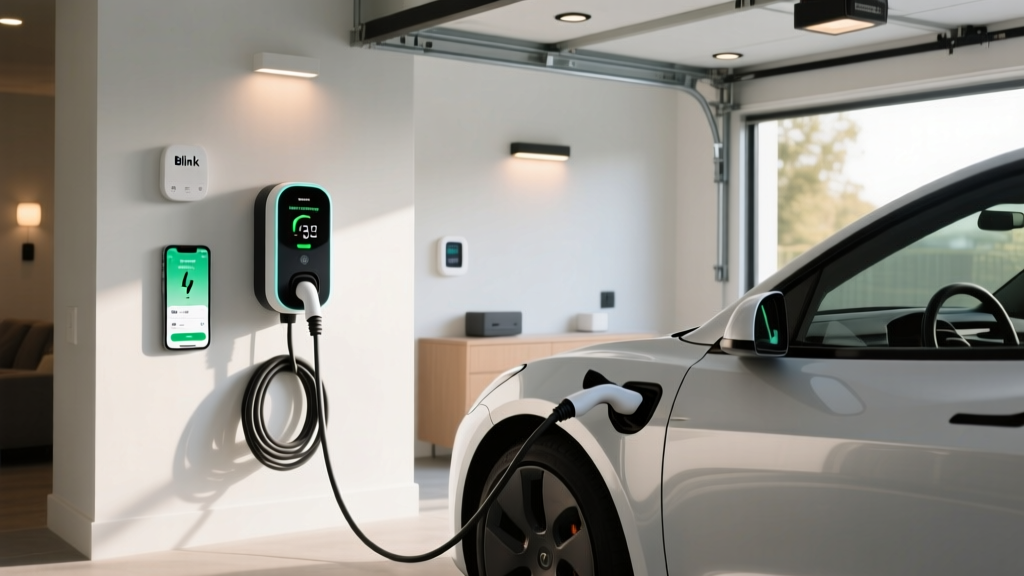
Charging infrastructure is the biggest ownership hurdle. Unlike highway EVs that benefit from a growing national DC fast-charging network, electric snow vehicles rely almost entirely on Level 1 and Level 2 charging at your home, cabin, or lodge.
| Charging Level | Power (kW) | Time to Full (20 kWh pack) | Availability |
|---|---|---|---|
| Level 1 (120V outlet) | ~1.2-1.4 kW | ~14-18 hours | Any standard outlet |
| Level 2 (240V) | ~3.3-7.2 kW | ~3-6 hours | Requires dedicated circuit |
| DC Fast Charge | Not widely supported | N/A | Very rare for snow vehicles |
Cold-weather charging caveat: Lithium-ion batteries charge significantly slower when cold. If your Taiga sits outside at 0°F overnight, expect the initial charging phase to be throttled until the pack warms. Some riders use insulated battery blankets or garage storage to mitigate this. Budget for a heated garage or insulated storage if you plan to charge regularly in deep winter.
Home Charging Installation Cost
| Item | Cost Range |
|---|---|
| Level 2 charger (240V, 32A) | $400-$800 |
| Electrician (circuit + wiring) | $500-$2,000 |
| Permit (if required) | $50-$300 |
| Panel upgrade (if needed) | $1,500-$4,000 |
| Total (typical) | $950-$3,100 |
Always consult a licensed electrician for final installation specifications. Costs vary widely by region and existing panel capacity.
Total Cost of Ownership: 5-Year Breakdown
| Cost Category | Electric (Taiga TS2) | Gas (Ski-Doo 850) |
|---|---|---|
| Purchase price | $17,000 | $14,500 |
| Home charging setup | $1,500 | $0 |
| Fuel/energy (5 yrs, ~2,000 mi/yr) | $500 | $3,750 |
| Maintenance (5 yrs) | $300 | $2,500 |
| Insurance (5 yrs est.) | $2,500 | $2,000 |
| Estimated resale (5 yr) | -$8,500 | -$7,000 |
| Net 5-year cost | ~$13,300 | ~$15,750 |
The electric snow vehicle can come out ahead on total cost over five years, primarily due to dramatically lower fuel and maintenance costs. However, this assumes moderate annual mileage (~2,000 miles) and access to affordable home electricity. The higher upfront price is the main barrier, and unlike highway EVs, electric snowmobiles do not currently qualify for the federal §30D clean vehicle tax credit, which applies to on-road vehicles meeting specific MSRP, income, and battery-sourcing requirements per IRS guidelines.
Common Misconceptions About Electric Snow Vehicles
| Myth | Fact |
|---|---|
| "Electric snowmobiles have no power." | The Taiga TS2 produces ~120 HP and 180 lb-ft of instant torque — competitive with many mid-range gas sleds on acceleration. |
| "Batteries die completely in extreme cold." | Cold reduces range by 30-50%, but modern BMS systems prevent catastrophic failure. The sled won't strand you without warning — it will derate power first. |
| "You can charge at any trail stop." | Public charging for snow vehicles is nearly nonexistent. Plan rides around your home/lodge charger or carry a portable generator as backup. |
| "Electric means zero maintenance." | You still maintain the track, suspension, skis, and brakes. What you eliminate: engine oil, spark plugs, fuel filters, exhaust valves, and belt drives. |
| "The battery will need replacing in a few years." | NMC packs in recreational use typically retain 80%+ capacity after 1,000-1,500 charge cycles. Taiga offers a battery warranty; check current terms at purchase. |
Decision Framework: Should You Buy an Electric Snow Vehicle?
Choose Electric If:
- You ride under 80 miles per outing on groomed or moderate terrain
- You have garage or heated storage with 240V access at home or a cabin
- Noise restrictions matter (resort areas, residential trailheads, wildlife zones)
- You want minimal seasonal maintenance and zero trailside exhaust
- You value instant throttle response and a lower center of gravity
Choose Gas If:
- You regularly ride 100+ miles per day in backcountry or deep powder
- You ride in remote areas with no charging access within range
- Upfront budget is under $15,000
- You need maximum horsepower for mountain/climb riding
- Quick refueling (gas can in 2 minutes) is non-negotiable
What First-Time EV Buyers Should Know About Snow Vehicles
If you're coming from a gas snowmobile, the transition to electric shares some principles with switching from a gas car to a highway EV — but with amplified cold-weather challenges:
- kW vs. kWh: kW (kilowatts) measures power — how fast you charge or how much force the motor delivers. kWh (kilowatt-hours) measures energy capacity — the size of your "fuel tank." A 20 kWh battery at 7.2 kW charging takes roughly 3 hours to fill.
- Plan for range anxiety: Unlike a highway EV with 300+ miles of range and DC fast chargers every 50 miles, snow vehicles have shorter legs and almost no public infrastructure. Treat every ride like a round trip from your charger.
- Battery storage matters: Storing a lithium-ion pack at full charge or full depletion in extreme cold accelerates degradation. Store at ~50% state of charge in temperatures above freezing when not riding for extended periods.
- Insurance may cost more: Electric snow vehicles carry higher replacement values and limited repair networks. Get quotes before purchasing — premiums can run 20-30% higher than equivalent gas models.
- No federal tax credit: The §30D credit applies to on-road clean vehicles. Recreational snow vehicles are excluded. Some states or utility co-ops may offer rebates for electric off-road equipment — check local programs.
Frequently Asked Questions
How long does an electric snowmobile battery last?
Most NMC lithium-ion packs in recreational snow vehicles are rated for 1,000-1,500 full charge cycles before dropping to 80% capacity. At typical recreational use (50-80 rides per season), that translates to roughly 10-15 years of service before noticeable range reduction. Check the manufacturer's battery warranty for specific coverage terms.
Can you ride an electric snow vehicle in deep powder?
Yes, but range drops significantly. Deep powder requires sustained high power output, which drains the battery faster than groomed-trail riding. Expect 30-50% range loss in deep snow at sub-freezing temperatures. For extended powder days in the backcountry, gas remains the more practical choice in 2026.
Do electric snowmobiles have enough power for mountain riding?
Current models like the Taiga TS2 deliver ~120 HP with instant torque, which is competitive for trail and moderate mountain riding. However, the lightest, most powerful gas mountain sleds (165+ HP, sub-450 lbs) still outperform electric options on extended steep climbs where both weight and sustained power matter.
What happens if the battery runs out on the trail?
The vehicle's battery management system (BMS) will progressively derate power and issue low-charge warnings well before complete shutdown. You won't lose power suddenly — but once depleted, you'll need a tow or a portable generator with a compatible charger. Always ride with a plan to return within your remaining range.
Are there any electric snow vehicles that qualify for tax credits?
As of 2026, electric snowmobiles and recreational snow vehicles do not qualify for the federal §30D clean vehicle tax credit, which is limited to on-road vehicles meeting MSRP caps, buyer income limits, and battery-sourcing requirements. Check your state's energy office or utility provider for possible off-road electrification rebates.