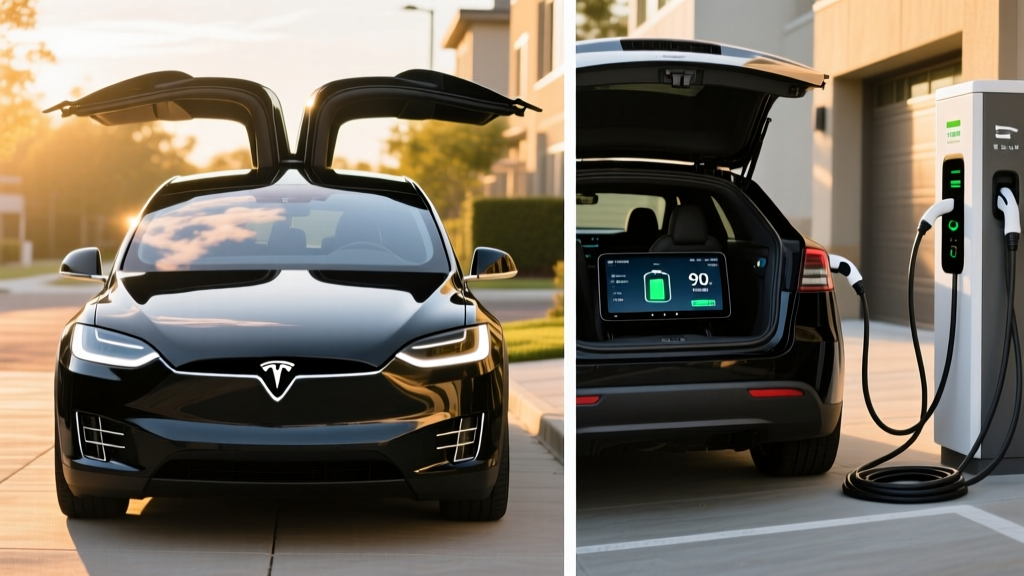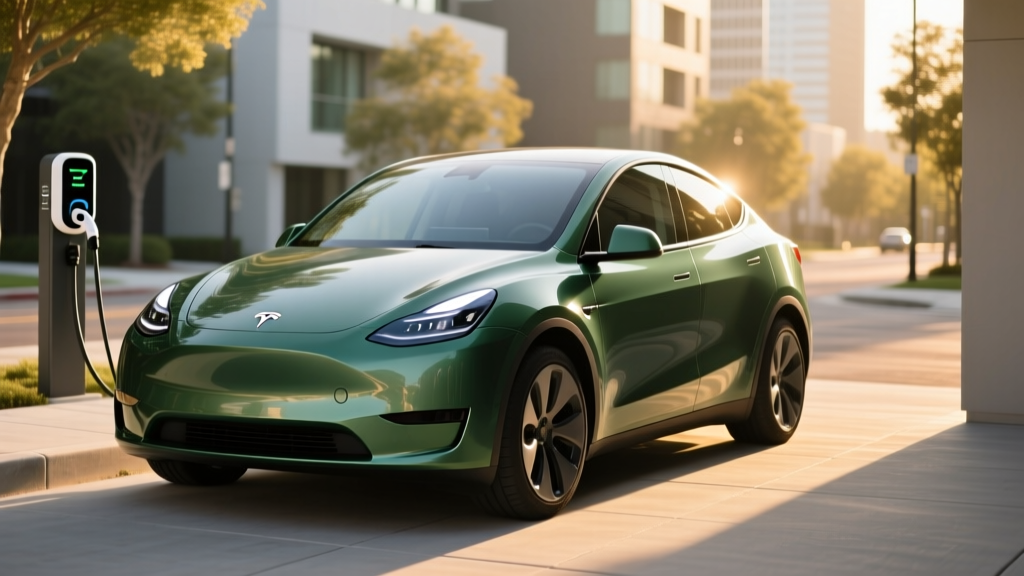
If you've searched for an EV lately, you've noticed the electric skyline has exploded. What was once a market dominated by Tesla and a handful of compliance cars now spans over 80 battery-electric models from nearly every major automaker. Prices range from the sub-$30,000 Nissan Leaf and Chevrolet Bolt EV to the $130,000+ Lucid Air Sapphire and Mercedes EQS. EPA-rated ranges now routinely exceed 300 miles, DC fast-charging speeds have jumped past 300 kW on 800-volt architectures, and the NACS (North American Charging Standard) connector has become the de facto standard across nearly all non-European brands.
The Short Answer: Is 2026 the Right Time to Buy an EV?
For most buyers with access to home charging (Level 2) and daily commutes under 60 miles round-trip, yes — current EVs offer lower per-mile fueling costs ($0.04–$0.06/mile on home electricity vs. $0.12–$0.16/mile for a 28 MPG gas car), fewer maintenance items (no oil changes, fewer brake replacements thanks to regen), and a federal tax credit of up to $7,500 under IRS §30D — if you, the vehicle, and its battery sourcing all qualify. If you lack home charging, regularly drive in sub-20°F weather, or tow heavy loads over long distances, a plug-in hybrid (PHEV) may serve you better in 2026.
Mapping the 2026 Electric Skyline: What's Actually Available
The 2026 electric skyline is best understood by price tier and body style, because that's how most buyers actually shop. Here's where the major models land as of early 2026:
- Under $35,000 (before credit): Nissan Leaf (up to 212 mi EPA), Chevrolet Bolt EV (259 mi), Hyundai Kona Electric (261 mi)
- $35,000–$50,000: Tesla Model 3 Long Range (363 mi), Hyundai Ioniq 5 (303 mi), Ford Mustang Mach-E Extended Range (320 mi), Volkswagen ID.4 Pro S (291 mi), Chevrolet Equinox EV (319 mi)
- $50,000–$75,000: Tesla Model Y Long Range (330 mi), Kia EV9 (304 mi), Rivian R1S Dual-Motor (321 mi), Ford F-150 Lightning Extended Range (320 mi)
- $75,000+: BMW iX xDrive50 (324 mi), Lucid Air Pure (419 mi), Mercedes EQS 450+ (390 mi), Porsche Taycan Turbo GT (305 mi, performance-focused)
A few trends define the current landscape: LFP (lithium iron phosphate) batteries have moved upmarket into base trims of the Model 3 and Model Y, offering lower cost and longer cycle life at the expense of some energy density and cold-weather performance. Meanwhile, 800-volt architectures (Hyundai/Kia E-GMP, GM Ultium, Porsche) enable DC fast-charge peaks above 250 kW, cutting 10–80% sessions to roughly 18–20 minutes under ideal conditions.
EV vs. Gas vs. Hybrid: The Real Numbers
Choosing between a battery-electric vehicle (BEV), a plug-in hybrid (PHEV), or a conventional hybrid (HEV) depends on your driving pattern, charging access, and budget. Let's compare three popular 2026 models across a realistic 15,000-mile annual driving profile using EPA data from fueleconomy.gov:
| Metric | Tesla Model 3 LR (BEV) | Toyota RAV4 Prime (PHEV) | Toyota RAV4 Hybrid (HEV) |
|---|---|---|---|
| Base MSRP | $47,740 | $44,590 | $33,425 |
| EPA Combined Efficiency | 132 MPGe (25 kWh/100mi) | 94 MPGe (EV) / 38 MPG (gas) | 39 MPG combined |
| Electric-Only Range | 363 miles | 42 miles | N/A |
| Annual Fuel/Energy Cost* | ~$570 (home charging) | ~$680 (mix of electric + gas) | ~$1,450 (gasoline) |
| Estimated §30D Federal Credit | Up to $7,500 (if eligible) | Up to $7,500 (if eligible) | $0 (not a plug-in) |
| 5-Year Maintenance Estimate | ~$1,800 | ~$3,200 | ~$3,400 |
| CO₂ Emissions (Annual) | ~1.8 tons (grid avg.) | ~2.5 tons | ~4.0 tons |
*Assumes $0.16/kWh national average electricity and $3.50/gallon regular unleaded. Your costs will vary by state and utility rate. Source: fueleconomy.gov and DOE energy cost calculator.
The BEV wins on per-mile cost and maintenance, but the PHEV offers a safety net: 42 miles of electric-only commuting with no range anxiety on road trips. The HEV requires no charging infrastructure and still saves substantially over a gas-only equivalent (the RAV4 gas ALE gets 30 MPG combined). The right choice depends on your specific constraints — which we break down in the decision framework below.
Breaking Down the Real Cost of EV Ownership
Sticker price is only the starting point. Here's a five-year total cost of ownership (TCO) comparison for a 2026 Tesla Model 3 Long Range versus a comparably equipped 2026 Toyota Camry SE (gas, ~32 MPG combined) over 75,000 miles:
| Cost Category (5 Years) | Tesla Model 3 LR AWD | Toyota Camry SE (Gas) |
|---|---|---|
| Purchase Price (MSRP) | $47,740 | $31,495 |
| Federal Tax Credit (§30D) | −$7,500 (if eligible) | $0 |
| Effective Purchase Price | $40,240 | $31,495 |
| Home Level 2 Charger Install | $1,200–$2,000 | $0 |
| Fuel/Energy (75,000 mi) | $2,850 (home, $0.16/kWh) | $8,200 ($3.50/gal, 32 MPG) |
| Maintenance | $1,800 | $3,800 |
| Insurance (avg. national) | $11,500 | $7,500 |
| Depreciation (est. 5-yr) | $18,000 | $13,500 |
| Total 5-Year Cost | ~$75,590–$76,390 | ~$64,495 |
| Cost Per Mile | ~$1.01/mi | ~$0.86/mi |
Key takeaways: the Model 3 saves roughly $5,350 on fuel and $2,000 on maintenance over five years, but those savings are offset by higher insurance premiums (EVs average 15–25% more to insure, per industry data) and steeper depreciation on a higher starting price. If you qualify for the full $7,500 credit and have cheap home electricity, the gap narrows significantly. At 100,000+ miles, the BEV typically crosses the break-even point.
What First-Time EV Buyers Must Know Before Signing
If you're entering the EV market for the first time, these are the practical realities that no glossy brochure will tell you:
Home Charging Is Non-Negotiable for Most Owners
Over 80% of EV charging happens at home. A Level 2 home charger (240V, 32–48 amps) adds roughly 25–44 miles of range per hour of charging, meaning an overnight session easily refills a full day's driving. Expect to pay $500–$800 for the charger unit (e.g., ChargePoint Home Flex, Emporia Vue, Tesla Wall Connector) plus $700–$2,000 for electrician installation, depending on whether your panel needs an upgrade to 200 amps. If you live in an apartment or rely entirely on street parking, EV ownership in 2026 is still possible — public DC fast-charging networks like Tesla Supercharger, Electrify America, and EVgo have expanded significantly — but your costs per mile will roughly double compared to home charging, and you'll spend 2–4 hours per week at chargers.
EPA Range Is Not Your Real-World Range
The EPA test cycle includes city and highway driving at moderate temperatures. In practice:
- Highway driving at 75+ MPH: Expect 85–90% of EPA range (a 300-mile EPA rating yields ~255–270 real miles)
- Cold weather (below 30°F): Expect 70–80% of EPA range without a heat pump; 80–88% with one. LFP batteries lose proportionally more range in cold than NMC
- Towing: Range drops 40–55% when towing near max capacity — this is the single biggest range killer
- DC fast charging taper: A "250 kW peak" charge rate applies only between roughly 10–50% state of charge (SoC). Above 80%, speeds drop to 50–80 kW to protect the battery. Plan road-trip stops around 10–80% sessions for the fastest throughput
The Federal Tax Credit Has Strings Attached
The IRS §30D Clean Vehicle Credit offers up to $7,500 for qualifying new EVs and PHEVs, but eligibility hinges on three moving targets:
- Buyer income caps: Modified AGI ≤ $150,000 (single), $225,000 (head of household), $300,000 (joint)
- MSRP caps: ≤ $55,000 for sedans; ≤ $80,000 for SUVs, vans, and pickups
- Battery sourcing: Critical minerals and battery components must meet escalating percentages sourced from the U.S. or FTA partners — this disqualifies some trims and model years
As of 2026, the credit can be transferred to the dealer at point of sale, reducing your purchase price directly. Always verify current eligibility on the IRS website and with your tax professional before counting on the credit in your budget.
Myths vs. Facts: Clearing Up EV Misconceptions
| Myth | Fact |
|---|---|
| "EV batteries need replacing every 5 years" | Federal law mandates 8-year/100,000-mile battery warranties (10 years/150,000 miles in CARB states). Most NMC and LFP packs retain 85–92% capacity at 150,000 miles based on fleet data. Full replacements cost $8,000–$18,000 but are rarely needed within the vehicle's practical lifespan. |
| "EVs are worse for the environment because of battery mining" | Lifecycle analyses from Argonne National Laboratory and ICCT show EVs produce 50–70% fewer lifetime emissions than gas equivalents in the U.S., even on coal-heavy grids. The break-even point vs. a gas car is typically 1–2 years of average driving. |
| "The grid can't handle everyone driving EVs" | If every light-duty vehicle in the U.S. were electric, total electricity demand would increase roughly 25–30% — manageable over the multi-decade transition timeline with planned generation and storage buildout. Most charging happens overnight during off-peak hours when grid capacity is underutilized. |
| "EVs are slow in cold weather" | Performance remains strong — electric motors deliver instant torque regardless of temperature. Range decreases, but acceleration and handling are unaffected. Preconditioning the battery while plugged in mitigates most cold-weather range loss. |
| "I'll be stranded with no charging stations" | As of 2026, the U.S. has over 200,000 public charging ports including 50,000+ DC fast chargers. Rural gaps remain in parts of the Mountain West and Great Plains, but the I-5, I-95, I-80, and I-10 corridors are well-served with chargers every 50–80 miles. |
Decision Framework: Which Electrified Vehicle Is Right for You?
If X, Then Y — Your 2026 EV Buying Decision Guide
Choose a full BEV if:
- You have (or can install) a Level 2 home charger
- Your daily round-trip commute is under 80 miles
- You take road trips 1–4 times per year and can plan charging stops
- You want the lowest per-mile fuel cost and minimal maintenance
- You qualify for the §30D credit, bringing effective price close to a gas equivalent
Choose a PHEV if:
- You have home charging but also take frequent long road trips (>300 miles)
- Your daily commute is under 40 miles (covering most PHEV electric-only ranges)
- You want electric commuting without range anxiety
- You live in an area with sparse public charging infrastructure
- You tow occasionally and want gas-engine range as backup
Choose an HEV (standard hybrid) if:
- You cannot charge at home or at work
- You want better fuel economy with zero behavior change
- Your budget is under $35,000 and you want proven reliability
- You drive in extreme cold regularly and don't want range variability
Wait or reconsider if:
- You regularly tow over 5,000 lbs on long trips (range drops 40–55%)
- You live in an apartment without charging access and your area lacks public chargers
- You drive fewer than 6,000 miles per year — the fuel savings won't offset the EV premium within a typical ownership period
The 2026 Electric Skyline: Where the Market Is Headed
Several developments are reshaping the buying landscape this year:
NACS dominance: With Ford, GM, Rivian, Volvo, and others adopting Tesla's NACS connector for 2025–2026 models, CCS1 is effectively legacy. If you're buying a new EV in 2026, NACS compatibility gives you access to the Supercharger network (now 7,000+ stalls in North America) plus growing third-party NACS chargers. Non-Tesla CCS vehicles can use adapters, but native NACS is the cleaner path.
Affordable models expanding: The sub-$35,000 segment is no longer a wasteland. The refreshed Chevrolet Bolt (on the Ultium platform), Hyundai Kona Electric, and upcoming base Tesla Model 3 variant mean buyers on tighter budgets have legitimate options with 250+ miles of EPA range.
Used EV market maturing: A separate used EV credit of up to $4,000 (30% of sale price, capped at $4,000, with lower income thresholds) makes 2–4-year-old EVs increasingly attractive. A 2023 Tesla Model 3 or Hyundai Ioniq 5 with 30,000–50,000 miles can be had for $22,000–$28,000 before the used credit, with battery health typically at 90–95% State of Health (SoH).
The electric skyline in 2026 isn't perfect — rural charging gaps persist, insurance costs remain elevated, and the tax credit's sourcing requirements add complexity. But for the majority of American drivers with home charging access and typical commutes, the math now clearly favors going electric. The question is no longer whether to buy an EV, but which one fits your specific driving pattern, budget, and lifestyle.
Frequently Asked Questions
How long do EV batteries actually last?
Most modern EV batteries (NMC and LFP chemistries) are designed to retain at least 70–80% of original capacity after 150,000–200,000 miles. Federal law requires manufacturers to warrant the battery for 8 years/100,000 miles (10/150,000 in CARB states like California, New York, and others). Real-world fleet data from Tesla, Hyundai, and others shows average degradation of roughly 10–15% over the first 100,000 miles, with the curve flattening significantly afterward. Full battery replacement costs $8,000–$18,000 depending on pack size but is uncommon within a vehicle's typical ownership cycle.
Is home charging really cheaper than gas?
Yes, substantially. At the 2026 national average electricity rate of ~$0.16/kWh and an EV consuming 25–30 kWh/100 miles, you'll pay roughly $0.04–$0.05 per mile. A comparable gas car at 30 MPG with $3.50/gallon fuel costs ~$0.12/mile. Over 15,000 miles annually, that's a savings of roughly $1,200–$1,500 per year. Time-of-use (TOU) utility plans that offer off-peak rates of $0.08–$0.10/kWh can push your per-mile cost below $0.03. Public DC fast charging is more expensive — typically $0.30–$0.48/kWh — which can approach or exceed gas-car fueling costs.
What happens if I need to drive 400+ miles in one day?
Plan for two 20–25-minute DC fast-charging stops (10–80% SoC sessions). On a modern EV with 250+ kW peak charging capability and a 300-mile EPA range, you'll stop roughly every 180–220 real-world highway miles. Apps like A Better Routeplanner (ABRP) and built-in vehicle navigation (Tesla, Ford, Rivian) handle this routing automatically, factoring in elevation, temperature, and charger availability. It adds roughly 45–60 minutes to an 8-hour drive — a trade-off that's manageable for occasional road trips but worth considering if you do 400+ mile drives weekly.
Do I need to upgrade my electrical panel for a home charger?
It depends on your current panel capacity and existing loads. A 48-amp Level 2 charger requires a 60-amp dedicated circuit. If your home has a 200-amp panel with moderate existing loads, installation is typically straightforward ($700–$1,200 for the electrician work). If you have a 100-amp panel or heavy existing loads (electric heat, hot tub, workshop), a panel upgrade to 200 amps may be needed, adding $1,500–$3,500 to the project. Always get a licensed electrician's assessment before purchasing a charger.
Will my EV lose value faster than a gas car?
Historically, yes — EVs depreciated faster due to rapid technology improvements, price cuts from Tesla, and battery-health uncertainty in the used market. However, 2025–2026 data shows the gap narrowing as the used EV market matures, battery longevity data becomes well-established, and more buyers seek used EVs. Expect a typical mainstream EV to retain 40–50% of its purchase price after 5 years (comparable to many gas sedans and SUVs), though luxury EVs above $80,000 still depreciate more steeply. Leasing remains an attractive option to hedge depreciation risk on higher-priced models.