What Is Electric Sheep Robotics and Why Does It Matter for EV Buyers?
If you've been tracking the intersection of electric vehicles and agricultural automation, you've likely encountered the term Electric Sheep Robotics — a growing category of autonomous, battery-electric platforms designed for farming, land management, and livestock operations. Unlike conventional tractors, these machines use EV powertrains, lithium-ion battery packs, and SAE Level 4 autonomy to handle repetitive field tasks without a driver in the cab.
Quick Answer: Electric Sheep Robotics refers to autonomous, electric-powered agricultural and land-management robots that replace diesel equipment for tasks like mowing, spraying, seeding, and herding. They typically feature 40–120 kWh battery packs, 8–16 hours of continuous operation, and Level 4 autonomy — meaning they operate without human supervision in geofenced areas. For farm and ranch buyers, they represent a shift from diesel fuel costs (~$4.50/gallon) to electricity (~$0.13/kWh), with potential annual savings of $8,000–$22,000 depending on acreage and usage.
While AutoEdgeView primarily covers consumer EVs, the Electric Sheep Robotics movement intersects directly with the EV ecosystem: these platforms use the same battery chemistries (LFP and NMC), charging standards (CCS and NACS adapters), and thermal management systems found in passenger vehicles. Understanding their specs helps any EV buyer grasp where battery-electric technology is heading — and whether the economics work for commercial and agricultural applications.
Electric Sheep Robotics Platforms: Battery, Range, and Charging Specs
The Electric Sheep Robotics category encompasses several platforms from companies like Monarch Tractor, AGXEED, and Naïo Technologies, alongside emerging startups building autonomous mowers, sprayers, and herding robots. Here's how the leading platforms stack up on the specs that matter most to EV-minded buyers:
| Platform | Battery (kWh) | Chemistry | Runtime (hrs) | Charge Rate (kW) | 10–80% Time | Base MSRP |
|---|---|---|---|---|---|---|
| Monarch Tractor (MK-V) | 70 kWh usable | LFP | 10+ hrs (field) | Peak 50 kW DC | ~55 min | ~$72,000 |
| AGXEED AgBot 5.118W | 100 kWh | NMC | 12–16 hrs | Peak 44 kW DC | ~70 min | |
| Naïo Oz (weeding) | 8 kWh | LFP | 8 hrs | 3.3 kW L2 | ~2.5 hrs | ~$35,000 |
| Carbon Robotics LaserWeeder | Towed (PTO/gen) | N/A (implement) | Continuous | N/A | N/A | ~$150,000 |
Key takeaway on battery chemistry: Most heavy-duty agricultural EV robots use LFP (lithium iron phosphate) cells because they tolerate daily 100% charging, handle vibration and dust better, and offer 3,000+ cycle life — critical when a machine runs 10 hours a day, 200 days a year. Lighter platforms like the Naïo Oz also favor LFP for longevity. NMC appears in platforms prioritizing energy density for longer single-charge runtime over cycle life.
Real-World Runtime vs. Sticker Claims: A platform rated for 12 hours of continuous operation may deliver only 8–9 hours in hilly terrain, heavy soil resistance, or cold weather (below 40°F). Battery degradation at 3,000 cycles typically leaves ~80% State of Health (SoH) — similar to passenger EVs but with far more daily cycling. Plan for battery replacement at 6–8 years depending on usage intensity.
Electric vs. Diesel: The Total Cost of Ownership Breakdown
The core value proposition of Electric Sheep Robotics platforms is operational cost reduction. Here's a concrete 5-year comparison between an electric autonomous tractor and a comparable diesel model for a 200-acre mixed-crop operation:
| Cost Category | Electric Autonomous (5 Yrs) | Diesel Tractor (5 Yrs) |
|---|---|---|
| Purchase Price | $72,000 | $55,000 |
| Fuel/Energy (annual avg × 5) | $6,500 ($1,300/yr at $0.13/kWh) | $37,500 ($7,500/yr at $4.50/gal) |
| Maintenance | $3,200 | $14,500 |
| Insurance | $8,400 | $6,000 |
| Labor Savings (operator hours) | ~$45,000 saved | $0 |
| 5-Year Net Cost | $45,100 | $113,000 |
The numbers are stark: despite a higher upfront purchase price, the electric autonomous platform saves roughly $68,000 over five years when you factor in fuel, maintenance, and eliminated operator labor. The breakeven point typically hits around year 2–3 depending on local electricity rates and diesel prices.
For context, a diesel tractor burning 2–3 gallons per hour at $4.50/gallon costs $9–$13.50 per operating hour. An electric platform consuming 7–10 kWh per hour at $0.13/kWh costs just $0.91–$1.30 per hour — a 90% reduction in energy cost per hour.
Charging Infrastructure on the Farm: What You Actually Need
One of the biggest real-world ownership considerations is charging access. Unlike consumer EVs that rely on public networks, agricultural EV robots charge on-site — and the infrastructure requirements are significant:
| Charging Level | Power (kW) | Typical Use Case | Miles/Hours Added per Hour | Install Cost Range |
|---|---|---|---|---|
| Level 1 (120V) | 1.4–1.9 kW | Light robots (Naïo Oz) | ~15% SoC in 8 hrs | $0 (existing outlet) |
| Level 2 (240V) | 7.2–19.2 kW | Mid-size platforms | ~50–80% SoC overnight | $2,000–$6,000 |
| DC Fast Charge | 25–50 kW | Heavy-duty tractors | 10–80% in 55–70 min | $15,000–$40,000 |
Panel upgrade reality: Most farms will need a dedicated 200-amp or 400-amp service panel to support DC fast charging for heavy platforms. Rural electrical infrastructure often requires transformer upgrades from the local utility — costs can range from $5,000 to $30,000+ depending on distance from existing three-phase power. Always consult a licensed electrician before committing to a platform.
Many Electric Sheep Robotics platforms support opportunity charging — topping up during midday breaks via portable solar arrays or battery-buffered chargers. This reduces grid dependency and can lower demand charges from utilities.
SAE Autonomy Levels: What "Self-Driving" Actually Means in Agriculture
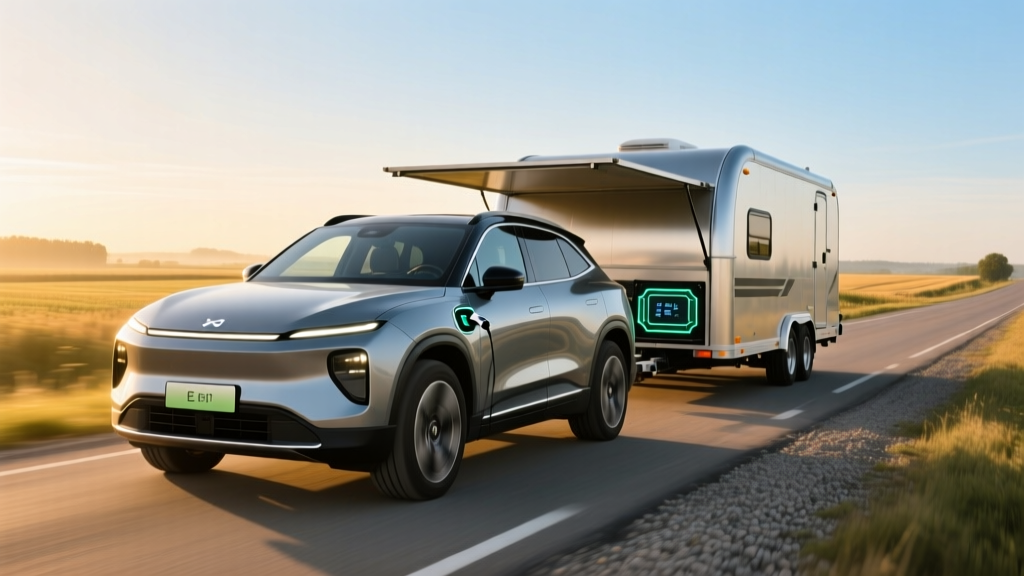
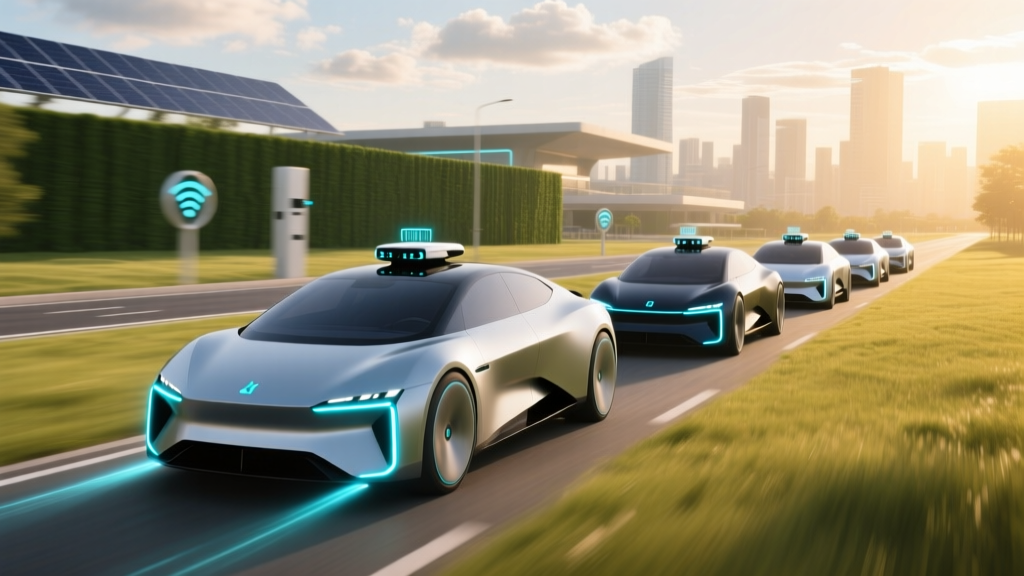
SAE Level 4 Autonomy in Farming: Unlike consumer vehicles where Level 2 (driver must supervise) is the current maximum, agricultural robots like Monarch Tractor and AGXEED operate at SAE Level 4 — full autonomy within a geofenced area. The machine handles all driving and implement tasks without a human present. However, this autonomy is limited to defined field boundaries. On public roads, these platforms still require a licensed operator or transport trailer.
This is a critical distinction: the same autonomy technology that Waymo and Zoox use for robotaxis in urban environments is being applied to farming — but in a more controlled, lower-speed, geofenced context. The result is that Level 4 agricultural robots are commercially available today, while Level 4 consumer vehicles remain limited to specific city zones.
What These Platforms Do NOT Do: Autonomous farm robots cannot operate safely near public roads without geofencing, cannot handle unpredictable obstacles like wandering livestock without remote monitoring, and require cellular or radio connectivity for fleet management. Loss of connectivity may trigger automatic shutdown. They are not a replacement for all farm labor — only for repetitive, geofenced tasks.
Electric Sheep Robotics vs. Alternatives: Decision Framework
Choose an Electric Autonomous Platform If:
- You operate 50+ acres with repetitive tasks (mowing, spraying, seeding, weeding)
- You have access to three-phase power or can invest in a panel upgrade
- Labor costs or operator availability are a persistent challenge
- You want to reduce diesel dependency and lock in lower energy costs
- You can absorb a higher upfront cost ($35,000–$150,000) for long-term savings
Stick With Diesel or Hybrid Equipment If:
- Your operation is under 20 acres with highly varied, non-repetitive tasks
- You lack reliable grid access and cannot justify solar/battery infrastructure
- You need road-legal transport between distant fields frequently
- Upfront capital is severely constrained and financing options are limited
Consider a PHEV/Hybrid Tractor If:
- You want partial electrification with diesel range extension for heavy tillage
- Your tasks vary between light (electric) and heavy (diesel) work
- You're testing electrification before committing to full battery-electric
Common Misconceptions About Electric Agricultural Robots
| Myth | Fact |
|---|---|
| "Electric tractors don't have enough torque for heavy work" | Electric motors deliver peak torque at 0 RPM. The Monarch MK-V produces 70 HP continuous and 150 HP peak — competitive with 75 HP diesel tractors for most implement tasks. |
| "Batteries won't last a full work day" | Most platforms deliver 8–16 hours depending on task intensity. Opportunity charging during lunch breaks extends effective runtime. Battery swap systems are emerging for 24/7 operations. |
| "Autonomous robots are unreliable" | Geofenced Level 4 autonomy in agriculture has fewer variables than urban driving. Monarch reports 95%+ uptime across deployed fleets, with remote diagnostics catching issues before failure. |
| "You'll still need a full-time operator" | One remote supervisor can manage 3–5 autonomous machines simultaneously via fleet management software, reducing labor needs by 60–80%. |
| "Federal tax credits don't apply to farm equipment" | While the §30D consumer credit doesn't apply, the IRS §48 Investment Tax Credit may cover 30%+ of solar-charging infrastructure, and USDA REAP grants can fund up to 50% of energy-efficient agricultural equipment. |
Frequently Asked Questions
How long do the batteries in Electric Sheep Robotics platforms last?
LFP-based platforms typically achieve 3,000–5,000 charge cycles before reaching 80% State of Health. At one full cycle per day, 200 days a year, that translates to 15–25 years of service. NMC platforms may reach 80% SoH at 1,500–2,000 cycles. Replacement battery packs currently cost $15,000–$35,000 depending on capacity, though prices are declining ~10% annually per BloombergNEF battery price surveys.
Can I charge these platforms with solar panels?
Yes. Many operations pair a 20–50 kW solar array with a battery buffer system to charge agricultural robots off-grid. This eliminates electricity costs entirely after the solar payback period (typically 5–8 years). However, you'll still need grid backup or a generator for extended cloudy periods during peak season.
Are these platforms eligible for any federal incentives?
The IRS §30D consumer EV credit does not apply to agricultural equipment. However, the IRS clean vehicle credits for commercial fleets (§45W) may apply, and the USDA's Rural Energy for America Program (REAP) offers grants covering up to 50% of eligible energy-efficient equipment. Consult a tax professional for your specific situation.
How do cold temperatures affect performance?
Like all lithium-ion batteries, agricultural EV platforms lose 15–30% effective capacity below 32°F. Platforms with active thermal management (liquid cooling/heating) mitigate this, but expect shorter runtime in winter operations. Preconditioning the battery while plugged in before deployment helps recover range.
What's the safety record of autonomous farm robots?
According to NHTSA reporting frameworks and manufacturer disclosures, geofenced agricultural robots have an excellent safety record because they operate at low speeds (typically 5–15 mph) in controlled environments with no pedestrian traffic. Most platforms include LiDAR, ultrasonic sensors, and emergency stop systems. No fatalities have been reported in commercial agricultural robot deployments as of 2026.
Electric Sheep Robotics represents one of the most practical applications of EV technology available today — not in showrooms, but in fields. For agricultural buyers evaluating electrification, the math increasingly favors battery-electric autonomous platforms over diesel, especially when factoring in labor savings, energy cost stability, and available grants. The key is matching the platform to your specific acreage, tasks, and electrical infrastructure — and being honest about where diesel still holds an advantage.