Note: This guide addresses the electric sea bike topic from an EV ownership and purchase-decision perspective. Electric sea bikes (also called electric surfboards, e-foils, or electric personal watercraft) sit at the intersection of EV battery tech and recreational marine use. While AutoEdgeView focuses on road-going electric and hybrid vehicles, the battery, charging, and ownership principles carry over — and we want to give you honest, data-driven guidance.
Quick Answer
Electric sea bikes are battery-powered personal watercraft that typically cost between $6,000 and $18,000, offer 45–90 minutes of ride time per charge (roughly 15–35 miles depending on speed), and use lithium-ion battery packs in the 2–8 kWh range. They are not eligible for the federal §30D EV tax credit, which applies only to qualified on-road plug-in vehicles. Compared to gas-powered jet skis, electric sea bikes have lower ongoing fuel and maintenance costs but significantly shorter range, higher upfront prices, and limited refueling infrastructure on the water.
What Exactly Is an Electric Sea Bike?
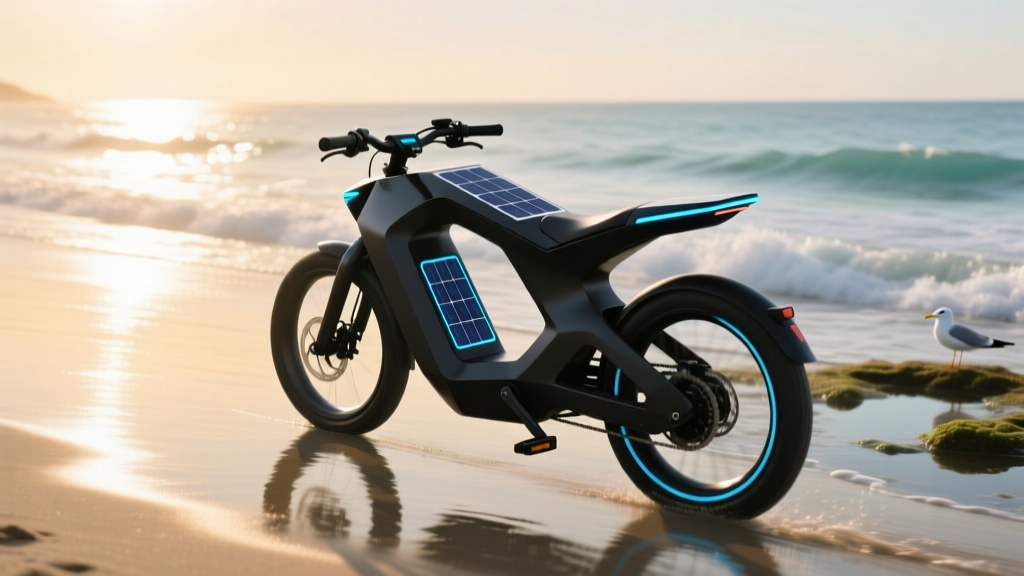
An electric sea bike is a compact, battery-electric personal watercraft — sometimes shaped like a surfboard with a hydrofoil (e-foil), sometimes like a small seated water scooter. Brands like Lift Foils, Awake, Radinn, Fliteboard, and Jetsurf (which offers both gas and electric models) lead this market in 2026. The core appeal: silent operation, zero direct emissions on the water, instant torque, and far less maintenance than a gasoline marine engine.
From an EV technology standpoint, these craft use the same fundamental architecture as electric cars — a lithium-ion battery pack (typically NMC chemistry for energy density), a brushless DC motor, and a controller managing power delivery. The difference is scale: where a Tesla Model Y carries a ~75 kWh battery, most electric sea bikes run 2 to 8 kWh usable. That smaller capacity is the defining constraint of ownership.
Electric Sea Bike vs. Gas Watercraft: The Numbers
The comparison most buyers need is electric sea bike vs. a conventional gas-powered personal watercraft (PWC) like a Sea-Doo or Yamaha WaveRunner. Here's how they stack up on the metrics that matter:
| Metric | Electric Sea Bike (Typical) | Gas PWC (Sea-Doo RXT-X 325) |
|---|---|---|
| Base Price (MSRP) | $7,000 – $18,000 | $17,500 – $21,000 |
| Battery / Fuel Capacity | 2 – 8 kWh (Li-ion NMC) | 15.9 gal gasoline |
| Range / Ride Time | 45 – 90 min (~15–35 mi) | ~120 – 150 mi per tank |
| Top Speed | 30 – 42 mph | 65 – 70 mph |
| "Refuel" / Recharge Time | 1.5 – 3.5 hours (full charge) | ~3 minutes (fill-up) |
| Energy / Fuel Cost per Hour | $0.50 – $1.50 (electricity) | $12 – $25 (premium gas) |
| Annual Maintenance | $100 – $300 | $500 – $1,200 |
| Noise Level | Near-silent | 75 – 90 dB |
| Federal Tax Credit | None (not a qualified on-road vehicle) | N/A |
The tradeoff is clear: electric wins on operating cost, noise, and maintenance. Gas wins decisively on range, speed, and refueling speed. For riders who want 30–60 minute sessions near shore or at a lake house, electric is viable. For open-water touring or all-day riding, gas still dominates.
Real Costs of Electric Sea Bike Ownership
The sticker price is only the beginning. Here's what a realistic five-year ownership picture looks like for a mid-range electric sea bike (e.g., a Fliteboard Ultra or Awake Ravik) priced around $12,000:
| Cost Category | Electric Sea Bike (~$12K) | Gas PWC (~$18K) |
|---|---|---|
| Purchase Price | $12,000 | $18,000 |
| Energy/Fuel (5 yrs, 60 hrs/yr) | $300 – $600 | $4,500 – $7,500 |
| Maintenance (5 yrs) | $800 – $1,500 | $3,500 – $6,000 |
| Battery Replacement (if needed) | $1,500 – $3,500 | N/A |
| Insurance (5 yrs) | $1,500 – $3,000 | $2,000 – $4,000 |
| 5-Year Total (est.) | $16,100 – $20,600 | $28,000 – $35,500 |
The electric sea bike can save $8,000–$15,000 over five years in fuel and maintenance alone — but only if the battery holds up. Most manufacturers warranty batteries for 1–2 years or 200–500 charge cycles. A replacement pack at $1,500–$3,500 is a real possibility in years 4–5 if you ride heavily. This mirrors the long-term battery concern EV car buyers face, though at a smaller dollar scale.
Charging an Electric Sea Bike: What You Need at Home
Charging logistics are where many first-time buyers miscalculate. Most electric sea bikes ship with a standard 120V (Level 1 equivalent) charger that plugs into a regular household outlet. Here's what that means in practice:
- Battery size: 2–8 kWh usable capacity
- Level 1 charging (120V, ~1.4 kW): A full charge on a 5 kWh pack takes roughly 3.5 hours
- Dedicated 240V charging (some models): Brands like Awake and Radinn offer optional fast chargers that cut charge time to 60–90 minutes at ~3.5 kW
- No public charging infrastructure: Unlike EVs with CCS/NACS ports, there's no network of public chargers at marinas or beaches — you must plan around your own power supply
Practical tip: If you're riding at a lake house or dock, verify you have access to a dedicated 15A or 20A circuit. Sharing a circuit with other equipment can trip breakers or slow charging. For 240V fast-charging options, you'll need a licensed electrician to install a dedicated outlet — expect $300–$800 for a simple install, more if a panel upgrade is needed (similar to home Level 2 EV charger installation).
Common Misconceptions — Fact-Checked
| Myth | Fact |
|---|---|
| "I can get the $7,500 federal EV tax credit on an electric sea bike." | False. The IRS §30D credit applies only to qualified on-road plug-in vehicles with 4+ wheels meeting specific MSRP, income, and battery-sourcing requirements. Marine craft do not qualify. |
| "Electric sea bikes have no maintenance." | Misleading. No oil changes or winterization, yes. But you'll still need impeller inspections, seal replacements, corrosion treatment (especially saltwater use), firmware updates, and eventual battery replacement. |
| "The battery will last forever like a Tesla." | False. EV car batteries are engineered for 1,500–3,000+ cycles with sophisticated thermal management. Sea bike packs are smaller, often passively cooled, and rated for 300–800 cycles. Expect noticeable capacity loss after 3–4 years of regular use. |
| "It's totally silent, so it's safer." | Partially true, but a double-edged sword. Silence is pleasant but means other boaters and swimmers can't hear you coming. Many jurisdictions now require sound-signaling devices on electric watercraft. |
| "I can ride it anywhere a jet ski goes." | Check local regulations. Some lakes and marine zones restrict PWC use, and electric variants may fall into different classification categories. Always verify with your state boating authority. |
Who Should Buy an Electric Sea Bike — and Who Shouldn't
Not every rider is a good candidate. Based on the data above, here's a practical decision framework:
Decision Framework: Is an Electric Sea Bike Right for You?
✅ Choose an electric sea bike if:
- You ride in 30–60 minute sessions and don't need all-day range
- You ride primarily near shore, at a lake house, or in calm bays — not open ocean
- Noise restrictions matter (residential waterfronts, eco-sensitive areas)
- You have reliable access to a 120V or 240V outlet at your launch point
- You value low maintenance over top speed
- You're okay with 30–42 mph top speeds (sufficient for most recreational riding)
❌ Stick with gas (or wait) if:
- You need 2+ hours of continuous riding or 50+ mile range per outing
- You ride in open water, offshore, or in areas far from your charging point
- You want 60+ mph speeds for sport/racing
- You trailer your PWC to different locations and can't guarantee charging access
- You're on a tight budget — a reliable gas PWC can be had for $8,000–$12,000 used
Battery Longevity and Replacement: The Real Concern
The single biggest ownership risk with an electric sea bike is battery degradation — the same concern that dominates EV car ownership discussions, just at a smaller scale and with less engineering overhead.
Most electric sea bike batteries use NMC (nickel manganese cobalt) chemistry, chosen for high energy density in a compact, lightweight package. The tradeoff vs. LFP (lithium iron phosphate, common in budget EVs like the Tesla Model 3 RWD) is that NMC degrades faster under high-discharge and high-heat conditions — exactly the conditions of aggressive water sport riding.
What to expect:
- Year 1–2: Minimal degradation (~3–5% capacity loss) under normal use
- Year 3–4: Noticeable range reduction (~10–20% loss), especially if frequently discharged below 20% or stored fully charged in heat
- Year 5+: Possible need for cell replacement or full pack swap depending on usage patterns
Care tips that extend battery life:
- Store at 40–60% state of charge, not 100% or 0%
- Avoid leaving the battery in direct sun or a hot car after riding
- Rinse and dry connectors after saltwater use to prevent corrosion-induced resistance
- Don't consistently drain to zero — charge after each session
- If your model supports it, use a charge-limit setting to stop at 80% for daily use
Frequently Asked Questions
Are electric sea bikes street-legal or do they need registration?
Electric sea bikes are classified as watercraft, not road vehicles. Most states require registration with the state boating authority if the craft exceeds a certain horsepower threshold (typically 5–10 HP). Check your state's boating regulations before your first ride. No driver's license is typically required on the water, but age restrictions apply in many states.
Can I charge an electric sea bike from my car or a portable power station?
Some riders use portable power stations (like a Jackery or EcoFlow with 1–2 kWh capacity) for a partial top-up at the dock. However, a full recharge of a 5 kWh battery requires a 5+ kWh power station, which costs $3,000–$5,000 and weighs 60–100 lbs. It's feasible for extending a day on the water but not a practical primary charging solution.
How do electric sea bikes handle in cold water?
Cold water (below 55°F / 13°C) reduces battery performance by roughly 10–20%, similar to cold-weather EV range loss. The battery's internal resistance increases, limiting peak power output and reducing effective ride time. Most manufacturers recommend against use in water below 50°F. If you ride in cooler climates, expect your 60-minute summer sessions to shrink to 45–50 minutes in spring and fall.
Is an electric sea bike a good first EV purchase to learn about electric ownership?
It's an interesting entry point, but don't conflate the experience with owning an electric car. The battery and charging concepts transfer — you'll learn about kWh, charge times, degradation, and state-of-charge management. But the infrastructure, tax-credit landscape, and daily usability dynamics are entirely different. An electric sea bike is best treated as a recreational purchase, not a stepping stone to EV car ownership.
What about warranties and dealer support?
Most premium brands (Fliteboard, Lift Foils, Awake) offer 1–2 year limited warranties on the board/craft and motor, with separate battery warranties of 1 year or a set number of charge cycles (often 200–500). Dealer networks are thin compared to automotive — verify you have an authorized service center within a reasonable distance before buying. Some brands offer mail-in repair programs, but turnaround can take 2–4 weeks during peak season.