Quick Answer: An electric rickshaw (e-rickshaw) is a battery-powered three-wheeled vehicle widely used for last-mile passenger and cargo transport, primarily across South and Southeast Asia. As of 2026, a typical commercial e-rickshaw costs between $1,200 and $3,500 USD, runs on a 3–6 kWh lead-acid or lithium-ion battery pack, delivers a real-world range of 50–100 km (31–62 miles) per charge, and costs roughly $0.30–$0.80 per full charge depending on local electricity rates. Compared to a gasoline or CNG auto-rickshaw, operators typically save 40–65% on daily fuel costs, with significantly lower maintenance expenses — but face real trade-offs in range, payload capacity, and battery replacement costs every 2–4 years.
What Is an Electric Rickshaw and Who Should Consider One?
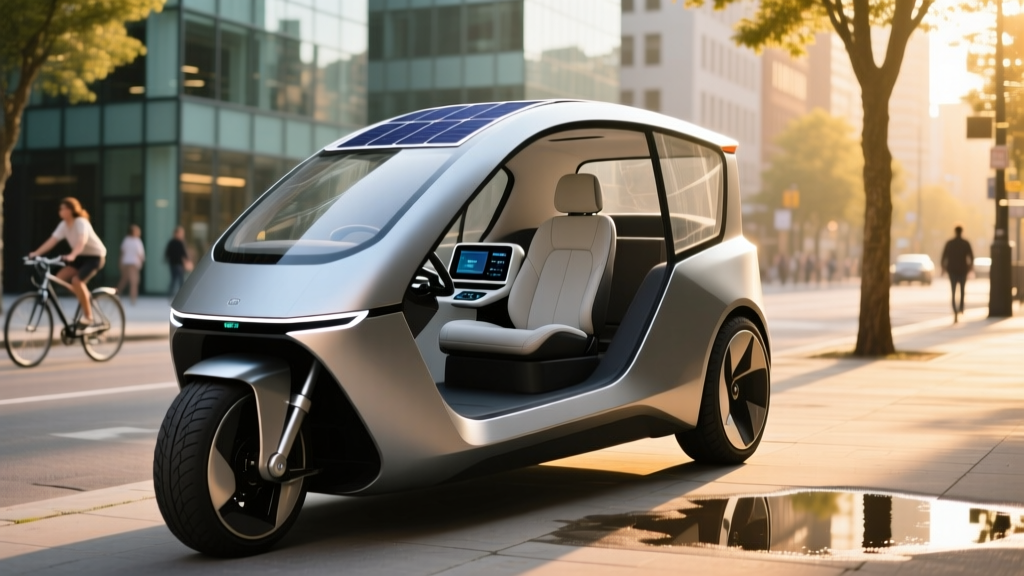
The term "electric rickshaw" covers a spectrum of three-wheeled, battery-electric vehicles designed for short-distance urban transport. These range from lightweight passenger carriers seating 3–4 riders behind a driver, to cargo variants with flatbed or enclosed box configurations. Major manufacturing hubs include India, China, and Bangladesh, with brands like Mahindra Electric, Piaggio Ape E-City, Kinetic Green, and numerous Chinese OEMs (often rebadged locally) dominating the market.
If you're researching an electric rickshaw from outside South/Southeast Asia, you're likely evaluating one for one of these use cases:
- Last-mile commercial transport in dense urban areas (resort towns, campus shuttles, tourist districts)
- Cargo delivery in congested cities where larger EV vans can't navigate
- Personal/utility use on private property, large farms, or gated communities
- Academic or municipal fleet pilots exploring micro-mobility
For US-based buyers specifically, e-rickshaws are generally not street-legal for public roads without modification. The NHTSA classifies most three-wheeled vehicles under motorcycle or low-speed vehicle (LSV) regulations, which require specific safety equipment — seat belts, DOT-approved lighting, mirrors, and windshield standards — that most imported e-rickshaws lack. Always verify your state's LSV or neighborhood electric vehicle (NEV) laws before purchasing for on-road use.
Electric Rickshaw vs. Gas Auto-Rickshaw: The Numbers
The core buying decision comes down to operating economics. Here's how a typical 2026 electric rickshaw stacks up against a conventional gasoline or CNG auto-rickshaw used in commercial service:
| Metric | Electric Rickshaw (Li-ion) | Gas/CNG Auto-Rickshaw |
|---|---|---|
| Purchase Price (USD) | $1,800 – $3,500 | $2,000 – $3,200 |
| Battery/Fuel System | 3–6 kWh Li-ion or 6–8 kWh lead-acid | Gasoline tank / CNG cylinder |
| Range per Charge/Tank | 50–100 km (31–62 mi) | 150–250 km (93–155 mi) |
| Fuel/Energy Cost per 100 km | $0.50 – $1.50 | $3.00 – $6.00 |
| Daily Operating Fuel Cost (80 km) | $0.40 – $1.20 | $2.40 – $4.80 |
| Annual Fuel/Energy Savings | Electric saves ~$700 – $1,300/year | |
| Maintenance Cost (Annual) | $50 – $150 | $200 – $500 |
| Powertrain Service Intervals | Brake pads, tires, electrical checks | Oil changes, spark plugs, filters, clutch |
| Battery Replacement Cost | $400 – $900 (every 2–4 years, Li-ion) | N/A |
| Motor Output | 1–4 kW (1.3–5.4 HP) | 5–8 kW (6.7–10.7 HP) |
| Top Speed | 25–45 km/h (15–28 mph) | 50–70 km/h (31–43 mph) |
| Noise/Vibration | Near-silent, minimal vibration | Noticeable engine noise and vibration |
| Tailpipe Emissions | Zero at point of use | CO₂, NOx, particulates |
Key takeaway: The electric rickshaw wins decisively on operating cost — typically saving operators $2–$4 per day in fuel alone, which compounds to $700–$1,300 annually. However, the gas rickshaw offers roughly 2–3× the range and higher top speed, making it more practical for longer routes or inter-district travel. The battery replacement cycle (every 2–4 years depending on chemistry and usage) is the single largest recurring cost that gas operators don't face.
Battery Chemistry, Range, and Charging: What You Actually Get
Understanding the battery is critical to setting realistic expectations. Most e-rickshaws in 2026 ship with one of two battery types:
| Factor | Lead-Acid Battery Pack | Lithium-Ion (Li-ion / LFP) Pack |
|---|---|---|
| Typical Capacity | 6–8 kWh (usable ~4–5 kWh) | 3–6 kWh (usable ~2.8–5.5 kWh) |
| Weight | 60–100 kg (132–220 lbs) | 15–30 kg (33–66 lbs) |
| Cycle Life | 300–500 cycles | 1,500–3,000 cycles (LFP) |
| Calendar Life | 1–2 years in daily use | 3–5 years in daily use |
| Replacement Cost | $200 – $400 | $400 – $900 |
| Charge Time (0–100%) | 8–10 hours (standard outlet) | 4–6 hours (standard); 1.5–2 hrs (fast charger) |
| Depth of Discharge | ~50–60% usable | ~80–90% usable |
| Thermal Stability | Stable but heavy | LFP: very stable; NMC: needs BMS |
Real-world range reality: A manufacturer-claimed range of 100 km is typically achieved under ideal conditions — flat terrain, single rider, 25°C (77°F), moderate speeds of 25 km/h. In actual commercial operation with 3–4 passengers, frequent stop-start driving, hilly terrain, or hot/cold weather, expect 50–70% of the sticker range. A 100 km rated e-rickshaw will realistically deliver 50–70 km in demanding urban service.
Cold weather hits e-rickshaws hard. At temperatures below 10°C (50°F), lithium-ion cells lose 15–25% of effective capacity, and lead-acid batteries fare even worse — losing up to 30–40% capacity in near-freezing conditions. Since most e-rickshaws lack active thermal management (no liquid cooling or heating), operators in regions with cold winters should plan for significantly reduced winter range.
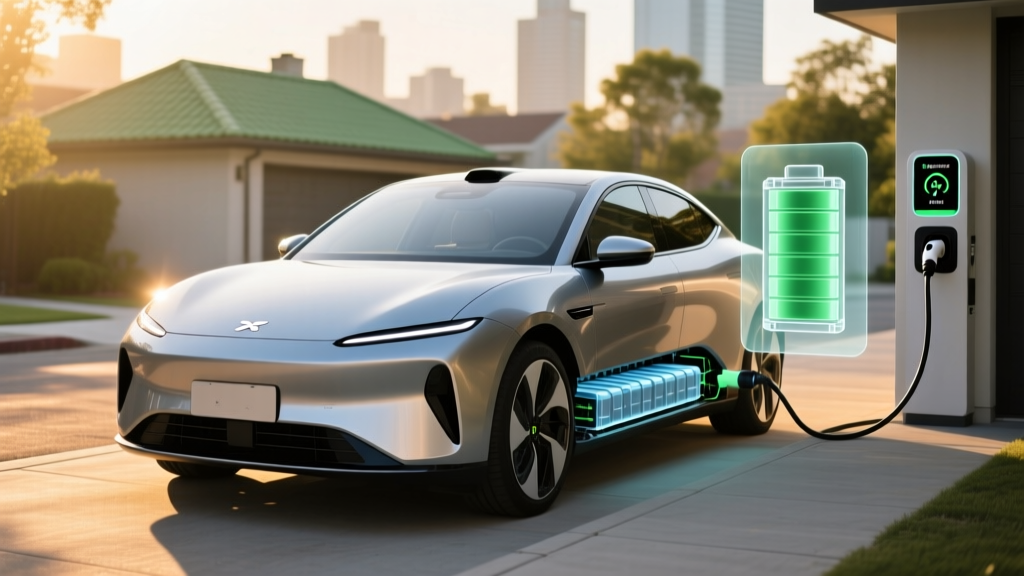
Charging infrastructure reality: The vast majority of e-rickshaws charge from a standard household outlet (110V or 220V depending on country) using an onboard charger rated at 0.5–1.5 kW. This means a full charge takes 4–10 hours. Some newer lithium-ion models support external fast chargers at 2–3 kW, cutting charge time to 1.5–2.5 hours. There is no DC fast charging ecosystem for e-rickshaws — these are not passenger EVs with CCS or NACS ports.
Total Cost of Ownership: 3-Year Breakdown
Here's a practical three-year ownership projection for a lithium-ion electric rickshaw used commercially, 80 km per day, 300 days per year, compared to an equivalent gas auto-rickshaw:
| Cost Category | Electric Rickshaw (Li-ion) | Gas Auto-Rickshaw |
|---|---|---|
| Purchase Price | $2,500 | $2,600 |
| Energy/Fuel (3 years) | $900 ($300/yr) | $3,600 ($1,200/yr) |
| Maintenance (3 years) | $300 ($100/yr) | $1,050 ($350/yr) |
| Battery Replacement (Year 3) | $650 | $0 |
| Insurance (3 years, if applicable) | $150 | $300 |
| Tires & Brakes (3 years) | $200 | $250 |
| Total 3-Year Cost | $4,700 | $7,800 |
| Cost per Operating Day | $5.22 | $8.67 |
Over three years, the electric rickshaw operator saves approximately $3,100 — even after accounting for a mid-life battery replacement. The breakeven point typically arrives within 8–14 months of commercial operation, depending on local electricity and fuel prices.
One critical caveat: these savings assume reliable access to overnight charging. If you must rely on paid public charging or battery-swapping services (common in Indian cities via operators like Sun Mobility and Bounce), per-km energy costs rise to roughly $0.02–$0.04/km — still cheaper than gas, but the savings margin narrows by 20–35%.
Common Misconceptions About Electric Rickshaws
| Myth | Fact |
|---|---|
| "E-rickshaws have zero maintenance." | While they skip oil changes and spark plugs, e-rickshaws still need brake service, tire replacement, suspension checks, electrical connector inspections, and controller/charger maintenance. Budget $80–$150/year. |
| "The battery lasts forever." | Lead-acid packs last 1–2 years in daily commercial use. Li-ion/LFP packs last 3–5 years. Budget for at least one replacement during a 3–5 year ownership period. |
| "100 km range means I'll get 100 km." | Manufacturer range is measured under ideal conditions. Real-world commercial operation with passengers and stop-start driving yields 50–70% of rated range. |
| "E-rickshaws are street-legal everywhere." | In the US, most imported e-rickshaws do not meet NHTSA standards for on-road use. They may qualify as low-speed vehicles (LSVs) in some states with modifications. Check local regulations. |
| "They're completely green." | E-rickshaws produce zero tailpipe emissions, but upstream electricity generation matters. In regions with coal-heavy grids (parts of India, China), the well-to-wheel carbon benefit is reduced — though still typically 30–50% lower CO₂ than gasoline equivalents. |
| "Any e-rickshaw can handle hills." | Most 1–2 kW motor e-rickshaws struggle on grades above 10–15% with a full passenger load. Operators in hilly cities should seek 3–4 kW motors and verify grade-climbing specs. |
First-Time Buyer Checklist: What to Know Before You Purchase
If you're buying an electric rickshaw for the first time, whether for commercial use or personal utility, work through this framework:
Step 1 — Define your daily route distance. If your typical daily distance is under 60 km (37 mi), a standard 3–4 kWh e-rickshaw will work. If you regularly exceed 80 km, you need either a larger battery pack (5–6 kWh), a battery-swapping arrangement, or a gas/CNG rickshaw.
Step 2 — Assess your charging access. Do you have a dedicated, covered parking spot with a standard electrical outlet within 5 meters? If yes, overnight charging is viable. If you park on the street or lack reliable outlet access, investigate local battery-swapping networks before purchasing.
Step 3 — Evaluate terrain and climate. Flat, warm cities are ideal e-rickshaw territory. Hilly terrain demands a higher-power motor (≥3 kW) and reduces range by 20–40%. Cold climates (sustained below 10°C/50°F) reduce range by 15–30% and accelerate lead-acid battery degradation.
Step 4 — Choose your battery chemistry. If upfront cost is the primary concern, lead-acid saves $300–$500 at purchase but costs more over 3 years due to frequent replacement. Lithium-ion (especially LFP — lithium iron phosphate) costs more upfront but delivers 3–5× the cycle life, lighter weight, and more usable capacity per kWh.
Step 5 — Verify legal status. In the US, contact your state DMV to determine if the specific e-rickshaw model qualifies as a low-speed vehicle (LSV) or off-road vehicle. In India, check that the model has valid ICAT or ARAI certification for commercial registration. In other markets, verify type-approval requirements before importing.
Step 6 — Check parts and service availability. Major brands like Mahindra, Piaggio, and Kinetic Green have established dealer networks in South Asia. Chinese imports may be cheaper but often lack local service support. Confirm spare parts availability (especially controllers, motors, and battery packs) before committing to a brand.
US and International Market Context (2026)
For US-based readers researching electric rickshaws, the market context differs sharply from South Asia:
- No federal EV tax credit applies. The IRS §30D clean vehicle credit requires a four-wheeled vehicle meeting specific MSRP, battery sourcing, and buyer income requirements. Three-wheeled e-rickshaws do not qualify. Some states or local air-quality districts may offer micro-mobility or fleet electrification grants — check your state energy office.
- Import considerations. Importing an e-rickshaw into the US involves customs duties (typically 2.5–25% depending on country of origin and component classification), DOT compliance verification, and potential EPA certification. Work with a licensed customs broker.
- Comparable US alternatives. If you need a street-legal electric utility vehicle in the US, consider Neighborhood Electric Vehicles (NEVs) like the GEM e2/e4 (Polaris) or Aygo-type LSVs, which start around $8,000–$14,000 but come with DOT compliance, seat belts, and 25 mph speed limiters. For cargo, electric cargo bikes and trikes from brands like Rad Power or Urban Arrow serve similar last-mile niches at $2,000–$6,000.
In India, the world's largest e-rickshaw market, government incentives under the FAME II scheme (now transitioning to the Electric Mobility Promotion Scheme 2024–2026) have subsidized lithium-ion battery adoption, bringing Li-ion e-rickshaw prices closer to lead-acid parity. The Indian market sees approximately 1.5–2 million new e-rickshaws registered annually as of 2025–2026, according to the VAHAN national vehicle registry.
Frequently Asked Questions
How long does it take to charge an electric rickshaw?
From a standard household outlet (0.5–1.5 kW onboard charger), a full charge takes 6–10 hours for lead-acid and 4–6 hours for lithium-ion. Some Li-ion models support external 2–3 kW chargers, reducing charge time to 1.5–2.5 hours. Plan for overnight charging as your primary strategy.
Can I use an electric rickshaw in the rain?
Most commercially sold e-rickshaws have basic weather resistance (IP54-rated electrical components), but they are not waterproof. Driving in light rain is generally safe; heavy downpours or flooded roads risk short-circuiting the controller, motor, or battery connections. Always check the IP rating of the specific model and avoid submerging the battery compartment.
What happens when the battery dies mid-route?
Unlike a gas rickshaw that can be refueled in 2 minutes at any station, a depleted e-rickshaw must be towed or pushed to a charging point. Some urban markets now have battery-swapping stations (Sun Mobility, Bounce, RACE Energy) where a swap takes 2–3 minutes — but network coverage is limited to specific cities. Always plan routes with a 15–20% range buffer.
Is lithium iron phosphate (LFP) better than lead-acid for e-rickshaws?
For commercial use, yes — in almost every measurable way. LFP batteries offer 1,500–3,000 charge cycles vs. 300–500 for lead-acid, weigh 60–70% less, provide more usable capacity (80–90% depth of discharge vs. 50–60%), and maintain performance better in hot climates. The upfront cost is $200–$500 higher, but the total cost per cycle is 40–60% lower over the battery's life.
Do electric rickshaws require a driver's license?
This varies by jurisdiction. In India, commercial e-rickshaw operators need a valid driving license and vehicle registration. In the US, requirements depend on state LSV/NEV laws — some states require a standard license, others a special permit. Always check with your local transport authority before operating.
What's the resale value of an electric rickshaw after 3 years?
Resale values are generally low — typically 15–30% of original purchase price after 3 years of commercial use, heavily dependent on battery condition. A model with a recently replaced lithium-ion battery will command a premium. Lead-acid models depreciate faster due to the expectation of immediate battery replacement by the next owner.