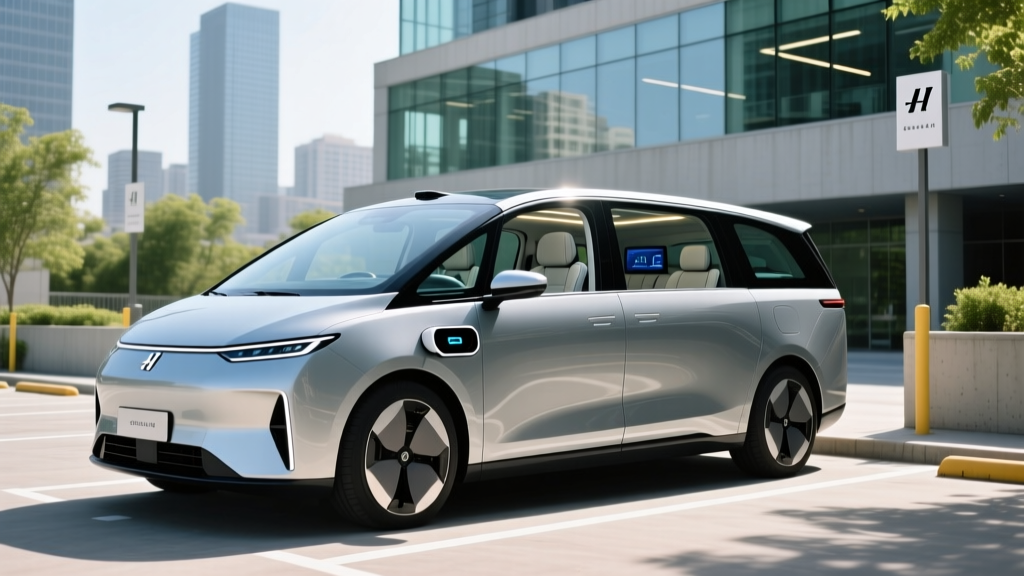
If you're searching for an electric minivan in 2026, the honest truth is that options remain extremely limited. The Chrysler Pacifica Plug-In Hybrid is still the only electrified minivan widely available in the U.S., offering 32 miles of electric-only range before its gas engine engages. Fully electric minivans like the Volvo EM90 are not officially sold in North America, and several promised EV minivans remain in concept or delayed-production stages. For most families, the decision comes down to whether a plug-in hybrid minivan meets your needs—or whether you should cross-shop three-row electric SUVs instead.
Quick Answer: Electric Minivan Availability in 2026
Fully electric minivans for sale in the U.S.: None widely available.
Plug-in hybrid minivan: Chrysler Pacifica PHEV (32 mi electric range, 30 mpg combined after battery depletes).
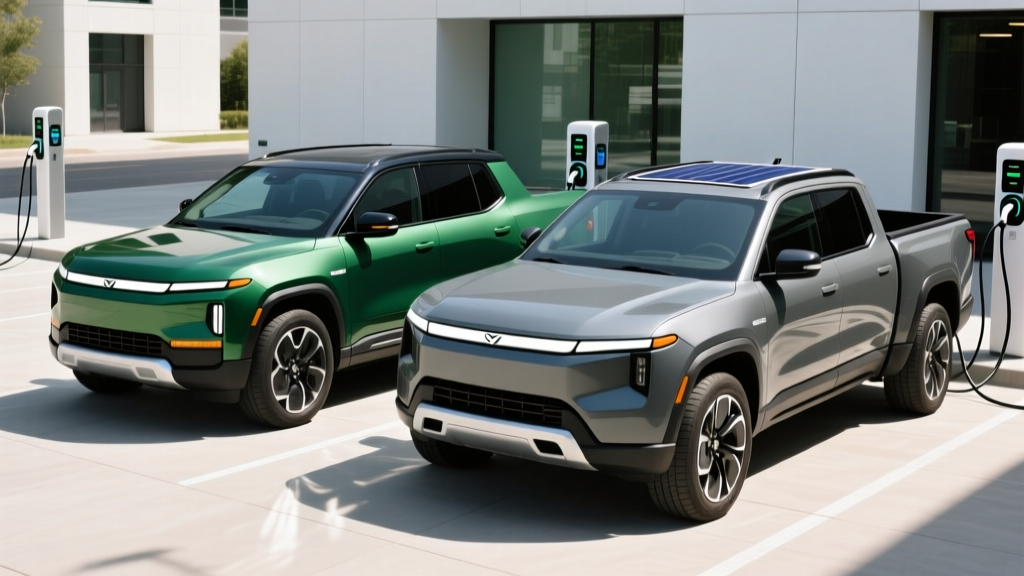
Best EV alternatives: Three-row electric SUVs like the Kia EV9 (304 mi EPA range) or Rivian R1S (up to 410 mi EPA range) offer similar passenger capacity without the minivan sliding-door convenience.
The Current State of Electric Minivans
The minivan segment has been slow to electrify compared to SUVs and sedans. Here's what's actually available to U.S. buyers in 2026:
| Model | Powertrain | Electric Range | Battery | Base MSRP |
|---|---|---|---|---|
| Chrysler Pacifica PHEV | Plug-in Hybrid | 32 miles (EV-only) | 16 kWh (NMC) | $51,095 |
| Volvo EM90 | Battery Electric | N/A (not sold in U.S.) | 111 kWh | Not available |
| Zeekr 009 | Battery Electric | N/A (not sold in U.S.) | 116 kWh | Not available |
The Chrysler Pacifica PHEV remains your only electrified minivan option stateside. It pairs a 16 kWh battery with a 3.6L V6, delivering 32 miles of pure electric driving—enough for school runs and grocery trips—before operating as a conventional hybrid at 30 mpg combined. The battery warranty covers 10 years/100,000 miles, which is reassuring for long-term ownership.
For context, fully electric minivans do exist globally. The Volvo EM90, built on the same platform as the Zeekr 009, offers seating for seven and approximately 400+ miles of range on the Chinese test cycle. However, Stellantis and Volvo have not committed to bringing these vehicles to North American dealerships, leaving U.S. families with limited choices.
EV Minivan vs. Gas Minivan: Real Cost Comparison
Let's compare the Pacifica PHEV against its gas-only sibling and a popular three-row electric SUV to see where the money actually goes.
| Cost Factor | Pacifica PHEV | Pacifica Gas (Limited) | Kia EV9 (3-Row EV SUV) |
|---|---|---|---|
| Base MSRP | $51,095 | $43,395 | $54,900 |
| Federal Tax Credit (§30D) | $0 (PHEV phase-out) | $0 | Up to $7,500* |
| Effective Starting Price | $51,095 | $43,395 | ~$47,400 |
| Annual Fuel/Energy Cost** | ~$1,200 | ~$2,400 | ~$700 |
| 5-Year Fuel/Energy | ~$6,000 | ~$12,000 | ~$3,500 |
| Estimated Maintenance (5 yr) | ~$2,500 | ~$3,500 | ~$1,500 |
| 5-Year Total Operating Cost | ~$8,500 | ~$15,500 | ~$5,000 |
*§30D credit eligibility depends on income caps ($150K single/$300K joint), MSRP limits ($80K for SUVs/vans), and battery sourcing requirements. Verify at irs.gov and with a tax professional.
**Based on 15,000 miles/year, $3.50/gallon gas, and $0.15/kWh electricity. Your rates will vary.
The numbers reveal a few things. The Pacifica PHEV saves you roughly $7,000 in operating costs over five years compared to the gas Pacifica, but its higher base price eats into that advantage. The Kia EV9, while not a minivan, offers lower total operating costs and qualifies for the federal tax credit—potentially making it cheaper to own than either Pacifica variant if you can live with an SUV form factor.
Three-Row EV SUVs: The Practical Minivan Alternative
Since no true electric minivan is available in the U.S., many families are cross-shopping three-row electric SUVs. Here's how the leading options stack up:
| Spec | Kia EV9 (GT-Line AWD) | Rivian R1S (Dual-Motor) | Tesla Model X (Long Range) |
|---|---|---|---|
| EPA Range | 270 mi | 352 mi | 335 mi |
| Real-World Highway Range* | ~230-245 mi | ~300-320 mi | ~285-300 mi |
| Battery (usable) | 100 kWh (NMC) | 141 kWh (NMC) | 100 kWh (NMC) |
| Max DC Fast Charge | 236 kW | 220 kW | 250 kW |
| 10-80% Charge Time | ~24 min | ~30 min | ~25 min |
| Seating Capacity | 6 or 7 | 7 | 6 or 7 |
| Cargo (behind 3rd row) | 20.2 cu ft | 18 cu ft | 15 cu ft |
| 0-60 mph | 5.0 sec | 5.0 sec | 3.8 sec |
| Starting MSRP | $54,900 | $75,900 | $79,990 |
| Battery Warranty | 10 yr / 100,000 mi | 8 yr / 120,000 mi | 8 yr / 150,000 mi |
*Real-world highway range estimated at 70-75 mph in moderate temperatures. Cold weather (below freezing) can reduce range 20-35%.
The Kia EV9 stands out as the most minivan-like option: it has a boxy profile, available captain's chairs, and a starting price in the $55K range. According to fueleconomy.gov, the EV9 achieves 87 MPGe combined, which translates to roughly $700 in annual electricity costs for a typical driver. The trade-off is that SUVs lack the low step-in height and sliding doors that make minivans ideal for car seats and tight parking lots.
The Rivian R1S offers significantly more range and a more rugged build but starts $21,000 higher. The Tesla Model X provides falcon-wing doors (easier child-seat loading than conventional SUV doors) but is aging and has faced quality concerns.
Real-World Ownership: What First-Time EV Buyers Should Know
If you're considering an electric minivan alternative, here are the practical realities that spec sheets don't always reveal:
Home Charging Is Almost Mandatory
Public charging infrastructure has improved, but relying on it exclusively for a family vehicle is expensive and time-consuming. A Level 2 home charger (240V, 48A) adds roughly 25-30 miles of range per hour of charging. For a 100 kWh battery like the EV9's, a full charge takes about 8-10 hours overnight.
Installation costs vary widely: expect $1,200-$3,500 if your electrical panel has capacity, or $3,000-$7,000+ if you need a panel upgrade. Get a quote from a licensed electrician before committing to a vehicle purchase.
Range Drops in Cold Weather and on Highways
EPA range estimates are measured under controlled conditions. In real-world driving:
- Highway driving (70-75 mph): Expect 10-15% less than EPA range due to aerodynamic drag
- Cold weather (below 32°F): Expect 20-35% reduction due to battery chemistry and cabin heating demands
- Combined highway + cold: Plan for 30-40% below the sticker number
A Kia EV9 rated at 270 miles EPA might deliver 180-200 miles in a Midwestern winter on the highway. That's still plenty for daily driving but requires planning for road trips.
Charging Speed Tapers Above 80%
DC fast chargers advertise peak rates (e.g., 236 kW for the EV9), but that speed only applies at low state-of-charge. As the battery fills, charging slows dramatically to protect battery health. A 10-80% charge might take 24 minutes, but 80-100% can take another 30-40 minutes. For road trips, plan to charge from 10-80% and move on rather than waiting for a full battery.
Insurance Costs Are Higher
EVs typically cost 15-25% more to insure than comparable gas vehicles due to higher repair costs and battery replacement risk. Get quotes before purchasing—the difference can be $500-$1,500 per year depending on your state, driving record, and coverage level.
Common Electric Minivan Misconceptions
| Myth | Fact |
|---|---|
| "I can buy a fully electric minivan in the U.S." | No fully electric minivans are currently sold through U.S. dealerships. The Pacifica PHEV is the only electrified option. |
| "EV batteries need replacement every few years" | Modern EV batteries are warrantied for 8-10 years/100,000-150,000 miles. Data shows most retain 90%+ capacity after 100,000 miles. Replacement is rare and typically covered if capacity drops below 70%. |
| "Electric minivans would be too expensive" | The Pacifica PHEV starts at $51K, and three-row EV SUVs like the EV9 start at $55K—comparable to loaded gas minivans ($45K-$55K). The tax credit can narrow the gap further. |
| "I'll never be able to take road trips" | With 250-350 miles of range and 20-30 minute DC fast charging, road trips require 1-2 brief stops on a 500-mile journey. Apps like PlugShare and A Better Routeplanner make planning straightforward. |
| "PHEVs are the best of both worlds" | PHEVs work well if you can charge at home and drive <30 miles daily. But they carry the weight and maintenance complexity of both an electric and gas powertrain, and many owners rarely plug them in, negating the efficiency benefit. |
Decision Framework: Should You Buy an Electric Minivan?
Choose the Chrysler Pacifica PHEV if:
- You need true minivan features (sliding doors, low floor, stow-and-go seating)
- Your daily driving is under 30 miles and you can charge at home
- You take occasional long road trips and don't want to plan charging stops
- You're comfortable with a plug-in hybrid rather than a full EV
Choose a three-row EV SUV (Kia EV9, Rivian R1S) if:
- You can live with SUV-style doors and higher step-in height
- You have home charging access and want to minimize fuel costs
- You want to qualify for the federal tax credit (EV9 qualifies; Pacifica PHEV does not)
- You drive 15,000+ miles per year and want maximum operating cost savings
Wait for a true electric minivan if:
- You absolutely need minivan ergonomics but want full EV benefits
- You're not in a rush to buy and can wait 2-3 years for potential new models
- You're willing to track announcements from brands like Chrysler, Honda, or Hyundai
Bottom Line: The Electric Minivan Market in 2026
The electric minivan you're looking for doesn't quite exist yet in the U.S. market. The Chrysler Pacifica PHEV is a capable bridge solution if you need minivan-specific features and can charge at home, but it's not a fully electric vehicle and doesn't qualify for the federal tax credit.
For families open to an SUV form factor, three-row EVs like the Kia EV9 offer compelling range, reasonable pricing, and access to the §30D credit. They sacrifice some minivan convenience but deliver the electric ownership experience—lower operating costs, home charging, and reduced maintenance.
If neither option fits, the honest advice is to wait. Automakers know there's demand for electric minivans, and the segment will eventually fill in. Until then, cross-shop carefully, get real quotes for home charging installation, and run the numbers for your specific driving patterns rather than relying on EPA estimates alone.
Frequently Asked Questions
Why aren't there more electric minivans?
Minivans have lower profit margins than SUVs, and automakers have prioritized electrifying their highest-volume, highest-margin segments first. The minivan market is also relatively small in the U.S., making it a lower priority for EV investment.
Does the Chrysler Pacifica PHEV qualify for the federal tax credit?
No. The Pacifica PHEV's credit has been phased out, and current §30D rules have strict battery sourcing requirements that many PHEVs don't meet. Verify current eligibility at irs.gov.
Can I install a home charger for an EV if I rent my home?
It's difficult. Most landlords won't approve permanent electrical upgrades. Your options are portable Level 1 chargers (120V, very slow) or relying on public charging—neither is ideal for a family vehicle.
How long do EV batteries last?
Most manufacturers warrant their batteries for 8-10 years or 100,000-150,000 miles against capacity loss below 70%. Real-world data from NHTSA and owner surveys suggests most EV batteries retain 85-95% capacity after 100,000 miles with proper care (avoiding frequent DC fast charging and extreme heat exposure).
What happens if I need to tow with an electric minivan or SUV?
Towing significantly reduces EV range—expect 30-50% loss depending on trailer weight and aerodynamics. The Kia EV9 is rated for 5,000 lbs towing, but a 3,000-lb trailer could cut its 270-mile range to 150-180 miles. Factor this into road-trip planning.