The Short Answer: Yes, the Electric Mini Cooper Is Real
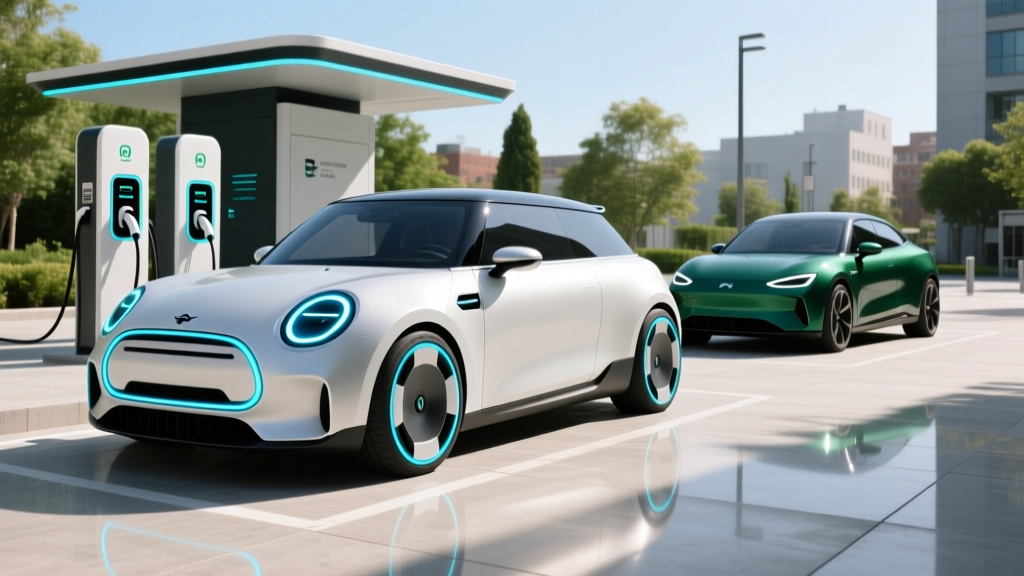
Is there an electric Mini Cooper? Yes. The 2026 Mini Cooper SE (the all-electric hardtop 2-door) is currently on sale in the U.S. with an EPA-estimated 162 miles of range, a 54.2 kWh battery (usable capacity ~50 kWh), and a starting MSRP around $30,900. A 4-door variant and a higher-output JCW version are also available. It replaces the previous-generation Cooper SE (2020–2023), which had only 110–114 miles of range from a 32.6 kWh pack — a significant upgrade.
Mini has also reintroduced a gasoline-powered Cooper for 2025–2026, so buyers now choose between the EV, a mild-hybrid gas model, and (in some markets) a plug-in hybrid Countryman. This guide breaks down whether the electric Cooper makes financial and practical sense for your daily driving.
2026 Mini Cooper SE: Key Specs at a Glance
| Spec | 2026 Mini Cooper SE (Classic / Signature) | 2026 Mini Cooper SE JCW |
|---|---|---|
| EPA Range | 162 miles | ~148 miles (est.) |
| Battery (Usable) | ~50 kWh (54.2 gross), NMC | ~50 kWh (54.2 gross), NMC |
| Motor Output | 215 hp / 254 lb-ft | 255 hp / 273 lb-ft |
| 0–60 mph | 6.5 seconds | 5.7 seconds |
| DC Fast Charge (Peak) | 95 kW | 95 kW |
| 10–80% DCFC Time | ~28 minutes | ~28 minutes |
| Level 2 AC Charge | 11 kW (~7.5 hrs 0–100%) | 11 kW |
| MPGe (Combined) | 110 MPGe | ~102 MPGe (est.) |
| Starting MSRP | $30,900 | $38,900 |
| Federal Tax Credit (§30D) | Up to $7,500 (eligibility varies) | Up to $7,500 (eligibility varies) |
| Battery/Powertrain Warranty | 8 yr / 100,000 mi | 8 yr / 100,000 mi |
Sources: EPA / fueleconomy.gov, Mini USA.
Real-World Range: What 162 EPA Miles Actually Means
EPA Sticker: 162 miles
Expect in mixed real-world driving: 135–155 miles
Highway at 75 mph: ~120–130 miles
Cold weather (below 32°F): ~105–120 miles (20–30% reduction typical for NMC packs without a heat pump)
The Cooper SE's 162-mile EPA figure is adequate for urban commuters who drive 30–50 miles round trip, but it is firmly a city/suburban car. On a 70°F day at 45 mph, you may see 165+ miles. Push it to 80 mph on the interstate, and range drops sharply — small EVs with relatively modest battery capacity suffer more at highway speeds because aerodynamic drag dominates.
The 2026 Cooper SE does not offer a heat pump in all trims (it is standard on higher trims, optional or absent on base). Without a heat pump, cabin heating draws heavily from the traction battery in winter, compounding the cold-weather degradation that affects all lithium-ion cells. If you live in the upper Midwest, New England, or mountain states, budget for 100–120 miles of usable range from December through February.
For context: the Chevrolet Equus EV starts around $33,000 and delivers 315 miles EPA. The Hyundai Kona Electric offers 261 miles from ~$33,000. The Cooper SE trades range for style, driving dynamics, and a premium badge.
Charging: Home Setup and Public DC Fast Charging
With a 50 kWh usable battery, the Cooper SE is relatively quick to fill — but its 95 kW peak DC charge rate is conservative by 2026 standards. Here is how the charging math works:
| Charging Level | Power | Miles Added Per Hour | Full 0–100% Time |
|---|---|---|---|
| Level 1 (120V household) | ~1.4 kW | ~4–5 mi/hr | ~35–40 hours |
| Level 2 (240V, 11 kW onboard) | 11 kW | ~38 mi/hr | ~5–5.5 hours |
| DC Fast Charge (95 kW peak) | 95 kW peak | ~160 mi/hr (at peak) | 10–80% in ~28 min |
Key distinction: kW (kilowatts) measures power — how fast energy flows into the battery. kWh (kilowatt-hours) measures energy capacity — the size of the battery. The Cooper SE has a 50 kWh battery and accepts up to 95 kW of charging power.
Home Charging Reality
Most Cooper SE owners will install a Level 2 home charger (240V). A quality Level 2 unit (ChargePoint Home Flex, Emporia V2, or Wallbox Pulsar Plus) costs $350–$700 for the hardware. Professional installation by a licensed electrician typically runs $500–$2,000, depending on panel proximity and whether your home has a 200-amp service panel. If a panel upgrade is required (from 100A to 200A), add $1,500–$3,500.
With Level 2, a nightly plug-in replenishes a full day's driving in under two hours. This is the ideal ownership pattern: wake up every morning with a full "tank."
Public DC Fast Charging Limitations
The Cooper SE's 95 kW peak charge rate means a 10–80% session takes about 28 minutes at a compatible DC fast charger (Electrify America, EVgo, ChargePoint). The charge curve tapers significantly above 80% — going from 80% to 100% on DC can add another 20+ minutes. For road trips, plan stops every 100–110 miles and charge to 80% for the best time efficiency.
The 2026 Cooper SE uses the CCS1 connector standard. Mini has announced a transition to the NACS (Tesla-style) connector for future models, but as of the 2026 model year, U.S. Coopers still ship with CCS. You can use a CCS-to-NACS adapter at Tesla Superchargers where supported, but verify compatibility with Mini before relying on this.
Cost of Ownership: Electric Cooper SE vs. Gas Mini Cooper
The decision between the electric and gas Cooper involves more than sticker price. Here is a 5-year total cost of ownership comparison assuming 12,000 miles/year, $0.14/kWh home electricity, $3.40/gallon premium gas, and average insurance rates.
| Cost Category (5 Years / 60K Miles) | 2026 Mini Cooper SE (EV) | 2026 Mini Cooper (Gas, Mild Hybrid) |
|---|---|---|
| Purchase Price (base MSRP) | $30,900 | $29,900 |
| Estimated Federal Tax Credit | −$3,750 to −$7,500* | $0 |
| Fuel / Electricity (60,000 mi) | $2,800 (home charging) | $7,140 (30 MPG, premium) |
| Maintenance (5 yr) | $900 | $2,800 |
| Insurance (5 yr, avg) | $9,500 | $8,200 |
| Estimated Depreciation | $14,000 | $12,500 |
| Net 5-Year Cost | ~$23,350 – $27,100 | ~$40,540 |
*Federal §30D tax credit eligibility depends on your adjusted gross income, the vehicle's MSRP (must be ≤$55,000 for sedans), battery component sourcing, and critical mineral requirements. The Cooper SE qualifies for a partial or full credit depending on the tax year and sourcing updates. Check IRS.gov §30D rules or consult a tax professional before purchasing. The credit can be transferred to the dealer at point of sale as a price reduction.
Where the EV Wins
- Fuel savings: ~$4,300 over 5 years with home charging. Public DC fast charging at $0.40–$0.50/kWh narrows this gap.
- Maintenance: No oil changes, no spark plugs, no transmission fluid. Regenerative braking extends pad life to 80,000+ miles.
- Tax credit: Even a partial $3,750 credit makes the SE cheaper upfront than the gas Cooper.
Where the Gas Cooper Still Has an Edge
- Insurance: EV insurance premiums run 10–20% higher on average due to battery replacement costs and specialized repair.
- Road-trip flexibility: 300+ mile gas range and 3-minute refuels vs. 110-mile EV range and 28-minute charging stops.
- Depreciation uncertainty: Used EV prices have been volatile. The gas Cooper's resale value is more predictable.
Common Misconceptions About the Electric Mini Cooper
| Myth | Fact |
|---|---|
| "The electric Mini only goes 100 miles." | That was the previous generation (2020–2023). The 2026 model achieves 162 EPA miles — a 45% improvement from the larger 54.2 kWh pack. |
| "EVs are worse in winter." | Range drops 20–30% in freezing temps, but EVs start instantly (no cold cranking), and preconditioning while plugged in keeps the cabin warm without draining the battery. |
| "I need a special charger at home." | A standard 120V outlet (Level 1) adds ~5 miles/hour — enough for light drivers. A 240V Level 2 setup (like a dryer outlet) is recommended for daily use but is a one-time install, not proprietary. |
| "The battery will need replacing in 5 years." | Mini warranties the battery for 8 years/100,000 miles against degradation below 70% capacity. Real-world data from similar NMC packs shows ~90% capacity retention at 100K miles. |
| "It qualifies for the full $7,500 tax credit for everyone." | §30D has income caps ($150K single / $300K joint), MSRP caps, and battery-sourcing rules that change annually. Your eligibility depends on your specific tax situation. |
Who Should Buy the Electric Mini Cooper (and Who Shouldn't)
Buy the Cooper SE If:
- Your daily round trip is under 80 miles and you have access to Level 2 home or workplace charging.
- You want a premium, fun-to-drive city car with low running costs.
- You qualify for the federal tax credit (reducing effective price to ~$23,400–$27,150).
- You rarely take road trips over 150 miles one-way, or you have a second vehicle for longer drives.
- You value the Mini brand, design, and go-kart handling feel.
Look Elsewhere If:
- Your commute exceeds 100 miles round trip, especially in cold climates.
- You live in an apartment or lack access to any home/work charging.
- You regularly drive 200+ miles in a single day — the 95 kW charge rate and 162-mile range make road-tripping tedious.
- You need more than two doors or significant cargo space (17.6 cu ft trunk).
- You want maximum range per dollar — the Kona Electric (261 mi, ~$33K) or Chevy Equinox EV (315 mi, ~$33K) offer far more range.
First-Time EV Buyer Checklist for the Cooper SE
- Verify your home electrical panel. A 200-amp panel with spare capacity is ideal for Level 2. Get a quote from a licensed electrician before purchasing the car.
- Check your tax credit eligibility. Use the IRS clean vehicle credit tool at fueleconomy.gov to confirm whether the specific VIN you are buying qualifies, and whether your income is within §30D caps.
- Test your real commute. Do a full round trip in a loaner or test-drive Cooper SE and note the energy consumed. Multiply by 1.3 for a winter buffer.
- Download charging apps before delivery. PlugShare, Electrify America, and ChargePoint will show you nearby DC fast chargers for the occasional longer drive.
- Set charging habits. For NMC batteries, daily charging to 80% and occasional 100% before long trips optimizes longevity. Avoid leaving the car at 100% for extended periods.
- Get an insurance quote before signing. EV premiums can surprise first-time buyers. Shop at least three carriers.
Frequently Asked Questions
Does Mini make a plug-in hybrid Cooper?
Mini offers the Countryman SE ALL4 as a plug-in hybrid (PHEV) with ~30 miles of electric-only range, but the 2-door Cooper hardtop is available only as a pure EV (Cooper SE) or mild-hybrid gas model. There is no PHEV version of the classic 2-door Cooper for 2026.
How does the Cooper SE compare to the Fiat 500e?
The 2026 Fiat 500e offers 149 miles EPA from a 42 kWh battery at ~$34,095 MSRP. The Cooper SE provides 13 more miles of range, 65 more horsepower, and a lower starting price. The 500e wins on interior tech usability and slightly faster DC charging (85 kW with a smaller pack = faster 10–80%). Both are city-focused EVs; the Cooper SE is the better driver's car.
Can I road-trip in the electric Mini Cooper?
You can, but plan carefully. With 162 EPA miles (~120 highway), you will stop every 90–110 miles. At 95 kW peak DC charging, each 10–80% stop takes ~28 minutes. A 400-mile trip that takes 6 hours in a gas car will take roughly 8.5–9 hours in the Cooper SE. It is doable for occasional trips but not ideal as a primary road-trip vehicle.
Is the Cooper SE battery made in China? Does that affect the tax credit?
Battery component sourcing varies by production batch and model year. Under §30D, if battery components are manufactured by a "foreign entity of concern" (FEOC), the vehicle may lose partial or full credit eligibility. Mini has been working to diversify supply chains, but specific VIN-level eligibility changes throughout the year. Always check the fueleconomy.gov tax credit tool for the exact VIN before purchasing.
What happens if the battery degrades?
Mini's battery warranty guarantees at least 70% capacity retention for 8 years or 100,000 miles. If the battery falls below this threshold, Mini will repair or replace it at no cost. Out-of-warranty replacement for a ~50 kWh NMC pack would cost roughly $8,000–$12,000 at current pricing, but most owners will sell or trade the vehicle before reaching that point.