Quick Answer: Is the Electric Mini Cooper Convertible Worth It?
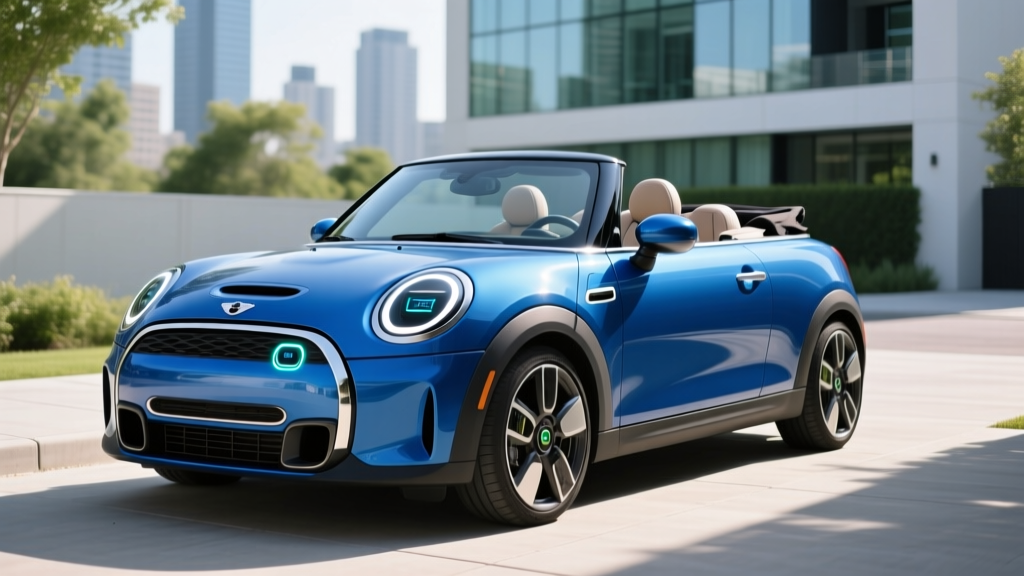
The electric Mini Cooper Convertible (officially the Mini Cooper SE Convertible) delivers an EPA-estimated 143 miles of range from a 32.6 kWh (usable) battery, starts around $39,900, and charges at up to 95 kW DC fast charging (10–80% in roughly 36 minutes). It's best suited as a city-focused fun car for drivers with home charging access and daily commutes under 100 miles. Compared to the gas-powered Mini Convertible, you'll save roughly $1,200–$1,500/year in fuel but sacrifice about 200 miles of range per fill-up and pay a modest upfront premium.
Range and Battery: What the Numbers Actually Mean
The Mini Cooper SE Convertible uses a 32.6 kWh usable lithium-ion NMC battery pack mounted beneath the floor and rear seats. The EPA rates it at 143 miles of combined range, with an efficiency rating of approximately 110 MPGe (roughly 30 kWh/100 miles). Source: fueleconomy.gov.
Real-World Range Expectations
EPA Sticker: 143 miles
City/suburban mixed driving (mild weather): 135–150 miles
Highway driving at 70+ mph: 110–125 miles
Cold weather (below 32°F / 0°C): 95–115 miles (15–25% loss typical for NMC packs without a dedicated heat pump in this segment)
Convertible top down at highway speed: Expect a 3–5% aerodynamic drag penalty, reducing range by roughly 5–8 miles on a full charge.
For most daily driving — commuting, errands, weekend cruises within the metro area — 143 miles is adequate. The average American drives roughly 37 miles per day, according to FHWA data. But this is not a road-trip vehicle. If your lifestyle involves frequent 200+ mile drives, a larger-battery EV or a PHEV would serve you better.
| Spec | Value |
|---|---|
| EPA Range | 143 miles |
| Battery (usable) | 32.6 kWh, NMC chemistry |
| Efficiency | ~110 MPGe / 30 kWh/100mi |
| Motor Output | 181 hp / 199 lb-ft torque |
| 0–60 mph | 7.3 seconds |
| DC Fast Charge (peak) | 95 kW (CCS) |
| 10–80% DC Charge | ~36 minutes |
| Level 2 AC Charge | 11 kW onboard charger |
| Level 2 Full Charge (0–100%) | ~3.5 hours |
| Base MSRP | ~$39,900 |
| Battery/Powertrain Warranty | 8 years / 100,000 miles |
Charging Speeds and Home Setup Costs
Understanding the difference between kW (power — how fast energy flows) and kWh (energy — how much the battery holds) is critical. The Mini's 32.6 kWh battery is relatively small, which means even moderate charging speeds fill it quickly.
| Level | Power | Miles Added/Hour | Full Charge Time |
|---|---|---|---|
| Level 1 (120V outlet) | ~1.4 kW | ~4–5 mi/hr | ~24 hours (0–100%) |
| Level 2 (240V home) | 11 kW | ~35 mi/hr | ~3.5 hours (0–100%) |
| DC Fast Charge | Up to 95 kW | ~150+ mi/hr (peak) | 10–80% in ~36 min |
DC charging curve reality: The 95 kW peak only holds roughly from 10% to 45% State of Charge (SoC). Above 50%, the rate tapers progressively — dropping to roughly 50 kW by 70% and below 25 kW past 85%. This is normal for NMC chemistry but means the last 20% takes nearly as long as the first 50%.
Home Charging Installation Costs
A Level 2 home charger is practically essential for this car. Level 1 charging at ~4 miles per hour means an overnight session only recovers about 40–50 miles — fine for light-use days but tight if you drive more.
| Item | Cost Range |
|---|---|
| Level 2 EVSE hardware (e.g., ChargePoint Home Flex, Wallbox Pulsar) | $400–$700 |
| Electrician labor (240V / 40–50A circuit) | $600–$1,500 |
| Permit and inspection | $50–$200 |
| Electrical panel upgrade (if needed, 100A → 200A) | $1,500–$3,000 |
| Total (no panel upgrade) | $1,050–$2,400 |
| Total (with panel upgrade) | $2,550–$5,400 |
If you live in an apartment or condo without garage access, your practical options narrow considerably. Public Level 2 chargers (via networks like ChargePoint or EVgo) typically cost $0.25–$0.49/kWh, which raises your per-mile cost. Always verify your charging situation before purchasing.
Electric Mini Cooper Convertible vs. Gas Mini: Cost Comparison
The gas-powered Mini Convertible (Cooper S, 2.0L turbo) starts around $35,000 and gets an EPA-rated 28 MPG combined. Let's compare five-year costs head to head.
| Category | Mini Cooper SE (Electric) | Mini Cooper S Convertible (Gas) |
|---|---|---|
| Purchase Price (base MSRP) | $39,900 | $35,000 |
| Fed. Tax Credit (§30D)* | $0–$3,750** | $0 |
| Effective Purchase Price | $36,150–$39,900 | $35,000 |
| Fuel/Energy (5 yrs, 12k mi/yr) | $2,700–$4,500 | $8,400–$10,500 |
| Maintenance (5 yrs) | $1,200–$1,800 | $3,000–$4,200 |
| Insurance (5 yrs, avg) | $7,500–$9,000 | $6,500–$8,000 |
| Total 5-Year Cost | $47,550–$55,200 | $52,900–$57,700 |
* Federal EV tax credit under IRS §30D is subject to MSRP caps, buyer income limits, and battery critical-mineral sourcing requirements. Rules change frequently — verify current eligibility at irs.gov.
** The Mini Cooper SE Convertible may qualify for $3,750 (partial credit for meeting critical-mineral requirements but not full battery-component sourcing). Confirm with your tax professional before relying on this figure.
Key takeaway: Over five years, the electric Mini can save you $4,000–$6,000 in fuel and maintenance combined, which largely offsets its higher purchase price — particularly if you charge at home on residential electricity rates ($0.12–$0.18/kWh nationally). If you rely on paid public DC fast charging ($0.35–$0.55/kWh), the fuel-cost advantage shrinks significantly.
Real-World Ownership: What First-Time EV Buyers Must Know
Common Misconceptions — Corrected with Data
| Myth | Fact |
|---|---|
| "EV batteries need replacing every few years." | Mini warranties the battery for 8 years/100,000 miles at 70% capacity retention. Real-world data from similar BMW/Mini NMC packs shows roughly 10–15% degradation over 8 years under normal use. |
| "143 miles of range isn't enough for anyone." | The average US daily commute is ~37 miles. 143 miles covers 3–4 days of average driving. For longer trips, plan DC fast stops. |
| "EVs are more expensive to insure." | Sometimes true. EV insurance premiums run 10–20% higher on average due to repair costs and battery replacement risk. Get quotes before buying. |
| "I can just use a regular wall outlet." | Level 1 (120V) adds ~4 miles/hour. For the Mini's 143-mile battery, a full charge takes ~24 hours. A Level 2 home charger is strongly recommended. |
| "Cold weather destroys all EVs equally." | Range loss varies. NMC packs without robust heat pumps lose 15–30% below freezing. Preconditioning the battery while plugged in mitigates this significantly. |
Who Should (and Shouldn't) Buy This Car
The electric Mini Cooper Convertible occupies a narrow but real niche. It's a fun, stylish, top-down electric runabout — one of very few EV convertibles on the market. But its range and charging limitations mean it works best under specific conditions.
Decision Framework
Choose the electric Mini Cooper Convertible if:
- You have reliable home Level 2 charging (garage or dedicated driveway outlet)
- Your daily driving is under 80 miles round-trip
- You want an open-top EV and don't need long road-trip capability
- You value low running costs and instant torque for city/suburban driving
- This would be a second vehicle in a multi-car household
Look elsewhere if:
- You lack home charging and would depend entirely on public infrastructure
- You regularly drive 150+ miles in a single day
- You live in a very cold climate and need consistent year-round range above 120 miles
- You need back-seat space or cargo capacity for family duties
- Budget is tight — consider a used Chevy Bolt EUV or a gas Mini Convertible instead
Federal Tax Credit and Incentive Reality Check
The federal EV tax credit under IRS §30D is complex and changes regularly. For 2026, key rules include:
- MSRP cap: Convertibles and cars must be under $55,000 MSRP (the Mini qualifies)
- Buyer income cap: AGI must not exceed $150,000 (single) / $300,000 (joint)
- Battery sourcing: Up to $3,750 for meeting critical-mineral requirements; up to $3,750 for meeting battery-component requirements (total max $7,500)
- Point-of-sale transfer: Eligible buyers can apply the credit as a dealer discount at purchase rather than waiting for tax filing
- FEOC exclusion: Vehicles with battery components from a "foreign entity of concern" (certain Chinese suppliers) may be disqualified
The Mini Cooper SE Convertible's battery sourcing may qualify for the partial $3,750 credit but not the full $7,500, depending on current supply-chain compliance. Always confirm eligibility with a tax professional and check the latest fueleconomy.gov credit listings before purchasing.
Additionally, many states and utilities offer separate rebates — California's CVRP, Colorado's state credit, and various utility off-peak charging incentives. Check your state's energy office for current programs.
Frequently Asked Questions
How long does the Mini Cooper SE Convertible battery last?
Mini provides an 8-year / 100,000-mile battery warranty guaranteeing at least 70% capacity retention. Based on data from similar BMW Group NMC packs, expect roughly 85–90% State of Health after 8 years of typical use. A full out-of-warranty battery replacement would cost approximately $8,000–$12,000 based on current pricing for packs in this size class.
Can I road-trip in the electric Mini Convertible?
It's possible but requires planning. With 143 miles of range and a 36-minute 10–80% DC fast charge, you'd need to stop every 100–120 highway miles. On a 500-mile trip, expect 3–4 charging stops adding roughly 2–2.5 hours total. It works for occasional road trips, but a larger-battery EV (300+ mile range) is far more practical for frequent long-distance driving.
Does the convertible top affect range?
Yes, modestly. Driving with the top down increases aerodynamic drag, reducing efficiency by approximately 3–5% at highway speeds. On a full charge, that translates to roughly 5–8 fewer miles. At city speeds, the effect is negligible.
Is the electric Mini Cooper Convertible eligible for the $7,500 tax credit?
Likely only the partial $3,750 credit, depending on current battery-sourcing compliance. The full $7,500 requires meeting both critical-mineral and battery-component requirements under §30D. Verify at irs.gov and with your tax advisor before purchase, as sourcing rules update frequently.
How does maintenance compare to the gas Mini Convertible?
Significantly cheaper. The electric Mini has no engine oil, spark plugs, timing belt, or exhaust system. You'll still need tire rotations, brake fluid checks, cabin air filter replacements, and windshield washer fluid. Mini estimates maintenance costs at roughly 40–50% less than the gas equivalent over five years. Regenerative braking also extends brake pad life considerably — many EV owners go 80,000+ miles on original pads.
What happens if I can't install a home charger?
Without home charging, the electric Mini becomes considerably less convenient and more expensive to operate. Public Level 2 charging costs $0.25–$0.49/kWh, and DC fast charging runs $0.35–$0.55/kWh — compared to $0.12–$0.18/kWh at home. You'd also need to budget 30–45 minutes for public charging sessions several times per week. If home charging isn't feasible, strongly consider a PHEV or a gas vehicle instead.