Quick Answer: An electric mini boat for adults in 2026 typically delivers 15–40 miles of range on a 2–5 kWh lithium battery, with top speeds of 5–15 mph depending on motor output (1–5 kW). Expect to pay $2,500–$8,000 for a quality adult-rated electric mini boat, with per-charge electricity costs of $0.25–$0.75 at the US average rate of $0.17/kWh. For calm-water recreation, fishing, and short lake runs, electric mini boats eliminate fuel handling, reduce maintenance, and run near-silently. They are not suited for long-distance cruising, rough water, or towing sports where gas outboards still dominate.
What Exactly Is an Electric Mini Boat for Adults?
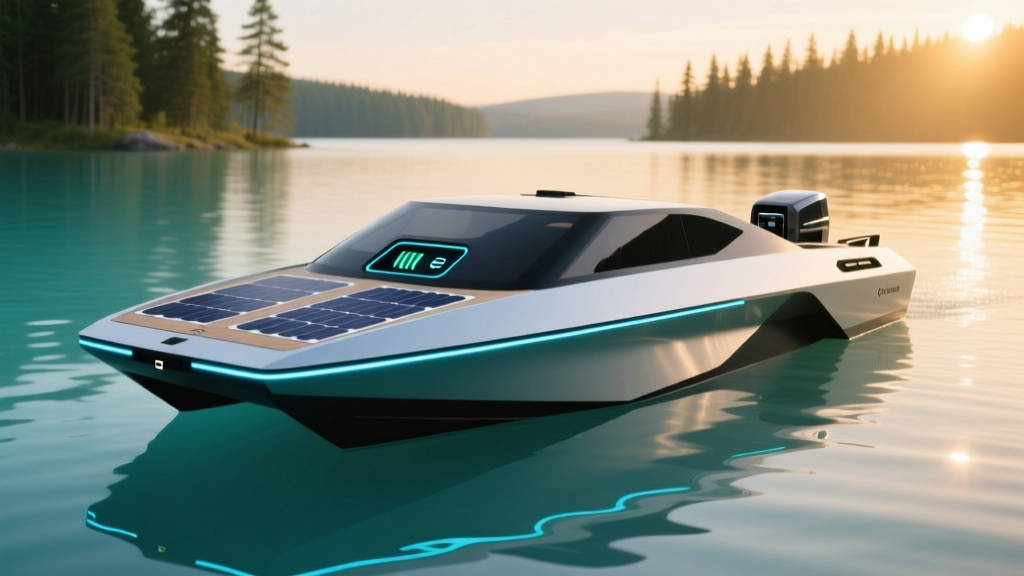
The term "electric mini boat for adults" covers a growing category of compact, battery-powered watercraft designed for one to three adult passengers. These aren't children's pool toys — they're legitimate recreational vessels with integrated electric motors, lithium battery packs (typically LFP or NMC chemistry), and basic navigation controls. Most fall into three subcategories:
- Electric pontoon mini boats: Flat-deck, stable platforms with 1–3 kW motors, 2–5 kWh batteries, and 20–40 mile range. Ideal for fishing and leisurely lake cruising.
- Electric dinghies and tenders: Small RIB-style or rigid-hull boats (8–12 feet) with integrated electric outboards, used as shore-to-boat transport or harbor runabouts.
- Electric micro-cruisers: Enclosed or semi-enclosed cockpit designs from brands like X Shore (though their larger models exceed "mini" classification), offering 15–25 mile range at higher speeds.
Unlike full-size electric boats such as the X Shore Eelex 8000 (which carries a 125 kWh battery and a $300,000+ price tag), the mini boat segment targets buyers who want a simple, trailerable, low-maintenance craft for protected waters.
Range, Battery, and Charging: The Numbers That Matter
Range is the single most important spec for any electric vehicle — on water or on road. But unlike EVs, where EPA range figures are standardized, electric boat range varies enormously based on hull design, passenger load, water conditions, and speed. Here's what 2026 models actually deliver:
| Spec Category | Budget Tier ($2,500–$4,000) | Mid-Range ($4,000–$6,500) | Premium ($6,500–$8,000+) |
|---|---|---|---|
| Battery Capacity (kWh) | 1.5–2.5 kWh | 3–5 kWh | 5–8 kWh |
| Battery Chemistry | NMC (lighter, shorter cycle life) | NMC or LFP | LFP (heavier, 3,000+ cycles) |
| Motor Output (kW) | 1–2 kW | 2–4 kW | 4–5 kW |
| Range at Cruising Speed | 10–18 miles | 20–35 miles | 30–45 miles |
| Top Speed | 5–7 mph | 8–12 mph | 12–18 mph |
| Charge Time (120V Level 1) | 4–6 hours | 6–10 hours | 10–16 hours |
| Charge Time (240V Level 2) | 2–3 hours | 3–5 hours | 4–6 hours |
| Passenger Capacity | 1–2 adults | 2–3 adults | 2–4 adults |
| Weight (boat + battery) | 80–150 lbs | 150–300 lbs | 300–600 lbs |
Critical distinction — kW vs. kWh: Motor power is measured in kilowatts (kW) — that's the rate of energy delivery, like horsepower. Battery capacity is measured in kilowatt-hours (kWh) — that's the total energy stored, like gallons in a fuel tank. A 3 kW motor drawing from a 4 kWh battery at full throttle would theoretically drain the battery in about 80 minutes. In practice, cruising at half-throttle extends that significantly.
Real-world range reality: Manufacturer range claims assume calm water, single-passenger load, and moderate speed. Add a second adult, encounter choppy conditions, or push to top speed, and expect range to drop 30–50%. Cold water (below 50°F / 10°C) reduces lithium battery efficiency by roughly 10–20%, similar to cold-weather range loss in electric cars. Plan your trips around 60–70% of the stated range to maintain a safety margin — you don't want to be dead-battery-drifting on open water.
Electric Mini Boat vs. Gas Outboard: Cost and Performance Compared
The most common question from prospective buyers: how does an electric mini boat compare to a similarly sized gas-powered boat with a small outboard? Here's a data-driven comparison based on typical 10-foot recreational craft:
| Factor | Electric Mini Boat (3 kW / 4 kWh) | Gas Outboard (5 HP / 10-ft Boat) |
|---|---|---|
| Upfront Purchase Price | $4,000–$6,500 | $2,500–$4,000 |
| "Fuel" Cost Per Hour (cruising) | $0.15–$0.35 | $2.50–$4.00 |
| Annual Fuel/Energy Cost (100 hrs/yr) | $15–$35 | $250–$400 |
| Annual Maintenance | $0–$50 (prop inspection, connections) | $150–$350 (oil, filter, impeller, winterization) |
| Noise Level | 50–65 dB (conversation-level) | 80–95 dB (shouting to talk) |
| Emissions at Point of Use | None | CO₂, hydrocarbons, unburned fuel in water |
| Range (typical use) | 20–35 miles | 50–100+ miles |
| Refuel/Recharge Time | 3–8 hours (Level 1/2) | 2 minutes (gas can) |
| 5-Year Total Cost of Ownership | $4,300–$7,000 | $4,500–$7,500 |
The math is straightforward: electric mini boats cost more upfront but dramatically less to operate. Over five years of typical recreational use (100 hours annually), the total cost of ownership converges — and electric often wins if electricity rates are low and gas prices remain elevated. Where gas still dominates is range and refueling speed. If you need to cover 50+ miles in a day or can't wait hours between outings, a gas outboard remains the practical choice.
Real-World Ownership: What First-Time Buyers Need to Know
Owning an electric mini boat involves considerations that don't appear on any spec sheet. Based on real owner experiences and the current state of marine charging infrastructure in 2026, here's what to plan for:
Charging Access Is Your Make-or-Break Factor
Most electric mini boats charge via a standard 120V household outlet (Level 1 marine charging). This is convenient if you store the boat at home or in a garage with an outlet nearby. But if your boat lives on a dock, in a marina slip, or at a shared storage facility, you need to confirm electrical access before purchasing. Many marinas offer shore power (120V/30A or 240V/50A), but not all slips include dedicated outlets, and some marina electrical systems are old and unreliable.
If you need a 240V Level 2 marine charger (to cut charge times in half), expect to pay $500–$1,200 for the charger unit and $800–$2,500 for professional electrical installation, depending on whether your panel needs upgrading. Always hire a licensed electrician familiar with marine-grade GFCI protection and outdoor-rated conduit.
Climate and Seasonal Considerations
Lithium batteries degrade faster when stored at extreme temperatures — hot or cold. If you boat in the Southeast and store the boat outdoors in 95°F+ heat all summer, expect accelerated capacity loss over 3–5 years. In northern climates, you must remove the battery (if removable) and store it indoors during winter, as charging a lithium battery below freezing (32°F / 0°C) can cause permanent damage to the cells.
Trailer, Registration, and Insurance
Most states require boat registration for any motorized vessel, including electric mini boats. Registration fees typically range from $20–$150 annually depending on your state and boat length. Insurance for a $5,000 electric mini boat runs approximately $200–$500 per year for basic liability and hull coverage, though rates vary significantly by location and waterway. Factor in a trailer ($800–$2,000) if you plan to transport the boat between lakes.
Common Misconceptions About Electric Mini Boats
| Myth | Fact |
|---|---|
| "Electric boats have no power — they're just for puttering around." | Premium electric mini boats with 4–5 kW motors (equivalent to ~5–7 HP) can push a 10-foot hull to 15–18 mph with one adult aboard. That's adequate for most recreational uses short of water skiing. |
| "The battery will die in 2–3 years and cost a fortune to replace." | Modern LFP batteries are rated for 2,000–3,000+ charge cycles before dropping to 80% capacity. At 50 outings per year, that's 40–60 years of cycle life. Calendar aging is the real factor — expect 8–15 years of useful life with proper storage. Replacement batteries cost $500–$2,000 depending on capacity. |
| "You can't use electric boats in saltwater." | Many electric mini boats are rated for saltwater use with proper corrosion-resistant components (stainless steel hardware, sealed motors, marine-grade wiring). Rinse thoroughly after every saltwater outing. Check the manufacturer's saltwater rating before purchasing. |
| "Electric boats are completely maintenance-free." | While there's no engine oil, fuel filter, or impeller to service, you still need to inspect the propeller for damage, check electrical connections for corrosion, maintain the hull, and follow proper battery storage protocols. Budget $50–$100/year for basic upkeep. |
| "I'll get the federal EV tax credit for an electric boat." | The IRS §30D Clean Vehicle Credit applies to qualified on-road motor vehicles — cars, trucks, SUVs, and certain Neighborhood Electric Vehicles. Boats, watercraft, and off-road vehicles do not qualify for the federal EV tax credit. Some states offer separate marine electrification incentives; check your state's energy office. |
Decision Framework: Is an Electric Mini Boat Right for You?
Choose an electric mini boat if:
- Your typical outing is under 25 miles round-trip on calm, protected water (lakes, slow rivers, harbors, canals)
- You have reliable access to a 120V or 240V outlet where the boat is stored
- You value quiet operation — for fishing, wildlife observation, or conversation
- You want to eliminate gasoline handling, storage, and spill risk
- You boat 50–150 hours per year and want to minimize per-hour operating costs
- You're willing to accept a higher upfront price in exchange for lower ongoing costs
Stick with a gas outboard (or consider a hybrid marine setup) if:
- You regularly need 50+ miles of range in a single outing
- You boat on open water, large reservoirs, or coastal areas where conditions can change quickly
- You need fast refueling to make multiple trips per day
- You plan to tow tubes, skiers, or wakeboarders (requires 40+ HP)
- You have no reliable charging access at your dock or storage location
- Your budget is under $2,500 and you need a complete boat + motor package
Consider a portable electric outboard (retrofit) if:
- You already own a small gas boat and want to convert — electric outboards from brands like ePropulsion and Torqeedo (2–6 kW, $1,500–$4,500) can replace a gas motor on an existing hull
- You want the flexibility to move the motor between boats
Total 5-Year Cost Breakdown: Electric vs. Gas Mini Boat
| Cost Category | Electric Mini Boat (Mid-Range) | Gas Mini Boat (5 HP Outboard) |
|---|---|---|
| Purchase Price (boat + motor) | $5,500 | $3,500 |
| Trailer | $1,200 | $1,200 |
| Registration (5 years) | $500 | $500 |
| Insurance (5 years) | $1,750 | $1,500 |
| Fuel / Electricity (5 yrs, 100 hrs/yr) | $125 | $1,750 |
| Maintenance (5 years) | $200 | $1,250 |
| Battery Replacement (if needed) | $0–$1,200 | N/A |
| 5-Year Total | $9,275–$10,475 | $9,700 |
| Cost Per Hour (500 hrs total) | $18.55–$20.95 | $19.40 |
The 5-year totals are remarkably close. Electric pulls ahead if gas prices rise or if you boat more than 100 hours per year. Gas wins on pure upfront affordability and eliminates range limitation concerns. The electric advantage grows substantially in years 6–10 as the gas engine requires increasingly expensive maintenance (carburetor rebuilds, fuel pump replacement, lower-unit service) while the electric motor requires almost none.
What to Look for When Shopping: A Buyer's Checklist
- Battery chemistry: LFP (lithium iron phosphate) offers longer cycle life and better thermal safety but is heavier. NMC (nickel manganese cobalt) is lighter and more energy-dense but degrades faster. For a boat that lives on a trailer and sees weekend use, either chemistry works — just understand the trade-off.
- Battery warranty: Reputable manufacturers offer 2–5 year warranties with a capacity retention guarantee (typically 70–80% of original capacity). Anything less than 2 years is a red flag.
- IP rating on motor and electronics: Look for IP67 (submersible to 1 meter) or higher on the motor controller and battery enclosure. Marine environments demand robust waterproofing.
- Removable vs. integrated battery: Removable batteries let you charge indoors (critical in cold climates) and serve as a theft deterrent. Integrated batteries simplify the design but require you to run a charger to the boat.
- Coast Guard compliance: Verify the boat meets US Coast Guard safety standards for capacity plates, flotation, and navigation lights if you plan to operate after dark.
- Resale trajectory: The electric marine market is young and evolving fast. Expect steeper depreciation in years 1–3 compared to established gas outboard brands, similar to early-generation electric cars.
Frequently Asked Questions
How far can an electric mini boat for adults travel on a single charge?
Most adult-rated electric mini boats deliver 15–35 miles of real-world range at cruising speed (5–8 mph) with 2–5 kWh of battery capacity. Range drops 30–50% at top speed or with maximum passenger load. Always plan trips within 60–70% of the manufacturer's stated range to maintain a safety buffer.
Can I charge an electric boat battery from a standard household outlet?
Yes. Nearly all electric mini boats include a 120V Level 1 charger that plugs into a standard household outlet. A full charge from empty takes 4–16 hours depending on battery capacity. A 240V Level 2 marine charger cuts that time roughly in half but requires professional installation ($800–$2,500).
Are electric mini boats safe for fishing?
Electric mini boats are excellent for fishing. The near-silent operation doesn't spook fish, there are no fuel fumes or spill risks, and the flat deck designs common in this segment provide stable casting platforms. Many models include rod holders, live wells, and fish-finder mounting points.
Do electric mini boats qualify for any tax credits or incentives?
The federal IRS §30D Clean Vehicle Credit does not apply to boats or watercraft — it covers on-road vehicles only. However, some states and local utilities offer rebates for marine electrification or general clean-energy equipment. Check your state energy office and local utility for current programs.
How long do electric boat batteries last before needing replacement?
LFP batteries are rated for 2,000–3,000+ cycles; NMC batteries for 800–1,500 cycles before dropping to 80% capacity. At typical recreational use (30–60 cycles per year), calendar aging is usually the limiting factor. Expect 8–15 years of usable life with proper storage (50–70% state of charge, indoor climate-controlled storage during off-season). Replacement batteries cost $500–$2,000 depending on kWh capacity.
What happens if the battery dies on the water?
Unlike a gas boat that can be refueled in minutes from a jerry can, a dead electric boat battery requires a tow back to shore and hours of charging. This is the most significant operational limitation. Always monitor your state of charge (most boats include a digital display), maintain a 20–30% reserve, and carry a marine radio or phone for emergencies. Some owners carry a small portable generator as a backup charging source for extended trips.