The Quick Answer: Are Electric Microcars Worth It?
Electric microcars—compact, low-speed, ultra-affordable EVs designed for urban errands—can be practical secondary vehicles if you have home charging, drive under 50 miles daily, and live in mild climates. Most 2026 models offer 60–150 miles of EPA-equivalent range, cost $8,000–$30,000, and charge fully overnight on a standard 120V outlet. However, they lack highway capability, crash-test credentials, and cold-weather range retention. They're best compared to e-bikes or neighborhood electric vehicles (NEVs), not full-size EVs like the Chevy Bolt or Nissan Leaf.
What Are Electric Microcars—and What They're Not
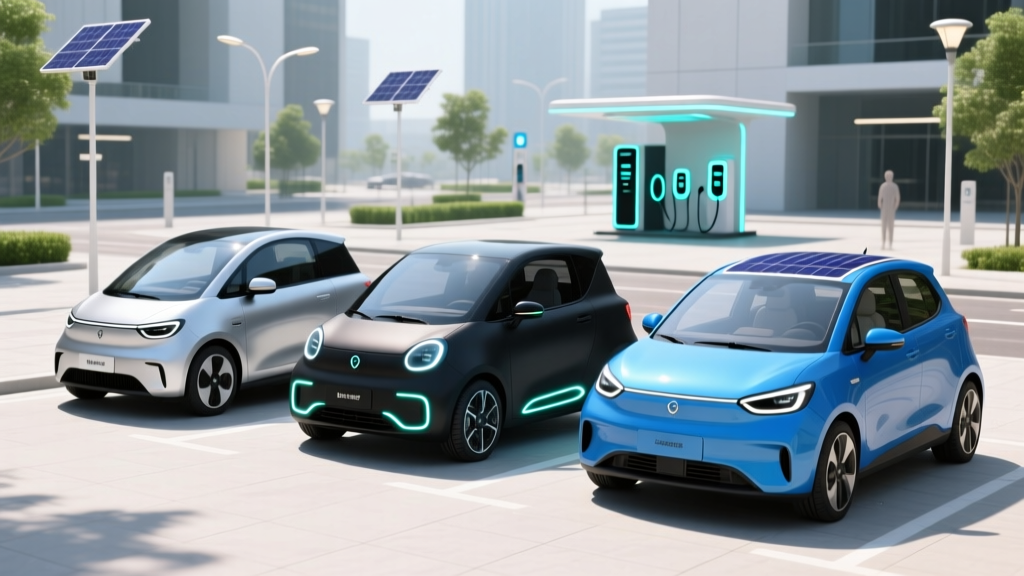
Electric microcars occupy a narrow niche between electric bicycles and conventional EVs. Typically weighing under 1,500 lbs, seating 2–4 passengers, and capped at 25–62 mph top speeds, these vehicles target dense urban environments where parking is scarce and trips are short. In the U.S., many fall under FMVSS low-speed vehicle (LSV) or neighborhood electric vehicle (NEV) regulations, limiting them to roads with speed limits of 35 mph or less.
Popular global examples include the Citroën Ami (Europe), Wuling Hongguang Mini EV (China), and emerging U.S. entrants like the Arcimoto FUV and ElectraMeccanica Solo. However, availability varies sharply by market. As of 2026, no mass-market electric microcar qualifies for the full §30D federal tax credit due to battery sourcing and MSRP requirements, though some may be eligible for state-level incentives.
Range, Charging, and Efficiency: The Numbers
Microcar batteries are small—typically 6–20 kWh—using LFP (lithium iron phosphate) chemistry for cost and longevity. Here's what real-world performance looks like:
| Model (2026) | Battery (kWh) | EPA-Equiv Range | Real-World Range | Top Speed | Charge Time (120V) |
|---|---|---|---|---|---|
| Citroën Ami | 5.5 kWh (LFP) | 47 mi | 35–40 mi | 28 mph | ~3 hours |
| Wuling Air EV (Long Range) | 17.3 kWh (LFP) | 124 mi | 90–105 mi | 62 mph | ~8 hours |
| Arcimoto FUV | 12 kWh (NMC) | 65 mi | 50–55 mi | 75 mph | ~5 hours |
| ElectraMeccanica Solo (Cargo) | 17.5 kWh (NMC) | 100 mi | 75–85 mi | 70 mph | ~7 hours |
Real-World Range Reality Check
Expect 20–30% range loss in cold weather (below 40°F) due to battery resistance and cabin heating. Highway driving above 55 mph also reduces efficiency sharply—microcars lack the aerodynamics and thermal management of full-size EVs. If your daily round trip is 40 miles in winter, a 100-mile-rated microcar may leave you with minimal buffer.
Charging is straightforward: all microcars use Level 1 (120V) charging via a standard household outlet. Most include a portable EVSE (cord) in the box. DC fast charging is rare or unavailable due to small battery sizes and cost constraints. This means no 10–80% sprint charging—plan on overnight top-ups.
Cost Breakdown: Purchase, Charging, and Ownership
Microcars win on upfront price but lose on per-mile practicality. Here's a 5-year cost comparison against a gas-powered subcompact (e.g., 2026 Mitsubishi Mirage, 36 MPG combined) and a used 2024 Chevy Bolt EV:
| Cost Factor | Wuling Air EV | 2026 Mitsubishi Mirage (Gas) | Used 2024 Chevy Bolt EV |
|---|---|---|---|
| Purchase Price | $15,000 | $18,500 | $22,000 |
| Federal Tax Credit | $0 (used EV credit ineligible) | $0 | $4,000 (§25E used EV credit) |
| Net Purchase | $15,000 | $18,500 | $18,000 |
| Annual Fuel/Energy (10k mi/yr) | $350 (home charging) | $1,100 (gas @ $3.50/gal) | $400 (home charging) |
| 5-Year Fuel/Energy | $1,750 | $5,500 | $2,000 |
| Annual Insurance | $900 | $1,100 | $1,300 |
| 5-Year Maintenance | $400 | $2,500 | $600 |
| 5-Year Total Cost | $21,650 | $32,000 | $27,100 |
Source: Energy costs based on U.S. average electricity rate of $0.16/kWh and gas prices per EIA. Insurance estimates from industry averages for low-speed and subcompact vehicles.
Electric Microcars vs. Gas Cars and Hybrids
| Factor | Electric Microcar | Gas Subcompact | Hybrid (e.g., Prius) |
|---|---|---|---|
| Upfront Cost | Low ($8k–$30k) | Medium ($18k–$25k) | Medium-High ($28k–$35k) |
| Fuel Cost per Mile | $0.03–$0.05 | $0.10–$0.12 | $0.07–$0.09 |
| Range | 40–120 mi | 350–450 mi | 500–600 mi |
| Highway Capable? | No (most models) | Yes | Yes |
| Crash Safety | Not tested (LSV class) | NHTSA 4–5 star | NHTSA 5 star |
| Cargo Space | Minimal (2–8 cu ft) | 15–20 cu ft | 20–27 cu ft |
| Home Charging Needed? | Yes (120V sufficient) | No | No (HEV) / Yes (PHEV) |
Common Misconceptions About Electric Microcars
| Myth | Fact |
|---|---|
| "They qualify for the $7,500 federal tax credit." | Most do not. The §30D credit requires battery sourcing compliance, MSRP caps, and buyer income limits. Microcars often fail critical-mineral and assembly requirements. Check IRS guidelines for current eligibility. |
| "They're as safe as a regular car." | LSV-class vehicles are exempt from full FMVSS crash standards. They lack airbags, crumple zones, and electronic stability control. Treat them like enclosed motorcycles, not car substitutes. |
| "I can drive them anywhere." | Most states restrict LSVs to roads with speed limits ≤35 mph. Highway use is illegal and unsafe. Check your state DMV for local rules. |
| "Charging is instant." | Without DC fast charging, expect 3–8 hours on 120V. Plan overnight charging or workplace top-ups. |
| "They're perfect for families." | Most seat 2 adults (tightly). Child seats are incompatible in many models. They're errand-runners, not school-run vehicles. |
Real-World Ownership Considerations
Home Charging Access
You need a dedicated 120V outlet (garage, carport, or driveway extension cord rated for outdoor use). Apartment dwellers without outlet access will struggle—public Level 2 chargers are overkill for small batteries and may not support low-power draws. If you lack home charging, a microcar is impractical.
Climate and Weather
LFP batteries handle cold better than NMC, but microcars lack active thermal management. Below 32°F, expect 25–35% range loss and slower acceleration. Cabin heating (resistive, not heat pump) further drains the battery. In hot climates (>95°F), battery longevity may degrade faster without liquid cooling.
Driving Patterns
Microcars excel for predictable, short trips: grocery runs, school drop-offs, neighborhood commutes. If your route includes highways, hills, or frequent passenger/cargo loads, a used Bolt EV or PHEV (like the Prius Prime) is a better fit.
Decision Framework: Should You Buy an Electric Microcar?
Choose an Electric Microcar If:
- You have home 120V charging access
- Your daily driving is under 50 miles, mostly on local roads
- You need a second or third vehicle for errands only
- You live in a mild climate (rarely below 40°F or above 95°F)
- You prioritize low purchase price and operating cost over safety and versatility
Choose a Full-Size EV or Hybrid Instead If:
- You drive on highways or roads with speed limits >40 mph
- You need to carry more than 2 people or significant cargo
- You live in a region with harsh winters or extreme heat
- You lack reliable home charging
- You want NHTSA crash-test ratings and modern safety features (AEB, lane assist)
Frequently Asked Questions
Do electric microcars require a driver's license?
Yes. In most U.S. states, LSVs require a valid driver's license, registration, and insurance. They are not classified as golf carts (which may have different rules). Check your state DMV for specifics.
Can I take an electric microcar on the highway?
No. LSVs are legally restricted to roads with speed limits of 35 mph or less. Their low mass and lack of safety features make highway driving dangerous and illegal.
How long do microcar batteries last?
LFP batteries typically last 2,000–3,000 charge cycles before degrading to 80% capacity. At 50 miles per charge, that's 100,000–150,000 miles. NMC batteries degrade faster (1,000–1,500 cycles). Most manufacturers offer 3–5 year battery warranties.
Are electric microcars street-legal in all 50 states?
LSV regulations are federal (FMVSS 500), but states set their own rules for where they can operate. Most states allow them on roads ≤35 mph, but some cities ban them entirely. Verify with your local DMV before purchasing.
What's the cheapest electric microcar available in the U.S.?
As of 2026, the Arcimoto FUV starts around $18,000, while the ElectraMeccanica Solo (single-seat cargo variant) is approximately $19,500. Imported models like the Wuling Air EV are not yet widely available through U.S. dealerships and may not meet federal import requirements.