Quick Answer: Does Mercedes Make an Electric Truck?
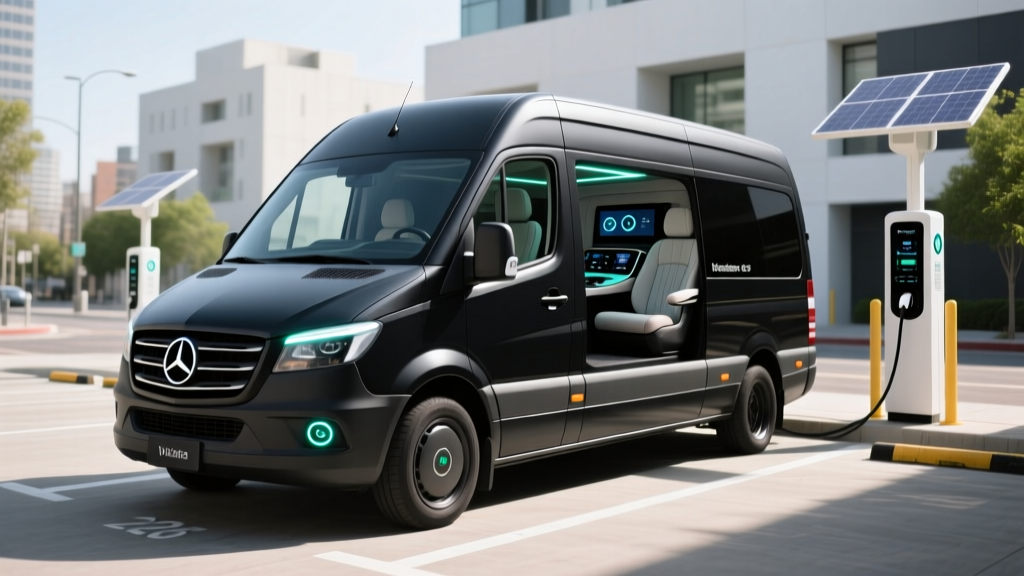
As of 2026, Mercedes-Benz does not sell a traditional electric pickup truck in the United States. The closest equivalent is the 2026 Mercedes-Benz eSprinter, a fully electric commercial cargo/passenger van built on the Sprinter platform. The eSprinter offers an EPA-estimated range of up to 200 miles (150-kWh battery variant), peaks at 115 kW DC fast charging (10–80% in approximately 42 minutes), and starts at an MSRP of roughly $72,000 before incentives. For buyers searching for an "electric Mercedes truck" for commercial fleet use, last-mile delivery, or upfitting into a box truck or shuttle, the eSprinter is the production vehicle to evaluate. Mercedes-Benz has not announced a consumer electric pickup (e.g., an electric G-Class truck or EQG pickup) for the U.S. market as of mid-2026.
What Is the Electric Mercedes Truck (eSprinter)?
The Mercedes-Benz eSprinter is a battery-electric commercial van that replaces the diesel Sprinter for fleet and owner-operator buyers who want zero tailpipe emissions, lower per-mile energy costs, and simplified maintenance. It is built on the same VS30 platform as the current-generation Sprinter, meaning most commercial upfitters (shelving, refrigeration, box bodies, passenger conversions) carry over with minor modifications.
Mercedes offers the eSprinter in two battery configurations for the 2026 model year:
- Standard Range (113 kWh usable, NMC chemistry): EPA-estimated ~150 miles range. Lighter curb weight, slightly more cargo volume.
- Extended Range (150 kWh usable, NMC chemistry): EPA-estimated ~200 miles range. Heavier, marginally reduced payload, but meaningfully more route flexibility.
Both variants use a front-axle-mounted permanent-magnet synchronous motor producing 201 horsepower (150 kW) and 295 lb-ft of torque. Unlike the diesel Sprinter's rear-wheel or all-wheel drive layouts, the eSprinter is front-wheel drive only. 0–60 mph times are not officially published but independent testing places the unladen van at approximately 9.5–10.5 seconds — adequate for urban merging but not quick by passenger-EV standards.
| Spec | Standard Range (113 kWh) | Extended Range (150 kWh) |
|---|---|---|
| Usable Battery | 113 kWh (NMC) | 150 kWh (NMC) |
| EPA Range | ~150 mi | ~200 mi |
| Real-World Range (loaded, mixed) | ~115–130 mi | ~155–175 mi |
| Motor Output | 201 hp / 295 lb-ft | 201 hp / 295 lb-ft |
| Drivetrain | FWD | FWD |
| Peak DC Fast Charge | 115 kW | 115 kW |
| 10–80% DC Charge Time | ~38 min | ~42 min |
| Level 2 AC Charge (11 kW) | ~10 hrs (0–100%) | ~13.5 hrs (0–100%) |
| Max Cargo Volume | 533 cu ft (high-roof 170" WB) | 533 cu ft (high-roof 170" WB) |
| Max Payload | ~2,800 lbs | ~2,400 lbs |
| Starting MSRP (cargo van) | ~$72,000 | ~$78,000 |
| Powertrain Warranty | 5 yr / 100,000 mi | 5 yr / 100,000 mi |
| Battery Warranty | 8 yr / 100,000 mi (≥70% SoH) | 8 yr / 100,000 mi (≥70% SoH) |
Real-World Range Reality Check
The eSprinter's EPA range figures assume moderate payload, mild weather, and mixed urban/suburban driving. In real-world commercial use — with a 1,500-lb payload, frequent stop-and-go stops, and HVAC running — expect to lose 15–20% from the EPA sticker. In cold weather (below 32°F), NMC chemistry combined with cabin and cargo-area heating can push range loss to 25–35%. If your daily route exceeds 130 miles in winter with the Extended Range variant, plan for a mid-route DC fast charge or depot opportunity charging.
eSprinter vs. Gas/Diesel Sprinter: Cost & Capability Comparison
The most direct comparison for an "electric Mercedes truck" buyer is the diesel Sprinter 2500, which remains the volume seller. Here is how the two stack up on the metrics that matter for fleet purchasing and total cost of ownership (TCO).
| Metric | 2026 eSprinter (150 kWh) | 2026 Sprinter 2500 Diesel |
|---|---|---|
| Base MSRP | ~$78,000 | ~$52,000 |
| Fuel/Energy Cost per Mile | ~$0.10–$0.14 (commercial elec.) | ~$0.22–$0.28 (diesel) |
| Maintenance Cost / Year | ~$600–$900 | ~$1,800–$2,500 |
| EPA Range | ~200 mi | ~450–500 mi (24.5-gal tank) |
| Refuel/Recharge Time | 10–80% in ~42 min (DC) | ~8 min (diesel fill) |
| Towing Capacity | Not rated (FWD) | Up to 7,500 lbs |
| AWD Availability | No (FWD only) | Yes |
| Tailpipe Emissions | Zero | Diesel (DEF required) |
| Federal Tax Credit (§30D) | Up to $7,500 (if eligible) | $0 |
| Estimated 5-Year TCO (100k mi) | ~$108,000 | ~$112,000 |
The eSprinter's higher upfront price is partially offset by dramatically lower energy and maintenance costs. Diesel Sprinter owners face regular DEF refills, fuel-filter changes, turbo-related service, and emissions-system repairs (DPF, SCR) that simply do not exist on the electric variant. Brake wear is also significantly reduced thanks to regenerative braking — many eSprinter fleet operators report original brake pads beyond 80,000 miles.
However, the diesel Sprinter retains decisive advantages in range, refueling speed, towing, and AWD availability. If your routes regularly exceed 200 miles, involve trailer towing, or operate in remote areas without DC fast-charging infrastructure, the diesel remains the pragmatic choice.
Charging the eSprinter: Depot, Home, and Public Infrastructure
Charging is the single biggest operational variable for any electric commercial van. The eSprinter supports three charging levels:
| Level | Power | Connector | Miles Added per Hour | Best Use Case |
|---|---|---|---|---|
| Level 1 (120V) | ~1.4 kW | J1772 / NACS adapter | ~3–4 mi/hr | Emergency / trickle only |
| Level 2 (240V, 48A) | 11 kW | J1772 (CCS1) or NACS* | ~28–32 mi/hr | Overnight depot charging |
| DC Fast Charge | Up to 115 kW | CCS1 or NACS* | ~150+ mi in 30 min (peak) | Mid-route top-ups |
*Mercedes-Benz has been transitioning its U.S. fleet to the NACS (Tesla-style) connector starting with 2025–2026 models. Verify your specific build's port; CCS1-to-NACS adapters are available from Mercedes for legacy charger compatibility.
Depot Charging: What Fleet Buyers Need
For commercial operations, Level 2 depot charging is the backbone of eSprinter ownership. A single 11-kW Level 2 station fully replenishes the 150-kWh battery in roughly 13.5 hours — ideal for vans that return to base each evening and depart each morning.
Installing commercial depot chargers involves significant infrastructure investment:
| Component | Low Estimate | High Estimate |
|---|---|---|
| Level 2 EVSE Hardware (commercial-rated) | $1,500 | $4,000 |
| Electrical Panel Upgrade / Transformer | $2,000 | $15,000 |
| Wiring, Conduit, Trenching (if needed) | $1,500 | $8,000 |
| Electrician Labor | $2,000 | $6,000 |
| Permits & Utility Interconnect | $500 | $3,000 |
| Total Per Stall | $7,500 | $36,000 |
Costs vary enormously based on existing electrical service, distance from the panel, and whether your utility requires a demand-charge upgrade. Many utilities offer commercial EV charging rebates or make-ready programs that can offset 30–50% of infrastructure costs — check with your local provider before budgeting.
Public DC Fast Charging
The eSprinter's 115-kW peak DC charge rate is modest compared to passenger EVs like the Hyundai Ioniq 5 (240 kW) or Tesla Cybertruck (350 kW), but it is competitive for the commercial van segment. On a Electrify America or Tesla Supercharger (with NACS access), you can add roughly 80–100 miles of range in a 30-minute stop.
Charge-curve reality: The eSprinter sustains its peak 115 kW only between roughly 10–40% state of charge. Above 60%, the rate tapers to approximately 70–80 kW, and above 80% it drops further to 30–40 kW to protect battery longevity. Plan your route stops around 10–80% windows to minimize dwell time.
Real Costs of eSprinter Ownership: Purchase, Fueling, Insurance, Maintenance
Let's break down a realistic 5-year ownership scenario for a single-owner-operator or small fleet buyer running an eSprinter Extended Range approximately 20,000 miles per year (100,000 miles total).
| Cost Category | eSprinter (150 kWh) | Sprinter 2500 Diesel |
|---|---|---|
| Purchase Price (MSRP) | $78,000 | $52,000 |
| Federal Tax Credit (§30D) | –$7,500 (if eligible) | $0 |
| Net Purchase | $70,500 | $52,000 |
| Energy/Fuel (100k mi) | $12,000 (avg $0.12/mi) | $25,000 (avg $0.25/mi) |
| Maintenance (5 yr) | $4,000 | $11,000 |
| Insurance (5 yr) | $18,000 | $15,000 |
| Depot Charger Install (1 stall) | $12,000 | $0 |
| Estimated Resale Value (5 yr) | –$28,000 | –$25,000 |
| Net 5-Year Cost | ~$88,500 | ~$78,000 |
Key observations from this breakdown:
- Energy savings are massive: $13,000 less in fuel/energy over five years is the eSprinter's strongest financial argument.
- Maintenance savings compound: No oil changes, no DEF, no fuel filters, no emissions systems, far less brake wear.
- Insurance costs more: Commercial EV insurance premiums run 15–25% higher than diesel equivalents due to higher repair costs and parts pricing. Get a quote before committing.
- Charger installation is a real cost: Budget $7,500–$36,000 per stall depending on your facility's electrical capacity.
- Depreciation uncertainty: Electric commercial vans have limited resale history. The diesel Sprinter's strong residual value is well-established; the eSprinter's is not.
Federal Tax Credit Eligibility (§30D)
The eSprinter may qualify for up to $7,500 under the IRS §30D Clean Vehicle Credit, but eligibility is not automatic. Requirements include:
- MSRP cap: Vans fall under the $80,000 MSRP ceiling for vans/pickups/SUVs. The eSprinter's base pricing fits, but heavily optioned builds may exceed this threshold.
- Buyer income limits: AGI must not exceed $150,000 (single), $225,000 (head of household), or $300,000 (joint).
- Battery sourcing: Critical minerals and battery components must meet phased-in domestic/free-trade-partner sourcing thresholds. Mercedes-Benz has been working to comply, but verify the specific VIN's eligibility on fueleconomy.gov before purchasing.
- Point-of-sale transfer: As of 2024, eligible buyers can transfer the credit to the dealer at purchase, reducing the out-of-pocket price immediately rather than waiting for tax filing.
Commercial fleet buyers purchasing under a business entity should investigate the separate §45W Commercial Clean Vehicle Credit instead, which has different rules and may offer up to $7,500 for vehicles under 14,000 lbs GVWR. Consult a tax professional for entity-specific guidance.
Common Misconceptions About the Electric Mercedes Truck
| Myth | Fact |
|---|---|
| "Mercedes makes an electric pickup truck like the F-150 Lightning." | Mercedes does not sell a consumer electric pickup in the U.S. The eSprinter is a commercial cargo/passenger van. The EQG (electric G-Wagen) is an SUV, not a truck. |
| "The eSprinter can tow like a diesel Sprinter." | The eSprinter is FWD and is not rated for towing. If you need to pull a trailer, the diesel Sprinter (up to 7,500 lbs) or a Ford E-Transit with a tow package are better options. |
| "200 miles of range is enough for any delivery route." | Real-world loaded range in cold weather can drop to 130–150 miles. Routes with significant HVAC use, hilly terrain, or highway speeds above 60 mph will further reduce range. Always plan with a 20–25% buffer. |
| "Electric vans cost more to own than diesel, period." | At 20,000+ miles/year, the eSprinter's energy and maintenance savings can close the upfront price gap within 4–5 years, especially with tax credits and utility rebates factored in. |
| "You can charge at any public station easily." | The eSprinter's size (up to 273" long, 110" tall) makes many public charging stalls physically inaccessible. Plan routes around commercial-friendly stations with pull-through or oversized-vehicle parking. |
Decision Framework: Should You Buy the eSprinter?
Choose the eSprinter If:
- Your daily routes are under 150 miles (or under 120 miles in winter) and the van returns to a depot nightly.
- You have access to (or can install) Level 2 depot charging at your facility.
- You operate in a city or metro area with clean-air-zone mandates or utility time-of-use rates that favor overnight charging.
- You want to eliminate diesel fuel cost volatility and reduce maintenance downtime.
- Your upfitter has confirmed compatibility with the eSprinter's FWD layout and under-floor battery pack.
- You qualify for the §30D or §45W tax credit and local utility EV rebates.
Stick with the Diesel Sprinter (or Consider Alternatives) If:
- Your routes regularly exceed 200 miles without predictable charging stops.
- You need towing capacity or all-wheel drive.
- You operate in rural areas with limited DC fast-charging infrastructure.
- Your facility cannot support Level 2 charging installation (e.g., leased space, insufficient electrical service, prohibitive upgrade costs).
- You need a consumer-oriented electric pickup rather than a commercial van — consider the Ford F-150 Lightning, Rivian R1T, or Chevrolet Silverado EV instead.
Alternatives to the eSprinter in the Electric Commercial Van Space
If the eSprinter's limitations (FWD, no towing, 200-mile max range) don't fit your operation, consider these 2026 competitors:
- Ford E-Transit: Lower MSRP (~$55,000), shorter range (~126 mi EPA), but widely available and backed by Ford's Pro commercial network. Better for short, predictable urban routes.
- BrightDrop Zevo 600: Larger cargo volume, up to ~250 miles range, aimed at large fleet operators. Limited availability for small buyers.
- Rivian EDV (Amazon Delivery Van): Currently exclusive to Amazon; not available for general purchase as of 2026.
Frequently Asked Questions
Does Mercedes-Benz make an electric pickup truck for consumers?
No. As of 2026, Mercedes-Benz does not sell an electric pickup truck in the U.S. market. The eSprinter is a commercial electric van. The EQG (electric G-Class) is an off-road SUV, not a pickup. Mercedes has not announced a unibody or body-on-frame electric pickup for North America.
What is the real-world range of the eSprinter?
The Extended Range (150 kWh) eSprinter is EPA-rated at approximately 200 miles. In real-world commercial use with a moderate payload, expect 155–175 miles in mild weather and 130–150 miles in cold weather (below 32°F). Highway driving above 65 mph further reduces efficiency due to the van's large frontal area.
Can I charge the eSprinter at home?
Yes, but it is slow. A standard 240V / 48A Level 2 home charger adds roughly 28–32 miles of range per hour. Fully charging the 150-kWh battery from empty takes approximately 13.5 hours. Most owner-operators charge overnight at a depot or home base. Level 1 (120V) charging is impractical for daily use at only 3–4 miles per hour.
Does the eSprinter qualify for the $7,500 federal tax credit?
It may, depending on your income, the vehicle's MSRP (must be under $80,000 for vans), and battery-sourcing compliance. Verify the specific VIN on fueleconomy.gov and consult a tax professional. Commercial buyers may qualify under §45W instead of §30D.
How does the eSprinter compare to the Ford E-Transit?
The eSprinter costs significantly more but offers nearly double the range (200 mi vs. ~126 mi) and more cargo volume. The E-Transit is better suited for short urban routes where its lower price makes financial sense. For longer routes or larger cargo needs, the eSprinter's range advantage justifies its premium.
What is the battery warranty on the eSprinter?
Mercedes-Benz covers the eSprinter's high-voltage battery for 8 years or 100,000 miles, whichever comes first, guaranteeing a minimum of 70% state of health (SoH) retention. If the battery degrades below this threshold within the warranty period, Mercedes will repair or replace it to restore capacity above 70%.