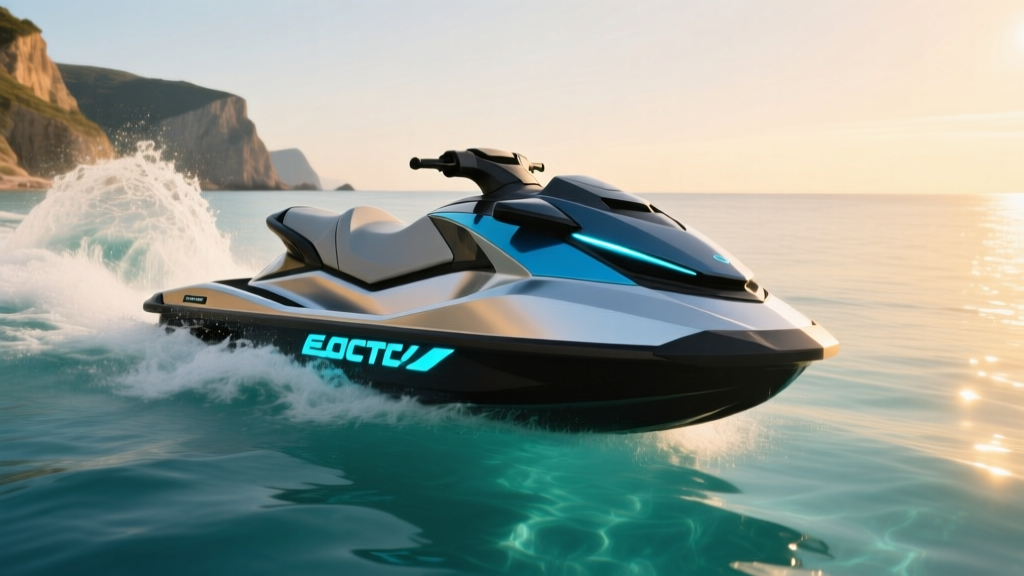
Quick Answer: Are Electric Jet Skis Worth It?
Electric jet skis (electric personal watercraft, or ePWC) are a real and growing product category in 2026, led by brands like Taiga Motors and emerging competitors. They deliver instant torque, near-silent operation, and zero on-water emissions — but come with significant trade-offs versus gasoline personal watercraft (PWC). Expect 20–45 miles of real-world range per charge depending on riding style, purchase prices from $12,000 to $28,000+, and 1.5–4 hour charge times on Level 2 (240V) power. They excel for lake-home owners with dock-side charging and riders who prioritize quiet, low-maintenance operation. They fall short for long-distance touring, high-speed endurance riding, and buyers without reliable access to 240V power near the water. If you ride primarily on a home lake for 1–2 hours at a time and can charge at your dock, an electric jet ski is a compelling option. If you trailer your PWC to different lakes, ride aggressively for hours, or lack 240V charging access, a gasoline model remains the more practical choice.
The Electric Jetski Market in 2026: What's Actually Available
The electric personal watercraft market has matured considerably since Taiga Motors launched the Orca — widely considered the first high-performance electric jet ski — in limited production. As of 2026, the landscape includes:
- Taiga Orca (Canada-based): The most established player. Available in Performance, Carbon, and Carbon Pro trims. MSRP ranges from approximately $12,490 to $27,990 depending on battery and motor configuration.
- Narke (Hungary): The Electrojet GT series targets the European market with a focus on luxury and design. Limited U.S. availability; MSRP approximately $20,000–$35,000.
- Emerging Chinese manufacturers: Several brands are entering the market with lower-cost ePWC options in the $5,000–$10,000 range, though U.S. distribution, parts availability, and safety certifications remain inconsistent.
- Major OEMs (Sea-Doo, Yamaha, Kawasaki): As of early 2026, none of the "Big Three" gasoline PWC manufacturers have released a production electric jet ski. All have signaled electrification interest, and concept models have been shown, but no confirmed production timeline exists. BRP (Sea-Doo parent) has publicly committed to offering electric models across all product lines by the end of the decade.
For this guide, we'll use the Taiga Orca as our primary reference point, since it's the most widely available and reviewed electric jet ski in North America.
Range, Battery, and Charging: The Numbers That Matter
The single biggest ownership question for any electric vehicle — including an electric jet ski — is whether the battery can support your actual use case. Here's what the data shows:
| Specification | Performance Trim | Carbon Trim | Carbon Pro |
|---|---|---|---|
| Battery Capacity (usable) | ~17 kWh | ~23 kWh | ~23 kWh (higher discharge rate) |
| Battery Chemistry | NMC (Nickel Manganese Cobalt) | NMC | NMC |
| Claimed Range (cruise mode) | ~28 miles / 45 km | ~45 miles / 72 km | ~40 miles / 64 km |
| Real-World Range (mixed riding) | ~18–22 miles | ~30–38 miles | ~25–35 miles |
| Real-World Range (aggressive/sport) | ~10–14 miles | ~18–24 miles | ~16–22 miles |
| Peak Motor Output | ~160 HP | ~180 HP | ~200+ HP |
| 0–60 mph (approx.) | ~4.5 sec | ~3.8 sec | ~3.5 sec |
| Top Speed | ~55 mph | ~62 mph | ~65+ mph |
| Charge Time (Level 2, 240V / 32A) | ~2 hours | ~3 hours | ~3 hours |
| Charge Time (Level 1, 120V) | ~8–10 hours | ~12–16 hours | ~12–16 hours |
| Weight | ~580 lbs | ~520 lbs (carbon hull) | ~530 lbs |
| MSRP (approx.) | $12,490 | $19,990 | $27,990 |
| Warranty (battery) | 3 years / limited; check current terms with dealer | ||
Real-World Range Reality Check
Manufacturer-claimed range assumes "cruise mode" at moderate throttle on flat water. In practice, most riders spend significant time accelerating hard, playing in wakes, or riding at sport-mode power levels. Aggressive riding can cut range by 40–55% compared to the published cruise figure. Cold water temperatures (below 60°F) also reduce battery efficiency by roughly 10–15%. Plan for the worst-case scenario when deciding whether the range works for your lake.
Charging Logistics: Where and How You'll Plug In
Unlike electric cars, which benefit from a growing DC fast-charging network, electric jet skis rely almost entirely on Level 2 (240V) AC charging at your dock, garage, or marina. There is no public fast-charging infrastructure for watercraft.
- Dock-side Level 2 charging: The ideal setup. Requires a marine-rated 240V outlet (NEMA 14-50 or hardwired) installed by a licensed electrician at your dock or boat house. Expect $1,500–$4,000 for installation, depending on distance from your electrical panel and marine-grade wiring requirements.
- Garage charging: If you trailer your ePWC home, a standard Level 2 EV charger (like a ChargePoint Home Flex or Tesla Wall Connector) works with the appropriate adapter. A full charge takes 2–3 hours for most models.
- Level 1 (120V) emergency charging: Technically possible using a standard household outlet, but at 1.4–1.9 kW, a full charge takes 8–16 hours — effectively overnight only. This is impractical as a primary charging method.
Electric Jetski vs. Gas PWC: Cost and Performance Comparison
How does an electric jet ski stack up against a comparable gasoline PWC like a Sea-Doo Spark, Yamaha EX, or Sea-Doo GTI? The comparison depends heavily on what you value:
| Factor | Electric (Taiga Orca Carbon) | Gas (Sea-Doo GTI SE 170) |
|---|---|---|
| Purchase Price | ~$19,990 | ~$12,500–$14,000 |
| Range per "Tank" | 30–38 mi (real-world mixed) | ~80–120 mi (16-gal tank) |
| "Refuel" Time | 2–3 hours (Level 2) | ~3 minutes (gas station) |
| Energy/Fuel Cost per Hour of Riding | ~$1.50–$3.00 (at $0.13/kWh avg) | ~$8–$14 (at $3.80/gal, 4–7 GPH) |
| Annual Fuel/Energy (50 hrs/yr) | ~$75–$150 | ~$400–$700 |
| Annual Maintenance | ~$50–$150 (coolant check, impeller inspection) | ~$300–$600 (oil, filter, winterization, spark plugs) |
| 5-Year Fuel + Maintenance Total | ~$625–$1,500 | ~$3,500–$6,500 |
| Noise Level | Near-silent (major advantage on quiet lakes) | Loud (70–85 dB at speed) |
| Emissions on Water | Zero direct emissions | Exhaust + fuel/oil in water (4-stroke is cleaner than 2-stroke) |
| Instant Torque / Acceleration Feel | Immediate, exhilarating | Builds with RPM — good, but not instant |
| Weight | ~520 lbs | ~790 lbs |
| Storage/Trunk | Limited (small front compartment) | Moderate to large (model-dependent) |
| Resale/Depreciation (projected) | Uncertain — emerging market | Well-established, predictable |
5-Year Total Cost of Ownership: Electric vs. Gas PWC
| Cost Category | Electric (Taiga Orca Carbon) | Gas (Sea-Doo GTI SE 170) |
|---|---|---|
| Purchase Price | $19,990 | $13,000 |
| Dock Charger Install | $2,500 | $0 |
| Energy/Fuel (5 yrs, 50 hrs/yr) | $500 | $2,750 |
| Maintenance (5 yrs) | $500 | $2,250 |
| Insurance (5 yrs, avg.) | $2,000 | $1,750 |
| Estimated Resale Value (Year 5) | -$8,000 (estimate) | -$6,500 |
| Net 5-Year Cost | ~$17,490 | ~$13,250 |
Note: Resale values for electric PWC are estimates based on limited market data. Gas PWC depreciation is based on historical averages from NADA/J.D. Power guides. Insurance premiums for electric PWC may be higher due to limited actuarial data and higher replacement-cost batteries. Always get a quote from your insurer before purchasing.
Real-World Ownership Considerations
Beyond the spec sheet, several practical factors determine whether an electric jet ski fits your life:
Home Charging Access: The Make-or-Break Factor
This is the single most important question: Can you install a 240V outlet at or near where you store the watercraft?
- Lake-house owners with private docks: Best-case scenario. A marine-rated 240V outlet at the dock means you charge between sessions, just like plugging in an EV at home. Budget $1,500–$4,000 for a licensed electrician to run a dedicated 40A or 50A circuit to your dock, including GFCI protection and marine-grade conduit.
- Marina slip renters: Check with your marina. Many marinas offer 240V shore power for boats, but not all allow PWC charging or have accessible outlets at PWC slip locations. You may need to negotiate access or install a sub-meter.
- Trailer-only riders: If you tow your PWC to different lakes each weekend, you'll need to charge at home between trips. A full charge takes 2–3 hours on Level 2, so same-day turnaround is possible if you ride in the morning and charge in the afternoon. But you cannot "refuel" at the lake unless you bring a portable generator or have access to a 240V outlet at the launch area (rare).
- No 240V access: Level 1 (120V) charging is technically possible but takes 8–16 hours — meaning you can only ride once per day, and only if you charge overnight. This is a dealbreaker for most buyers.
Climate and Water Temperature Effects
Lithium-ion NMC batteries lose efficiency in cold conditions. When water temperatures drop below 60°F (15°C), expect 10–15% range reduction. In very cold water (40–50°F), the loss can reach 20%. The Taiga Orca includes active thermal management, which helps, but physics still applies. If you primarily ride in northern lakes during early spring or late fall, plan your range expectations accordingly.
Conversely, extreme heat (above 95°F ambient) can trigger battery thermal protection that limits peak power output to prevent overheating. This is rare but documented in owner forums.
Insurance and Registration
Electric PWC insurance is available from major marine insurers (Geico Marine, Progressive, BoatUS), but premiums may be 10–25% higher than equivalent gas models due to higher replacement costs and limited repair-network familiarity. Registration requirements vary by state — most states treat ePWC identically to gasoline PWC for titling and registration purposes. Check with your state boating authority for specifics.
Federal and State Incentives: What Applies to Electric Watercraft?
Here's where the comparison to electric cars diverges significantly:
Does the §30D Federal EV Tax Credit Apply to Electric Jet Skis?
- No. The IRS §30D Clean Vehicle Credit applies to on-road motor vehicles with four wheels and a gross vehicle weight rating under 14,000 lbs. Personal watercraft do not qualify.
- State incentives vary. A small number of states with "clean recreation" or "clean marine" incentive programs may offer rebates for electric watercraft, but these are rare, limited in funding, and change frequently. Check your state's energy office or AFDC incentive database for current programs.
- No marine equivalent of the §30D credit exists at the federal level as of 2026.
Common Misconceptions About Electric Jet Skis
| Myth | Fact |
|---|---|
| "Electric jet skis are underpowered." | The Taiga Orca Carbon Pro produces over 200 HP with instant torque, delivering 0–60 mph in roughly 3.5 seconds. That's competitive with or faster than many high-end gas PWC. |
| "You can't ride for more than 20 minutes." | In cruise mode at moderate speeds, riders get 1.5–2.5 hours of runtime on higher-capacity battery trims. Aggressive sport riding does cut this to 30–50 minutes. |
| "The battery will need replacing in 2–3 years." | NMC marine batteries with proper thermal management are designed for 1,000+ full charge cycles before reaching 80% capacity. At 50 rides per year, that's 20+ years of use before significant degradation. Real-world long-term data is still limited, however. |
| "You can charge at any dock." | Most public docks and marinas do not have accessible 240V outlets for PWC charging. You need to plan your charging infrastructure in advance. |
| "Electric jet skis are silent, so they're safer." | The silence is pleasant but can be a safety concern — other boaters and swimmers may not hear you approaching. Many owners recommend adding an aftermarket audible alert system. |
| "They qualify for the $7,500 EV tax credit." | They do not. The §30D credit applies to on-road vehicles only. No federal tax credit currently exists for electric watercraft. |
Decision Framework: Should You Buy an Electric Jetski?
Choose an Electric Jet Ski If:
- You own lakefront property with a private dock where you can install 240V charging.
- Your typical ride session is under 2 hours at moderate intensity.
- Noise restrictions matter — you live on a quiet lake with decibel limits or early-morning riding norms.
- You want minimal maintenance — no oil changes, no winterization of an internal combustion engine, no fuel stabilizer.
- You value instant torque and a uniquely smooth, quiet riding experience.
- You're comfortable being an early adopter in a niche market with limited dealer networks and uncertain long-term resale values.
Choose a Gas PWC If:
- You trailer to different lakes and can't guarantee 240V charging access at each location.
- You ride aggressively for hours — endurance sport riding, long-distance touring, or towing tubers/wakeboarders for extended sessions.
- You want predictable resale value and an established dealer/service network nationwide.
- Your budget is under $12,000 — the used gas PWC market offers tremendous value.
- You need passenger capacity, storage, and versatility — gas PWC models offer 2–3 seats, larger fuel tanks, and integrated storage.
What First-Time Electric PWC Buyers Should Know
- Test-ride before you buy. The riding experience is fundamentally different from gas — instant torque, regenerative deceleration, and near-silence take adjustment. Taiga has a limited dealer/demo network; check their website for ride events.
- Budget for charging infrastructure. The dock-side 240V installation is a real cost ($1,500–$4,000) that buyers often overlook. Get an electrician quote before committing to the purchase.
- Understand the battery warranty in detail. What capacity retention is guaranteed? For how many years/cycles? What voids the warranty? Marine battery warranties are less standardized than automotive ones.
- Plan for winterization. While you don't need to winterize an engine, you do need to follow the manufacturer's battery storage protocol (typically maintaining 40–60% state of charge and storing in a temperature-controlled environment). Improper off-season storage can degrade the battery and void warranty coverage.
- Join owner forums. The Taiga Orca owner community (and electric PWC forums broadly) is small but active. Real-world range data, charging tips, and service experiences shared by owners are invaluable for new buyers.
Frequently Asked Questions
How far can an electric jet ski go on a single charge?
In real-world mixed riding (a combination of cruising, sport mode, and idle), expect 18–38 miles depending on the battery trim, rider weight, water conditions, and throttle habits. Aggressive sport riding can reduce range to 10–24 miles. Always plan rides with a 20–30% range buffer for safety.
How long does it take to charge an electric jet ski?
On a Level 2 (240V, 32A) charger, expect 2–3 hours for a full charge from near-empty. On a standard 120V household outlet (Level 1), a full charge takes 8–16 hours. There is currently no DC fast-charging standard or infrastructure for personal watercraft.
Can I use my home EV charger to charge an electric jet ski?
Generally, yes — if you trailer the PWC home and have a Level 2 charger like a ChargePoint Home Flex or Tesla Wall Connector in your garage. You'll likely need a J1772 adapter or the specific charge cable provided by the PWC manufacturer. Verify connector compatibility before purchasing.
Are electric jet skis safe in saltwater?
The Taiga Orca is designed and tested for both freshwater and saltwater use, with sealed battery enclosures and corrosion-resistant components. However, saltwater use requires thorough freshwater rinsing after every session — just as with any watercraft. Check the manufacturer's specific guidance and warranty terms regarding saltwater use.
What happens if the battery dies on the water?
Electric PWC include reserve-battery buffers and low-charge warnings. If the battery is fully depleted, you lose propulsion and must be towed back — just like running out of gas on a traditional PWC. Always monitor your state of charge and return to the dock with at least 15–20% remaining.
Do electric jet skis require a boating license?
Yes, in most U.S. states. Licensing and age requirements for operating a personal watercraft apply equally to electric and gasoline models. Check your state's boating education requirements.
Will Sea-Doo, Yamaha, or Kawasaki release an electric jet ski?
As of early 2026, none of the Big Three have announced a production electric PWC with a confirmed sale date. BRP (Sea-Doo) has committed to electrifying all product lines by 2030 and has shown electric concepts, but no timeline for a production ePWC has been published. Any specs for unreleased models should be treated as preliminary and estimated.