The Short Answer on Electric Jet Boats From Temu
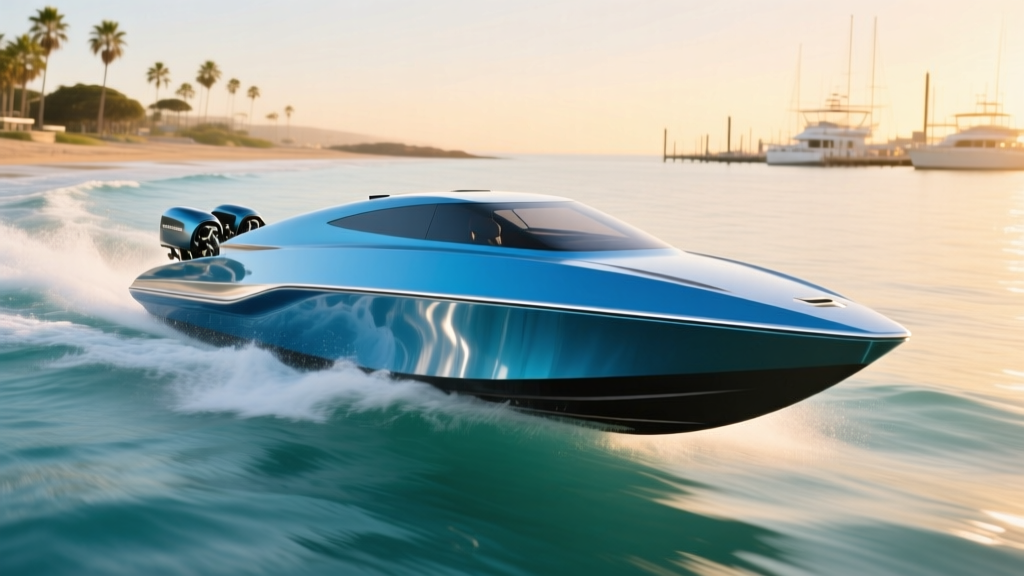
Electric jet boats listed on Temu are almost exclusively small, low-power electric watercraft — typically inflatable jet-drive dinghies, electric outboard conversion kits, or mini personal watercraft — not full-size jet boats comparable to gasoline offerings from brands like Scarab or Yamaha. Most Temu listings in 2026 feature electric outboards rated between 500W and 3kW (roughly 0.7 to 4 horsepower), priced from $150 to $1,200. While these can be functional for calm-water recreation on small lakes or ponds, they are not suitable for open water, high-speed use, or carrying multiple passengers. If you're shopping for a true electric jet boat (15+ feet, 50+ HP equivalent, 20+ mph), Temu is not the right marketplace — you'll need to look at dedicated marine EV manufacturers like Arc, Candela, or X Shore, where prices start around $50,000.
What "Electric Jet Boats" on Temu Actually Are
When you search for "electric jet boats" on Temu in 2026, the results fall into three categories:
- Electric outboard motors (500W–3kW): Brushless DC motor units that clamp onto inflatable dinghies or small transoms. These are essentially electric trolling motors with a jet-drive nozzle instead of a propeller. Prices range from $80 to $600.
- Inflatable mini jet boats with electric motors: 6–9 foot inflatable hulls bundled with a small electric motor and sometimes a basic lithium battery pack. Prices range from $300 to $1,200.
- Electric surfboard/jetboard-style craft: Stand-up or prone personal watercraft with integrated electric jet drives, typically 5kW–15kW motors. These range from $800 to $3,500 on Temu, though quality and safety certifications vary widely.
None of these categories are what most buyers picture when they hear "electric jet boat." A legitimate electric jet boat — a rigid-hull vessel with a waterjet propulsion system, capable of planing speeds and carrying 4+ passengers — requires battery packs of 40 kWh or more and motors producing 100+ kW. These are serious marine vehicles that cost as much as a new electric car.
Real Specs: What You're Getting at Temu Price Points
Here's a data-driven breakdown of typical Temu electric watercraft specs versus what a real electric jet boat delivers:
| Specification | Temu Electric Outboard (3kW) | Temu Inflatable Jet Boat Bundle | Real Electric Jet Boat (e.g., Arc One) |
|---|---|---|---|
| Motor Power | 3 kW (~4 HP) | 2–5 kW (~3–7 HP) | 150–350 kW (~200–470 HP) |
| Battery Capacity | 0.5–1 kWh (often sold separately) | 1–3 kWh | 40–200 kWh (LFP or NMC) |
| Top Speed | 5–8 mph | 8–15 mph | 40–55 mph |
| Range (typical use) | 30–60 minutes at moderate throttle | 45–90 minutes | 60–120 miles at cruising speed |
| Passenger Capacity | 1–2 (on dinghy) | 2–3 | 8–10 |
| Hull Type | Inflatable dinghy (add-on) | Inflatable | Fiberglass or aluminum rigid hull |
| Price Range | $150–$600 | $300–$1,200 | $50,000–$300,000+ |
| Safety Certifications | Rarely certified (CE at best) | Minimal or none | USCG, CE, ISO marine standards |
The power gap is enormous. A 3 kW Temu outboard produces about the same power as a high-end electric lawn mower. An Arc One electric jet boat produces 50 to 100 times that power. The battery capacity difference is equally stark: 1 kWh versus 100+ kWh — the equivalent of comparing a portable power bank to a Tesla Model S battery pack.
Cost Breakdown: Temu Electric Watercraft vs. Real EV Boats vs. Gas
If you're trying to decide how to spend your boating budget, here's what the total cost of ownership looks like across categories:
| Cost Factor | Temu 3kW Electric Setup | Gas-Powered Jet Boat (19ft, 200HP) | Premium Electric Jet Boat (Arc One) |
|---|---|---|---|
| Purchase Price | $400–$1,200 | $35,000–$55,000 | $90,000–$150,000 |
| Fuel/Energy Cost Per Hour | $0.15–$0.40 (grid electricity) | $25–$50 (gasoline at 8–15 GPH) | $3–$8 (grid electricity, ~30 kWh/hr cruising) |
| Annual Maintenance | $0–$50 (minimal) | $800–$2,000 (oil, impeller, winterization) | $200–$500 (minimal — no engine oil, fewer moving parts) |
| Battery/Engine Replacement | $150–$400 (battery, 3–5 year life) | $5,000–$15,000 (engine rebuild, 15–20 years) | $15,000–$30,000 (battery pack, 10–15 year life) |
| Insurance (Annual) | Usually not required/insured | $500–$1,500 | $1,500–$3,500 |
| 5-Year Total Cost | $600–$1,500 | $45,000–$70,000 | $100,000–$175,000 |
The Temu option is dramatically cheaper because it's a fundamentally different product. You're comparing a toy to a vehicle. The real comparison is between a gas jet boat and a premium electric jet boat — and there, the electric option saves significantly on fuel and maintenance but demands a much higher upfront investment. At $0.13/kWh average US residential electricity rates, running a 30 kW cruising load costs about $3.90 per hour versus $30+ per hour burning gasoline at marine rates.
Battery and Charging Reality for Electric Watercraft
Battery technology in marine applications faces challenges that EV cars do not:
- Waterproofing and thermal management: Marine battery packs must be sealed to IP67 or higher and manage heat without the airflow a car gets at speed. This adds cost and weight.
- Charging infrastructure: Unlike EV road trips where DC fast chargers exist along highways, marinas with high-power shore charging (50+ kW) are extremely rare in 2026. Most electric boat owners charge at their dock using Level 2 (240V, 6–19 kW) connections, meaning a full charge of a 100 kWh pack takes 6–16 hours.
- Battery chemistry: Premium electric boats increasingly use LFP (lithium iron phosphate) batteries for their superior cycle life (3,000–5,000 cycles vs. 1,000–2,000 for NMC) and thermal stability — critical for marine safety. Temu watercraft almost universally use cheaper NMC or even lead-acid batteries with shorter lifespans.
For Temu-level electric watercraft, expect a small removable lithium battery pack (often 24V or 48V, 20–50 Ah) that charges from a standard 120V wall outlet in 3–6 hours. Replacement batteries typically cost $150–$400 and may last 500–1,000 charge cycles before significant degradation — roughly 2–4 seasons of regular weekend use.
Safety, Certification, and What Temu Doesn't Tell You
This is where the risks of buying electric watercraft from a marketplace like Temu become serious:
Common Misconceptions
| Myth | Fact |
|---|---|
| "It says 'jet boat' so it's a real boat" | Most Temu listings are outboard motors or inflatable dinghy kits — not self-contained boats with hulls rated for passenger loads. |
| "The battery is included" | Many Temu electric outboards ship WITHOUT a battery. You must source a compatible 24V/48V pack separately, adding $100–$400. |
| "It's US Coast Guard approved" | Temu listings almost never carry USCG certification. Operating an uncertified vessel may violate state boating laws and void any insurance. |
| "IP65 waterproof means it's fine for marine use" | IP65 resists water jets — not submersion. Marine electronics need IP67 or IP68. Many Temu motors are IP54 or unrated. |
| "The 5,000W rating means 5,000W continuous" | Many Temu motors list peak power, not continuous. A "5,000W" motor may sustain only 1,500–2,000W, delivering far less thrust than expected. |
If you're operating any motorized vessel on public waterways, most US states require registration, safety equipment (life jackets, fire extinguisher, sound-signaling device), and compliance with USCG standards. A Temu inflatable with an uncertified electric motor may not meet these requirements. Check your state's boating regulations through the USCG Boating Safety Division before putting any watercraft on public water.
Decision Framework: What Should You Actually Buy?
Choose Based on Your Actual Use Case
- Choose a Temu electric outboard ($150–$600) if: You already own a small inflatable dinghy or kayak, you want quiet electric propulsion for fishing on a calm lake, you'll only use it 10–20 hours per year, and you understand it's a budget hobby product with no warranty support or safety certification.
- Choose a Temu inflatable jet boat bundle ($300–$1,200) if: You want a complete ultra-budget setup for protected-water recreation, you accept speeds under 15 mph, you're comfortable self-servicing any issues, and you'll register it per your state's requirements (if applicable).
- Choose a used gas jet boat ($15,000–$35,000) if: You want real speed (40+ mph), passenger capacity (6+), and proven reliability, you have access to a trailer and launch ramp, and you're willing to budget $1,000–$2,000/year for fuel and maintenance.
- Choose a premium electric jet boat ($50,000–$300,000) if: You want silent, emission-free boating with real performance, you have dock access with 240V shore power for overnight charging, you plan to boat 100+ hours per year (justifying the fuel savings), and you can absorb the high upfront cost.
Real Ownership Considerations Most Buyers Overlook
Whether you're buying a $400 Temu electric dinghy motor or a $100,000 electric jet boat, these practical factors matter:
- Home charging access: Small Temu batteries charge from a 120V outlet. Larger electric boats require 240V/50A shore power at your dock — installation of a marine-grade pedestal costs $2,000–$8,000 depending on your marina's electrical infrastructure.
- Climate and water temperature: Lithium batteries lose 20–30% capacity in cold water (below 50°F / 10°C). If you boat in northern states during spring and fall, expect significantly reduced run times.
- Storage and winterization: Electric watercraft still need winterization of the water-cooling system, hull, and jet drive intake. Battery packs should be stored at 40–60% state of charge in a climate-controlled space — not left in a freezing boat.
- Resale value: Temu electric watercraft have near-zero resale value. Premium electric boats from established manufacturers hold value comparably to electric cars — roughly 50–60% of purchase price after 3 years.
- Insurance availability: Most insurers will not cover unbranded or uncertified watercraft from marketplace sellers. Before purchasing, confirm with your marine insurer that the specific vessel is insurable.
Frequently Asked Questions
Are electric jet boats from Temu safe to use?
They can be used safely in calm, protected waters with proper life jackets and safety gear, but they lack USCG certification, formal safety testing, and warranty support. Treat them as budget hobby products, not certified marine vessels. Never use them in open water, strong currents, or rough conditions.
How long do Temu electric boat batteries last?
Expect 500–1,000 charge cycles from the generic NMC lithium packs typically included or sold alongside Temu electric outboards. With regular weekend use (30–40 outings per year), that's roughly 2–4 years before you'll notice significant range loss (below 80% capacity). Replacement packs cost $150–$400.
Can I use a Temu electric outboard on a real boat?
Yes, if your boat is small enough (typically under 12 feet, under 500 lbs loaded). A 3 kW electric outboard is suitable for a dinghy, tender, or small fishing boat in calm conditions. It will not plane a larger hull or push against strong current or wind.
Do electric jet boats qualify for any tax credits?
No. The federal §30D Clean Vehicle Credit applies only to on-road motor vehicles meeting specific battery sourcing, MSRP, and income requirements as defined by the IRS. Electric boats do not qualify. Some states offer marine electrification incentives — check your state's energy office for current programs.
What's the best alternative to Temu for electric watercraft?
For electric outboards, established brands like Torqeedo, ePropulsion, and Newport Vessels offer USCG-compliant motors with warranties, dealer support, and proven marine-grade waterproofing — typically $1,500–$5,000 for 3–10 kW models. For full electric jet boats, look at Arc, Candela, X Shore, or Evoy, all of which produce certified, warrantied vessels with real performance specifications verified by independent marine testing.