Short answer: Electric jet boats sold on Temu (typically $800–$3,500) are overwhelmingly small, low-power personal watercraft — not road-legal vehicles or full-size boats. They use basic lithium-ion or lead-acid batteries (often 48V–72V systems with 2–6 kWh capacity), deliver 20–45 minutes of runtime at moderate throttle, and carry no EPA or marine safety certification. For comparison, established electric marine brands like Candela, Arc, or X Shore price from $30,000–$300,000+ with 50–100+ kWh batteries and Coast Guard-compliant construction. A Temu electric jet boat can be a fun lake toy for calm-water recreation, but it is not a substitute for a certified EV watercraft or any type of electric vehicle.
What Exactly Are "Electric Jet Boats" on Temu?
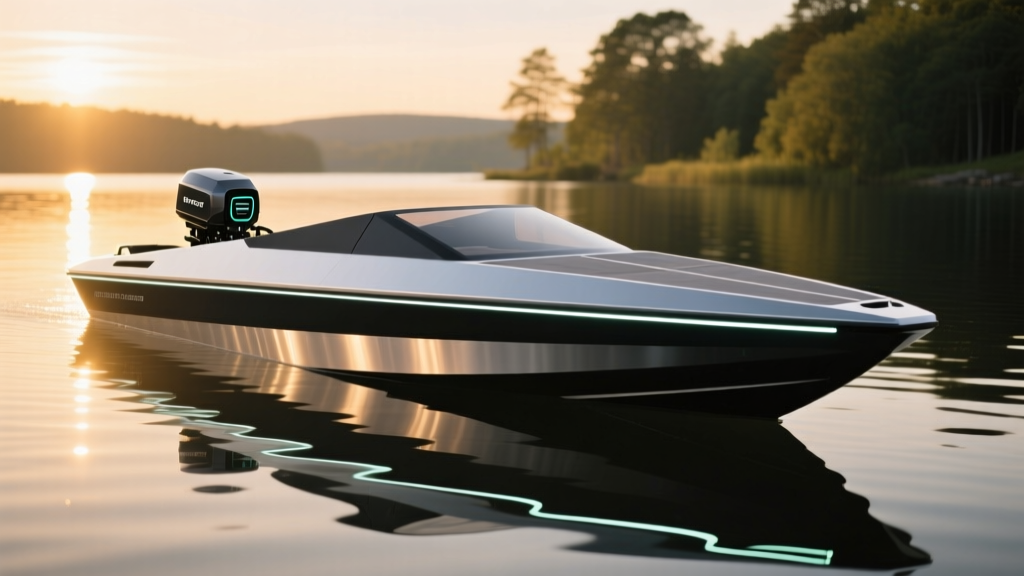
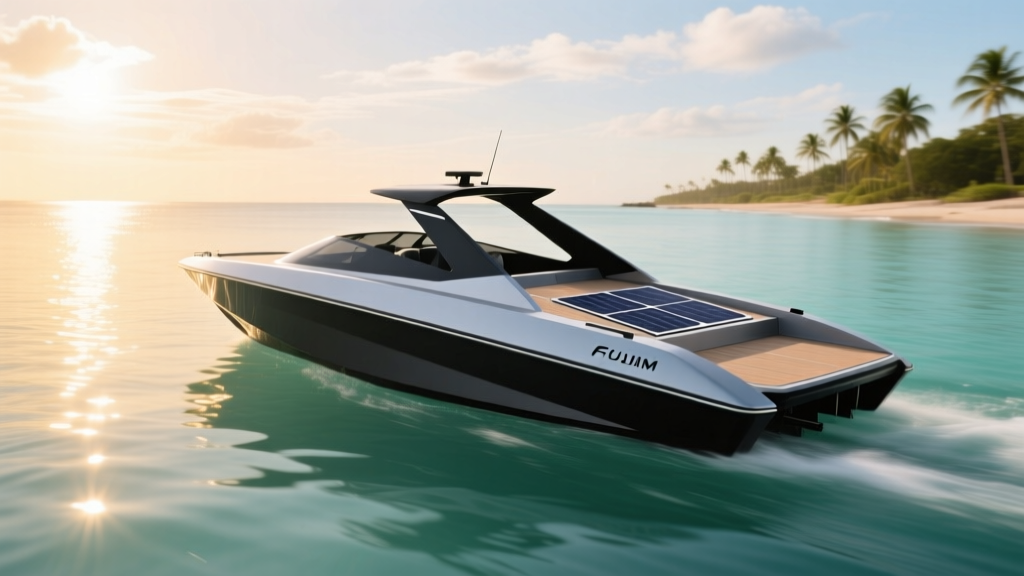
Search "electric jet boat" on Temu and you will find a range of products: inflatable electric surfboards, small electric outboard motors (trolling motors rated 50–150 lbs thrust), personal electric watercraft resembling mini jet skis, and electric-powered kayak conversion kits. Most listings use the term "jet boat" loosely for SEO purposes — these are not impeller-driven jet boats in the marine-engineering sense.
The typical Temu electric watercraft in this category specs out as follows:
| Specification | Typical Temu Listing | Established EV Marine Brand (e.g., Arc One) |
|---|---|---|
| Price | $800–$3,500 | $30,000–$90,000+ |
| Battery Voltage | 48V–72V | 400V–800V architecture |
| Battery Capacity | 2–6 kWh (often unspecified) | 50–200 kWh |
| Battery Chemistry | Generic Li-ion or LiFePO4 (rarely stated) | NMC or LFP with BMS |
| Motor Power | 1–5 kW | 50–400 kW |
| Runtime | 20–60 minutes | 2–6+ hours |
| Top Speed | 10–25 mph | 35–60+ mph |
| Marine Certification | None listed | USCG / NMMA / CE compliant |
| Warranty | 30–90 days (if any) | 3–10 years hull, 5–8 years battery |
The gap is not just about features — it is about safety engineering, battery management systems (BMS), ingress protection (IP ratings for water exposure), and regulatory compliance. A proper marine battery pack must handle saltwater spray, vibration, thermal runaway prevention, and deep-cycle degradation over thousands of charge cycles. Most Temu listings provide none of this documentation.
How Does a Temu Electric Jet Boat Compare to a Gas-Powered Watercraft?
To put these products in context, consider a conventional gas-powered personal watercraft like a 2026 Sea-Doo Spark (starting around $7,500 MSRP) or a small jet boat like a Scarab 195 ($35,000+):
| Factor | Temu Electric Jet Boat ($1,500 avg) | Gas PWC — Sea-Doo Spark (~$7,500) | Established EV Watercraft — Arc One (~$90,000) |
|---|---|---|---|
| Upfront Cost | $800–$3,500 | $7,000–$12,000 | $30,000–$90,000 |
| Fuel/Energy Cost per Hour | $0.15–$0.50 (electricity) | $8–$15 (gasoline at $3.50/gal) | $0.30–$1.00 (electricity) |
| Runtime | 20–60 min | 3–5 hours | 2–6 hours |
| Refuel/Recharge Time | 3–6 hours (standard outlet) | 5 minutes (gas can) | 45 min–2 hours (Level 2 or DC) |
| Maintenance | Minimal (no engine) | Annual: oil, impeller, winterization ($300–$600/yr) | Minimal (no engine) |
| Noise Level | Near silent | 75–85 dB | Near silent |
| Emissions on Water | Zero tailpipe | Direct waterway emissions | Zero tailpipe |
| Safety Certification | None | USCG compliant | USCG / NMMA compliant |
The Temu craft wins on upfront price and near-zero operating cost. It loses decisively on runtime, recharge speed, safety certification, and long-term durability. A gas PWC gives you full-day usability; a certified EV watercraft gives you silent operation with multi-hour range and proper safety systems.
Real-World Ownership: What to Expect If You Buy One
If you are seriously considering a Temu-listed electric jet boat or surfboard, here is the practical ownership picture based on common product patterns in this category:
Battery degradation: Generic lithium-ion packs without a proper BMS (Battery Management System) typically lose 20–30% capacity within 1–2 years of regular use, especially if stored at full charge or exposed to heat. Marine-grade LFP (lithium iron phosphate) packs from established brands retain 80%+ capacity over 3,000+ cycles. Temu sellers rarely specify chemistry or cycle-life data.
Charging reality: Most units charge from a standard 120V household outlet (Level 1 equivalent) at roughly 0.5–1 kW. A 4 kWh battery at 0.8 kW charge rate takes approximately 5 hours from empty. There is no DC fast-charging capability, and the charger included is typically a basic switching power supply with no smart features or preconditioning.
Waterproofing and safety: Legitimate marine electrical systems use IP67 or IP68-rated enclosures, marine-grade tinned copper wiring, and circuit breakers rated for wet environments. Temu products in this price range typically use consumer-grade connectors and enclosures — adequate for calm freshwater splashing, potentially hazardous in rough water or saltwater environments.
Insurance and registration: Most US states require registration of motorized watercraft. An uncertified electric watercraft may not meet your state's registration requirements, and insurers generally will not cover products without marine safety certification. Check with your state's boating authority and your insurer before purchasing.
Cost Breakdown: 3-Year Ownership Estimate
| Cost Category | Temu Electric Jet Boat ($1,500) | Gas PWC — Sea-Doo Spark ($7,500) |
|---|---|---|
| Purchase Price | $1,500 | $7,500 |
| Registration (3 yrs) | $0–$150 (varies by state; may not qualify) | $150–$300 |
| Insurance (3 yrs) | $0 (typically uninsurable) | $900–$1,800 |
| Energy/Fuel (3 yrs, 50 hrs/yr) | $25–$75 | $1,200–$2,250 |
| Maintenance (3 yrs) | $0–$100 | $900–$1,800 |
| Battery Replacement | $300–$800 (likely needed year 2–3) | N/A |
| Trailer | $0–$500 (small cart/dolly) | $1,500–$3,000 |
| Estimated 3-Year Total | $1,825–$3,125 | $12,150–$16,650 |
| Resale Value (after 3 yrs) | $100–$300 | $4,000–$5,500 |
| Net 3-Year Cost | $1,525–$2,825 | $6,650–$12,650 |
The Temu craft is cheaper in absolute dollars, but the value proposition changes when you factor in zero resale value, no insurance protection, no warranty support, and a likely battery replacement. The gas PWC costs more but holds value, is insurable, and has dealer service support.
Note: There is no federal tax credit (IRS §30D) applicable to electric watercraft — the credit applies only to qualified on-road motor vehicles meeting MSRP, income, and battery-sourcing requirements. Some states offer rebates for electric marine equipment, but these typically apply to certified products, not uncertified imports.
Common Misconceptions About Cheap Electric Watercraft
| Myth | Fact |
|---|---|
| "It's basically an electric jet ski" | Real electric PWCs (like the Taiga Orca, ~$17,000) have 20+ kWh batteries, 180+ HP motors, USCG certification, and 2-hour runtimes. A $1,500 Temu craft has 1/10th the power and 1/4th the runtime. |
| "Lithium battery means it's the same tech as a Tesla" | EV-grade NMC or LFP cells with thermal management, cell balancing, and automotive-grade BMS cost $100–$150/kWh. A $1,500 product with a claimed 5 kWh pack would spend most of its budget on the battery alone if it used quality cells — suggesting lower-grade or recycled cells. |
| "No maintenance means no problems" | Electric motors need little maintenance, but cheap batteries degrade fast, connectors corrode in water, and waterproofing seals fail. The most common failure mode for budget electric watercraft is water intrusion into the battery compartment. |
| "I can just replace the battery" | Proprietary battery packs from unknown manufacturers have no guaranteed replacement supply. Once the seller's inventory clears, you may have an unusable hull with no compatible battery source. |
| "It's eco-friendly so it must be well-made" | Zero tailpipe emissions on water is genuinely better than a 2-stroke gas engine. But an uncertified lithium battery that degrades in 1–2 years and ends up in a landfill has its own environmental cost. Properly built LFP marine batteries last 10+ years. |
When Does a Temu Electric Jet Boat Make Sense?
Buy a Temu electric jet boat/surfboard IF:
- You want a casual lake toy for calm, shallow freshwater use
- You understand it is a disposable/recreational product, not a long-term investment
- You will use it fewer than 30 hours per year
- You accept the risk of no warranty, no insurance, and no safety certification
- You have safe, dry storage and a GFCI-protected outlet for charging
- You will never use it in saltwater, rough conditions, or far from shore
Do NOT buy one — invest in a certified product instead IF:
- You need reliable multi-hour runtime for day trips or watersports
- You plan to use it on large lakes, rivers with current, or coastal waters
- You want insurance coverage and registration compliance
- You care about resale value and long-term battery support
- You are carrying passengers (especially children) and need safety assurances
- You want a product that meets US Coast Guard safety requirements
Consider a gas PWC or established EV watercraft IF:
- Your budget is $7,000+ and you want full-day usability
- You value dealer support, warranty, and parts availability
- You need towing power for wakeboarding or tubing
- You boat in variable weather or open water conditions
Better Alternatives at Every Price Point
If you want electric on the water but need more reliability and safety than Temu offers, here are real products with verifiable specs:
Under $5,000 — Electric outboard conversion: Brands like ePropulsion (Spirit 1.0 Plus, ~$2,200) offer 1 kW electric outboards with integrated 1 kWh batteries, IP67 waterproofing, and proper BMS. Mount one on an existing kayak or dinghy for a reliable, quiet electric experience.
$10,000–$20,000 — Electric personal watercraft: The Taiga Orca (~$17,000) delivers 180 HP, a 20 kWh NMC battery, 2-hour runtime at cruising speed, and full USCG certification. This is the electric equivalent of a premium Sea-Doo.
$30,000+ — Electric boats: Companies like X Shore, Candela, and Arc One produce certified electric day boats with 50–200 kWh battery packs, DC fast-charging capability, and multi-hour range. These are serious vessels with proper marine engineering.
Frequently Asked Questions
Is it safe to buy an electric jet boat on Temu?
It carries significant risk. Most Temu-listed electric watercraft lack US Coast Guard certification, marine-grade electrical safety standards, and verifiable battery safety testing. Lithium-ion batteries exposed to water without proper IP-rated enclosures pose fire and shock hazards. If you buy one, use it only in calm, shallow freshwater, stay close to shore, and never charge it indoors unattended.
Can I register a Temu electric jet boat in my state?
Registration requirements vary by state, but most require a Hull Identification Number (HIN) from a certified manufacturer, and many require proof of compliance with USCG safety standards. A product without these may not be legally registrable, which means you could face fines if stopped by marine patrol. Check with your state's boating authority before purchasing.
How long does the battery last on a Temu electric jet boat?
Runtime per charge is typically 20–60 minutes depending on throttle use and battery capacity (usually 2–6 kWh). Long-term battery lifespan for generic lithium-ion packs without proper BMS is typically 300–500 charge cycles before significant capacity loss — roughly 1–3 years of moderate use. Marine-grade LFP batteries last 3,000+ cycles.
Do electric jet boats qualify for the federal EV tax credit?
No. The IRS §30D Clean Vehicle Credit applies only to qualified on-road motor vehicles (cars, trucks, SUVs, motorcycles) that meet specific MSRP caps, buyer income limits, and battery component/critical mineral sourcing requirements. Watercraft of any kind are excluded.
What's the cheapest reliable electric watercraft I can buy?
For a true electric boating experience with safety certification and warranty, expect to spend at minimum $2,000–$5,000 on an electric outboard (ePropulsion, Torqeedo) mounted on a quality hull, or $15,000–$20,000 for a dedicated electric PWC like the Taiga Orca. Below these price points, you are buying uncertified recreational toys, not marine vessels.
Can I use a Temu electric jet boat in saltwater?
It is strongly advised against. Saltwater accelerates corrosion of electrical connections, motor housings, and battery terminals. Budget electric watercraft rarely use marine-grade tinned copper wiring or proper sacrificial anodes. Even a few saltwater uses can cause irreversible corrosion that leads to electrical failure or short circuits.