Quick Answer: Electric Jet Boats Aren't Part of the EV Market
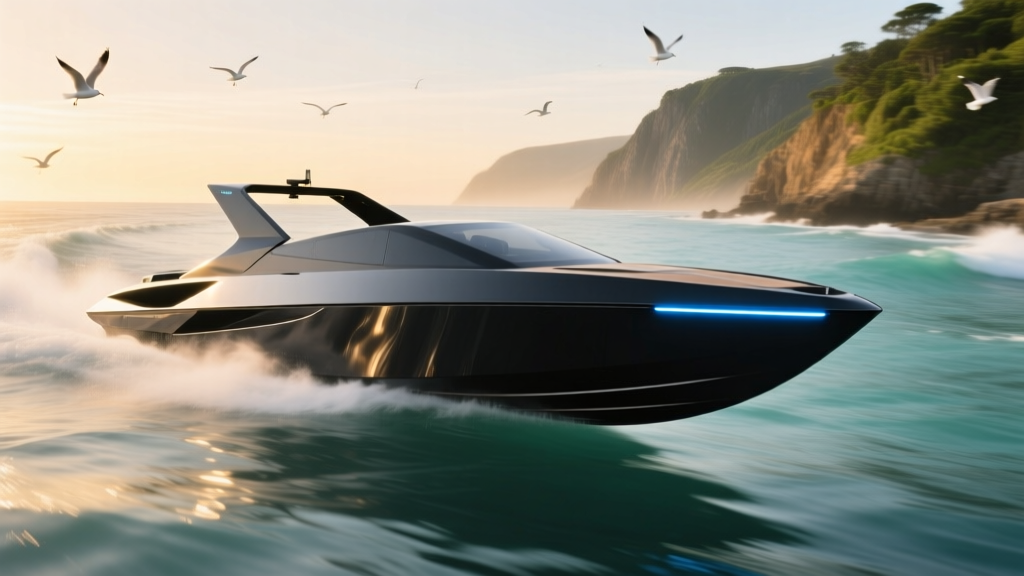
If you're searching for an electric jet boat for sale, you've likely landed on autoedgeview.com expecting electric-vehicle expertise. Here's the direct truth: electric jet boats fall entirely outside the automotive EV ecosystem. They use different battery chemistries (often marine-grade lithium titanate or custom NMC packs), different charging standards (shore power or proprietary marine connectors), and different regulatory frameworks (U.S. Coast Guard certification, not EPA or NHTSA). As of 2026, only a handful of companies like Rand Sea & Sun and Navier offer small electric watercraft, typically priced between $35,000 and $120,000, with ranges of 20–45 miles at cruising speed.
Our recommendation: If you're drawn to electric propulsion because you care about efficiency, low operating costs, and zero tailpipe emissions, redirect that budget toward a proven electric car, SUV, or truck. The technology, infrastructure, and ownership economics are vastly more mature on land. Below, we'll show you exactly where to invest that money instead.
Why Electric Watercraft Tech Lags Behind Electric Cars
Electric propulsion on water faces physics challenges that automakers solved years ago for road vehicles. Water creates 800 times more drag than air at equivalent speeds, meaning an electric jet boat needs enormous battery capacity just to achieve modest range. Consider the numbers:
- Typical electric jet boat battery: 40–80 kWh (similar to a compact EV)
- Typical range at 25 mph: 25–40 miles before needing a recharge
- Recharge time on standard shore power (3.3 kW): 12–24 hours
- DC fast charging availability: Virtually nonexistent at marinas
Compare that to a 2026 Hyundai Ioniq 5, which offers a 92 kWh battery pack, an EPA-estimated 320 miles of range, and can charge from 10% to 80% in approximately 18 minutes at a 350 kW DC fast charger. The infrastructure gap is enormous: there are over 65,000 public EV charging stations in the U.S. (according to the Alternative Fuels Data Center) versus fewer than 500 public marine charging points nationwide.
Where That Electric Jet Boat Budget Goes Further: 2026 EV Options
Let's say you've allocated $50,000–$80,000 for an electric jet boat. Here's what that same budget buys you in the 2026 electric vehicle market, where you'll actually benefit from established charging infrastructure, federal tax incentives, and proven long-term reliability.
| Vehicle | Type | EPA Range | Battery | 10–80% DC Charge | MSRP (2026) |
|---|---|---|---|---|---|
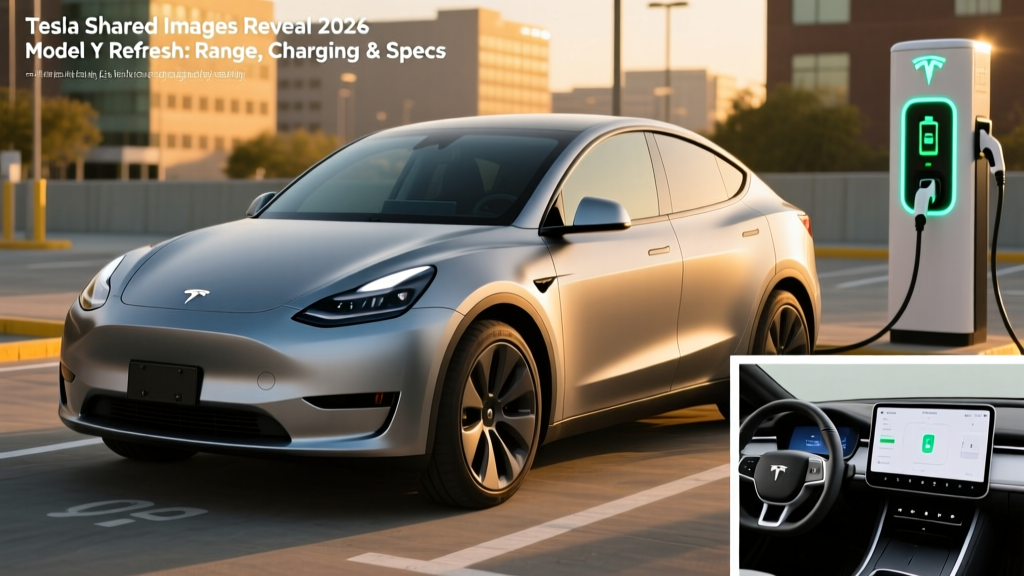
| Tesla Model Y Long Range | BEV SUV | 320 mi | 75 kWh (NMC) | ~25 min (250 kW) | $44,990 |
| Ford F-150 Lightning XLT | BEV Truck | 240 mi | 98 kWh (NMC) | ~35 min (150 kW) | $54,995 |
| Hyundai Ioniq 5 Limited | BEV Crossover | 305 mi | 84 kWh (NMC) | ~18 min (350 kW) | $52,600 |
| Toyota RAV4 Plug-in Hybrid | PHEV SUV | 42 mi electric + 38 mpg | 18.1 kWh (NMC) | Level 2: ~2.5 hrs | $43,690 |
| Typical Electric Jet Boat | Marine | 25–40 mi | 40–80 kWh | 12–24 hrs (shore) | $50,000–$120,000 |
The contrast is stark. For less money than a mid-range electric jet boat, you can purchase a full-size electric truck with 240 miles of EPA range, access to over 65,000 public chargers, and eligibility for up to $7,500 in federal tax credits under IRS §30D (subject to MSRP caps, income limits, and battery sourcing requirements — consult a tax professional for your specific eligibility).
Real Ownership Costs: Electric Vehicle vs. Gas vs. Electric Boat
One of the strongest arguments for electric vehicles is total cost of ownership. Let's break down five-year costs for a typical driver covering 12,000 miles per year, compared to what owning an electric jet boat actually looks like.
| Cost Category | 2026 Tesla Model Y LR | 2026 Toyota Camry (Gas) | Electric Jet Boat (~$65K) |
|---|---|---|---|
| Purchase Price | $44,990 | $28,990 | $65,000 |
| Federal Tax Credit | Up to $7,500* | $0 | $0 (marine, not §30D eligible) |
| Fuel/Energy (5 yrs) | $3,750 (home charging)** | $8,400 | $600 (electricity) + $0 fuel |
| Maintenance (5 yrs) | $1,800 | $3,500 | $4,500 (marine service, winterization, hull) |
| Insurance (5 yrs) | $9,000 | $6,000 | $7,500 (specialty marine policy) |
| Storage/Dock (5 yrs) | $0 | $0 | $12,000 ($200/mo marina slip) |
| 5-Year Total | ~$52,040 | ~$46,890 | ~$89,600 |
*Tax credit eligibility depends on MSRP caps ($55,000 for SUVs), modified adjusted gross income limits ($150K single / $300K joint), and battery critical-mineral sourcing rules per IRS §30D. **Assumes $0.13/kWh national average, 4 mi/kWh efficiency.
The electric jet boat costs nearly $38,000 more over five years than a Tesla Model Y, and that's before accounting for the boat's negligible range and lack of daily utility. Even compared to a gas-powered Camry, the EV wins on fuel and maintenance savings while offering dramatically more practical transportation.
Common Misconceptions About Electric Propulsion on Water
Several myths drive interest in electric jet boats. Let's address them with facts.
| Myth | Fact |
|---|---|
| "Electric boats qualify for the $7,500 EV tax credit." | IRS §30D applies only to qualified motor vehicles for use on public roads. Marine vessels do not qualify. Some states offer separate marine electrification grants, but these are limited and jurisdiction-specific. |
| "Electric jet boats are silent and emission-free." | They are quieter at low speeds and produce no direct exhaust. However, the electricity powering them likely comes from a mixed grid that includes fossil fuels. The same is true for EVs, but EVs charge on an increasingly clean grid and benefit from regenerative efficiency gains that boats cannot achieve. |
| "Marine charging infrastructure is growing fast." | Public dockside charging remains extremely limited. Most electric boat owners must install dedicated 240V shore-power systems at private docks, which can cost $3,000–$8,000 for marine-grade electrical work — far more than a typical home Level 2 EV charger installation ($800–$2,500). |
| "Electric boats hold their value like EVs." | Electric watercraft suffer steep depreciation due to limited buyer pools, rapid battery degradation in marine environments (saltwater exposure, thermal cycling), and lack of standardized battery health reporting. Most lose 40–55% of value in three years. |
Decision Framework: Should You Buy Electric — Car, Truck, or Boat?
Choose a Road-Going EV If:
- You need reliable daily transportation with 200+ miles of real-world range
- You have access to home Level 2 charging (a standard 240V outlet or dedicated wallbox)
- You want to benefit from federal tax credits up to $7,500 (check IRS eligibility rules)
- You drive 10,000–15,000 miles per year and want lower per-mile energy costs ($0.04/mile electric vs. $0.14/mile gas)
- You value access to 65,000+ public charging stations for road trips
Choose a PHEV If:
- You want 30–45 miles of electric-only range for commuting but need gas flexibility for long trips
- You live in an area with limited public charging infrastructure
- You're not ready to commit to a fully electric vehicle but want meaningful fuel savings
Consider an Electric Boat Only If:
- You already own a reliable primary vehicle and have discretionary budget for recreational watercraft
- You boat exclusively on small lakes or calm waterways within 20 miles of your dock
- You have private dock access with the ability to install 240V marine shore power
- You understand that marine battery replacement costs $15,000–$30,000 and may be needed within 8–12 years
- You accept that this is a luxury recreational purchase, not a practical transportation investment
What First-Time EV Buyers Should Know (On Land)
If the idea of electric propulsion excites you and you're ready to make a practical purchase, here's what matters most for your first EV:
1. Home charging is non-negotiable for convenience. A Level 2 home charger (240V, 7–11 kW) adds 25–40 miles of range per hour of charging. Expect to pay $800–$2,500 for a quality unit plus professional installation by a licensed electrician. If your electrical panel needs an upgrade to 200A, add $1,500–$3,500. This is your single biggest ownership advantage — waking up to a "full tank" every morning.
2. Real-world range is 15–30% below the EPA sticker. A vehicle rated at 320 miles EPA will typically deliver 250–270 miles in mixed highway driving, and potentially 200–220 miles in freezing weather. Cold temperatures reduce battery efficiency and increase cabin heating demands. Plan your road trips around 200-mile charging segments, not the full rated range.
3. DC fast charging speed matters more than peak kW claims. A vehicle advertising 250 kW peak charging may only sustain that rate for 3–5 minutes before tapering. Look for 10–80% charge times (not peak kW numbers) as the real metric. The Hyundai Ioniq 5's ~18-minute 10–80% time at a 350 kW charger is among the fastest available; the Ford F-150 Lightning takes closer to 35 minutes at a 150 kW station.
4. Battery degradation is manageable but real. Modern NMC and LFP batteries typically lose 8–15% capacity over 8 years / 100,000 miles. Federal law mandates an 8-year / 100,000-mile battery warranty (10 years / 150,000 miles in CARB states) covering defects and excessive degradation below 70% capacity. Per fueleconomy.gov, most EVs retain 90%+ battery health at 100,000 miles under normal use.
5. Insurance costs 15–25% more than equivalent gas vehicles. EVs have higher repair costs due to specialized high-voltage components and aluminum-intensive construction. Get quotes before purchasing — the premium difference can add $1,000–$2,000 per year depending on your profile and state.
Frequently Asked Questions
Are there any electric jet boats currently for sale in 2026?
A small number exist. Companies like Rand Sea & Sun, Navier, and a few boutique builders offer electric watercraft, typically in the $35,000–$120,000 range with 20–45 miles of range. However, availability is limited, dealer networks are sparse, and these products fall outside automotive EV regulations, tax incentives, and safety standards. They are marine products, not electric vehicles in the automotive sense.
Can I use my home EV charger to charge an electric boat?
No. Electric boats use marine-specific connectors (typically shore-power configurations like Marinco or custom proprietary plugs) and require marine-grade GFCI protection and corrosion-resistant wiring. A standard NACS, CCS, or J1772 EV charger is physically and electrically incompatible with marine battery systems. You would need a separate dockside electrical installation performed by a marine electrician.
Do electric boats qualify for any tax credits or incentives?
Not under the federal IRS §30D Clean Vehicle Credit, which applies exclusively to road-going motor vehicles. Some states and local air-quality districts offer grants for marine electrification (California's CARB has funded zero-emission marine projects, for example), but these are competitive, limited, and jurisdiction-specific. Check your state's environmental agency for current programs. Always consult a tax professional for personalized guidance.
What's the best electric vehicle under $50,000 in 2026?
The Tesla Model Y Long Range ($44,990, 320 mi EPA), Hyundai Ioniq 5 SE ($42,600, 305 mi EPA), and Chevrolet Equinox EV 3RS ($43,400, 315 mi EPA) are the strongest contenders. Each offers DC fast charging above 150 kW, access to major public charging networks, and potential eligibility for the §30D tax credit (subject to income and sourcing rules). The best choice depends on your priorities: the Model Y leads in charging network access, the Ioniq 5 in charge speed, and the Equinox EV in interior space.
Is an electric boat a good investment compared to an electric car?
From a pure financial and practicality standpoint, no. An electric car serves a daily transportation need, benefits from mature infrastructure, qualifies for tax incentives, and retains value more predictably. An electric boat is a recreational luxury with high operating costs, limited range, negligible charging infrastructure, and steep depreciation. If you can only afford one electric purchase, the car delivers exponentially more value per dollar.
Bottom Line: If you searched for "electric jet boat for sale" and landed here, take it as a sign to explore the far more mature, practical, and financially rewarding world of electric vehicles. The technology that makes EVs compelling — fast charging, long range, low operating costs, and federal incentives — simply doesn't translate to watercraft yet. Put that budget into a 2026 EV and enjoy electric propulsion where it actually works brilliantly: on the road, every day.