Quick Answer: Are Electric Jet Boat Engines Worth It?
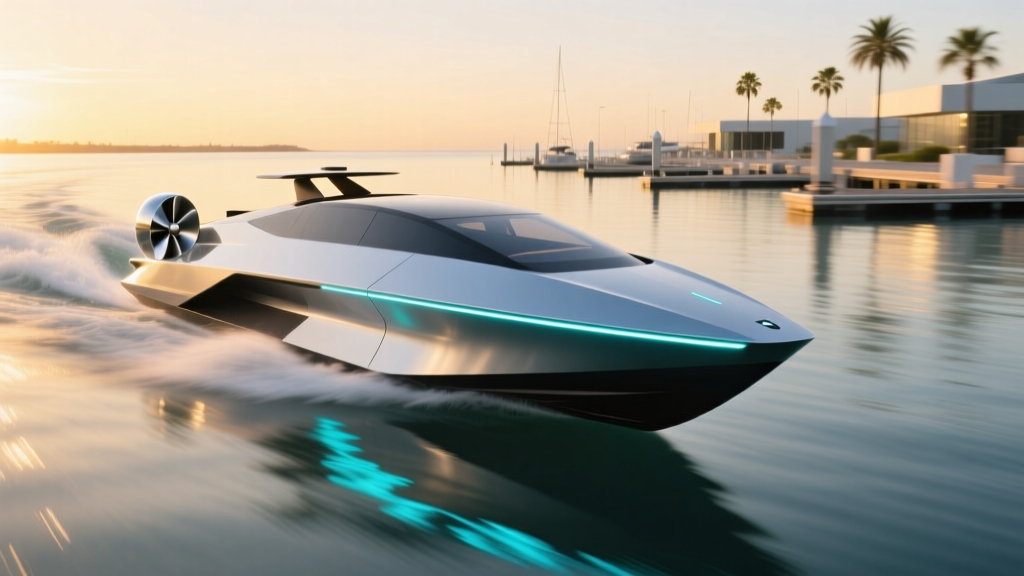
Electric jet boat engines are battery-powered marine propulsion systems that use an electric motor to drive a waterjet pump instead of a traditional propeller. As of 2026, production models from companies like Flux Marine, Navier, and Evoy deliver between 100 and 400 equivalent horsepower with battery packs ranging from 40 kWh to 120 kWh, yielding real-world run times of roughly 1 to 3 hours at cruising speed. Pricing starts around $35,000 for a complete powertrain package and can exceed $120,000 for high-performance setups. They make the most sense for lake-based day boaters with access to shore power or Level 2 marine charging docks, and they are not yet a practical replacement for offshore or long-distance gas inboards.
At AutoEdgeView, our core focus is electric cars, trucks, and SUVs. But the electrification wave has reached the dock, and readers are asking about the electric jet boat engine — a niche but rapidly evolving segment. This guide borrows the same analytical framework we use for EVs: exact specs, real-world run-time expectations, honest cost comparisons, and clear-eyed limitations. If you're considering electrifying your boat or buying a new electric jet-powered craft, here's what the numbers actually look like in 2026.
How Electric Jet Boat Engines Work (and How They Differ From Gas)
A jet boat uses a high-output waterjet pump rather than an exposed propeller to generate thrust. Water is drawn through an intake grate beneath the hull, accelerated by an impeller, and expelled through a steerable nozzle at the stern. This design offers shallow-water capability, quick acceleration, and reduced snag risk — which is why jet drives dominate personal watercraft (PWCs like Sea-Doo and Yamaha WaveRunner) and performance sport boats.
In an electric jet boat engine, a high-torque electric motor replaces the gasoline or diesel inboard. The motor is typically a permanent-magnet synchronous unit (similar to those in Tesla, Rivian, and Hyundai EVs) paired with a reduction gear or direct-drive coupling to the jet pump impeller. Energy comes from a lithium-ion battery bank — usually NMC (nickel manganese cobalt) chemistry for its higher energy density, though some builders are exploring LFP (lithium iron phosphate) for its longer cycle life and thermal stability.
Key differences from a gas inboard jet drive:
- Instant torque: Electric motors deliver peak torque at zero RPM, meaning hard acceleration off the line without the need to rev up.
- No exhaust: Zero tailpipe emissions — critical for enclosed lake environments and no-wake zones.
- Fewer moving parts: No oil changes, no spark plugs, no fuel filters, no winterization of a combustion system.
- Silence: At cruising speeds, an electric jet boat produces a fraction of the noise of a comparable gas V8, often under 65 dB at the helm versus 85-95 dB for a gas equivalent.
2026 Electric Jet Boat Engine Specs: What's Available Now
The market is still small compared to electric cars, but several manufacturers have production or near-production offerings. Here's a snapshot of representative systems:
| Manufacturer | Motor Output | Battery Capacity | Est. Cruise Run Time | Charge Time (Level 2, 240V) | Approx. Price (Powertrain) |
|---|---|---|---|---|---|
| Flux Marine 100 | 100 kW (~135 HP eq.) | 40 kWh NMC | ~1.5–2 hrs at 20 mph | ~4–5 hours | $35,000–$45,000 |
| Flux Marine 150 | 150 kW (~200 HP eq.) | 60 kWh NMC | ~1–1.5 hrs at 25 mph | ~6–7 hours | $55,000–$70,000 |
| Evoy 120+ (Norway) | 120 kW (~160 HP eq.) | 60–120 kWh | ~2–3 hrs at cruise | ~6–10 hours | $65,000–$95,000 |
| Navier P30 (electric hull) | Integrated dual motor | ~80 kWh | ~2 hrs cruise / hydrofoil-assisted | ~8 hours | $150,000+ (complete vessel) |
Notes: Run times vary dramatically with speed, hull design, payload, and water conditions. Prices are approximate and may not include installation labor. Source: manufacturer spec sheets and dealer listings as of early 2026.
Electric Jet Boat vs. Gas Inboard: The Real Cost Comparison
The upfront cost of an electric jet boat powertrain is significantly higher than a comparable gas inboard. A 200 HP gas jet inboard (e.g., a Yamaha SVHO or a Mercury SportJet) typically runs $15,000–$25,000 installed. The electric equivalent costs $55,000–$95,000. That's a $30,000–$70,000 premium before you even launch.
But ownership costs tell a more nuanced story over five years:
| Cost Category | Gas Jet Inboard (200 HP) | Electric Jet Boat Engine (~200 HP eq.) |
|---|---|---|
| Purchase & Install | $18,000–$25,000 | $55,000–$70,000 |
| Fuel/Energy (100 hrs/yr × 5 yrs) | ~$7,500–$10,000 (premium gas at $4.50/gal, ~15 GPH) | ~$1,500–$3,000 (electricity at $0.15/kWh, ~60 kWh per session) |
| Maintenance (5 yrs) | ~$3,000–$5,000 (oil, impeller, spark plugs, winterization) | ~$500–$1,000 (coolant check, impeller inspection, no engine winterization) |
| 5-Year Total | ~$28,500–$40,000 | ~$57,000–$74,000 |
The electric setup still costs more over five years, primarily because the battery pack is a large upfront capital expense. The breakeven point for most recreational boaters (50–100 hours per year) is typically 10+ years — and that's before factoring in battery degradation or replacement.
However, for commercial operators (ferry services, eco-tours, rental fleets running 500+ hours annually), the math flips. High utilization means fuel savings compound quickly, and the simpler maintenance schedule reduces downtime. Some European tour operators report breakeven within 4–5 years.
Range, Run Time, and the Cold-Water Reality
This is the single biggest limitation of electric jet boats, and it deserves honest treatment.
A 60 kWh battery pack in a 20-foot jet boat will deliver roughly:
- 2.5–3 hours at light cruise (10–15 mph, flat water, minimal load)
- 1–1.5 hours at moderate cruise (20–25 mph)
- 30–45 minutes at wide-open throttle or heavy tow-sport use
Compare that to a gas jet inboard with a 25-gallon tank at 15 GPH: roughly 1.5 hours at WOT, or 4–6 hours at cruise. Gas still wins on raw endurance, and refueling takes 5 minutes at any marina.
Cold-water and cold-weather impact: Just as EVs lose 20–30% of range in freezing temperatures, lithium-ion boat batteries lose efficiency in cold water (below 45°F / 7°C). Expect 15–25% reduced run time in early-spring or late-fall conditions unless the system includes active battery thermal management. Most 2026 marine systems do include heating loops, but they draw from the same battery pack, further reducing available propulsion energy.
Charging infrastructure is the other bottleneck. Unlike electric cars with a growing DC fast-charging network, marinas with high-power shore charging are rare. Most electric boat owners charge at home or at their dock using a 240V Level 2 connection (similar to a home EV charger, typically 7–19 kW). A full recharge from empty takes 4–10 hours depending on battery size. DC fast marine chargers (50+ kW) exist at a handful of forward-thinking marinas in Scandinavia, the Pacific Northwest, and parts of the Northeast US, but they are far from ubiquitous.
Common Misconceptions About Electric Jet Boat Engines
| Myth | Fact |
|---|---|
| "Electric boats are slow." | Modern electric jet drives can push a 20-foot hull to 40–50+ mph. Instant torque gives excellent hole-shot acceleration. Top speed is competitive with mid-range gas inboards, though not with supercharged 300+ HP gas setups. |
| "The battery will need replacing every few years." | Marine-grade NMC packs are rated for 1,500–3,000 full charge cycles before reaching 80% state of health (SoH). At 100 sessions per year, that's 15–30 years to 80% capacity. LFP packs may exceed 5,000 cycles. Replacement cost for a 60 kWh pack currently runs $15,000–$25,000, but prices are declining. |
| "You can't use an electric boat for watersports." | You can, but run time drops sharply under tow load. Wakeboarding or tubing at 20–25 mph with ballast will drain a 60 kWh pack in roughly 45–60 minutes. It's viable for short sessions, not all-day tow-sport use. |
| "Electric boats qualify for the $7,500 federal EV tax credit." | The IRS §30D Clean Vehicle Credit applies to qualified on-road vehicles (cars, trucks, SUVs, vans). Boats do not qualify. Some states offer separate marine electrification incentives — check your state energy office. |
| "Electric jet boats are completely maintenance-free." | The electric motor requires minimal maintenance, but the jet pump still needs impeller inspections, bearing checks, and debris clearing. The battery management system (BMS) needs periodic diagnostics. Hull maintenance (gel coat, antifouling) remains unchanged. |
Real-World Ownership: Who Should (and Shouldn't) Buy Electric
Electric jet boat ownership works best when your boating profile matches the technology's strengths. Here's a practical decision framework:
Choose an Electric Jet Boat Engine If:
- You boat primarily on a lake or calm inland waterway with predictable trip lengths under 2 hours.
- You have reliable shore power access — a 240V outlet at your dock, or the ability to install one (expect $1,500–$4,000 for a marine-rated 50-amp circuit, depending on distance from your panel).
- You value silence and zero exhaust — especially relevant for swimming areas, no-wake zones, and environmentally sensitive waterways.
- You're a commercial operator with high annual hours where fuel savings offset the upfront premium within 5 years.
- You want minimal engine maintenance and are willing to accept the trade-off of limited range.
Stick With a Gas Inboard If:
- You regularly run 3+ hours per outing or boat on large bodies of water where range matters for safety.
- You trailer your boat to different locations and can't guarantee charging infrastructure at every destination.
- You use your boat for all-day tow sports (wakeboarding, waterskiing) that demand sustained high-power output.
- Your budget doesn't accommodate a $55,000+ powertrain and you boat fewer than 100 hours per year.
- You operate in saltwater environments where the long-term corrosion behavior of high-voltage marine battery systems is still being validated.
Charging Setup: What You Need at the Dock
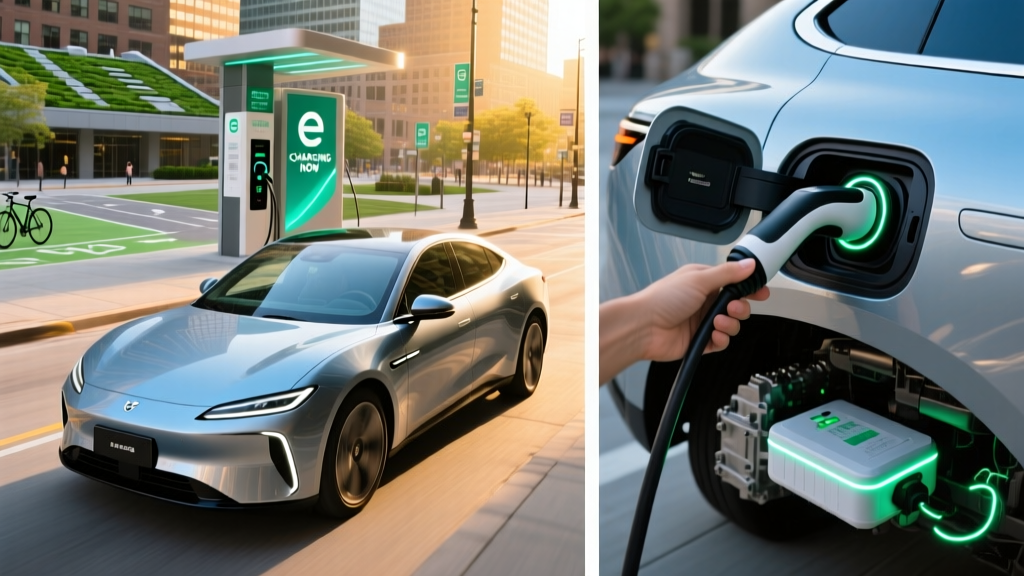
Charging an electric jet boat at your dock is conceptually identical to charging an EV at home, with some marine-specific considerations:
| Charging Level | Power (kW) | Typical Source | Time to Full (60 kWh) | Infrastructure Cost |
|---|---|---|---|---|
| Level 1 (120V) | 1.2–1.8 kW | Standard outlet | 35–50 hours | $0 (included cord) |
| Level 2 (240V) | 7–19 kW | Dock-mounted marine charger or EV-style pedestal | 4–8 hours | $1,500–$4,000 (electrician + equipment) |
| DC Fast (marine) | 40–80 kW | Commercial marina DC station | ~45–90 min (10–80%) | Rare; $20,000+ per station install |
Critical note: All marine electrical work should be performed by a licensed electrician familiar with ABYC (American Boat & Yacht Council) standards. Saltwater environments, GFCI requirements, and bonding/grounding protocols make marine electrical installations significantly more complex than a home EV charger. Budget for a marine electrician, not just a residential one.
Frequently Asked Questions
Can I retrofit my existing gas jet boat with an electric engine?
Yes, several companies offer repower kits. The conversion typically costs $40,000–$80,000 including batteries, motor, controller, and labor. The hull must be evaluated for the weight distribution change (battery packs are heavy and low-slung, which can actually improve stability). Expect 4–8 weeks of yard time for a professional conversion.
How long do electric boat batteries last before replacement?
Marine-grade lithium-ion packs are rated for 1,500–3,000 cycles to 80% state of health. At typical recreational use (50–100 outings per year), that translates to 15–30 years before you'd notice significant capacity loss. Full replacement of a 60 kWh pack currently costs $15,000–$25,000, though battery pricing continues to decline year over year.
Are electric jet boats safe in saltwater?
Modern systems use sealed, IP67-rated battery enclosures and marine-grade corrosion protection. Companies like Evoy (Norway) have been running electric boats in North Sea saltwater conditions for years. However, the long-term (10+ year) data on saltwater exposure for high-voltage marine systems is still being accumulated. Freshwater and brackish environments have more established track records.
What happens if I run out of battery on the water?
Unlike a gas boat that can be refueled from a jerry can in minutes, a depleted electric boat requires a tow back to a charging source or a lengthy wait for a portable generator/charger. Most reputable builders program a hard reserve (typically 10–15% SoC) that limits speed to get you home. Always plan trips with a 25–30% battery buffer, just as you would plan EV road trips with a charging margin.
Do electric jet boats have regenerative braking?
Not in the traditional sense. Water creates constant drag on the hull, so there's no "coasting" scenario like an EV decelerating on a road. Some systems can recapture small amounts of energy when the boat slows or when the jet pump is used as a turbine under sail/drift conditions, but the contribution is negligible — typically less than 2–3% of total energy consumption.
Are there any tax incentives for electric boats?
The federal §30D Clean Vehicle Credit does not apply to boats. However, some states and local utility districts offer rebates for marine electrification — California's CARB programs and certain Pacific Northwest utilities have included marine EV incentives. Commercial operators may also qualify for federal accelerated depreciation (Section 179) or clean-energy business credits. Consult a tax professional for your specific situation.
The Bottom Line for 2026
Electric jet boat engines are a legitimate, if niche, propulsion option that mirrors the early-adopter phase of electric cars circa 2015–2018. The technology works well, the performance is real, and the ownership experience is excellent — if your use case aligns with the range and charging constraints. For lake-based day boaters with dock power, an electric jet drive offers unmatched silence, instant acceleration, and near-zero engine maintenance. For offshore, long-range, or high-utilization tow-sport use, gas inboards remain the pragmatic choice.
As battery energy density improves and marine DC fast-charging infrastructure expands — much as the EV Supercharger and Electrify America networks did for cars — the practical gap will narrow. For now, buy electric if your profile fits, and buy gas if it doesn't. There's no shame in either choice; there's only bad planning.