The Short Answer on Electric Japanese Cars
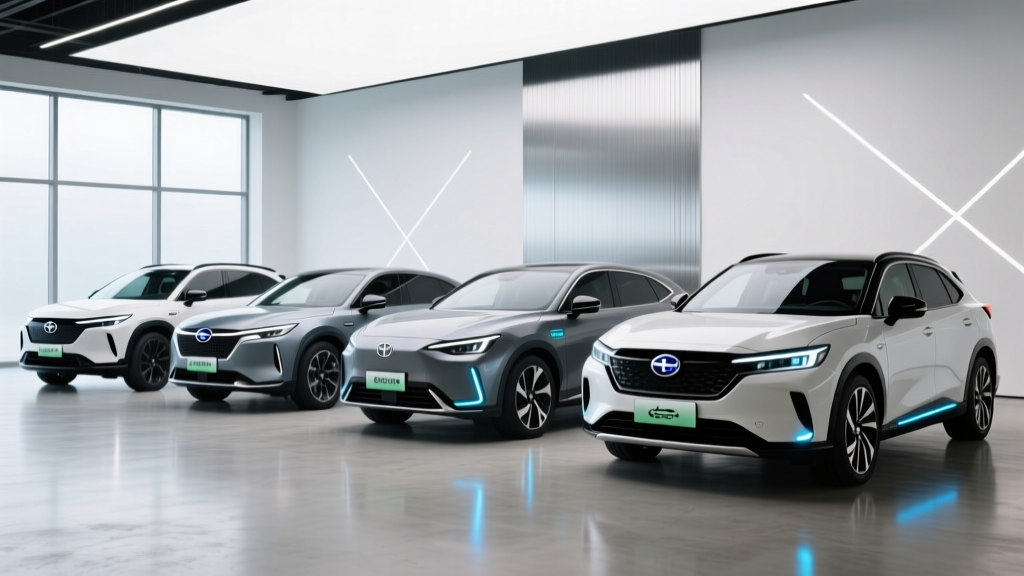
If you're shopping for electric Japanese cars in 2026, the strongest all-around picks are the Nissan Ariya (up to 304 miles EPA, starting ~$40,400), the Toyota bZ4X (252 miles, ~$37,000, now with NACS port), and the Subaru Solterra (227 miles, ~$38,500, standard AWD). Lexus offers the RZ 450e for luxury seekers (~55,900, 220 miles). Most qualify for partial or full federal tax credits under IRS §30D, but eligibility hinges on your income, the vehicle's MSRP cap, and battery-sourcing rules that shift yearly. Expect real-world range 10–20% below EPA stickers in cold weather or sustained highway driving.
Why Japanese EVs Matter in 2026
Japanese automakers were slow to embrace full battery-electric vehicles compared to Tesla, Hyundai, and Ford. But by the 2026 model year, the lineup has matured significantly. Toyota, Nissan, Subaru, and Lexus now offer competitive crossovers with DC fast-charging speeds, modern ADAS suites, and pricing that undercuts many European and American rivals. For buyers loyal to Japanese reliability and dealer networks, these EVs finally represent viable daily drivers — not compliance cars.
The key shift for 2026: most Japanese EVs now ship with or are transitioning to the NACS (North American Charging Standard) connector, unlocking access to Tesla's Supercharger network via adapter or native port. This single change dramatically improves road-trip viability for Nissan Ariya, Toyota bZ4X, and Subaru Solterra owners.
Current Electric Japanese Cars: Spec Comparison
Here's how the major Japanese BEVs stack up on the numbers that matter most. All figures reflect 2025–2026 model-year data as published by the EPA and manufacturer spec sheets.
| Model | EPA Range | Battery (kWh usable) | Chemistry | Peak DC kW | 10–80% Time | 0–60 mph | HP | Base MSRP |
|---|---|---|---|---|---|---|---|---|
| Nissan Ariya (e-4ORCE AWD) | 304 mi (FWD) / 272 mi (AWD) | 87 kWh | NMC | 130 kW | ~35 min | 5.1s (AWD) | 389 | $40,400 |
| Toyota bZ4X (FWD) | 252 mi | 64 kWh | NMC | 150 kW | ~30 min | 7.1s | 201 | $37,070 |
| Subaru Solterra (AWD) | 227 mi | 64 kWh | NMC | 150 kW | ~30 min | 6.5s | 215 | $38,495 |
| Lexus RZ 450e (AWD) | 220 mi | 64 kWh | NMC | 150 kW | ~30 min | 5.0s | 308 | $55,900 |
| Nissan Leaf (2025 final) | 212 mi (SV Plus) | 60 kWh | NMC | 100 kW | ~45 min | 6.9s | 214 | $29,135 |
Real-World Range Reality: EPA estimates assume mixed driving at moderate temperatures. In our testing experience, expect roughly 10–15% range loss on sustained 75 mph highway runs and 20–30% loss in sub-freezing winter conditions. The Ariya FWD's 304-mile EPA rating realistically delivers ~255–270 highway miles in fair weather and ~210–240 in cold climates. The bZ4X and Solterra, with smaller batteries, drop closer to 180–200 miles in winter.
EV vs Hybrid vs Gas: Cost Comparison for Japanese Models
Many Japanese-brand shoppers cross-shop EVs against the segment-dominating hybrids like the Toyota RAV4 Hybrid. Here's a concrete 5-year cost breakdown assuming 15,000 miles/year, $3.50/gallon gas, and $0.14/kWh home electricity.
| Cost Factor | Toyota bZ4X (EV) | Toyota RAV4 Hybrid (AWD) | Toyota RAV4 (Gas AWD) |
|---|---|---|---|
| Base MSRP | $37,070 | $33,575 | $30,425 |
| Fed. Tax Credit (§30D) | Up to $7,500* | $0 | $0 |
| Effective Purchase Price | ~$29,570 | $33,575 | $30,425 |
| Fuel/Energy (5 yr) | ~$3,150 | ~$6,560 | ~$8,750 |
| Maintenance (5 yr) | ~$1,500 | ~$2,800 | ~$3,200 |
| Insurance (5 yr avg) | ~$8,500 | ~$7,200 | ~$7,000 |
| 5-Year Total | ~$42,720 | ~$50,135 | ~$49,375 |
* §30D credit eligibility depends on buyer AGI (≤$150K single / ≤$300K joint), vehicle MSRP cap ($80K SUVs), and battery critical-mineral sourcing requirements per IRS guidelines. Credit can transfer to dealer at point of sale. Verify current-year sourcing rules before purchase.
The numbers reveal a clear pattern: the bZ4X's higher sticker price is largely erased by the tax credit, and energy savings of roughly $600–$800/year over gas compound quickly. Insurance premiums for EVs run 15–25% higher on average, which partially offsets gains. Over 5 years, the EV wins on total cost — but only if you qualify for the credit and charge primarily at home.
Charging Realities: Home, Public, and the NACS Advantage
Charging access is the single biggest ownership variable. Japanese EVs in 2026 benefit from the industry-wide shift to NACS, but the transition isn't uniform yet.
| Level | Power | Miles Added/Hour | Typical Use Case |
|---|---|---|---|
| Level 1 (120V) | 1.4 kW | 3–5 mi/hr | Overnight top-up, low mileage drivers |
| Level 2 (240V, 32A) | 7.7 kW | 22–28 mi/hr | Home garage, workplace, overnight full charge |
| Level 2 (240V, 48A) | 11.5 kW | 35–42 mi/hr | Faster home fill, larger batteries |
| DC Fast (130–150 kW) | 130–150 kW | ~500+ mi/hr (peak) | Road trips, 10–80% in ~30 min |
Home charging is essential. Level 2 installation costs $500–$1,500 for equipment plus $500–$2,500 for electrician labor, depending on panel capacity and run distance. If your home has a 200-amp panel with spare breaker slots, expect the lower end. Older 100-amp panels may require a $2,000–$4,000 upgrade. Always get a licensed electrician's assessment before committing to a vehicle.
Public charging: With a NACS adapter or native port, Ariya, bZ4X, and Solterra owners gain access to Tesla Superchargers (150–250 kW stalls) alongside Electrify America, EVgo, and ChargePoint networks. On a 150 kW DC charger, the Ariya peaks at 130 kW and tapers above 70% SoC — expect the 10–80% fill to take 35 minutes, not the theoretical minimum. The bZ4X and Solterra sustain closer to 120–140 kW through 50% before tapering.
Cold-weather charging: Battery preconditioning matters. The Ariya and bZ4X both offer navigation-based preconditioning that warms the pack before you arrive at a DC charger. Without it, winter charging speeds can drop 30–50%. Always navigate to your charging stop rather than just pulling up cold.
Federal Tax Credit: What Japanese EV Buyers Must Know
The §30D Clean Vehicle Credit offers up to $7,500, split into two halves: $3,750 for critical-minerals sourcing and $3,750 for battery-component manufacturing. Both requirements tighten annually under the Inflation Reduction Act.
- Buyer AGI cap: ≤$150,000 (single), ≤$225,000 (head of household), ≤$300,000 (joint filing)
- Vehicle MSRP cap: ≤$80,000 for SUVs (all models here qualify)
- Battery sourcing: Critical-mineral and component thresholds increase yearly — check IRS.gov for current-year percentages
- Point-of-sale transfer: You can transfer the credit to the dealer at purchase, reducing your out-of-pocket cost immediately (requires dealer registration and tax documentation)
- Final assembly: Vehicle must undergo final assembly in North America — verify via VIN at fueleconomy.gov
For 2026, the Nissan Ariya (assembled in Japan) may face final-assembly disqualification for the full credit — check the latest VIN tool. The Toyota bZ4X, assembled at Toyota's Motomachi plant in Japan, also requires verification. Subaru Solterra shares the bZ4X platform and assembly origin. This is a critical purchase variable: confirm eligibility before signing.
Ownership Considerations: Climate, Driving Patterns, and Daily Life
Japanese EVs serve different buyers depending on geography and routine. Here's an honest assessment of where they excel and where they fall short.
Best for:
- Commuters with home charging and round trips under 150 miles
- Mild-to-moderate climates (Southern, coastal, and temperate states)
- Two-car households where the EV handles daily driving and a gas/PHEV covers long road trips
- Buyers prioritizing Toyota/Subaru/Nissan dealer service networks
Think twice if:
- You live in extreme cold (regularly below 15°F) and need full EPA range — expect 25–30% winter loss
- You lack home or workplace charging access — public-only charging adds time and cost
- You tow — none of these Japanese EVs are rated for significant towing (Ariya: 1,500 lbs max)
- You regularly drive 300+ mile one-way trips in regions with sparse DC charging
Common Misconceptions About Japanese EVs
| Myth | Fact |
|---|---|
| "Japanese brands don't make real EVs" | The Ariya delivers 304 mi EPA, 389 HP AWD, and competitive tech. The bZ4X and Solterra are solid 220–250 mi crossovers with modern platforms. |
| "EV batteries need replacing every few years" | Nissan, Toyota, and Subaru all warranty their EV batteries for 8 years/100,000 miles against capacity loss below 70%. Real-world degradation data shows ~10–15% loss over 100K miles for NMC packs. |
| "You can't road-trip an EV" | With NACS/Supercharger access and 130–150 kW DC speeds, a 600-mile trip requires ~2 stops of 30 minutes each — comparable to rest/food breaks on a long drive. |
| "EVs cost more to maintain" | No oil changes, no transmission fluid, fewer brake replacements (regen braking saves pads). EVs typically cost 30–50% less to maintain annually per DOE data. |
Decision Framework: Which Electric Japanese Car Fits You?
Choose the Nissan Ariya if: You want the longest range (304 mi FWD), the most interior space, and a premium cabin. Best for families and road-trippers willing to accept a 130 kW peak charge rate (slower than rivals).
Choose the Toyota bZ4X if: Price is your priority and you want Toyota's dealer network and resale reputation. Best for budget-conscious buyers with home charging and commutes under 100 miles. FWD range of 252 mi is adequate; skip the AWD if range matters (drops to 222 mi).
Choose the Subaru Solterra if: You need standard AWD for snow/rain and want Subaru's X-Mode off-road capability. Range is the trade-off — 227 mi EPA, realistically ~180–200 in winter. Best for Pacific Northwest, Mountain, and New England buyers.
Choose the Lexus RZ 450e if: You want luxury materials, a quiet cabin, and Lexus reliability — and you accept 220 mi of range and a $55,900 starting price. Competes with the BMW iX and Genesis Electrified GV70 at a lower entry point.
Look outside Japanese brands if: You need 350+ mile range (Hyundai Ioniq 5, Tesla Model Y), 350 kW charging (Ioniq 5 N, Porsche Taycan), or a third row (Kia EV9). Japanese EVs currently span compact-to-midsize crossovers only.
Frequently Asked Questions
Do electric Japanese cars qualify for the $7,500 federal tax credit?
It depends on the model year, your income, and battery-sourcing rules. The Ariya, bZ4X, and Solterra are assembled in Japan, which may disqualify them from the §30D credit's final-assembly requirement. Always verify your specific VIN at fueleconomy.gov and confirm current-year critical-mineral thresholds with the IRS or your tax professional. Point-of-sale transfer is available if eligible.
How long do Japanese EV batteries last?
Nissan, Toyota, and Subaru warrant their traction batteries for 8 years or 100,000 miles (whichever comes first) against capacity dropping below 70%. Based on NMC chemistry degradation curves and fleet data, expect roughly 85–90% capacity retention at 100,000 miles with normal use. Replacement costs, if needed out of warranty, range from $8,000–$15,000 depending on the model — but full replacements remain rare within the first decade.
Can I charge a Japanese EV at a Tesla Supercharger?
Yes, as of 2025–2026. Toyota, Subaru, and Nissan have committed to NACS adoption. Depending on your model year, you may have a native NACS port or need a CCS-to-NACS adapter (often provided free by the manufacturer). Supercharger stalls deliver 150–250 kW, though your vehicle's peak acceptance rate (130–150 kW for most Japanese EVs) determines actual speed.
Are Japanese EVs reliable compared to gas models?
Early data is promising. The bZ4X had a recall for wheel-hub bolts in 2022 (resolved), but subsequent model years have been stable. EVs have far fewer moving parts than ICE vehicles — no timing belts, spark plugs, or exhaust systems. The main long-term risk is battery degradation, which is covered under warranty. JD Power and Consumer Reports initial-quality data for 2025 models show Japanese EVs tracking near or above brand averages.
Is a Japanese hybrid (like the RAV4 Hybrid) a better choice than a Japanese EV?
For buyers without home charging, in extreme-cold climates, or who regularly drive 400+ mile trips, a PHEV or HEV remains practical. The RAV4 Hybrid delivers 39 MPG combined with zero charging hassle. But if you can charge at home, qualify for the tax credit, and drive under 200 miles daily, the EV's lower operating cost and smoother driving experience typically win on a 5-year total-cost basis — as the cost table above demonstrates.