Quick Answer: Should You Buy an Electric Jaguar Car in 2026?
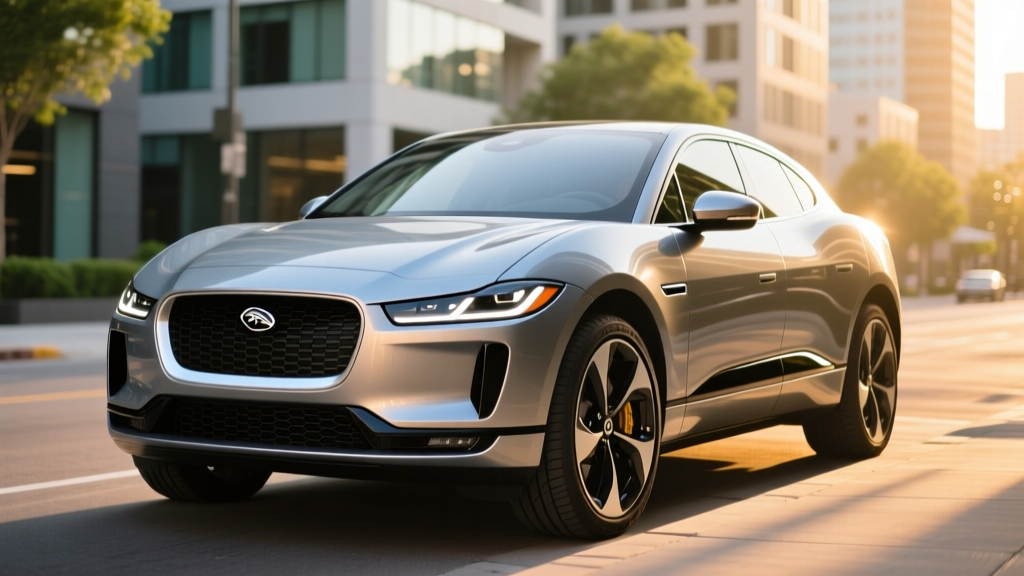
The 2026 Jaguar I-PACE remains Jaguar's sole all-electric offering for US buyers. It delivers an EPA-estimated 246 miles of range from its 90 kWh battery pack, 292 horsepower, and a 0-60 mph time of 6.2 seconds. Pricing starts at approximately $73,100 MSRP before incentives. The I-PACE qualifies for the federal §30D tax credit (up to $7,500) only if your income, the vehicle's MSRP, and battery-sourcing requirements align — always verify current eligibility on IRS.gov before purchasing. For luxury EV buyers who prioritize driving dynamics and distinctive design over maximum range or ultra-fast charging, the I-PACE is a compelling — if niche — choice. If you need 300+ miles of range or 10-80% DC charging under 20 minutes, competitors like the BMW iX or Hyundai Ioniq 5 serve those needs more directly.
2026 Jaguar I-PACE: Range, Battery, and Real-World Expectations
Jaguar equips the 2026 I-PACE with a 90 kWh lithium-ion battery pack (NMC chemistry). The EPA rates it at 246 miles of combined range across all trims (S, R-Dynamic HSE). That figure places the I-PACE below segment leaders like the BMW iX xDrive50 (EPA 324 mi) and the Tesla Model X Long Range (EPA 348 mi), but roughly on par with the Audi e-tron/GT lineage.
Real-World Range: What to Actually Expect
EPA sticker: 246 miles
Highway driving (70-80 mph, moderate climate): ~210–225 miles
Cold weather (below 32°F, cabin heat active): ~175–200 miles
Mixed city/highway in mild conditions: ~230–245 miles
The I-PACE's aerodynamic drag coefficient and relatively heavy curb weight (~4,800 lbs) reduce highway efficiency. In cold weather, expect 20–30% range loss due to battery resistance and cabin heating demands. The I-PACE does include a heat pump, which partially mitigates winter losses compared to resistive-heating EVs.
| Spec | Value |
|---|---|
| EPA Range | 246 miles |
| Battery Capacity | 90 kWh (NMC) |
| Horsepower | 292 hp / 339 lb-ft torque |
| 0-60 mph | 6.2 seconds |
| Top Speed | 124 mph |
| MPGe (combined) | 76 MPGe |
| Max DC Fast Charge Rate | 100 kW |
| 10-80% DC Fast Charge Time | ~40 minutes |
| Level 2 AC Charge Rate | 11 kW (~7.5 hours 0-100%) |
| Connector | CCS1 (J1772 + DC pins) |
| Cargo Volume (rear seats up) | 25.3 cu ft |
| Cargo Volume (rear seats folded) | 51.0 cu ft |
| Towing Capacity | Not rated |
| Drivetrain | AWD (dual motor) |
| Base MSRP (S trim) | ~$73,100 |
| Battery/Powertrain Warranty | 8 years / 100,000 miles |
Charging the I-PACE: Home Setup and Public DC Speeds
The I-PACE's charging profile is where honest expectations matter most. Jaguar supports a maximum DC fast-charge rate of 100 kW. That was competitive at the vehicle's 2019 launch, but in 2026, rivals commonly peak at 150–350 kW. On a 150+ kW station, the I-PACE will still cap at 100 kW, yielding a 10-80% charge in approximately 40 minutes. The charge curve tapers significantly above 80%, so plan to unplug at 80% during road trips for time efficiency.
| Level | Power | Connector | Miles Added/Hour | Typical Use Case |
|---|---|---|---|---|
| Level 1 (120V) | ~1.4 kW | J1772 | ~4 mi/hr | Emergency / trickle top-up |
| Level 2 (240V) | 11 kW | J1772 | ~32 mi/hr | Home overnight / workplace |
| DC Fast Charge | 100 kW (peak) | CCS1 | ~150 mi in 40 min (10-80%) | Road trips / public stations |
For home Level 2 charging, you'll need a 240V circuit rated for at least 48 amps (to support the I-PACE's 11 kW onboard charger). A NEMA 14-50 outlet or hardwired Level 2 station (ChargePoint Home Flex, Emporia Level 2, or Wallbox Pulsar Plus) will fully recharge the pack overnight in roughly 7.5 hours. Installation costs typically range from $500 (simple outlet near panel) to $2,500+ if your electrical panel requires a 200-amp upgrade.
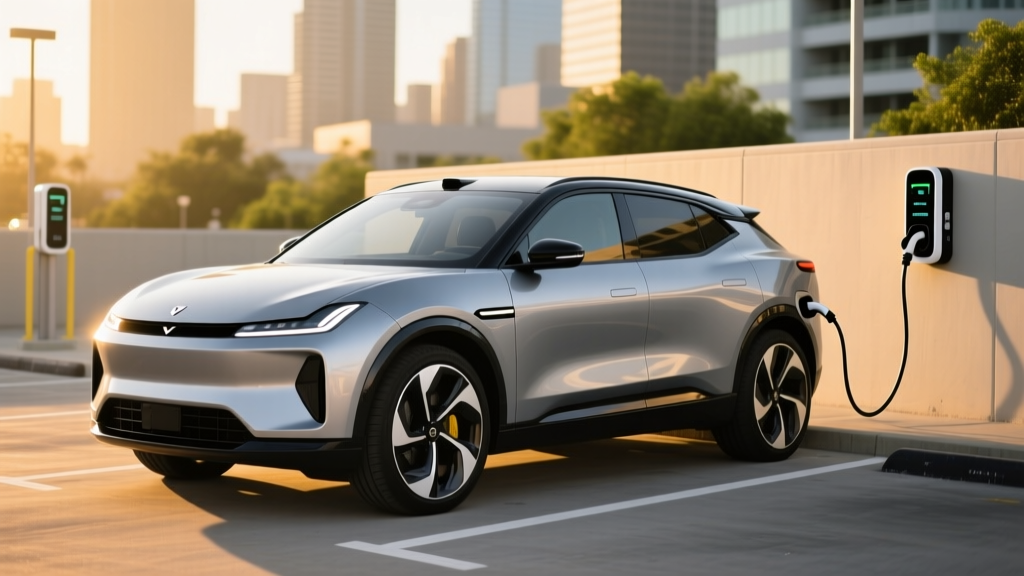
The I-PACE uses a CCS1 connector, compatible with Electrify America, EVgo, ChargePoint, and most non-Tesla public networks. If you need Tesla Supercharger access, you'll require a CCS-to-NACS adapter (sold separately by Jaguar or third parties) — check Jaguar's compatibility list before purchasing one.
Cost Breakdown: Buying, Charging, and Owning the I-PACE
Luxury EV ownership involves trade-offs the brochure won't emphasize. Here's a five-year ownership estimate compared to a similarly priced gas luxury SUV (e.g., BMW X5 xDrive40i, ~$68,000 MSRP, ~22 MPG combined).
| Cost Category | 2026 Jaguar I-PACE | Gas Luxury SUV (22 MPG) |
|---|---|---|
| Purchase Price (MSRP) | $73,100 | $68,000 |
| Federal Tax Credit (§30D) | Up to -$7,500 (if eligible) | $0 |
| Effective Purchase Price | ~$65,600 | $68,000 |
| Fuel/Energy (15,000 mi/yr × 5 yrs) | ~$5,100 (home L2 at $0.14/kWh) | ~$13,600 ($3.50/gal avg) |
| Maintenance (5 yrs) | ~$1,800 | ~$4,200 |
| Insurance (5 yrs, avg) | ~$14,500 | ~$11,200 |
| Estimated Depreciation | ~$30,000 | ~$27,000 |
| 5-Year Total Cost | ~$97,000 | ~$97,000 |
Key takeaways from this comparison:
- Energy savings are real. Home-charging the I-PACE at a national average of $0.14/kWh costs roughly $680/year vs. ~$2,720/year for gas at $3.50/gallon. Over five years, that's an ~$8,500 fuel savings.
- Maintenance is lower. No oil changes, no transmission fluid, fewer brake replacements (regen braking saves pads). Expect tire rotations and cabin air filter swaps.
- Insurance is higher. Luxury EVs carry higher premiums due to repair costs and battery replacement risk. Get quotes from Geico, Progressive, and State Farm before committing — expect a 20-35% premium over a gas equivalent.
- Depreciation is steeper. The I-PACE has historically depreciated faster than Tesla or Porsche EVs. If resale value is a priority, factor this in or consider leasing.
Federal Tax Credit Eligibility (§30D)
The I-PACE may qualify for up to $7,500 under the federal Clean Vehicle Credit. Eligibility hinges on:
- Buyer income cap: AGI ≤ $150,000 (single), ≤ $300,000 (joint), ≤ $225,000 (head of household)
- MSRP cap: SUVs/vans/pickups ≤ $80,000 — the I-PACE qualifies on this criterion
- Battery sourcing: Critical minerals and battery components must meet phased percentage thresholds from US/FTA countries (increases annually through 2032)
- Point-of-sale transfer: You can apply the credit as an upfront dealer discount (starting 2024), reducing your out-of-pocket cost at purchase
- Verification: Always check the latest rules at IRS.gov and confirm with your tax professional — sourcing requirements change yearly and can disqualify otherwise eligible vehicles
I-PACE vs. Gas and Hybrid Alternatives: A Practical Comparison
Buyers cross-shopping an electric Jaguar car are often also considering gas luxury SUVs and plug-in hybrids. Here's how they stack up on the metrics that matter.
| Metric | Jaguar I-PACE (BEV) | BMW X5 xDrive40i (Gas) | BMW X5 xDrive50e (PHEV) |
|---|---|---|---|
| Powertrain | Dual-motor AWD, 90 kWh | 3.0L turbo I-6, AWD | 3.0L turbo I-6 + electric, 25.7 kWh |
| Range / Efficiency | 246 mi (76 MPGe) | ~440 mi (22 MPG) | ~38 mi electric + ~380 mi gas (50 MPGe / 22 MPG) |
| 0-60 mph | 6.2 sec | 5.0 sec | 4.6 sec |
| Base MSRP | ~$73,100 | ~$68,000 | ~$76,000 |
| Annual Fuel/Energy Cost | ~$680 | ~$2,720 | ~$1,400 (mixed) |
| Home Charging Required? | Strongly recommended | No | Recommended for EV mode benefit |
| Tax Credit Eligible | Up to $7,500 (if sourcing qualifies) | No | Up to $7,500 (if sourcing qualifies) |
When the I-PACE wins: Lowest running costs, instant torque delivery, quiet cabin, zero tailpipe emissions, distinctive design that stands apart from German rivals.
When the I-PACE loses: Range falls short for frequent 300+ mile road trips. DC charging at 100 kW means longer stops. Cargo volume (25.3 cu ft) trails the X5 (33.9 cu ft). No third-row option.
First-Time EV Buyer: What You Must Know Before Purchasing
If the I-PACE is your first electric vehicle, these realities will shape your ownership experience far more than the spec sheet:
Home Charging Is Non-Negotiable for Most Owners
Public DC charging at $0.40-$0.60/kWh erases most of the EV cost advantage. The I-PACE's economics work best when 80%+ of charging happens at home on Level 2 at residential electricity rates. Before buying, confirm:
- Your electrical panel has capacity for a 240V/48A circuit (or budget $1,500-$3,000 for a panel upgrade)
- Your HOA or landlord permits charger installation (renters and condo owners face real barriers)
- You can park within cable reach of the charger location
Cold Weather Changes Everything
If you live in the upper Midwest, Northeast, or mountain states, plan for 20-30% range reduction in winter. The I-PACE's 246-mile EPA range becomes roughly 175-200 real-world miles below freezing. Preconditioning the battery while plugged in (using the Jaguar app) helps — it warms the pack before departure, preserving range and enabling faster DC charging.
Charging Deserts Still Exist
While the CCS network has expanded significantly, rural stretches of I-70 through Kansas, I-90 through South Dakota, and portions of the rural South still have sparse DC coverage. Use the Alternative Fuels Data Center to map chargers along your regular routes before committing.
| Myth | Fact |
|---|---|
| "EV batteries need replacing every 5 years" | Jaguar warrants the I-PACE battery for 8 years/100,000 miles with a 70% capacity retention threshold. Real-world NMC degradation data shows most packs retain 85-90% capacity at 100,000 miles. |
| "Charging takes too long for road trips" | A 10-80% DC charge takes ~40 minutes. Plan meal/rest stops around charging and the downtime becomes productive. On a 500-mile trip, expect 2 charging stops totaling ~70-80 minutes. |
| "EVs are worse for the environment because of battery mining" | Lifecycle analyses (including mining) consistently show EVs produce fewer total emissions than gas cars over 150,000+ miles, especially as the grid decarbonizes. See EPA's lifecycle data. |
| "I can't drive an EV in the cold" | You can, but range drops 20-30%. If your daily commute fits within the reduced range and you can precondition at home, winter EV ownership is manageable. |
| "The tax credit is guaranteed $7,500" | Eligibility depends on your AGI, the vehicle's MSRP, battery sourcing, and current-year phase thresholds. Many buyers receive partial credit or none at all. |
Decision Framework: Is the Electric Jaguar Car Right for You?
Buy the Jaguar I-PACE If:
- You want a distinctive luxury EV that isn't a Tesla, BMW, or Mercedes
- Your daily driving is under 150 miles round-trip (well within real-world range)
- You have or can install home Level 2 charging
- You value driving dynamics (AWD torque vectoring, adaptive air suspension) over maximum range
- You qualify for the §30D tax credit, bringing effective price closer to $65,000-$66,000
- You rarely take road trips exceeding 350 miles without overnight stops
Look Elsewhere If:
- You need 300+ miles of EPA range — consider the BMW iX, Tesla Model X, or Lucid Gravity
- You frequently road-trip and want 10-80% charging under 20 minutes — Hyundai Ioniq 5, Kia EV6, or Porsche Taycan charge significantly faster
- You cannot install home charging and rely entirely on public infrastructure — the I-PACE's 100 kW peak makes public-only charging frustrating
- Cargo space and towing are priorities — the BMW X5, Audi Q8 e-tron, or Rivian R1S offer more utility
- Lowest total cost of ownership matters most — a Tesla Model Y or Hyundai Ioniq 5 delivers more range, faster charging, and lower insurance at a fraction of the price
Frequently Asked Questions
Is Jaguar discontinuing the I-PACE or replacing it?
Jaguar has announced a brand transformation toward ultra-luxury EVs starting with a new GT model expected for the 2026-2027 model year. The I-PACE's future in the US lineup beyond 2026 is uncertain. If you're considering one, treat it as a current-generation product without guaranteed successor continuity. Check with your local Jaguar dealer for the latest model-year availability.
How long does the I-PACE battery last before needing replacement?
Jaguar warranties the high-voltage battery for 8 years or 100,000 miles (whichever comes first) against capacity dropping below 70%. Industry data from similar NMC packs suggests most will retain 80-88% state of health at 150,000 miles with normal use. A full battery replacement, if needed out of warranty, currently costs approximately $18,000-$25,000 including labor — a significant expense to budget for in long-term ownership planning.
Can I use Tesla Superchargers with the Jaguar I-PACE?
Not natively. The I-PACE has a CCS1 port, and Tesla's Supercharger network uses the NACS connector. You can purchase a CCS-to-NACS adapter (approximately $200-$250) to access V2 and V3 Superchargers that support non-Tesla vehicles — but confirm Jaguar officially endorses the adapter you choose to avoid warranty complications.
What does it cost to charge the I-PACE at home per month?
At the US average residential electricity rate of ~$0.14/kWh and driving 1,250 miles per month (the national average), you'd consume approximately 400 kWh monthly, costing about $56/month. Compare that to $225-$270/month for gasoline in a 22 MPG luxury SUV at $3.50/gallon.
Does the I-PACE qualify for the full $7,500 federal tax credit?
Potentially, but it depends on current-year battery sourcing rules under IRS §30D. The critical-minerals and battery-component percentages increase annually, and vehicles can lose partial or full credit eligibility as rules tighten. Your personal AGI must also fall under the income caps ($150K single / $300K joint). Verify with the IRS source and your tax professional before assuming the full $7,500.
How does I-PACE insurance compare to a gas Jaguar F-PACE?
Expect I-PACE premiums to run 15-30% higher than the gas F-PACE due to higher repair costs, specialized EV service requirements, and battery replacement risk. Average annual premiums for the I-PACE range from $2,400-$3,500 depending on your state, driving record, and coverage level. Always get personalized quotes before purchasing.
Is the I-PACE good in snow and winter conditions?
Yes, mechanically. The dual-motor AWD system provides excellent traction, and the I-PACE's low center of gravity (battery pack under the floor) aids stability. Winter tires significantly improve braking and cornering on ice. The main winter drawback is range loss — budget 20-30% less range and precondition the battery whenever possible.