Quick Answer: There Is No Electric Honda Ruckus From Honda
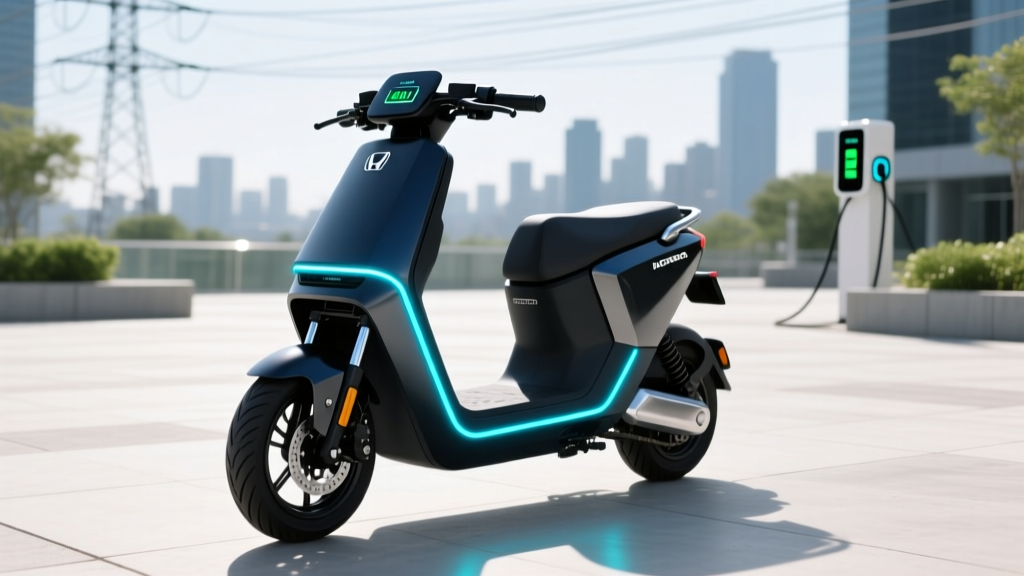
As of 2026, Honda does not manufacture or sell an electric version of the Ruckus (also known as the Zoomer in some markets). The Honda Ruckus remains a 49cc gasoline-powered scooter. If you've seen "electric Honda Ruckus" listings online, they are either third-party EV conversion kits, mislabeled products, or unofficial Chinese-manufactured lookalikes. Honda's current electric two-wheeler lineup includes the EM1 e: (a compact urban scooter sold primarily in Japan and Europe) and the upcoming larger electric scooter concepts, but none carry the Ruckus nameplate or its rugged, utilitarian design.
Why the Confusion? The "Electric Ruckus" Search Phenomenon
The Honda Ruckus — with its exposed steel frame, dual headlights, and chunky tires — has cult status among scooter enthusiasts. Its simple, modifiable platform has made it a favorite for DIY electric conversions. Search "electric Honda Ruckus" and you'll find YouTube conversion projects, Alibaba listings for Ruckus-styled electric scooters, and forum threads debating swap kits. None of these are factory Honda products.
Honda's actual electric scooter strategy has focused on different vehicles entirely. The Honda EM1 e: features a swappable lithium-ion battery, roughly 25 miles of real-world range, and a top speed around 28 mph — designed for dense Asian and European urban cores, not the Ruckus's adventure-ready persona. Honda has announced broader electric two-wheeler plans for later this decade, but a Ruckus EV remains unannounced.
The DIY Electric Ruckus Conversion: What It Actually Costs
For determined enthusiasts, converting a gas Ruckus to electric is possible but expensive and technically involved. Here's what a typical conversion entails:
| Component | Typical Cost Range | Notes |
|---|---|---|
| Used Honda Ruckus (donor) | $2,000–$3,500 | 2015–2025 models; clean title preferred |
| Electric motor (hub or mid-drive) | $300–$800 | Typically 1,500W–3,000W; QS Motor, Kelly common brands |
| Motor controller | $150–$400 | Must match motor voltage/amperage |
| Battery pack (LiFePO4 or NMC) | $600–$1,800 | 48V–72V, 20–40 Ah typical; determines range |
| BMS (Battery Management System) | $80–$200 | Essential for safe charging and cell balancing |
| Charger (110V household) | $80–$200 | 5A–10A typical; 4–8 hour full charge |
| Wiring, connectors, fabrication | $150–$400 | Custom battery box often required |
| Miscellaneous (throttle, display, DC-DC converter) | $100–$300 | Lights and accessories need 12V step-down |
| Total Conversion Cost | $3,460–$7,600 | Before labor if not DIY |
Realistic converted Ruckus EV specs:
- Range: 25–50 miles (depending on battery kWh, rider weight, terrain, and speed)
- Top speed: 30–45 mph (motor and controller dependent)
- Charge time: 4–8 hours on standard 110V outlet
- Battery capacity: Typically 1.0–2.5 kWh usable
- Charging cost: $0.04–$0.12 per full charge (at $0.13–$0.16/kWh national average)
Common Electric Ruckus Myths vs. Facts
| Myth | Fact |
|---|---|
| "Honda sells an electric Ruckus" | Honda has never produced a factory-electric Ruckus. All "electric Ruckus" vehicles are conversions or Chinese clones. |
| "Converting is plug-and-play" | Conversions require custom fabrication, electrical knowledge, and battery safety understanding. Not beginner-friendly. |
| "An electric Ruckus goes 100 miles per charge" | Realistic range is 25–50 miles with practical battery sizes that fit the frame. 100+ miles requires impractical battery weight. |
| "It's street-legal everywhere after conversion" | Many states require re-registration after powertrain changes. Some jurisdictions restrict modified vehicles. Check your local DMV. |
| "I'll save thousands vs. buying new" | A full conversion often costs $4,000–$7,000+ including the donor scooter — comparable to purpose-built electric scooters. |
Electric Ruckus Conversion vs. Gas Ruckus vs. Purpose-Built EV Scooters
Let's compare the real ownership picture across these three paths:
| Category | Gas Honda Ruckus (New) | DIY Electric Ruckus | Purpose-Built EV Scooter* |
|---|---|---|---|
| Purchase Price | $2,999 MSRP | $4,000–$7,500 | $2,500–$5,500 |
| Fuel/Energy (5 yrs, 3,000 mi/yr) | $1,200–$1,600 (gas at $3.50/gal, 90 MPG) | $150–$300 (electricity) | $150–$300 |
| Maintenance (5 yrs) | $800–$1,400 (oil, belts, valves, tires) | $200–$500 (tires, brakes) | $200–$500 |
| Insurance (5 yrs avg) | $1,000–$1,800 | $500–$1,200 (varies; some insurers won't cover conversions) | $800–$1,500 |
| Battery Replacement | N/A (12V auxiliary only) | $600–$1,500 (if pack degrades) | $500–$1,200 |
| 5-Year Total (Est.) | $6,000–$7,800 | $5,450–$12,000 | $4,150–$9,000 |
*Purpose-built EV scooters include models like the NIU MQi+, Segway E22, or Super73 — vehicles designed as electric from the ground up.
Real-World Ownership Considerations Before You Commit
Home Charging Access
Electric scooters (converted or factory) require access to a standard 110V outlet. If you live in an apartment without garage or outdoor outlet access, daily charging becomes a significant friction point. Unlike electric cars with growing public charging networks, electric scooter public charging infrastructure is nearly nonexistent in the US. You need reliable home or workplace charging.
Climate and Range Reality
Lithium-ion and LiFePO4 batteries lose 20–40% of their rated capacity in temperatures below 40°F. A converted Ruckus with a 40-mile summer range may deliver only 24–32 miles in winter. Cold also slows charging speeds and accelerates long-term degradation if you charge a cold battery without preconditioning. If you ride year-round in northern climates, plan for reduced winter usability.
Driving Patterns That Work (and Don't)
An electric Ruckus conversion works well if:
- Your daily round trip is under 25 miles
- You ride mostly on local roads under 35 mph
- You have secure, covered parking with outlet access
- You're comfortable with DIY maintenance or have a trusted conversion shop
It does not work well if:
- You need highway-speed capability (most conversions top out at 35–45 mph)
- You regularly carry a passenger (added weight crushes range)
- You need all-weather, year-round reliability without range compromise
- You want manufacturer warranty support or dealer servicing
Legal and Insurance Complications
Converting a gas vehicle to electric changes its powertrain classification. Many state DMVs require inspection and re-registration. Some insurers decline coverage for modified vehicles or charge higher premiums. Before starting a conversion, contact your state DMV and get insurance quotes for a converted scooter. The NHTSA sets federal vehicle standards, but state-level rules govern registration of modified vehicles.
Purpose-Built Alternatives: Electric Scooters That Actually Exist
If the appeal is an electric scooter with rugged styling and practical range, several factory-built options exist in 2026:
- NIU MQi+ Sport: ~$3,200, 40–55 mile range (with dual battery), 28 mph top speed, removable batteries for apartment charging, 2-year warranty
- Super73-S2: ~$3,800, classified as e-bike in many jurisdictions, 40+ mile range, rugged motorcycle-inspired styling
- Segway E22 Electric Moped: ~$2,800, 40-mile range, 28 mph, integrated design with warranty support
- Honda EM1 e: ~$3,000 (where available), swappable battery, ~25-mile range, Honda build quality and dealer support
Each of these offers warranty coverage, dealer support, and known reliability — advantages a DIY conversion cannot match.
Decision Framework: What Should You Actually Do?
Choose Your Path
Choose a gas Honda Ruckus if: You want Honda reliability, dealer servicing, proven 90+ MPG fuel economy, 150+ mile range per tank, and zero registration headaches. Best for riders who value simplicity and established support infrastructure.
Choose a DIY electric Ruckus conversion if: You're an experienced hobbyist with electrical/fabrication skills, you have secure charging access, your daily rides are under 25 miles, and you value the project experience over convenience. Budget $5,000–$7,500 realistically.
Choose a purpose-built electric scooter if: You want electric operation with warranty, dealer support, predictable range, and legal clarity. Best for daily commuters who want plug-and-play electric riding without fabrication risk.
Wait for Honda's future electric scooters if: You specifically want Honda brand quality in an electric two-wheeler. Honda has signaled expanded electric scooter offerings for global markets through 2030, but a Ruckus-branded EV is not confirmed. Monitor Honda Powersports for announcements.
Frequently Asked Questions
Will Honda ever make an electric Ruckus?
Honda has not announced an electric Ruckus. Their electric two-wheeler strategy currently focuses on the EM1 e: and larger commuter concepts aimed at Asian and European markets. A Ruckus EV is possible eventually given Honda's 2040 carbon-neutrality pledge, but nothing is confirmed for the US market as of 2026.
How much does it cost to convert a Honda Ruckus to electric?
A complete conversion typically costs $3,500–$7,500 including the donor scooter, motor, controller, battery pack, BMS, charger, and fabrication materials. Professional installation adds $500–$2,000 in labor.
What range can I expect from an electric Ruckus conversion?
Realistically 25–50 miles depending on battery capacity (typically 1.0–2.5 kWh), rider weight, speed, terrain, and temperature. Cold weather (below 40°F) reduces this by 20–40%. Claims of 80–100+ miles usually require impractical battery sizes that don't fit the Ruckus frame without major modification.
Is a converted electric Ruckus street legal?
It depends on your state. Many states require re-inspection and re-registration after a powertrain swap. Some states classify low-speed electric vehicles differently than gas scooters. Check with your local DMV before converting, and verify that your insurance company will cover a modified vehicle.
What's the best electric scooter that looks like a Ruckus?
No factory electric scooter replicates the Ruckus's exact industrial aesthetic, but the Super73 line (e-bike classification) and some Chinese-manufactured "rugged" electric mopeds come closest in spirit. For genuine Honda quality in electric form, the EM1 e: is the closest official option, though it has a completely different design language.
Does the electric Honda Ruckus qualify for any tax credits?
No. The federal §30D tax credit applies only to new qualified plug-in electric drive motor vehicles with four wheels (and certain three-wheel vehicles meeting specific criteria). Two-wheeled scooters and motorcycles had a separate credit (§30D did not cover them; the old §30(e) motorcycle credit expired). Some states and local utilities offer rebates for electric two-wheelers — check your state energy office and local utility for current programs. Consult a tax professional for your specific situation.
How long does an electric scooter battery last before replacement?
Quality lithium-ion packs (NMC or LiFePO4 chemistry) typically retain 80% of original capacity after 500–1,000 full charge cycles. For a daily rider, that translates to roughly 3–7 years of usable service. LiFePO4 (LFP) chemistry generally offers longer cycle life (1,500–3,000 cycles) at the trade-off of lower energy density (heavier for the same kWh). Budget $500–$1,500 for eventual pack replacement.