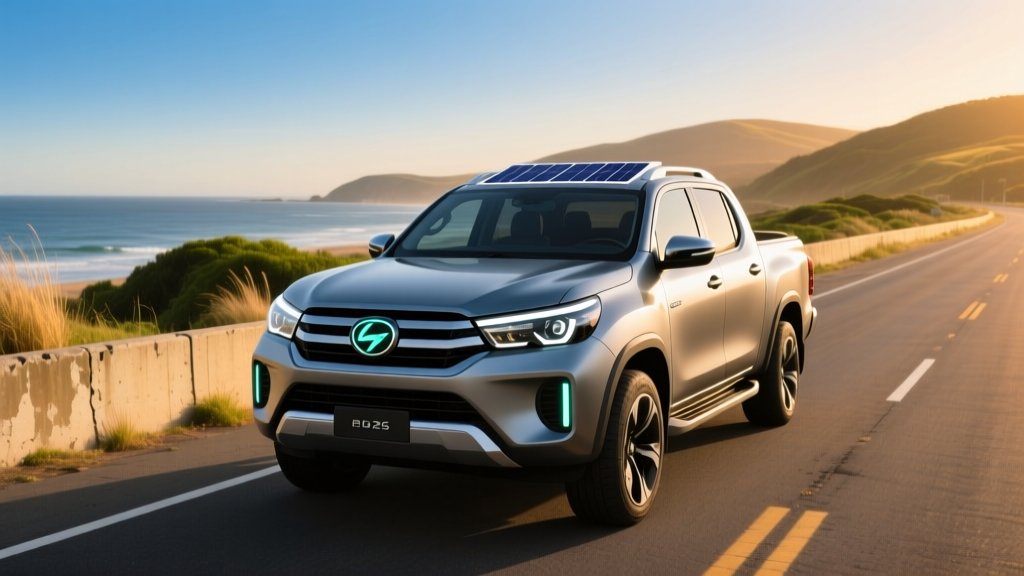
The short answer: Toyota has officially unveiled the Hilux Revo BEV (battery-electric Hilux) for select global markets, but as of early 2026, Toyota has not confirmed US availability. The electric Hilux is primarily targeted at Southeast Asia, Australia, and South Africa — regions where the Hilux is a top-selling pickup. US buyers looking for a mid-size electric truck today should look at the Ford Maverick Hybrid, Rivian R1T, or the upcoming Toyota Tacoma-based EV expected no earlier than 2027. If Toyota does bring an electric Hilux to the US, expect a starting price near $42,000, an EPA-estimated range around 200–230 miles, and DC fast charging peaking at roughly 150 kW.
What Is the Electric Hilux — and Why Does It Matter?
The Toyota Hilux has been one of the world's most iconic mid-size pickups for decades, sold in over 180 countries. It's famous for ruggedness — the kind of truck that survives wars, deserts, and Top Gear destruction tests. What it hasn't been, until recently, is electric.
Toyota unveiled the Hilux Revo BEV concept in late 2023, and production-intent versions have since been confirmed for markets like Thailand (where the Hilux is built) and Australia. The production model uses a body-on-frame architecture adapted from the current eighth-generation Hilux platform, with a battery pack mounted beneath the frame rails.
For US-based readers, the core question is straightforward: Can I actually buy one? The answer, as of 2026, is almost certainly no. Toyota sells the Tacoma in the US — not the Hilux — and while an electric Tacoma is in development, it hasn't been formally revealed. The electric Hilux exists, but it's not a US-market vehicle at this time.
Electric Hilux Specs: What We Know So Far
Toyota has released preliminary specifications for the Hilux Revo BEV in international markets. These figures are based on the production-intent model shown at the 2025 Tokyo auto events and subsequent press releases. US-spec figures — if the truck ever arrives here — would likely differ due to EPA testing methodology and equipment requirements.
| Specification | Hilux Revo BEV (International) | Estimated US-Spec (If Available) |
|---|---|---|
| Battery Capacity (usable) | ~65 kWh (LFP chemistry) | ~70–80 kWh (likely LFP) |
| WLTP Range | ~300 km (~186 miles) | ~200–230 mi (EPA est.) |
| DC Fast Charge (peak) | ~150 kW | ~150 kW |
| 10–80% Charge Time | ~30 minutes (est.) | ~30–35 minutes |
| Level 2 AC Charge Rate | 11 kW | 11 kW (est.) |
| Motor Output | ~135 kW (~181 hp) | ~150–180 kW (est.) |
| 0–100 km/h (0–62 mph) | ~9.5 seconds | ~9 seconds (est.) |
| Payload Capacity | ~800 kg (~1,764 lbs) | ~1,500–1,700 lbs (est.) |
| Towing Capacity | Not yet confirmed | ~3,500–5,000 lbs (est.) |
| Drive Configuration | Rear-wheel drive (initial) | RWD / AWD TBD |
| Base Price (Int'l) | ~THB 1.2M (~$34,000 USD) | ~$42,000–$48,000 (est. MSRP) |
| Battery Warranty | 8 years / 160,000 km | 8 years / 100,000 mi (Toyota std.) |
Chemistry note: The Hilux Revo BEV uses LFP (lithium iron phosphate) cells rather than NMC (nickel manganese cobalt). LFP is a practical choice for a work truck: it's less energy-dense (meaning a heavier, bulkier pack for the same range), but it offers superior cycle life — typically 3,000+ full cycles before meaningful degradation — and better thermal stability. You can also charge LFP batteries to 100% daily without the same degradation concerns as NMC. For a fleet or work vehicle that charges nightly, LFP is the smarter engineering call.
How the Electric Hilux Compares to Gas and Hybrid Trucks
If Toyota were to sell the electric Hilux in the US, it would compete in the mid-size truck segment against both electrified and conventional options. Here's how the numbers stack up against realistic alternatives available to American buyers in 2026:
| Metric | Electric Hilux (Est. US) | Toyota Tacoma i-FORCE MAX (Hybrid) | Ford Maverick Hybrid | Rivian R1T (Dual-Motor Std.) |
|---|---|---|---|---|
| Powertrain | BEV (battery electric) | PHEV-style turbo hybrid | HEV (self-charging hybrid) | BEV (battery electric) |
| EPA Range / MPG | ~210 mi | 24 MPG combined | 42 MPG combined | 270 mi |
| Fuel/Energy Cost per Mile | ~$0.04–$0.06 (home L2) | ~$0.15 (gas at $3.50/gal) | ~$0.08 (gas at $3.50/gal) | ~$0.04–$0.06 (home L2) |
| 0–60 mph | ~9.0 sec | ~6.5 sec | ~7.9 sec | ~4.5 sec |
| Starting MSRP | ~$42,000 (est.) | ~$40,940 | ~$28,995 | ~$69,900 |
| Federal Tax Credit (§30D) | Potentially $0–$7,500 | Not eligible (not a PHEV/BEV) | Not eligible (HEV) | $0 (exceeds MSRP cap for trucks) |
| Maintenance (5-yr est.) | ~$1,200 | ~$2,800 | ~$2,400 | ~$1,200 |
| 5-Year Fuel/Energy Cost | ~$2,400 (home charging) | ~$9,000 | ~$4,800 | ~$2,400 |
Key takeaway: The electric Hilux's energy cost per mile is dramatically lower than any gas or hybrid truck — if you can charge at home. At the US average residential electricity rate of ~$0.16/kWh, fully charging a 70 kWh pack costs about $11.20, giving you roughly 210 miles. That's a per-mile energy cost of around $0.05. Gas at $3.50/gallon in a 24 MPG Tacoma costs $0.15/mile — three times more.
But the electric Hilux trades acceleration, range, and towing for those savings. The Tacoma hybrid hits 60 mph nearly 2.5 seconds faster and can tow 6,800 pounds. The Maverick Hybrid costs $13,000 less upfront and gets 42 MPG without ever plugging in. And the Rivian R1T is in a completely different performance class — at a price to match.
Real-World Ownership: What the Spec Sheet Doesn't Tell You
Specs are one thing. Living with an electric truck is another. Here's what matters once the brochure is in the recycling bin:
Range Reality Check
EPA sticker (estimated): ~210 miles
Real-world highway (70 mph, 75°F): ~170–185 miles
Cold weather (30°F, highway): ~135–155 miles
Towing a 3,000-lb trailer: ~100–120 miles
A ~65–70 kWh battery in a heavy, boxy, body-on-frame truck is not a range champion. The Hilux's aerodynamics are roughly as sleek as a shipping container, and the battery is modest by EV standards. If your daily driving exceeds 120 miles round-trip — especially on highways or in cold climates — this truck will require midday charging or cause genuine range stress.
Charging at Home: The Make-or-Break Factor
Home Level 2 charging is what makes EV ownership practical. With an 11 kW onboard charger, the electric Hilux would add roughly 35–40 miles of range per hour on a 240V Level 2 circuit. A full overnight charge (8 hours) would replenish the entire battery.
But here's the catch: not everyone has access to a garage or driveway with a 240V outlet. If you live in an apartment, park on the street, or have an older home with a 100-amp electrical panel, Level 2 installation can cost $1,500–$3,500+ — and you may need a panel upgrade adding another $2,000–$4,000. Public DC fast charging works, but relying on it daily is expensive ($0.30–$0.48/kWh at networks like Electrify America or EVgo) and degrades batteries faster than slower AC charging.
Climate Matters More Than You Think
LFP batteries handle cold better than NMC in terms of safety, but range loss is still significant. In sustained sub-30°F weather, expect a 25–35% reduction in range. The Hilux Revo BEV's thermal management system details haven't been fully published, but Toyota's bZ4X (which uses a heat pump in some markets) showed that preconditioning the battery before fast charging is critical in cold weather. Without preconditioning, DC fast charge speeds can drop by 40–50%.
Cost Breakdown: Purchase, Charging, and 5-Year Ownership
| Cost Category | Electric Hilux (Est.) | Toyota Tacoma Hybrid | Ford Maverick Hybrid |
|---|---|---|---|
| Purchase Price (MSRP) | $42,000 | $40,940 | $28,995 |
| Federal Tax Credit (§30D) | $0–$7,500* | $0 | $0 |
| Home Charger Install (Level 2) | $1,200–$3,500 | N/A | N/A |
| 5-Year Energy/Fuel Cost | $2,400 (home L2) | $9,000 | $4,800 |
| 5-Year Maintenance | $1,200 | $2,800 | $2,400 |
| 5-Year Insurance (avg.) | $8,500 | $7,200 | $6,000 |
| 5-Year Total Cost of Ownership | $45,800–$55,200 | $59,940 | $42,195 |
* Federal §30D tax credit eligibility depends on battery sourcing, critical mineral content, buyer income caps ($150K single / $300K joint), and vehicle MSRP caps ($80K for trucks). The electric Hilux's LFP cells are predominantly manufactured in China, which may disqualify it from the full credit under current IRS rules. Always verify with a tax professional before purchase.
The electric Hilux's total cost of ownership looks competitive with the Tacoma hybrid over five years — but only if you secure the tax credit, have affordable home charging, and drive enough miles for the energy savings to offset the higher purchase price and insurance premiums. For lower-mileage drivers (under 10,000 miles/year), the Maverick Hybrid's dramatically lower purchase price makes it the cheaper option by a wide margin.
Common Misconceptions About the Electric Hilux
| Myth | Fact |
|---|---|
| "The electric Hilux is available in the US." | As of 2026, Toyota has not announced US availability. The Hilux is not sold in the US; the Tacoma fills that segment. An electric Tacoma is in development but unrevealed. |
| "It'll have 400 miles of range." | With a ~65–70 kWh LFP pack, expect 200–230 miles EPA. The physics of a body-on-frame truck with a modest battery don't allow for more without a much larger, heavier pack. |
| "EVs cost more to maintain than gas trucks." | BEVs have no oil changes, no spark plugs, no transmission fluid, and regenerative braking extends brake pad life. 5-year maintenance is typically 50–60% lower than comparable ICE vehicles, per fueleconomy.gov data. |
| "LFP batteries don't last as long." | The opposite is true. LFP cells typically deliver 3,000–5,000 full charge cycles before degrading to 80% capacity. At 200 miles per cycle, that's 600,000+ miles — far exceeding the truck's structural lifespan. |
| "I can tow just as far on electric." | Towing cuts EV range roughly in half. A 210-mile truck towing a 3,000-lb trailer may deliver only 100–120 real-world miles. Plan routes around DC fast chargers accordingly. |
| "The $7,500 tax credit applies to everyone." | §30D has income caps, MSRP caps, and battery-sourcing requirements. Many EVs — especially those with Chinese-sourced LFP cells — may qualify for $0 or a reduced credit. Check IRS.gov for the current eligible vehicle list. |
Decision Framework: Should You Wait for the Electric Hilux?
Choose to wait for an electric Hilux (or electric Tacoma) if:
- You're a Toyota-loyal truck buyer who wants to electrify but needs a body-on-frame mid-size pickup
- Your daily driving is under 120 miles round-trip with home Level 2 charging access
- You live in a mild climate (range loss in cold weather is less of a concern)
- You can wait until at least 2027–2028 for a potential US-market electric Toyota truck
Choose the Ford Maverick Hybrid now if:
- You want maximum fuel efficiency today (42 MPG) without plugging in
- Your budget is under $35,000
- You don't have reliable home charging access
- You drive less than 15,000 miles per year (the gas savings of a BEV don't offset the upfront cost)
Choose the Toyota Tacoma i-FORCE MAX Hybrid now if:
- You need serious towing (6,800 lbs) and off-road capability today
- You want a Toyota mid-size truck and can't wait 2+ years
- Your driving includes frequent long highway trips where EV range would be limiting
Choose the Rivian R1T now if:
- Budget allows ($69,900+) and you want true electric-truck performance (270 mi range, 4.5 sec 0–60, 500+ cu ft cargo with the gear tunnel)
- You want a US-available electric truck with proven Supercharger/NACS compatibility
First-Time EV Buyer Essentials
If the electric Hilux (or any EV truck) would be your first electric vehicle, here's what the spec sheets and marketing materials won't emphasize:
1. kW vs. kWh — know the difference. kW (kilowatts) measures power — how fast you charge or how strong the motor is. kWh (kilowatt-hours) measures energy — how big the battery is. A 70 kWh battery charged at 150 kW will charge much faster than at 11 kW. Confusing these two is the single most common EV mistake.
2. Charge curves matter more than peak kW. The Hilux Revo BEV's peak DC charge rate of ~150 kW is only sustained at low states of charge (roughly 10–40%). Above 80%, charging speed tapers significantly — often to 30–50 kW — to protect the battery. The "10–80% in 30 minutes" figure is the one that matters for road trips, not the peak number.
3. Home charging is the foundation. Over 80% of EV charging happens at home. Before buying any EV, get a quote from a licensed electrician for a 240V / 48-amp Level 2 circuit. If your panel needs upgrading (common in older homes), factor in that cost — it can add $2,000–$4,000 to your total investment.
4. Cold weather is real. If you live north of the 37th parallel, plan for 25–35% winter range loss. Preconditioning your battery (warming it before driving or charging) mitigates this, but you still need to budget range conservatively in January.
5. Insurance costs more. EVs typically carry 15–25% higher insurance premiums than comparable gas vehicles due to higher repair costs and battery replacement risk. Get quotes before you buy.
FAQ: Electric Hilux Questions Answered
Can I import an electric Hilux to the United States?
Not easily. The US has strict vehicle importation rules enforced by NHTSA. Vehicles not originally manufactured to meet Federal Motor Vehicle Safety Standards (FMVSS) generally cannot be imported for road use unless they are at least 25 years old. The electric Hilux is not FMVSS-certified, making personal import impractical and likely illegal for street use.
Will Toyota sell an electric Tacoma instead?
Toyota has confirmed that an electric version of its US-market mid-size truck is in development, but no official reveal date has been announced as of early 2026. Industry estimates point to a 2027–2028 timeframe. It will likely share battery and platform technology with the Hilux Revo BEV but be tuned for US regulations, EPA testing, and American truck-buyer expectations (more power, more towing, NACS charging port).
How does the electric Hilux compare to the Ford F-150 Lightning?
They're in different size classes. The F-150 Lightning is a full-size truck with up to 320 miles of range, 563 hp, and 10,000-lb towing. The electric Hilux is a mid-size truck with roughly 210 miles of range, ~180 hp, and far less towing capacity. Think of it as closer to a Ford Maverick in size, but fully electric.
Is LFP battery chemistry safe for a truck?
LFP is actually one of the safest lithium-ion chemistries available. It's far more resistant to thermal runaway than NMC, which is why it's widely used in commercial and fleet applications. The trade-off is lower energy density (heavier pack for the same range), but for a truck where weight capacity is higher, that's an acceptable engineering compromise.
What happens to range when I carry a full payload?
Expect a 15–25% range reduction with a full bed load. The Hilux Revo BEV's ~800 kg (1,764 lb) payload capacity, when fully utilized, increases rolling resistance and energy consumption. Highway driving at payload capacity in cold weather could reduce range to approximately 110–130 miles.