Quick Answer: Are Electric Harley-Davidson Motorcycles Worth It in 2026?
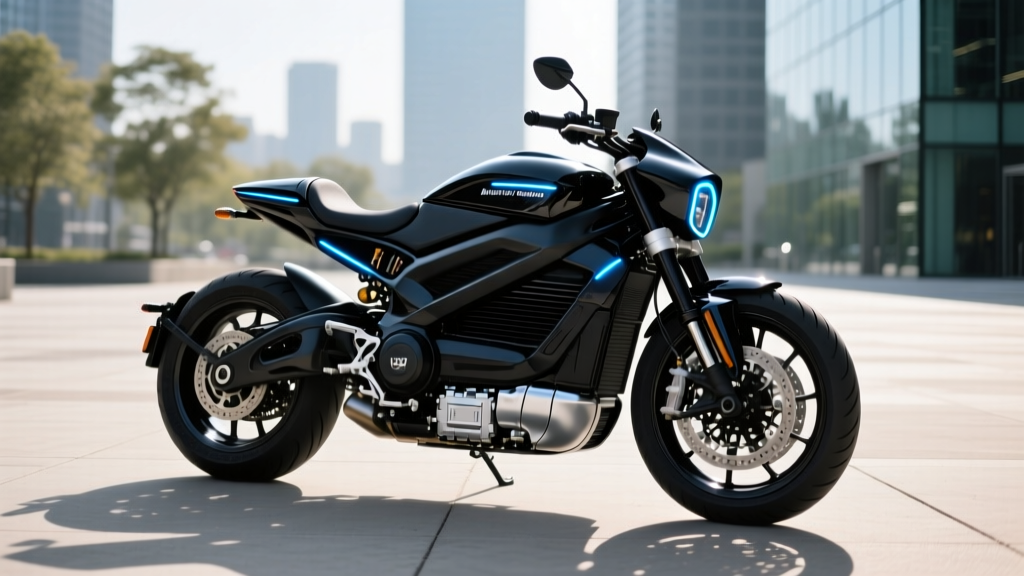
Harley-Davidson's electric motorcycle brand, LiveWire, currently sells the LiveWire ONE (base MSRP $21,999) and the more accessible S2 Del Mar (MSRP $15,499). These are premium electric motorcycles offering 94–105 hp, 146 miles of EPA city range (roughly 70–95 miles at sustained highway speeds), and Level 2 AC charging that refills the battery in under 2 hours. They eliminate oil changes, clutch work, and exhaust maintenance but carry higher upfront costs than comparable gas cruisers. If you ride mostly in urban and suburban environments, have access to home charging, and prioritize low running costs and instant torque over long-distance touring, a LiveWire is the most refined electric Harley-Davidson motorcycle available. If you regularly ride 150+ miles between stops or live in a region with harsh winters, a gas touring bike remains the practical choice.
LiveWire Model Lineup: Specs, Range, and Pricing
Harley-Davidson spun off its electric motorcycle division into the standalone LiveWire brand in 2021, though Harley retains majority ownership and the bikes are sold through select Harley dealerships. As of the 2026 model year, two models are available for purchase, with a third platform announced.
| Spec | LiveWire ONE | S2 Del Mar | S2 Arrow (Announced) |
|---|---|---|---|
| Base MSRP | $21,999 | $15,499 | ~$15,999 (est.) |
| Motor Output | 105 hp / 86 lb-ft | 94 hp / 74 lb-ft | 94 hp / 74 lb-ft |
| Battery Capacity | 15.4 kWh (usable) | 10.5 kWh (usable) | 10.5 kWh (usable) |
| Battery Chemistry | Samsung NMC lithium-ion | NMC lithium-ion | NMC lithium-ion |
| EPA City Range | 146 miles | 113 miles | ~113 miles (est.) |
| EPA Combined Range | 95 miles | ~78 miles | ~78 miles (est.) |
| Real-World Highway Range | ~70–80 miles | ~55–65 miles | ~55–65 miles (est.) |
| 0–60 mph | 3.0 seconds | 3.5 seconds | ~3.5 seconds (est.) |
| Top Speed | 110 mph | 103 mph | ~103 mph (est.) |
| Level 2 AC Charge (0–100%) | ~1.75 hours | ~1.5 hours | ~1.5 hours (est.) |
| DC Fast Charge | Not supported | Not supported | Not supported |
| Weight (wet) | 470 lbs | 431 lbs | ~420 lbs (est.) |
| Warranty | 5 yr / unlimited mi (battery) | 5 yr / unlimited mi (battery) | 5 yr / unlimited mi (battery) |
Key takeaway on range: The EPA city range figure of 146 miles for the LiveWire ONE is measured under stop-and-go conditions where regenerative braking recaptures significant energy. At sustained 70 mph highway speeds, expect roughly 70–80 miles before needing to recharge. Cold weather (below 40°F) can reduce range by an additional 15–25%. This is the single biggest ownership reality to internalize before purchasing.
Electric vs. Gas Harley: A Real Cost Comparison
How does a LiveWire stack up against a similarly priced gas Harley-Davidson over five years of ownership? Let's compare the LiveWire ONE ($21,999) against the Harley-Davidson Sportster S (MSRP ~$15,999), a popular gas cruiser in a similar performance bracket.
| Cost Category (5 Years / 30,000 Miles) | LiveWire ONE (Electric) | Sportster S (Gas) |
|---|---|---|
| Purchase Price | $21,999 | $15,999 |
| Fuel / Electricity | ~$900 (at $0.14/kWh home rate) | ~$3,750 (at $3.50/gal, 40 mpg avg) |
| Oil Changes | $0 | ~$600 (10 changes × $60) |
| Air Filter / Spark Plugs | $0 | ~$250 |
| Brake Pads (regen extends life) | ~$150 (1 replacement) | ~$400 (2 replacements) |
| Chain/Belt Maintenance | Belt — minimal | Belt — ~$200 |
| Insurance (avg annual × 5) | ~$4,500 ($900/yr) | ~$3,750 ($750/yr) |
| Tires (2 sets) | ~$800 | ~$800 |
| Total 5-Year Cost | ~$28,349 | ~$25,749 |
The verdict: The LiveWire ONE saves roughly $3,650 in fuel and maintenance over five years, but its higher purchase price and slightly elevated insurance premiums (electric motorcycles can cost 15–20% more to insure due to battery replacement risk) mean the total cost of ownership is still approximately $2,600 higher than the gas Sportster S over the same period. The breakeven point on fuel savings alone would take roughly 8–10 years at average mileage. The financial case for a LiveWire is strongest if your local electricity rates are low (under $0.12/kWh), you ride high city miles where regen shines, and you factor in the intangible value of near-silent operation and zero tailpipe emissions.
Charging at Home and on the Road: What Owners Actually Experience
One of the most common questions from prospective buyers of electric Harley-Davidson motorcycles is about charging logistics. Here is the reality.
Home Charging (Level 1 and Level 2)
Every LiveWire ships with a Level 1 cord that plugs into a standard 120V household outlet. At this rate, the LiveWire ONE gains roughly 13 miles of range per hour, meaning a full recharge from empty takes approximately 11–12 hours — adequate for overnight top-ups if your daily ride is under 50 miles.
The far more practical solution is a Level 2 home charger (240V). LiveWire supports Level 2 AC charging at up to ~9 kW, which refills the ONE's 15.4 kWh battery in approximately 1.75 hours from 0–100%. A basic Level 2 EVSE (electric vehicle supply equipment) unit costs $300–$600, and professional installation by a licensed electrician typically runs $500–$1,500 depending on whether your electrical panel needs an upgrade. Total home charging setup: $800–$2,100.
Public Charging Limitations
This is where electric Harley-Davidson motorcycles face their biggest practical limitation: LiveWire models do not support DC fast charging. There is no CCS or CHAdeMO port. You are limited to Level 2 AC public chargers (the same J1772 connector used by most EVs and PHEVs), which means a mid-ride stop requires 1–2 hours of stationary charging time. For touring riders accustomed to a 5-minute gas stop, this is a fundamental constraint.
Apps like PlugShare and ChargePoint can help you locate Level 2 public chargers along your route, but availability at motorcycle-friendly locations (with pull-through or easy-access parking) remains inconsistent in many regions.
Federal Tax Credits and State Incentives: Do They Apply?
Here is where the ownership math can shift meaningfully — but the rules are specific and often misunderstood.
Under IRS §30D, the federal clean vehicle credit of up to $7,500 applies to new qualified plug-in electric vehicles, and this does include electric motorcycles — but with critical caveats:
- Vehicle classification: The motorcycle must have a battery capacity of at least 2.5 kWh (both LiveWire models qualify easily).
- MSRP cap: Unlike cars and SUVs, the §30D MSRP caps for motorcycles are different and less clearly defined in current guidance — confirm with a tax professional.
- Income limits: Buyer AGI must not exceed $150,000 (single) / $300,000 (joint) for the credit year.
- Battery sourcing: Critical mineral and battery component sourcing requirements apply and change annually. Verify current-year compliance with the manufacturer or IRS guidance.
- Point-of-sale transfer: As of 2024+, the credit can be transferred to the dealer at purchase, reducing your out-of-pocket cost immediately rather than waiting for tax filing.
If you qualify for the full $7,500 credit, the LiveWire ONE's effective price drops to approximately $14,499 — making it directly competitive with the gas Sportster S on purchase price alone. State incentives (such as California's CVRP or Colorado's state EV tax credit) may stack on top. Always verify current eligibility with a qualified tax professional and the IRS clean vehicle credit page.
Common Misconceptions About Electric Harley-Davidson Motorcycles
| Myth | Fact |
|---|---|
| "Electric Harleys have no soul — no sound, no character." | LiveWire models produce a distinctive turbine-like whine under acceleration. The lack of exhaust rumble is a trade-off, but the instant torque delivery (86 lb-ft from 0 rpm) creates a visceral riding experience that many owners describe as addictive. |
| "The battery will need replacing in a few years and cost a fortune." | LiveWire provides a 5-year, unlimited-mileage battery warranty. Real-world degradation data from owners suggests approximately 5–8% capacity loss over the first 50,000 miles. NMC cells in motorcycle applications are less stressed than in cars due to lower total energy throughput. Out-of-warranty replacement cost is estimated at $4,000–$6,000 based on current battery pricing trends. |
| "You can't ride an electric motorcycle in the rain or cold." | LiveWire models are fully weather-sealed and rated for rain riding. Cold weather (below 40°F) does reduce range by 15–25% due to battery chemistry and cabin-heating equivalent (heated grips/gear draw from the battery), but the bikes operate safely in these conditions. |
| "Electric motorcycles are slow." | The LiveWire ONE hits 0–60 mph in 3.0 seconds — faster than nearly every gas cruiser on the market, including the Sportster S (4.3 sec) and many sport bikes. |
| "It's just a glorified bicycle — not a real Harley." | LiveWire is majority-owned by Harley-Davidson and sold through authorized H-D dealerships. The build quality, suspension components (Showa), and braking systems (Brembo) are premium motorcycle-grade. |
Real-World Ownership Considerations Before You Buy
Beyond the spec sheet, here are the practical factors that determine whether an electric Harley-Davidson motorcycle will work in your life:
Home Charging Access Is Essential
Without access to a garage or dedicated parking spot with a 120V or 240V outlet, owning a LiveWire is impractical. Public Level 2 charging is too slow and too inconsistent to serve as your primary charging strategy. If you live in an apartment or condo without charging access, a gas motorcycle remains the only realistic option until DC fast-charging electric motorcycles become available.
Your Riding Pattern Determines Viability
The LiveWire ONE excels as a commuter and urban/suburban ride. If your typical day involves 30–60 miles of mixed riding with overnight home charging, you'll rarely think about range. If you regularly take weekend rides of 150+ miles through rural areas with sparse charging infrastructure, the range limitation and lack of DC fast charging become genuine barriers.
Climate Matters More Than You Think
Riders in the Sun Belt and temperate coastal regions will get closer to EPA range estimates year-round. Riders in the Upper Midwest, Northeast, and Mountain West should plan for 20–25% range loss in winter months. A LiveWire ONE that delivers 95 combined miles in July may deliver only 70–75 combined miles in January at 25°F — and that's before accounting for heated gear power draw.
Insurance Costs Are Higher
Electric motorcycle insurance premiums are typically 15–20% higher than equivalent gas bikes. Insurers cite higher repair costs (specialized battery/electronics technicians), battery replacement expense, and a smaller claims-data pool. Get a quote from your insurer before committing to a purchase.
Decision Framework: Is a LiveWire Right for You?
Choose a LiveWire if:
- You ride primarily in urban or suburban environments (under 70 miles/day)
- You have reliable home charging access (garage or dedicated outlet)
- You qualify for the §30D federal tax credit (reducing effective price by up to $7,500)
- You value instant torque, silent operation, and near-zero maintenance
- You rarely ride in temperatures below 30°F for extended trips
- You want a premium motorcycle with modern tech (Ride modes, ABS, traction control, smartphone connectivity)
Stick with a Gas Harley (or Wait) if:
- You regularly tour 150+ miles between stops
- You lack home charging access
- You ride extensively in harsh winter conditions
- Your budget is under $15,000 and you don't qualify for tax credits
- You want the traditional V-twin sound and mechanical engagement
- You need DC fast charging for spontaneous long-distance riding
Frequently Asked Questions
Does Harley-Davidson still make electric motorcycles themselves?
Harley-Davidson created the LiveWire brand and retains majority ownership, but LiveWire operates as a separate company. The bikes are designed and engineered with Harley involvement and sold through select Harley-Davidson dealerships. So while they're not badged "Harley-Davidson" on the tank, they are effectively Harley's electric motorcycle line.
How long does the LiveWire battery last before it needs replacement?
LiveWire warranties the battery for 5 years with unlimited mileage, guaranteeing it will retain at least 80% of its original capacity during that period. Based on NMC cell degradation curves and owner reports, most batteries should retain 85–92% capacity at 50,000 miles. Out-of-warranty replacement is estimated at $4,000–$6,000, though battery costs continue to decline.
Can I take a LiveWire on a cross-country road trip?
Technically yes, but practically it requires significant planning. With 70–80 miles of real-world highway range and no DC fast charging, you'd need to stop at Level 2 chargers for 1–2 hours every 60–70 miles. A 500-mile day would take 12–14 hours including charging stops. For comparison, a gas Sportster S can cover 180+ miles on a tank in about 5 minutes of refueling. Electric motorcycles are not yet practical for long-distance touring.
What's the cheapest electric Harley-Davidson motorcycle I can buy?
The most affordable current model is the S2 Del Mar at $15,499 MSRP. If you qualify for the full $7,500 federal tax credit, the effective price drops to approximately $7,999 — making it one of the most affordable premium electric motorcycles on the market. The S2 Arrow, when it becomes available, is expected to be priced similarly.
How does regenerative braking work on a LiveWire?
When you roll off the throttle, the electric motor reverses function and acts as a generator, converting kinetic energy back into stored battery energy while simultaneously slowing the motorcycle. This provides a one-handed riding experience similar to one-pedal driving in EVs. The regen level is adjustable through ride modes (Sport, Road, Rain, Range), with the Range mode providing the most aggressive deceleration and energy recapture — extending city range by up to 30% compared to Sport mode.
Are electric motorcycles exempt from the motorcycle license requirement?
No. Despite being electric, LiveWire models exceed 30 mph and are classified as full motorcycles under federal and state law. You need a valid motorcycle endorsement (M-class license) to ride one legally on public roads.