What Does an Electric Harley-Davidson Actually Cost to Own?
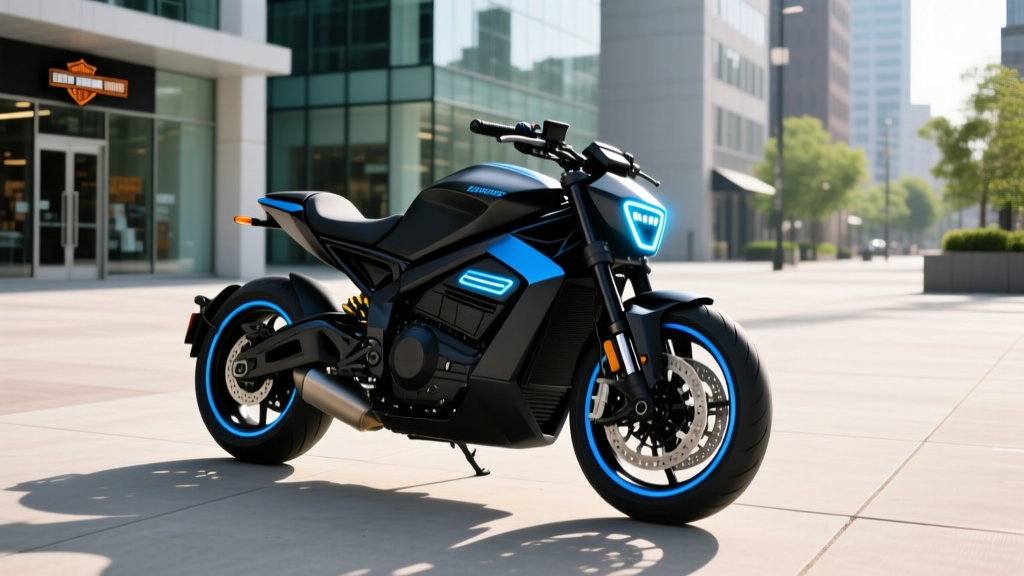
Harley-Davidson's electric venture, the LiveWire brand, offers a compelling proposition for riders who want torque-rich, zero-emission performance with iconic Milwaukee DNA. But the sticker price is only the beginning. Whether you're eyeing the flagship LiveWire ONE or the more accessible S2 Del Mar, understanding the true electric Harley-Davidson cost requires dissecting purchase price, federal and state incentives, charging economics, insurance premiums, maintenance savings, and depreciation across a realistic ownership horizon.
This guide breaks down every dollar — using 2026 model-year pricing, current IRS §30D tax credit rules, and real-world energy costs — so you can decide whether an electric Harley pencils out versus a gas-powered Sportster or Street Glide.
| Spec | LiveWire ONE | S2 Del Mar |
|---|---|---|
| Base MSRP | $21,999 | $15,499 |
| Battery (usable) | 15.4 kWh (NMC) | 10.5 kWh (NMC) |
| EPA Range (city/combined) | 146 mi city / 95 mi combined | 113 mi city / 86 mi combined |
| Peak DC Fast Charge | ~24 kW (CCS) | ~10 kW (CCS) |
| Level 2 Charge Time (0-100%) | ~1.0 hr | ~1.4 hr |
| DC Fast 0-80% | ~40 min | ~45 min |
| Motor Output | 105 HP / 86 lb-ft | 84 HP / 70 lb-ft |
| 0-60 mph | 3.0 sec | 3.5 sec |
| Weight (curb) | 549 lb | 436 lb |
| Warranty (powertrain/battery) | 5 yr / unlimited mi | 5 yr / unlimited mi |
Note: Electric motorcycles are not classified as "automobiles" under IRS §30D, which affects tax credit eligibility (see below). Range figures reflect EPA testing; real-world highway riding at 70+ mph reduces range by 25-40% due to aerodynamic drag and lack of regenerative braking opportunities.
The 5-Year Total Cost of Ownership: LiveWire vs. Gas Harley
To understand the real electric Harley-Davidson cost, we need to project five years of ownership across purchase, energy, insurance, maintenance, and depreciation. Below, we compare the LiveWire ONE against the closest gas analog — the Harley-Davidson Sportster S (MSRP ~$16,399, ~50 MPG combined).
| Category | LiveWire ONE | Sportster S (Gas) | |
|---|---|---|---|
| Purchase Price (MSRP) | $21,999 | $16,399 | |
| Federal Tax Credit | $0 (motorcycle excluded) | $0 | |
| State Incentives (avg.) | -$500 to -$1,500 | $0 | |
| Energy/Fuel (30k mi) | $1,050 (home) – $2,400 (public) | $3,600 (gas @ $4.00/gal, 50 MPG) | |
| Insurance (5 yr) | $9,500 – $12,000 | $6,500 – $8,500 | |
| Maintenance (5 yr) | $600 – $900 | $2,800 – $3,500 | |
| Depreciation (5 yr) | $10,000 – $13,000 | $5,500 – $7,500 | |
| Estimated 5-Yr Total | $32,649 – $42,799 | $33,799 – $39,399 |
The LiveWire ONE's higher purchase price and steeper depreciation offset much of its fuel and maintenance savings. The break-even point depends heavily on how you charge (home vs. public), your insurance profile, and the emerging resale market for electric motorcycles.
Federal Tax Credit Reality: Why §30D Doesn't Apply to Motorcycles
Here's the hard truth most buyers discover too late: the federal §30D Clean Vehicle Credit of up to $7,500 does not apply to electric motorcycles. Under the Internal Revenue Code, §30D defines eligible vehicles as four-wheeled vehicles with a gross vehicle weight rating (GVWR) under 14,000 pounds. Motorcycles — including the LiveWire ONE and S2 Del Mar — are classified differently and are excluded from this credit.
IRS §30D Eligibility Requirements (for reference on four-wheeled EVs):
- Vehicle must have 4 wheels and GVWR < 14,000 lbs
- MSRP cap: $80,000 for SUVs/pickups/vans; $55,000 for sedans
- Buyer income cap (MAGI): $300k joint / $225k head of household / $150k single
- Battery components must meet North American manufacturing thresholds (phasing in through 2029)
- Critical minerals must meet sourcing requirements from the U.S. or FTA partners
- Credit can be transferred to dealer at point of sale for immediate price reduction
- Must be new (used EVs qualify under a separate §25E credit, up to $4,000)
For LiveWire buyers, this means the full MSRP is your starting point for federal tax purposes. However, there are alternative paths to savings:
State, Local & Utility Incentives for Electric Motorcycles:
While federal credits are unavailable, several states and utilities offer rebates specifically for electric two-wheelers. These vary significantly by jurisdiction and change frequently:
- California (CVRP): Historically offered up to $1,000 for electric motorcycles (check current availability at energy.ca.gov)
- Colorado: State tax credit for electric motorcycles — amount varies by year; consult the Colorado Department of Revenue
- Utility rebates: Some municipal utilities (e.g., LADWP, SMUD, Austin Energy) offer $200-$500 rebates for electric motorcycle purchases or home charging equipment
- Federal alternative: The §30C Alternative Fuel Vehicle Refueling Property Credit (up to $1,000 for home charging equipment) may apply to Level 2 charger installation, subject to income and census-tract requirements — consult IRS.gov and a tax professional
Always verify current incentive availability with official state and IRS sources before purchasing. Rules change annually.
Charging vs. Gas: The Per-Mile Cost Math
The strongest financial argument for an electric Harley is energy cost. Electric motorcycles consume energy measured in kWh per 100 miles (or Wh/mile), and the savings over gasoline are substantial — especially with home charging.
| Metric | LiveWire ONE | Sportster S | |
|---|---|---|---|
| Energy Consumption | ~15 kWh/100 mi (combined) | ~50 MPG combined | |
| Home Charging ($0.14/kWh avg.) | $0.021/mile | N/A | |
| Public DC Fast ($0.40/kWh avg.) | $0.060/mile | N/A | |
| Gasoline ($4.00/gal) | N/A | $0.080/mile | |
| Annual Cost (6,000 mi/yr) | $126 (home) / $360 (public) | $480 |
At a national average residential electricity rate of roughly $0.14/kWh (per EIA data), the LiveWire ONE costs approximately 2 cents per mile to ride on home charging. Even at expensive public DC fast-charging rates of $0.35-$0.45/kWh, you're paying roughly 6 cents per mile — still 25% cheaper than gasoline at $4.00/gallon.
Over five years and 30,000 miles, that translates to $1,050 in home-charging costs versus $3,600 in gasoline — a $2,550 energy savings. However, this assumes predominantly home charging. Riders who rely exclusively on public charging networks will see smaller savings, and the LiveWire's relatively slow DC charge rate (peaking around 24 kW on the ONE) means longer stops at public chargers compared to electric cars charging at 150+ kW.
Maintenance Savings: Where Electric Motorcycles Shine
The maintenance advantage of electric motorcycles is undeniable. With no internal combustion engine, the LiveWire eliminates the largest recurring service items on a gas Harley.
| Service Item | LiveWire ONE | Sportster S (Gas) | |
|---|---|---|---|
| Oil Changes (every 5,000 mi) | $0 (none required) | $600 – $900 | |
| Air Filter Replacement | $0 (none) | $150 – $250 | |
| Spark Plugs | $0 (none) | $200 – $350 | |
| Primary/Transmission Fluid | $0 (sealed reduction drive) | $300 – $450 | |
| Valve Adjustments | $0 (no valves) | $400 – $700 | |
| Brake Pads (regen reduces wear) | $150 – $250 | $400 – $600 | |
| Tire Replacement | $500 – $800 | $500 – $800 | |
| Coolant / Misc. | $50 – $100 | $200 – $350 | |
| Total Estimated (5 yr) | $600 – $900 | $2,800 – $3,500 |
Regenerative braking is a major factor here. The LiveWire's regen system handles a significant portion of deceleration, reducing mechanical brake pad wear by an estimated 40-60%. Many owners report original brake pads lasting well beyond 20,000 miles.
The LiveWire's belt-drive final drive also eliminates chain maintenance (cleaning, lubing, adjustment, replacement) common on many gas motorcycles, though some Harley models use belt drive as well.
Total 5-year maintenance savings: approximately $2,000-$2,600. This is the category where the electric Harley-Davidson cost equation swings most clearly in the LiveWire's favor.
Insurance: The Hidden Cost Premium
Insurance is where electric motorcycle ownership gets expensive — and it's the single biggest factor erasing the LiveWire's fuel and maintenance advantages.
Based on aggregated quote data from major motorcycle insurers, expect to pay 30-50% more to insure a LiveWire ONE compared to a Sportster S. Here's why:
- Higher replacement cost: At $21,999 MSRP, the LiveWire ONE costs $5,600 more to replace than the Sportster S. Insurers price collision and comprehensive coverage accordingly.
- Limited repair network: Fewer dealerships and independent shops are certified to service high-voltage electric motorcycle systems, increasing estimated repair costs after a collision.
- Battery replacement risk: While the 15.4 kWh NMC battery is warranted for 5 years, out-of-warranty replacement costs are estimated at $5,000-$8,000. Insurers factor this into total-loss thresholds.
- Performance profile: The LiveWire ONE's 3.0-second 0-60 time places it in a high-performance insurance tier, similar to sport bikes, even though its riding dynamics are more cruiser-oriented.
- Limited claims data: Electric motorcycles have a shorter actuarial history, so insurers apply a risk premium due to uncertainty around long-term reliability and repair frequency.
Expect annual premiums of $1,900-$2,400 for a LiveWire ONE (for a 35-year-old rider with a clean record, full coverage) versus $1,300-$1,700 for the Sportster S. Over five years, that's an additional $2,500-$4,000 in insurance costs.
Mitigation strategies: Shop quotes from at least 4-5 insurers (Progressive, Dairyland, GEICO, and Harley-Davidson Insurance administered by Markel all quote electric motorcycles differently). Some insurers offer discounts for completing the Motorcycle Safety Foundation (MSF) course or for storing the bike in a locked garage.
Depreciation and Resale Value: The Emerging Market Challenge
Depreciation is the largest ownership cost for any vehicle, and electric motorcycles face unique headwinds in the resale market.
Current depreciation trends for LiveWire models:
- Year 1: 15-20% depreciation (typical for new motorcycles of any type)
- Year 2-3: Additional 10-15% per year
- Year 5 (estimated): 45-60% total depreciation from MSRP, meaning a $21,999 LiveWire ONE may be worth $9,000-$12,000 after five years
For comparison, the gas-powered Sportster S historically retains 55-65% of its value after five years, depreciating to roughly $9,000-$11,000 — similar absolute dollar values but from a much lower starting MSRP.
Why electric motorcycles depreciate faster:
- Smaller buyer pool: The used electric motorcycle market is niche, with fewer buyers actively seeking one
- Battery health uncertainty: Used buyers are cautious about out-of-warranty battery replacement costs, even though NMC motorcycle batteries typically retain 85-90% capacity after 5 years of normal use
- Rapid tech advancement: Each new model year brings meaningful range and charging improvements, making older models feel dated faster
- Brand perception: LiveWire is still establishing itself as a standalone brand separate from Harley-Davidson's heritage cachet
The silver lining: as the used EV market matures and more riders become comfortable with electric motorcycle ownership, resale values are expected to stabilize. The LiveWire's 5-year unlimited-mileage powertrain and battery warranty also provides some resale confidence for buyers purchasing within the warranty window.
Is the Electric Harley-Davidson Worth the Cost? Decision Framework
Choose the LiveWire ONE if:
- You ride primarily in urban/suburban environments where the 95-mile combined range covers your daily needs
- You have access to home charging (a standard 120V outlet provides ~13 miles of range per hour; a Level 2 at 3.3 kW fully charges in about 1 hour)
- You value instant torque, silent operation, and near-zero maintenance over long-distance touring capability
- You're willing to accept higher insurance premiums and steeper depreciation as the cost of early electric motorcycle adoption
- You live in a state offering electric motorcycle rebates (California, Colorado, Oregon) that offset $500-$1,500 of the purchase price
Choose the S2 Del Mar if:
- The $15,499 MSRP fits your budget better and you want the lowest entry point into electric Harley-Davidson ownership
- You prioritize a lighter, more agile ride (436 lbs vs. 549 lbs) for city commuting
- You accept the shorter 86-mile combined range as adequate for your riding patterns
Stick with a gas Sportster S or Nightster if:
- You regularly ride 150+ miles in a day and don't want to plan around charging stops
- You live in an apartment or lack home charging access
- Insurance cost is a primary budget concern
- You want proven long-term resale value in a deep used market
Frequently Asked Questions
How much does it really cost to own a LiveWire over 5 years?
For a LiveWire ONE at $21,999 MSRP, expect a 5-year total cost of ownership between $32,649 and $42,799 depending on your charging habits, insurance profile, and realized depreciation. This includes purchase price, energy ($1,050-$2,400), insurance ($9,500-$12,000), maintenance ($600-$900), and depreciation ($10,000-$13,000). The S2 Del Mar at $15,499 MSRP will be $5,000-$7,000 cheaper overall, primarily due to the lower purchase price and slightly lower insurance costs.
Does the LiveWire qualify for the $7,500 federal EV tax credit?
No. The IRS §30D Clean Vehicle Credit applies only to four-wheeled vehicles under 14,000 lbs GVWR. Electric motorcycles, including all LiveWire models, are excluded. However, you may qualify for the §30C Alternative Fuel Refueling Property Credit (up to $1,000) if you install a home Level 2 charger, subject to income limits and census-tract requirements. Check IRS.gov for current rules and consult a tax professional.
How much do I save on fuel and maintenance compared to a gas Harley?
With home charging at $0.14/kWh, you'll spend approximately $1,050 on electricity over 30,000 miles versus $3,600 on gasoline for a 50 MPG Sportster S — saving about $2,550. Maintenance savings are even larger: roughly $2,000-$2,600 over five years thanks to eliminating oil changes, spark plugs, valve adjustments, and primary fluid services, plus reduced brake pad wear from regenerative braking. Combined fuel and maintenance savings total approximately $4,500-$5,150 over five years.
Are electric Harleys more expensive to insure?
Yes — typically 30-50% more than comparable gas motorcycles. A LiveWire ONE will cost approximately $1,900-$2,400 per year to insure (full coverage, 35-year-old rider, clean record) versus $1,300-$1,700 for a Sportster S. The higher premiums reflect the LiveWire's greater replacement cost, limited repair network, battery replacement expense, and high-performance acceleration (3.0-second 0-60). Shopping multiple insurers can reduce this gap.
How well do electric Harley-Davidsons hold their value?
Electric motorcycles currently experience steeper depreciation than their gas counterparts. Expect a LiveWire ONE to retain roughly 40-55% of its MSRP after five years, compared to 55-65% for a Sportster S. The narrower used buyer pool, battery health concerns, and rapidly evolving electric motorcycle technology contribute to faster value loss. However, as the market matures and more riders gain confidence in electric motorcycle reliability, resale values are expected to improve. LiveWire's 5-year unlimited-mileage warranty on the battery and powertrain provides some protection for second-owners purchasing within the warranty window.
What are my charging options for a LiveWire?
The LiveWire ONE charges via a standard J1772/CCS connector. Level 1 (120V household outlet) adds about 13 miles of range per hour — adequate for overnight charging after a typical commute. A Level 2 home charger (240V, 3.3 kW) fully charges the 15.4 kWh battery in roughly 1 hour. DC fast charging at public CCS stations peaks at approximately 24 kW, reaching 80% in about 40 minutes. The smaller S2 Del Mar charges more slowly on DC (~10 kW peak) due to its smaller 10.5 kWh battery.
What's the real-world range of a LiveWire ONE?
The EPA rates the LiveWire ONE at 146 miles in city riding (where regenerative braking maximizes efficiency) and 95 miles combined. In real-world highway riding at sustained 70+ mph speeds, expect 60-75 miles before needing to charge — aerodynamic drag dominates at highway speeds and regen opportunities are limited. Cold weather (below 40°F) can reduce range by an additional 15-25%. Plan long rides around charging infrastructure accordingly.