Quick Answer: An electric gator 4x4 is a battery-electric utility task vehicle (UTV) designed for low-speed property work — hauling, towing, and traversing rough terrain without emissions or fuel. As of 2026, leading models like the John Deere TE 4x4 and Club Car XRT 1550 Electric offer 15–40 miles of real-world range on a 5–15 kWh battery pack, tow up to 600–1,250 lbs, and recharge overnight on a standard 120V outlet. Expect to pay $14,000–$25,000 depending on battery size and configuration. These vehicles are best suited for property owners with short daily routes and access to overnight charging, not for long-range or highway use.
What Is an Electric Gator 4x4 and Who Needs One?
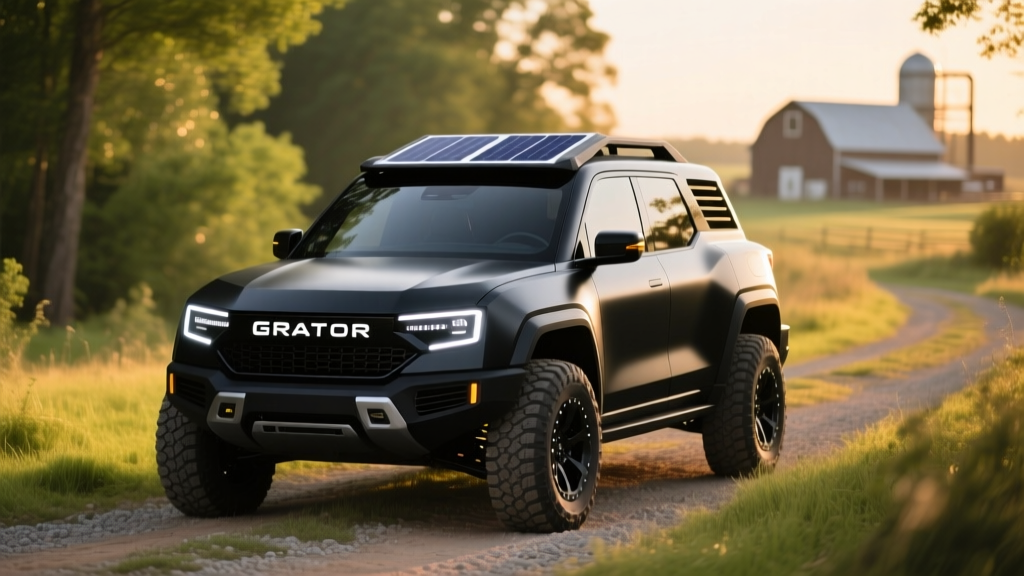
The term "electric gator 4x4" broadly refers to compact, four-wheel-drive utility vehicles powered entirely by a rechargeable battery pack. John Deere popularized the "Gator" name, but the category now includes electric UTVs from Club Car, Polaris (Ranger EV lineage), Intimidator, and several smaller manufacturers. Unlike full-size electric trucks, these are low-speed vehicles (LSVs) or off-road-only machines typically governed to 15–25 mph.
The core use case is property maintenance: checking fence lines, hauling feed, towing a small trailer, plowing snow on a driveway, or moving tools around a farm, estate, or commercial site. If your daily route covers under 20 miles at low speed with frequent stops, an electric gator 4x4 eliminates fuel stops, oil changes, and exhaust fumes — and operates nearly silently, which matters for hunting properties and noise-sensitive environments.
If you need to cover 50+ miles daily, tow over 1,500 lbs, or operate in sustained sub-zero temperatures, a gas or diesel UTV remains the more practical tool.
2026 Electric Gator 4x4 Models: Range, Battery, and Specs
Unlike EPA-rated highway vehicles, electric UTVs don't carry official EPA range stickers. Manufacturers quote range under ideal conditions (flat ground, moderate temperature, light load). Real-world range drops 20–40% with heavy cargo, hilly terrain, or cold weather below 32°F.
| Model | Battery (kWh) | Chemistry | Claimed Range | Real-World Range* | Top Speed | Tow Capacity | Base MSRP |
|---|---|---|---|---|---|---|---|
| John Deere TE 4x4 | ~10 kWh | LFP | ~30 mi | 18–25 mi | 20 mph | 600 lbs | ~$18,500 |
| Club Car XRT 1550 Electric | ~15 kWh | LFP | ~40 mi | 25–35 mi | 25 mph | 1,250 lbs | ~$21,000 |
| Intimidator EV UTV (GC2e) | ~12 kWh | LFP | ~35 mi | 20–28 mi | 25 mph | 1,000 lbs | ~$17,500 |
| Polaris Ranger XP Kinetic | 14.9 kWh | NMC | ~45 mi | 30–40 mi | 25 mph | 2,500 lbs | ~$24,999 |
*Real-world range estimates based on mixed terrain, moderate load, and 50–70°F conditions. Cold weather (below 32°F) can reduce range by an additional 15–25%.
Most 2026 models have shifted to LFP (lithium iron phosphate) chemistry for its longer cycle life — typically 2,000–3,000 full charge cycles before reaching 80% capacity — and its thermal stability. The trade-off is slightly lower energy density compared to NMC, meaning heavier packs for the same range. For a UTV that charges at home nightly, this trade-off strongly favors LFP's longevity.
The Polaris Ranger XP Kinetic stands out with the highest tow rating in the segment (2,500 lbs) and a 14.9 kWh NMC pack, but it also commands the highest price. If your work involves heavy towing — moving logs, pulling a loaded utility trailer — it's the clear capability leader.
Charging: What You Need at Home or on the Job
Electric gator 4x4 vehicles charge on standard 120V household outlets (Level 1). Most include an onboard charger rated at 1–2 kW, meaning a full charge from a depleted 10 kWh battery takes 5–10 hours. This is perfectly suited to overnight charging — plug in when you finish work, and the vehicle is ready by morning.
| Charging Method | Power (kW) | Time for 10 kWh Pack (0–100%) | Infrastructure Needed |
|---|---|---|---|
| Standard 120V Outlet (Level 1) | 1.0–1.5 kW | 7–10 hours | Existing outlet on a 15A/20A circuit |
| 240V Outlet (Level 2) | 2.0–3.3 kW | 3–5 hours | NEMA 14-50 or hardwired; electrician install |
A dedicated 240V circuit is not required but cuts charge time roughly in half. For most owners, a standard garage or barn outlet on its own circuit is sufficient. If your outlet shares a circuit with other heavy loads (well pump, shop equipment), consult a licensed electrician to avoid tripping breakers.
DC fast charging is not available on any current electric UTV in this segment. The small battery packs simply don't require it — and the cost of DCFC hardware would add thousands to the vehicle price without practical benefit for a machine that sits parked overnight.
Cost Breakdown: Electric Gator 4x4 vs. Gas UTV Ownership
The upfront price of an electric gator 4x4 is typically $3,000–$7,000 higher than a comparable gas UTV. The savings come from fuel and maintenance over the ownership period.
| Cost Factor | Electric Gator 4x4 | Gas UTV (e.g., Honda Pioneer) |
|---|---|---|
| Base Purchase Price | $17,500–$25,000 | $11,000–$16,000 |
| Fuel / Electricity (per year, 1,000 mi) | $40–$90 (at $0.13–$0.18/kWh) | $350–$500 (at $3.50/gal, ~15 mpg) |
| Annual Maintenance | $50–$100 (tires, brakes, fluids check) | $200–$400 (oil, filter, spark plugs, belts) |
| 5-Year Fuel + Maintenance | $450–$950 | $2,750–$4,500 |
| Battery Warranty | 3–5 years / limited cycle count | N/A |
| Estimated Battery Replacement (year 8–10) | $2,500–$5,000 | N/A |
Over five years, the electric UTV saves roughly $2,000–$3,800 in combined fuel and maintenance. That narrows but doesn't fully erase the purchase premium. The breakeven point typically arrives in years 5–7, depending on usage intensity and local electricity rates.
Note: Electric UTVs do not qualify for the federal §30D clean vehicle tax credit, which applies to on-road vehicles meeting specific MSRP, income, and battery-sourcing requirements per IRS guidelines. Some states or utility cooperatives offer off-road equipment rebates — check your local programs.
Electric vs. Gas UTV: Which Fits Your Operation?
| Factor | Electric Gator 4x4 | Gas UTV |
|---|---|---|
| Daily Range Need | Best under 20–30 mi | 100+ mi easily |
| Noise Level | Near-silent operation | 70–85 dB under load |
| Emissions at Point of Use | None | CO, NOx, particulates |
| Cold-Weather Performance | Range drops 15–25% below 32°F | Minimal impact (uses waste heat) |
| Refueling / Recharging | Overnight at 120V outlet | Gas can or station, 2 min |
| Towing (max) | 600–2,500 lbs | 1,500–2,500 lbs |
| Instant Torque for Hills | Yes — full torque at 0 RPM | Requires RPM build-up |
| Long-Term Maintenance | Minimal (no oil, belts, plugs) | Regular service intervals |
Decision Framework — Should You Go Electric?
- Choose electric if: your daily routes are under 25 miles, you have access to a 120V outlet at your barn or garage, noise is a concern (hunting property, residential area, early-morning chores), and you want to minimize maintenance.
- Choose gas if: you regularly exceed 30 miles per day, need rapid refueling in the field, operate in sustained sub-zero temperatures, tow over 2,000 lbs frequently, or lack reliable overnight charging access.
- Consider a hybrid approach: some operations run an electric UTV for daily property checks and keep a gas UTV for heavy or long-range tasks.
Common Misconceptions About Electric Gator 4x4 Vehicles
| Myth | Fact |
|---|---|
| "The battery will die in 3 years and cost $10,000 to replace." | Modern LFP packs are rated for 2,000–3,000 cycles. At one cycle per day, that's 5.5–8+ years before reaching 80% capacity. Replacement packs run $2,500–$5,000 depending on model. |
| "Electric UTVs have no power for hills or towing." | Electric motors deliver peak torque instantly at 0 RPM. The Polaris Ranger Kinetic tows 2,500 lbs — matching many gas competitors — and climbs grades without downshifting. |
| "I need a special charger or electrical upgrade." | A standard 120V outlet on a dedicated 15A circuit handles overnight charging for virtually all electric UTVs. No special infrastructure required for most users. |
| "Electric UTVs can't handle rain, mud, or dust." | Electric drivetrains are sealed and often more water-resistant than gas engines with air intakes. Most models carry IP67-rated battery enclosures. |
| "The range is exactly what the brochure says." | Manufacturer range claims assume flat ground, light loads, and moderate temperatures. Expect 20–40% less in real working conditions — especially with cargo, hills, or cold weather. |
First-Time Buyer Checklist: What to Know Before You Purchase
If you're evaluating your first electric gator 4x4, work through these practical considerations before visiting a dealer:
- Map your daily route. Drive your typical property loop and note the distance with a GPS or phone app. Add 30% to that number as a safety buffer. If the total exceeds 30 miles, electric may not fit without mid-day charging.
- Verify your charging location. Identify a 120V outlet within reach of where the vehicle parks. Ensure it's on its own circuit (not shared with a freezer or well pump). A simple outlet tester ($10 at any hardware store) confirms proper wiring and grounding.
- Assess your climate impact. If you operate regularly below 32°F, budget for 20–25% range loss. LFP chemistry is more cold-tolerant than older lead-acid packs but still loses capacity in extreme cold. Some models offer battery preheating — ask the dealer.
- Calculate your actual towing and payload needs. Check the manufacturer's rated tow capacity and cargo bed limit. Electric UTVs carry the battery's weight low in the chassis, which helps stability, but total GVWR still applies.
- Ask about battery warranty terms specifically. Look for the capacity retention threshold (e.g., "70% of original capacity at 5 years") and whether the warranty covers labor for replacement. Read the fine print on cycle-count limits.
- Test-drive under working conditions. Don't just drive on the dealer lot. Ask to demo the vehicle on an incline, with a loaded bed, or on loose terrain. Instant torque feels different than a gas engine — make sure the throttle response suits your preference.
- Confirm parts and service availability. Electric UTVs have fewer wear items, but when something does need service, you want a dealer within reasonable distance who stocks parts and has trained technicians. This is especially important for smaller brands.
Battery Longevity, Degradation, and Replacement Costs
Battery health is the single biggest long-term ownership question for any electric vehicle, and UTVs are no exception. Here's what the data shows:
LFP chemistry (John Deere, Club Car, Intimidator): These packs typically retain 80% of original capacity after 2,000–3,000 full charge cycles. If you charge daily, that's roughly 5.5–8 years before meaningful range reduction. Many owners report well over 80% capacity at year 5 when charging habits are moderate (not regularly draining to 0% or sitting at 100% for weeks).
NMC chemistry (Polaris Ranger Kinetic): Higher energy density but somewhat shorter cycle life — typically 1,000–2,000 cycles to 80%. Still translates to 3–5.5 years of daily use. Polaris backs the pack with a 3-year warranty.
Replacement cost: Plan for $2,500–$5,000 for a replacement battery pack depending on model and capacity. This is a fraction of a full engine rebuild on a gas UTV, but it's a cost that gas owners never face. Factor it into your 10-year total cost of ownership.
Best practices for longevity:
- Avoid regularly discharging below 15% State of Charge (SoC)
- If storing for extended periods (winter), leave the pack at ~50% SoC
- Don't leave the vehicle plugged in at 100% for days at a time
- Charge in a sheltered, temperature-moderate space when possible
Frequently Asked Questions
Can I use an electric gator 4x4 for hunting?
Yes — and this is one of the strongest use cases. Electric UTVs operate nearly silently (no engine noise, just tire and suspension sounds), which makes them ideal for accessing hunting leases or checking trail cameras without disturbing wildlife. The limited range is usually not an issue since most hunting properties are under a few square miles. Just plan your route to ensure you have enough charge for the return trip with added cargo weight from harvested game.
Do electric gator 4x4 vehicles qualify for any tax credits?
The federal §30D clean vehicle credit does not apply to off-road UTVs. However, some states, counties, and electric cooperatives offer rebates for electric off-road equipment, particularly in agricultural or air-quality-sensitive regions. Check with your local utility and state energy office. The Alternative Fuels Data Center maintains a database of state-level incentives.
How does cold weather affect an electric UTV?
Battery chemistry slows down in cold temperatures. Expect 15–25% range reduction below 32°F and up to 35% loss below 0°F. Performance (torque, speed) is largely unaffected — the vehicle will still climb and tow normally — but you'll cover fewer miles per charge. If you operate primarily in cold climates, choose a model with the largest available battery pack to absorb the seasonal range hit.
What's the lifespan of an electric gator 4x4 compared to a gas UTV?
The chassis, suspension, and drivetrain components wear similarly on both. The key difference is the powertrain: a gas engine may need a top-end rebuild at 3,000–5,000 hours, while an electric motor has essentially no wear components. The battery pack will eventually need replacement (year 6–10 depending on use), but the motor itself can outlast the vehicle. Many owners report 10+ year service life with a single battery swap mid-life.
Can I charge an electric UTV from solar panels?
Yes. A typical 10 kWh battery requires roughly 10–12 kWh of solar generation for a full charge (accounting for inverter losses). That's achievable with a 3–4 kW solar array over a sunny day. Several farm and ranch operations pair electric UTVs with barn-mounted solar systems for effectively zero-marginal-cost operation. Consult a solar installer to size a system for your specific usage pattern.
Is insurance required for an electric gator 4x4?
Requirements vary by state and by whether you operate on public roads. Most states don't require insurance for off-road-only UTVs used on private property, but if you cross public roads or operate on state-managed trails, insurance may be mandatory. Even where not required, liability coverage is recommended — a UTV rollover can cause serious injury. Annual premiums for off-road UTV insurance typically run $200–$500 depending on coverage level.