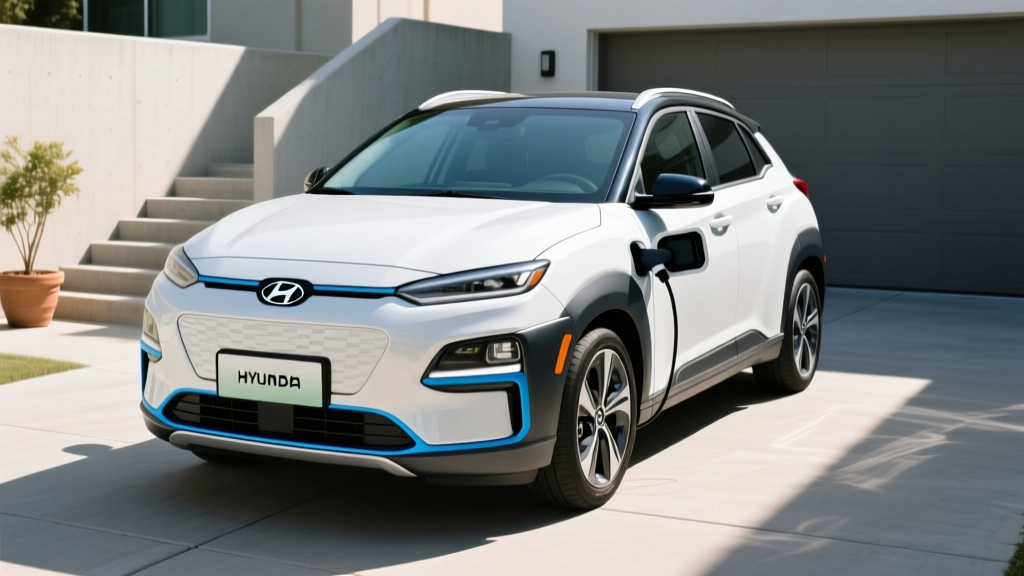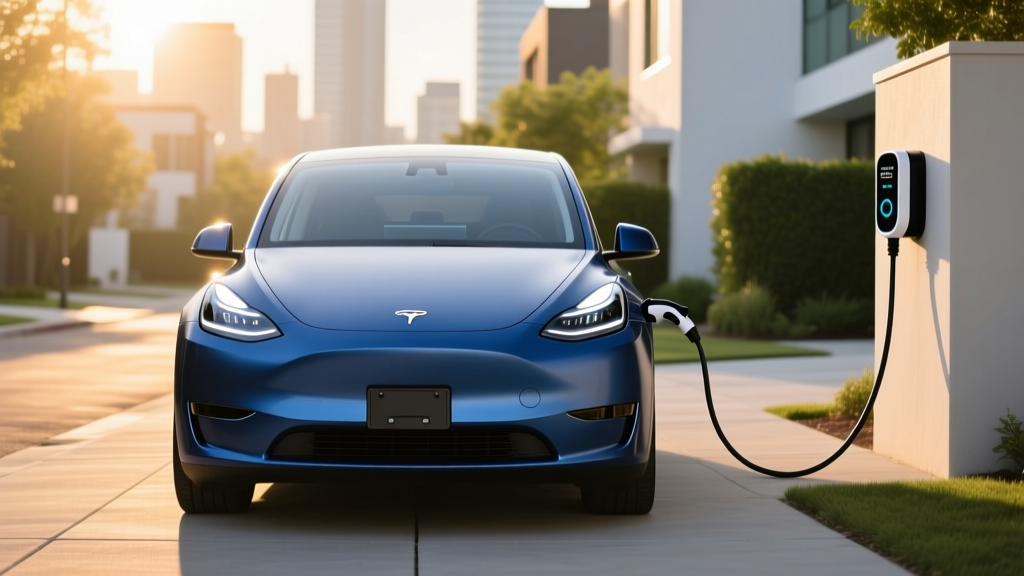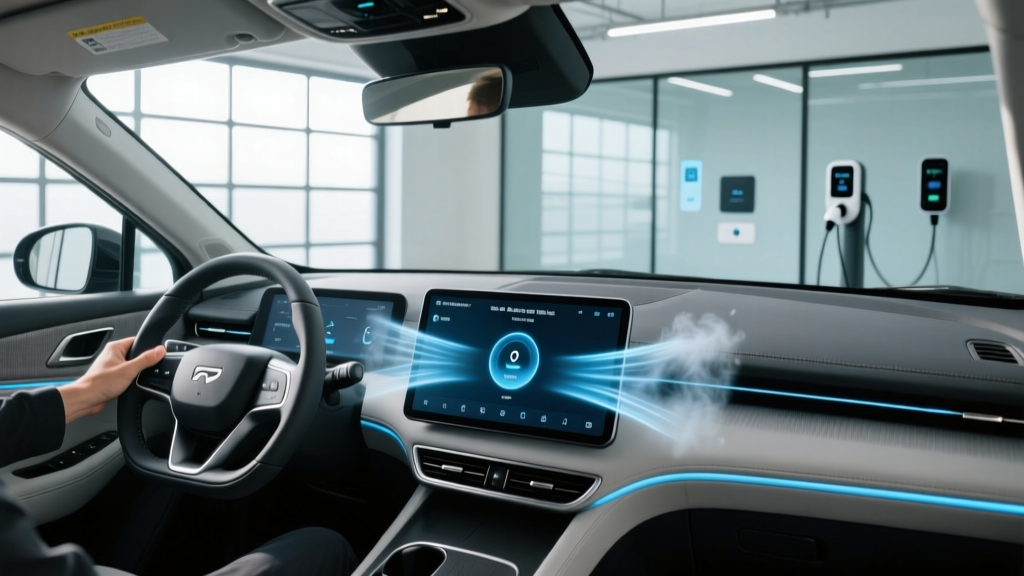
Quick Answer: What Is an Electric Fan Car?
The term "electric fan car" is not an official vehicle category — it's a colloquial search phrase that typically refers to one of three things: (1) an electric vehicle (EV) whose cabin cooling relies on electrically driven fans and a heat pump rather than a belt-driven engine compressor, (2) a vehicle with prominent electric radiator/condenser cooling fans (common on all EVs since there's no serpentine belt), or (3) a misunderstanding conflating EVs with vehicles that use engine-driven mechanical fans. In every modern battery-electric vehicle sold in 2026, cabin heating and cooling are handled entirely by electric compressors, electric blower fans, and — in most models — a heat pump. This architecture matters because it directly affects your real-world range, energy costs, and cold-weather usability.
Why Every EV Is Technically an "Electric Fan Car"
In a conventional gas-powered car, the air conditioning compressor is typically driven by a serpentine belt connected to the engine crankshaft. The cabin blower fan is electric, but the heavy lifting of the A/C system depends on the engine running. The radiator cooling fan may be mechanical (clutch-driven) or electric.
In a battery-electric vehicle, there is no engine and no serpentine belt. Every thermal component — the A/C compressor, the cabin blower fan, the radiator and condenser fans, the battery coolant pump, and the heat pump (if equipped) — runs on electricity drawn from the high-voltage traction battery or the 12V auxiliary system. This makes every EV, by definition, an "electric fan car" at the component level.
Here's why that engineering distinction matters to you as a buyer:
- Range impact: Running the A/C compressor and blower fans draws between 1–4 kW continuously depending on ambient temperature and cabin volume. In a vehicle with a 75 kWh usable battery, that can reduce effective range by 5–15% in summer heat.
- Preconditioning gains: Because the system is fully electric, you can precondition (pre-cool or pre-heat) the cabin while plugged in at home — using grid power, not battery energy. This is a tangible ownership advantage no gas car can match.
- Heat pump efficiency: Many 2026 models (Hyundai Ioniq 5, Tesla Model Y, BMW iX, Volvo EX30) include a heat pump that moves heat rather than generating it electrically, drawing roughly 1–2 kW in moderate cold versus 4–6 kW for resistive PTC heaters.
EV vs Gas Car: HVAC Energy Cost Compared
One of the most common questions first-time EV buyers ask is whether running the climate system will "eat up" their range or cost more than gas-car A/C. Let's compare with real numbers.
| Metric | 2026 Tesla Model Y (Long Range AWD) | 2026 Toyota RAV4 (Gas, AWD) |
|---|---|---|
| EPA Combined Efficiency | 122 MPGe / 28 kWh/100 mi | 30 MPG combined |
| Energy cost per mile (US avg.) | $0.045 (at $0.16/kWh home charging) | $0.113 (at $3.40/gal gasoline) |
| Climate system energy draw (A/C, moderate heat) | 1.5–3.0 kW (electric compressor + fans) | Negligible extra fuel — belt-driven compressor |
| Range impact from A/C (90°F day, 2-hour drive) | ~5–10% (~16–30 mi on 320-mi EPA range) | ~3–5% (~12–20 mi on 420-mi range) |
| Precondition while plugged in? | Yes — zero battery drain | No — engine must idle |
| Heating cost in 30°F weather (1 hr, parked) | ~2–4 kWh ($0.32–$0.64 at home) | ~0.4 gal idling ($1.36) |
Sources: fueleconomy.gov, EPA estimates. Electricity rate: US EIA residential average ~$0.16/kWh (2025–2026 data).
The takeaway: EV climate systems do consume measurable energy, but the per-mile cost remains dramatically lower than gasoline. Even with A/C running hard in summer, a Model Y owner pays roughly $0.05–0.06 per mile all-in, compared to $0.12–0.14 per mile for the RAV4. The "electric fan car" architecture actually saves money over time.
Real-World Range Impact: Heat Pumps, PTC Heaters, and Cooling Fans
Not all EV thermal systems are equal. The type of heating and cooling hardware your EV uses determines how much range you'll lose in extreme temperatures.
Real-World Range Expectations (Climate System On)
EPA sticker range: Rated at 68–77°F with minimal climate load.
Summer highway (95°F, A/C on): Expect ~85–92% of EPA range.
Winter highway (30°F, heat pump): Expect ~70–80% of EPA range.
Winter highway (30°F, PTC resistive heat): Expect ~55–65% of EPA range.
Extreme cold (0°F, PTC, short trips): As low as 50% of EPA range.
This is why heat pump adoption matters enormously for buyers in northern climates. The 2026 Hyundai Ioniq 5, Kia EV6, Tesla Model 3/Y, Ford Mustang Mach-E (late 2024+ builds), and most premium European EVs include a heat pump as standard or optional equipment. Models still relying on PTC (positive temperature coefficient) resistive heaters — typically older or budget-oriented platforms — can see significantly worse winter range.
The electric condenser and radiator fans also play a role. During DC fast charging, the battery generates substantial heat, and the vehicle's thermal management system runs the cooling fans aggressively to keep battery cells in the optimal 25–40°C window. You'll hear these fans at full speed at any 150+ kW charging station — it's normal and indicates the system is protecting long-term battery health.
5-Year Ownership Cost: EV Climate System vs Gas Car HVAC
Let's model a realistic 5-year ownership scenario comparing climate-related costs for an EV and a comparable gas vehicle. This uses a 2026 Chevrolet Equinox EV (2LT, 319 mi EPA range, $33,600 MSRP before incentives) versus a 2026 Chevrolet Equinox Gas (AWD, 28 MPG combined, ~$31,000 MSRP).
| Cost Category (5 Years, 75,000 Miles) | Equinox EV | Equinox Gas |
|---|---|---|
| Purchase price (MSRP) | $33,600 | $31,000 |
| Estimated §30D federal tax credit | Up to $7,500 (eligibility varies — see IRS §30D rules) | $0 |
| Effective purchase after credit | ~$26,100 | $31,000 |
| Energy/fuel cost (75,000 mi) | $2,700 (home charging, $0.16/kWh, 32 kWh/100mi avg incl. climate load) | $9,107 (75,000 mi ÷ 28 MPG × $3.40/gal) |
| Climate-system maintenance (cabin filter, refrigerant, fan motor) | $250–$400 (cabin filter changes; electric compressor has no belt wear) | $600–$1,000 (cabin filter, A/C refrigerant recharge, belt inspection, compressor clutch) |
| Total HVAC-related energy + maintenance | ~$3,050 | ~$10,107 |
| 5-year savings (EV vs gas, HVAC-related) | ~$7,050 saved | |
The electric-compressor-and-fan architecture of an EV eliminates belt replacements, compressor clutch failures, and engine-idle heating costs. The electric components do have wear items — cabin air filters still need replacement every 15,000–20,000 miles, and refrigerant systems can leak — but overall maintenance is lighter and cheaper.
Common Misconceptions About EV Cooling and Heating
| Myth | Fact |
|---|---|
| "Running the A/C in an EV kills your range completely." | Modern electric A/C compressors draw 1.5–3 kW. On a 300-mile-range EV, summer A/C typically costs 5–10% range (~15–30 miles). Meaningful but not catastrophic. |
| "EVs can't produce hot air without a gas engine." | EVs use either PTC resistive heaters (like a giant hair dryer) or heat pumps (refrigeration cycle in reverse). Both produce ample cabin heat — the difference is efficiency, not capability. |
| "The big fans I hear at a DC fast charger mean something is wrong." | Those are the electric condenser/radiator fans cooling the battery during high-power charging. They're supposed to run hard — it's the thermal management system protecting your battery's long-term health. |
| "EVs waste more energy on climate than gas cars." | Gas cars waste ~60–70% of fuel energy as heat (thermodynamic limit of internal combustion). EVs convert ~85–90% of battery energy to motion. Even with climate draw, EVs are far more energy-efficient per mile. |
| "You can't preheat an EV in a closed garage." | This is actually an EV advantage. With no exhaust emissions, you can safely precondition an EV in a closed garage — unlike a gas car, which risks carbon monoxide poisoning. |
First-Time EV Buyer's Guide to Thermal Management
If you're shopping for your first EV and want to understand how cabin climate will affect your ownership experience, here's a practical decision framework:
Choose Based on Your Climate and Driving Pattern
- If you live in a mild climate (rarely below 40°F or above 90°F): A heat pump is a nice-to-have, not essential. Nearly any 2026 EV with 250+ miles of EPA range will serve you well with minimal climate-related range loss. Budget models without heat pumps (some base trims) are perfectly viable.
- If you live in a cold climate (frequent sub-30°F winters): A heat pump is strongly recommended — it can save 15–25% of winter range compared to PTC heating. Prioritize models with standard heat pumps: Tesla Model 3/Y, Hyundai Ioniq 5/6, Kia EV6/EV9, BMW i4/iX, Volvo EX30/EX90. Also verify the vehicle has battery preconditioning for DC fast charging in cold weather.
- If you live in extreme heat (frequent 100°F+ summers): Look for EVs with robust thermal management (liquid-cooled batteries, large condenser capacity). Tesla, Hyundai/Kia E-GMP, and GM Ultium platforms handle sustained heat well. Tinted glass roofs (common on EVs) can increase cabin heat load — consider models with a shade or retractable cover.
- If you lack home charging and rely on public DC fast charging: Battery preconditioning is critical. Models that precondition the battery before you arrive at a charger (Tesla navigation-based preconditioning, Hyundai/Kia E-GMP) will charge significantly faster, especially in cold weather — the cooling fans and thermal loop need to bring cells to ~30–35°C before peak kW rates are available.
- If you frequently take road trips over 250 miles: Factor in a 10–15% range buffer for A/C or heating use. Plan charging stops with the assumption that real-world range will be 85–90% of the EPA sticker in summer and 70–80% in winter. Use A Better Route Planner (ABRP) for realistic trip modeling with climate load.
What to Look For: Thermal Specs That Matter in 2026 EVs
When comparing EVs, manufacturers don't always publish thermal system details prominently. Here's what to check on the spec sheet or ask the dealer:
- Heat pump: Standard, optional, or not available? (Critical for cold climates.)
- Battery thermal management: Liquid-cooled (standard on nearly all 2026 EVs) vs. air-cooled (avoid — the Nissan Leaf's air-cooled system is a cautionary tale for degradation).
- Preconditioning for charging: Does the vehicle precondition the battery automatically when a DC fast charger is set as the navigation destination?
- Cabin preheating/precooling while plugged in: All modern EVs support this via smartphone app — confirm the feature and whether it draws grid power or battery when unplugged.
- Waste heat recovery: Some platforms (Hyundai E-GMP, GM Ultium) recover waste heat from the motor and power electronics to supplement cabin heating — improving winter efficiency.
Frequently Asked Questions
Do electric cars have radiator fans like gas cars?
Yes. EVs have electric condenser and radiator fans that cool the battery coolant loop, power electronics, and A/C condenser. Unlike gas cars, which may use belt-driven mechanical fans, every EV fan is electrically powered. You'll typically hear them running hard during DC fast charging or sustained high-speed driving in hot weather.
Does using the heater in an EV drain the battery faster than A/C?
Generally, yes — especially if the vehicle uses a PTC resistive heater, which can draw 4–6 kW. A heat pump reduces heating draw to roughly 1–2.5 kW in moderate cold, bringing it closer to A/C consumption. In extreme cold (below 10°F), even heat pumps lose efficiency and may supplement with PTC elements.
Can I run my EV's climate system while it's charging?
Yes. Every modern EV allows you to sit in the cabin with heating or A/C running during a charging session. The power comes from the charger, so it doesn't slow your charging session meaningfully. This is one reason EV road trips in extreme weather are more comfortable than gas-car equivalents — you can stay in a climate-controlled cabin at a rest stop without idling an engine.
Will the electric A/C compressor need replacement like in a gas car?
Electric A/C compressors in EVs tend to last longer than belt-driven gas-car compressors because they have fewer mechanical linkage points (no clutch, no belt, no pulley bearing). Most are designed for the life of the vehicle. If one does fail out of warranty, replacement typically costs $1,200–$2,500 including labor — comparable to a gas-car compressor job.
Is the "electric fan car" a specific model or brand?
No. There is no production vehicle called the "Electric Fan Car." The term appears in search queries from buyers who are either (a) noticing the electric cooling fans on EVs and wondering about their purpose, (b) confusing EVs with aftermarket electric fan conversions for classic cars, or (c) referencing the fact that all EV climate systems are electrically driven. Every battery-electric vehicle on the market in 2026 fits the literal description of an "electric fan car."