The Quick Answer: Should You Buy an Electric Dragbike?
An electric dragbike delivers instant torque and sub-2-second 0-60 mph times in top-tier builds, but real-world ownership in 2026 demands honest math. Expect to spend $12,000–$45,000+ depending on whether you choose a production model like the Lightning LS-218 or a custom drag-specific build. Range is typically 40–100 miles (street-legal trims), charging takes 2–6 hours on Level 2 (or 30–50 minutes on DC fast charge where supported), and insurance runs 30–60% higher than comparable gas motorcycles. If your goal is quarter-mile performance with minimal maintenance and you have home charging access, an electric dragbike can make sense. If you want all-day canyon carving or live in a charging desert, a gas drag bike remains the pragmatic choice.
What Exactly Is an Electric Dragbike (and What It Isn't)
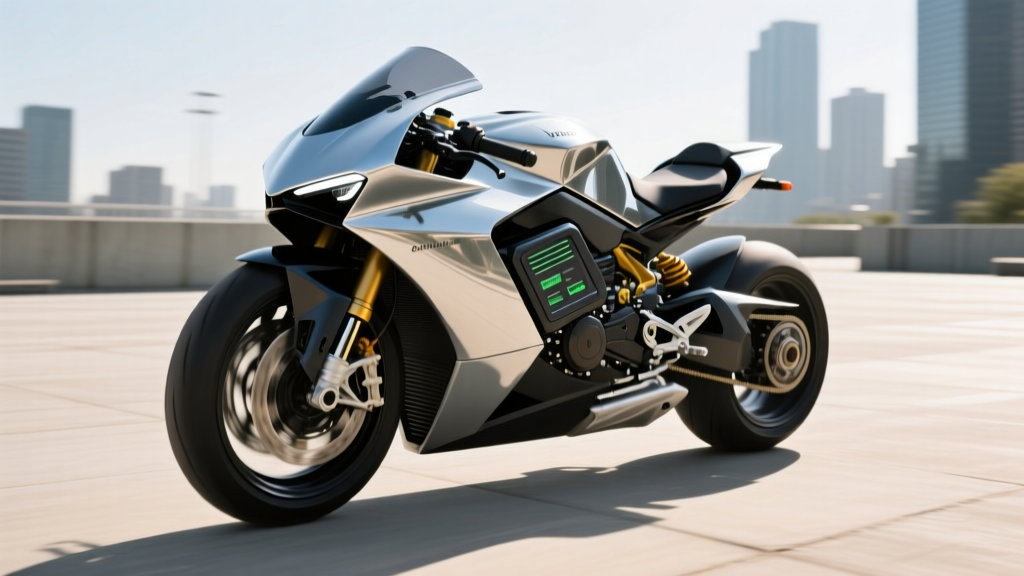
An electric dragbike is a motorcycle optimized for straight-line acceleration, powered by a battery-electric powertrain rather than an internal combustion engine. Unlike gas drag bikes that rely on high-displacement engines, nitrous systems, and complex transmissions, electric dragbikes use one or more electric motors fed by a lithium-based battery pack (typically NMC chemistry for energy density, though some budget builds use LFP for cycle life).
The key distinction: most production electric motorcycles — like the Zero SR/F or the Energica Ego — are street-legal sport bikes that happen to be quick. A true electric dragbike prioritizes launch performance, often with sticky rear tires, extended swingarms, wheelie bars, and powertrain tuning optimized for 10–15-second bursts rather than sustained highway cruising.
As of 2026, the market breaks into three tiers:
- Production electric motorcycles with drag capability: Lightning LS-218, Energica Ego+, Zero SR/F (street-legal, 150–218 mph top speed, $20,000–$45,000)
- Purpose-built electric drag bikes: Custom chassis builds from shops like Lark Streamliner or private fabricators, often using Motenergy or PMAC motors ($15,000–$35,000 for competitive bracket racers)
- Entry-level/commuter electrics with modest performance: CSC City Slicker, Ryvid Anthem ($3,000–$8,000, 0-60 in 5–8 seconds — not true drag bikes, but sometimes marketed as such)
Performance by the Numbers: Electric vs. Gas Drag Bikes
The performance comparison is where electric dragbikes make their strongest case — and where the nuance matters most. Here's how the data stacks up for 2026:
| Metric | Electric (Lightning LS-218) | Gas (Suzuki Hayabusa) | Custom Electric Drag Build | Top-Fuel Gas Drag Bike |
|---|---|---|---|---|
| 0-60 mph | 2.2 sec | 2.5 sec | 1.8–2.0 sec | <1.0 sec |
| Quarter-Mile | ~9.5 sec @ 150 mph | ~10.1 sec @ 140 mph | 8.5–9.2 sec @ 155+ mph | 5.5–6.0 sec @ 240+ mph |
| Peak Power | 200 hp / 180 lb-ft | 188 hp / 110 lb-ft | 250–400 hp (varies) | 3,000+ hp |
| Weight | ~585 lbs | ~575 lbs | 450–650 lbs | 1,000+ lbs |
| Drivetrain Loss | ~2–3% (direct drive) | ~12–15% (chain + gearbox) | ~2–5% | ~10–15% |
| Maintenance per Season | $200–$400 | $1,200–$2,500 | $300–$600 | $5,000–$15,000+ |
The electric advantage is immediate: peak torque from 0 RPM means no clutch slip, no gear shifts, and no powerband hunting. A well-tuned electric dragbike launches harder than a gas bike of equivalent horsepower because 100% of torque is available the instant you twist the throttle. Drivetrain simplicity — typically a single-speed reduction gear or direct chain drive — eliminates the shift delay that costs gas bikes tenths of a second.
However, gas still dominates at the extreme end. Top-fuel drag bikes making 3,000+ horsepower and running 5-second quarter miles have no electric equivalent. Battery weight and thermal limits cap current electric builds in the 8–10 second range for street-legal and bracket-race classes. If you're chasing NHRA Pro Stock Motorcycle or Top Fuel, gas remains mandatory.
Real Costs of Electric Dragbike Ownership in 2026
Purchase price is only the start. Here's a full cost breakdown comparing a production electric drag-capable motorcycle (Lightning LS-218 baseline) against a comparable gas sport bike used for drag racing:
| Cost Category | Electric (LS-218 Class) | Gas (Hayabusa Class, Drag-Prepped) |
|---|---|---|
| Purchase Price (MSRP) | $38,888–$44,888 | $18,599–$22,000 |
| Federal Tax Credit (§30D, 2026) | $0 (motorcycles excluded from §30D) | $0 |
| Home Charger (Level 2, 240V) | $500–$1,200 (equipment + install) | N/A |
| Energy/Fuel (5 years, 6,000 mi) | $450–$750 (electricity @ $0.14/kWh avg) | $2,400–$3,600 (premium fuel, 35 mpg avg) |
| Maintenance (5 years) | $1,000–$2,000 (tires, brake fluid, chain) | $6,000–$12,500 (oil, valves, clutch, engine refresh) |
| Insurance (5 years) | $9,000–$14,000 (high-performance EV surcharge) | $5,500–$8,500 |
| Tires (drag-specific, 5 years) | $1,500–$2,500 | $1,500–$2,500 |
| Battery Replacement Reserve | $8,000–$15,000 (if out of warranty at ~60k+ mi) | N/A (engine rebuild: $3,000–$6,000) |
| Estimated 5-Year Total | $59,338–$80,338 | $37,000–$55,100 |
Critical note on tax credits: The federal §30D clean vehicle credit applies to four-wheeled vehicles (cars, trucks, SUVs) meeting specific MSRP caps, buyer income limits, and battery sourcing requirements as outlined by the IRS. Motorcycles, including electric dragbikes, do not qualify for the §30D credit. Some states offer separate electric motorcycle incentives (California's CVRP has historically included motorcycle rebates, for example), but these vary by jurisdiction and funding availability — always check your state's current programs.
Charging Costs: The Math That Favors Electric
Where electric dragbikes claw back cost advantage is in energy. A typical high-performance electric motorcycle battery pack is 12–20 kWh (usable). At the US average residential electricity rate of roughly $0.16/kWh in 2026 (per EIA data), a full charge costs $1.92–$3.20. That same distance on a gas drag bike burning premium fuel at $4.50/gallon and averaging 30–35 mpg costs roughly $7.70–$9.00.
Over 1,200 miles per year (typical for a weekend/race bike), the electric bike saves $400–$570 annually on fuel alone. Over five years, that's $2,000–$2,850 in energy savings — meaningful, but not enough to offset the higher purchase price and insurance premiums.
Battery, Range, and Charging: The Practical Reality
Range is where most first-time electric motorcycle buyers get surprised — and not in a good way. Here's the honest picture:
Real-World Range Expectations
Lightning LS-218 (20 kWh pack): Manufacturer claims ~100 miles city / 70 miles highway. In real-world drag-riding and aggressive street use, expect 40–60 miles before needing a charge. Sustained speeds above 80 mph drain the pack rapidly due to aerodynamic drag scaling with velocity squared.
Zero SR/F (15.8 kWh usable, Z-Force battery): EPA-rated ~143 miles city / 82 miles highway combined. Real-world aggressive riding: 55–75 miles. Drag-strip launches (10–15 full-throttle passes) can consume 15–25% of battery capacity in under an hour.
Custom drag builds (10–15 kWh packs): Purpose-built for strip use, range is often 15–30 miles — these bikes are trailered to events and charged between rounds.
Charging Speeds and Infrastructure
| Level | Power (kW) | Voltage | Charge Time (0–100%, 15 kWh pack) | Availability |
|---|---|---|---|---|
| Level 1 (120V household) | 1.0–1.4 kW | 120V AC | 11–15 hours | Any standard outlet |
| Level 2 (240V home/public) | 3.3–7.2 kW | 240V AC | 2.5–5 hours | Home install or public stations |
| DC Fast Charge (CCS/NACS) | 10–25 kW (bike-limited) | 200–400V DC | 30–50 min (10–80%) | Limited — few public DCFC stations support motorcycle charging |
A critical infrastructure gap: most DC fast charging stations are designed for cars. The physical layout — parking spaces sized for vehicles, cable reach, connector height — often doesn't accommodate motorcycles safely. Some riders report being turned away from Electrify America or EVgo stations due to attendant concerns about motorcycle positioning near heavy EVs. Plan accordingly and prioritize home Level 2 charging as your primary strategy.
Preconditioning matters: Just like electric cars, lithium batteries charge faster and deliver peak power when warm. If your electric dragbike supports battery preconditioning (the Zero SR/F does via its Charge Tank accessory), use it before DC fast charging or before a drag session to ensure the cells are in the optimal 25–35°C temperature window. Cold batteries (below 10°C / 50°F) can see 20–30% power reduction and significantly slower charge acceptance.
Common Electric Dragbike Misconceptions, Corrected
| Myth | Fact |
|---|---|
| "Electric bikes qualify for the $7,500 federal tax credit" | False. IRS §30D applies only to four-wheeled vehicles. Motorcycles are excluded. Check state-level incentives separately. |
| "Electric dragbikes are maintenance-free" | Partially true for the powertrain (no oil, valves, or clutch), but tires, brake pads, suspension, chain/belt, and cooling system still require service. Budget $200–$400/year minimum. |
| "You'll get 100+ miles of range on the highway" | Only under ideal conditions (moderate speed, warm weather, flat terrain). Real highway range at 70+ mph is typically 50–65% of the city-rated figure. |
| "Battery replacement will bankrupt you" | Pack replacement runs $8,000–$15,000 for production models, but most riders will never need it. Modern NMC packs retain 80%+ capacity after 1,000+ full cycles. Warranty coverage (typically 5 years/unlimited miles on Zero, 2–3 years on Lightning) provides protection. |
| "Electric dragbikes can't compete with gas on the strip" | In bracket racing and street-legal classes, electric dragbikes are highly competitive due to instant torque and consistent launches. In Top Fuel and extreme horsepower classes, gas still dominates by a wide margin. |
| "Any public charger works for motorcycles" | Many DCFC stations physically can't accommodate motorcycles safely, and some networks restrict non-car vehicles. Always confirm station policies. J1772 (Level 2) adapters are more universally accessible. |
Insurance, Registration, and Legal Considerations
Insurance is the silent budget-killer for electric dragbike ownership. High-performance electric motorcycles face a 30–60% premium surcharge compared to equivalent gas bikes, driven by:
- Higher replacement cost: A $40,000 electric bike costs more to insure than a $19,000 gas bike, even if performance is similar.
- Limited repair network: Fewer shops can service high-voltage electric motorcycle powertrains, increasing claim costs for insurers.
- Performance classification: Insurers classify bikes by power output and 0-60 time, not fuel type. A 200 hp electric bike gets rated like a 200 hp gas superbike — which is to say, expensively.
- Theft risk: High-value, low-volume electric motorcycles can be theft targets, particularly in urban areas.
Expect annual premiums of $1,800–$2,800 for a production electric drag-capable motorcycle with a clean riding record, versus $1,100–$1,700 for a comparable gas sport bike. Get quotes from Progressive, Dairyland, and Markel (specialists in high-performance motorcycle coverage) before committing to a purchase.
Registration varies by state. Most states register electric motorcycles identically to gas bikes, though some (California, Oregon, Washington) offer reduced registration fees or HOV lane access for zero-emission motorcycles. Check your state DMV for specifics.
Battery Chemistry and Longevity: What Drag Riders Need to Know
Electric dragbikes predominantly use NMC (nickel manganese cobalt) battery chemistry because of its superior energy density — critical when every pound matters for quarter-mile times. The trade-off versus LFP (lithium iron phosphate):
| Attribute | NMC (Most Drag Bikes) | LFP (Some Budget/Commuter Builds) |
|---|---|---|
| Energy Density | 200–260 Wh/kg (lighter pack) | 140–180 Wh/kg (heavier pack) |
| Peak Discharge Rate (C-rate) | 3C–5C sustained, 10C+ bursts | 2C–3C sustained, 5C bursts |
| Cycle Life (to 80% SoH) | 800–1,500 cycles | 2,000–4,000+ cycles |
| Thermal Stability | Moderate — requires active cooling | Excellent — more tolerant of heat |
| Cost per kWh | $130–$170 | $90–$120 |
| Best For | Maximum power-to-weight, competition | Durability, budget builds, daily riding |
For drag-specific use, NMC's higher discharge rate and lighter weight make it the clear choice. The key longevity factor is thermal management. Repeated full-throttle launches generate enormous heat in the battery cells. Production bikes like the Zero SR/F use air cooling, which is adequate for street use but can trigger thermal derating (power reduction) after 5–10 consecutive hard launches. Custom drag builds often incorporate liquid cooling or forced-air systems to manage cell temperature during competition.
Degradation reality: Expect 2–4% capacity loss per year under normal use (street riding with occasional drag sessions). Heavy competition use — 50+ full-power launches per week — can accelerate this to 5–8% annually. Most production warranties guarantee 80% capacity retention for 5 years. Monitor your pack's State of Health (SoH) through the bike's diagnostic app and avoid routinely discharging below 10% SoC or charging to 100% unless you're riding that day.
Decision Framework: Is an Electric Dragbike Right for You?
Choose an Electric Dragbike If:
- You have reliable home charging (240V Level 2, ideally a dedicated 30A+ circuit) — this is non-negotiable for practical ownership.
- Your primary use is quarter-mile competition or weekend performance riding within 50 miles of home, not touring or commuting.
- You value low maintenance — no oil changes, valve adjustments, clutch replacements, or fuel system service.
- You want consistent, repeatable launches — electric powertrains deliver identical performance run after run, unlike gas engines affected by temperature, altitude, and tuning drift.
- You're competing in bracket racing or street-legal classes where electric's instant torque provides a genuine advantage.
- Your budget accommodates $25,000–$50,000+ total 5-year cost including purchase, insurance, and charging infrastructure.
Stick with a Gas Drag Bike If:
- You lack home charging access — relying on public infrastructure for a motorcycle is impractical in most US markets as of 2026.
- You want to compete in NHRA Pro Stock, Top Fuel, or other sanctioned high-horsepower classes — these remain gas-dominated with no electric pathway.
- You ride long distances to events — a 200-mile highway ride to the track is trivial on gas, range-anxiety-inducing on electric.
- Your budget is under $20,000 total — a used Hayabusa or GSX-R1000 with drag prep is more accessible and has a deeper aftermarket.
- You want extensive aftermarket support and DIY tuning — the gas drag bike ecosystem (ECU tuning, nitrous kits, engine builds, tire compounds) is decades more mature.
Frequently Asked Questions
What's the fastest production electric motorcycle available in 2026?
The Lightning LS-218 holds the production record with a claimed top speed of 218 mph and a 0-60 mph time of approximately 2.2 seconds. It uses a liquid-cooled 200 hp electric motor and battery packs ranging from 12 to 20 kWh. Pricing starts around $38,888 for the base configuration and climbs to $44,888+ with the largest pack and carbon fiber bodywork. Production volumes are limited — expect a build-to-order wait time of several months.
Can I charge an electric dragbike at a Tesla Supercharger?
Not directly. Tesla's NACS connector and Supercharger network are designed for four-wheeled vehicles. While Tesla has opened some Supercharger locations to non-Tesla EVs via the Magic Dock adapter, the physical setup (parking space size, cable routing) is not motorcycle-friendly. Your best charging options are Level 2 home charging (J1772 connector, which most electric motorcycles use) and CCS-compatible public Level 2 stations. Some electric motorcycles offer optional DC fast charge capability, but compatible public DCFC stations that can safely serve motorcycles remain scarce.
How long do electric motorcycle batteries last before needing replacement?
Modern NMC battery packs in production electric motorcycles (Zero, Energica, Lightning) are engineered for 800–1,500 full charge cycles before degrading to 80% of original capacity. For a bike with a 70-mile real-world range, that translates to 56,000–105,000 miles before significant range loss. Most riders — even enthusiastic ones — will not reach this threshold within 10 years. Zero Motorcycles offers a 5-year/unlimited-mile warranty on its Z-Force battery. Budget $8,000–$15,000 for an eventual replacement, though this cost is likely to decrease as battery prices continue declining.
Are electric dragbikes street legal?
Production models like the Lightning LS-218, Zero SR/F, and Energica Ego+ are fully street-legal, DOT-compliant motorcycles with VIN numbers, titles, and the ability to be registered and insured for road use. Custom-built drag bikes may or may not be street-legal depending on whether they meet federal and state requirements for lighting, mirrors, emissions (not applicable for EVs, but documentation may be needed), and safety equipment. Always verify street-legal status with your state DMV before purchasing a custom build for road use.
What's the real cost per mile to ride an electric dragbike vs. gas?
At the US average electricity rate of $0.16/kWh and a consumption rate of roughly 100 Wh/mile (aggressive riding) for a high-performance electric motorcycle, the energy cost is approximately $0.016 per mile. A comparable gas sport bike averaging 32 mpg on premium fuel at $4.50/gallon costs $0.14 per mile. That's nearly a 9× difference in energy cost. However, this savings must be weighed against the electric bike's higher purchase price, insurance premiums, and eventual battery replacement cost.
Do electric dragbikes lose range in cold weather?
Yes, significantly. Lithium-ion batteries lose efficiency in cold temperatures, and electric motorcycles — with smaller battery packs than cars — feel the impact more acutely. At 32°F (0°C), expect 20–35% range reduction compared to warm-weather performance. At 10°F (-12°C), losses can reach 40–50%. Cold batteries also accept charge more slowly and deliver reduced peak power, which directly affects drag performance. If you ride or race in cold climates, battery preconditioning and garage storage are essential. This is a genuine limitation, not marketing fear-mongering.
The Bottom Line for 2026 Buyers
Electric dragbikes occupy a real but narrow niche: they deliver extraordinary launch performance with minimal maintenance, but at a premium purchase price, higher insurance costs, and range limitations that make them impractical as primary transportation. The 2026 market offers legitimate production options in the $20,000–$45,000 range and a growing custom-build scene for serious competitors. The math works best for riders with home charging, a clear competition or weekend-performance use case, and realistic expectations about range and infrastructure. For everyone else — especially those chasing extreme horsepower classes or needing long-distance capability — gas drag bikes remain the proven, cost-effective, and better-supported choice. Get insurance quotes before you buy, install a Level 2 charger before your bike arrives, and never trust the sticker range as your real-world number.