Quick Answer: Is an Electric Drag Car Right for You?
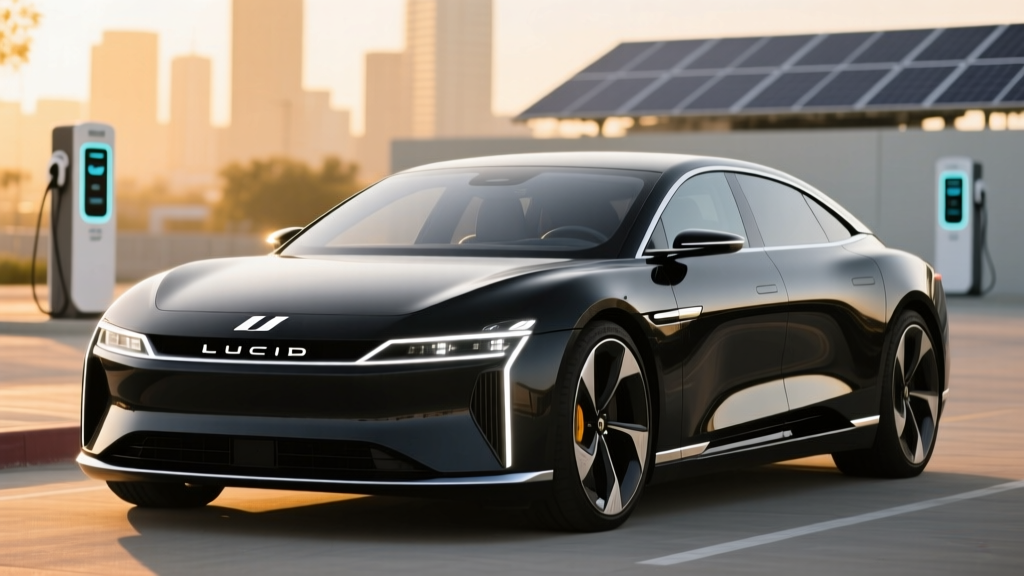
An electric drag car delivers instant torque and consistent 0-60 mph times (often under 2 seconds for dedicated builds, under 4 seconds for production-based EVs like the Tesla Model S Plaid or Lucid Air Sapphire) without the tuning complexity of internal combustion. However, expect to pay $90,000–$250,000+ for a production model capable of sub-4-second quarter-miles, face higher insurance premiums (often $3,500–$6,000/year), and manage significant battery energy draw — a single drag pass can consume 1–3 kWh from a pack sized 80–130 kWh. For dedicated strip-only builds, budget $50,000–$300,000+ depending on class and powertrain.
What Exactly Is an Electric Drag Car?
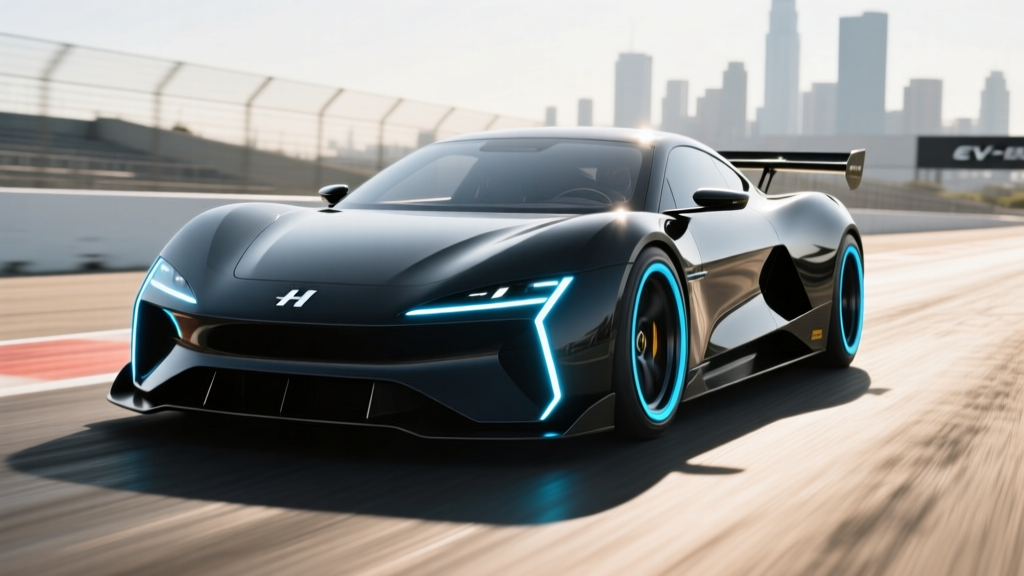
An electric drag car is any battery-electric vehicle (BEV) optimized or purpose-built for drag racing — the straight-line acceleration contest measured typically over a quarter-mile (1,320 feet) or eighth-mile (660 feet) distance. These range from lightly modified production EVs to tube-chassis dedicated racers competing in NHRA and NEDRA (National Electric Drag Racing Association) sanctioned events.
The appeal is rooted in physics: electric motors deliver peak torque from 0 RPM, eliminating the need for powerband management, turbo spool-up, or launch-control clutch slip that defines gas drag racing. The result is brutally consistent, repeatable elapsed times (ETs) with far fewer drivetrain variables to tune between passes.
Production EVs Used for Drag Racing
Several 2025–2026 production models have become popular platforms for street-to-strip use:
| Model | 0-60 mph | Quarter-Mile ET | Horsepower | Battery (kWh) | Base MSRP |
|---|---|---|---|---|---|
| Tesla Model S Plaid | 1.99 sec | ~9.2 sec @ 155 mph | 1,020 hp | ~95 kWh (NMC) | $89,990 |
| Lucid Air Sapphire | 1.89 sec | ~8.95 sec @ 158 mph | 1,234 hp | 118 kWh (NMC) | $249,000 |
| Dodge Charger Daytona Scat Pack | 3.3 sec | ~11.0 sec | 670 hp | 100.5 kWh (NMC) | $73,990 |
| Tesla Model 3 Performance | 2.9 sec | ~10.8 sec | 510 hp | ~75 kWh (NMC) | $52,990 |
| Porsche Taycan Turbo GT (w/ Weissach) | 2.1 sec | ~9.4 sec | 1,019 hp (Launch Control) | 105 kWh (NMC) | $230,000 |
Quarter-mile figures sourced from manufacturer testing and independent instrumented runs (e.g., MotorTrend, Car and Driver). Real-world strip times vary with surface prep, tire compound, temperature, and battery SoC.
Electric Drag Car vs. Gas Drag Car: Performance and Cost Compared
The comparison between electric and gas drag platforms is more nuanced than "EVs are faster." Below is a realistic breakdown across the dimensions that matter for someone considering a drag-focused build or purchase.
| Factor | Electric Drag Car | Gas Drag Car (Comparable Class) |
|---|---|---|
| 0-60 mph (street-legal production) | 1.9–3.5 sec (top models) | 2.5–4.5 sec (supercar tier) |
| Consistency (pass-to-pass ET variance) | ±0.02–0.05 sec typical | ±0.1–0.3 sec (affected by air density, fuel, tune) |
| Drivetrain complexity | Low — no transmission, clutch, turbo | High — engine, transmission, fuel system, exhaust |
| Tuning between passes | Minimal (thermal management focus) | Extensive (jetting, timing, boost, suspension) |
| Energy/fuel cost per pass | $0.15–$0.50 (1–3 kWh at $0.15/kWh) | $2–$8 (race fuel, 0.5–2 gal) |
| Track-side refueling/recharging | Slow — 15–40 min on DC fast charge; often need generator | Fast — 2–5 min with fuel jug |
| Top-end speed (quarter-mile) | Often trap-speed limited vs gas in higher classes | Higher trap speeds in Super Comp, Pro Mod, etc. |
| Maintenance (annual, moderate use) | $500–$1,500 (tires, brake fluid, coolant) | $3,000–$15,000+ (engine rebuilds, clutch, fuel system) |
| Noise at track | Near-silent (some tracks restrict for spectator appeal) | Loud — part of the culture |
| Entry cost (competitive used build) | $40,000–$90,000 | $20,000–$70,000 (varies wildly by class) |
Where Electric Wins
Electric drag cars dominate in repeatability and low-end elapsed times. If your goal is bracket racing where dialing in a consistent ET matters, or you want a street-driven car that can embarrass supercars at stoplight-to-stoplight without a trailer and pit crew, electric is the stronger choice. The instant torque curve also means less driver skill is required to achieve a good launch — a genuine advantage for newcomers.
Where Gas Still Holds Ground
At the upper echelons of drag racing (Top Fuel, Funny Car, Pro Mod), internal combustion still rules with elapsed times in the 3–6 second range and trap speeds over 300 mph. No production or modified electric platform currently competes at this level. Gas platforms also offer far more established aftermarket ecosystems, class structures, and track-side support infrastructure.
The Real Costs of Owning an Electric Drag Car
Buying the vehicle is only the start. Below is a realistic five-year ownership cost breakdown for a production-based electric drag car used for approximately 20 track days per year plus limited street driving.
| Cost Category | Electric Drag Car (e.g., Model S Plaid) | Gas Supercar (e.g., C8 Corvette Z06) |
|---|---|---|
| Purchase price (base) | $89,990 | $115,000 |
| §30D Federal EV Tax Credit | $0 (MSRP & income caps; likely ineligible for Plaid at this price — verify at IRS.gov) | $0 |
| Insurance (annual avg × 5 yrs) | $4,500 × 5 = $22,500 | $3,200 × 5 = $16,000 |
| Track-day energy/fuel (20 days/yr × 5 yrs) | ~$1,500 (home charging + occasional DCFC) | ~$8,000 (race fuel + premium pump) |
| Tires (drag radials/slicks, ~2 sets/yr) | $4,000 × 5 = $20,000 | $3,500 × 5 = $17,500 |
| Maintenance & repairs (5 yrs) | $4,000 (coolant, brake fluid, cabin filter, cabin compressor) | $18,000 (engine service, clutch, belts, fluids) |
| Battery degradation/replacement reserve | $0–$5,000 (under warranty if under 70% capacity; out-of-warranty replacement $15,000–$25,000) | $0 (engine rebuild reserve: $5,000–$15,000) |
| Home Level 2 charger install | $1,200–$3,500 (one-time; 240V/48A circuit) | $0 |
| 5-Year Total (approx.) | $143,190–$161,490 | $159,500–$186,500 |
Insurance quotes vary dramatically by driver profile, location, and whether track use is disclosed. Many standard policies exclude competitive racing — a dedicated track-day rider or agreed-value collector policy may be required. Verify coverage before your first pass.
Charging Infrastructure Considerations
Track-side charging is the single biggest logistical challenge for electric drag car owners. Most drag strips do not offer DC fast charging, and Level 2 (240V) outlets are uncommon in pit areas. Practical solutions include:
- Portable Level 2 EVSE ($500–$900) with NEMA 14-50 plug — requires track permission and a suitable 240V/50A outlet in the pits.
- Generator-based charging: a tow-vehicle-mounted generator (e.g., Honda EU7000is, ~$4,000) paired with a portable charger can add 15–25 miles of range per hour — slow but viable for topping up between rounds.
- Pre-charge at home and plan passes around SoC: a fully charged 95 kWh pack can realistically deliver 15–30 full-throttle quarter-mile passes before SoC drops below 50%, where power output begins to taper.
Battery Health Under Drag Racing Stress
Repeated high-current discharge generates significant heat in battery cells. NMC (nickel manganese cobalt) chemistry, used in nearly all high-performance EVs, is energy-dense but more thermally sensitive than LFP (lithium iron phosphate). Expect accelerated degradation if you regularly discharge below 20% SoC or run passes without allowing 10–15 minutes of cooldown between runs. Most manufacturers' battery warranties (typically 8 years/100,000 miles, covering capacity below 70%) may not cover track-only abuse — read the fine print.
Real-World Ownership Considerations for First-Time EV Drag Racers
Decision Framework: Should You Buy an Electric Drag Car?
- Choose an electric drag car if: You prioritize consistency and low elapsed times over trap speed; you want a dual-purpose street/strip vehicle; you have access to a 240V home charging circuit (Level 2); you're willing to budget $4,000+/year for insurance and tires; and you race at tracks within ~100 miles of home or a DC fast charger.
- Choose a gas drag car if: You compete in NHRA/IHRA classes with established ICE infrastructure; you need rapid track-side refueling between rounds; you're chasing trap speeds above 160 mph in modified classes; your budget is under $40,000 for a competitive build; or you lack reliable home charging access.
- Reconsider entirely if: You live in an apartment or lack off-street parking for a Level 2 charger; your local drag strip is more than 150 miles from the nearest DC fast charger; or you plan to compete in classes where EVs are not yet sanctioned.
Home Charging: Non-Negotiable for Electric Drag Car Ownership
Unlike a daily-driver EV that can survive on occasional public charging, a drag-focused EV demands reliable, fast home charging to recover from track use. A Level 2 home charger (7.7–11.5 kW, 240V) will fully replenish a 100 kWh pack in 9–13 hours — adequate for overnight recovery after a track day. Budget $1,200–$3,500 for a quality EVSE (ChargePoint Home Flex, Emporia Vue, or Tesla Wall Connector) plus licensed electrician installation. If your home electrical panel is maxed out (common in older homes with 100A service), a panel upgrade to 200A can add $1,500–$4,000.
Climate and Track Conditions
Battery temperature directly affects performance. In cold weather (below 40°F / 4°C), expect 10–20% power reduction on cold-soaked packs unless the vehicle supports battery preconditioning (Tesla, Porsche, and Lucid all offer this). Conversely, in hot climates (above 90°F / 32°C), repeated passes without thermal cooldown can trigger power-limiting thermal protection. Plan track sessions around ambient temperature and allow 10–15 minutes between passes for active thermal management to do its work.
Common Misconceptions About Electric Drag Cars
| Myth | Fact |
|---|---|
| "Electric drag cars are all fast in a straight line — no skill required." | While launches are more forgiving, dialing in a bracket-racing ET, managing SoC and thermals across multiple rounds, and choosing the right tire compound still demand significant driver skill and preparation. |
| "You can't race EVs at real drag strips." | NEDRA (National Electric Drag Racing Association) sanctions EV classes, and the NHRA has begun integrating electric categories. Many local tracks allow EVs in Test & Tune sessions. Always call ahead to confirm class eligibility. |
| "EV batteries will be destroyed by drag racing." | Occasional drag use (20–30 track days/year) with proper thermal management and SoC discipline (avoiding repeated deep discharges below 20%) causes modest additional degradation — typically 1–3% extra capacity loss per year over normal driving, based on fleet data from high-performance EV owners. |
| "Electric drag cars can't compete with gas cars at the track." | In elapsed-time bracket racing and street-car grudge matches, production EVs like the Model S Plaid and Lucid Air Sapphire routinely outperform gas vehicles costing 2–3× as much. Gas still dominates in top-fuel and pro-mod classes. |
| "Charging at the track is impossible." | Challenging, but not impossible. Portable Level 2 EVSEs, generators, and strategic SoC planning make it workable — though it requires more logistics than a gas car's fuel jug. |
What First-Time EV Drag Car Buyers Must Know
If you're transitioning from gas drag racing or entering the sport for the first time via an electric platform, these are the non-obvious realities that no manufacturer brochure will tell you:
- Weight is the enemy. High-performance EVs are heavy — the Model S Plaid weighs ~4,766 lbs, and the Lucid Air Sapphire ~5,236 lbs. That mass generates extraordinary tire wear (budget for drag-specific rubber) and increases braking distances. Invest in brake cooling and consider drag-radial tires rated for the vehicle's weight.
- State of Charge (SoC) directly controls power output. Unlike a gas engine that makes near-peak power from a quarter tank, EV powertrains taper output as SoC drops. For best ETs, launch with 85–95% SoC — not 100%, as charging to full can slightly elevate cell temperature.
- Preconditioning matters for more than range. Battery preconditioning (warming the pack to optimal operating temperature, typically 85–95°F) improves power delivery and charge acceptance. Use your car's preconditioning feature before heading to the track.
- Tire choice is critical and expensive. Street tires will shred under the instant torque of a 1,000+ hp EV. Budget $2,000–$4,000 per set for drag radials or slicks rated for your vehicle's weight and torque output. Mickey Thompson ET Street R and Nitto NT05R are popular choices.
- Check your warranty's track-use clause. Some manufacturers (Tesla included) have historically voided powertrain warranties for vehicles detected in competitive racing via telemetry. Review your warranty terms and consider aftermarket powertrain coverage if you plan serious competition use.
Frequently Asked Questions
Can I daily-drive an electric drag car?
Yes — production-based models like the Tesla Model S Plaid, Lucid Air Sapphire, and Porsche Taycan Turbo GT are fully street-legal daily drivers with EPA ranges of 320–406 miles. The trade-off is accelerated tire wear if you run drag radials on the street, and a firmer ride from track-oriented suspension setups. Dedicated tube-chassis EV drag cars are not street-legal.
How much does it cost to build a dedicated electric drag car from scratch?
A purpose-built electric drag car (tube chassis, racing battery pack, one or more high-output motors, racing BMS) typically costs $80,000–$300,000+ depending on class and target ET. Companies like Switzer Performance, EV West (now part of larger EV conversion networks), and various NEDRA-affiliated builders offer turnkey or kit solutions. Factor in $10,000–$30,000 for a racing-rated battery pack alone.
Do electric drag cars qualify for the federal EV tax credit?
Potentially — but most high-performance EVs exceed the §30D MSRP cap ($55,000 for sedans, $80,000 for SUVs/trucks) or the buyer income limits ($150,000 single / $300,000 joint filers). The Tesla Model 3 Performance ($52,990) is one of the few that may qualify, depending on battery sourcing and your income. Always verify current eligibility at IRS.gov and consult a tax professional. Dedicated race builds do not qualify as they are not street-legal production vehicles.
How many drag passes can I do on a full charge?
A full-throttle quarter-mile pass in a 1,000 hp EV consumes approximately 1.5–3 kWh of battery energy. On a 95 kWh usable pack (Model S Plaid), that translates to roughly 30–50 passes before SoC drops to 50%, where power tapering becomes noticeable. However, thermal management limits are usually reached before energy limits — plan for 3–6 passes per session with 10–15 minute cooldown intervals for best consistency.
Are electric drag cars safer than gas drag cars?
Safety is comparable when proper equipment is used. EV-specific risks include high-voltage exposure after a crash and thermal runaway in damaged lithium-ion packs. NHRA and NEDRA require specific safety equipment for EVs, including high-voltage disconnect switches, fire suppression systems rated for lithium fires, and insulated gloves for pit crews. Per NHTSA data, EVs are not inherently more dangerous in crashes, but post-crash high-voltage protocols are different from gas vehicles and require training.
What's the best entry-level electric drag car for a beginner?
The Tesla Model 3 Performance ($52,990 MSRP, 2.9-sec 0-60, ~10.8-sec quarter-mile) offers the best balance of performance, price, and aftermarket support for someone entering electric drag racing. Its lighter weight (~4,000 lbs) compared to the Model S Plaid means less tire wear, and Tesla's Supercharger network makes travel to distant tracks feasible. For a lower-cost entry, a used Tesla Model 3 Performance (2021–2024) can be found for $30,000–$42,000.