Quick Answer: The Electric Cobra in 2026
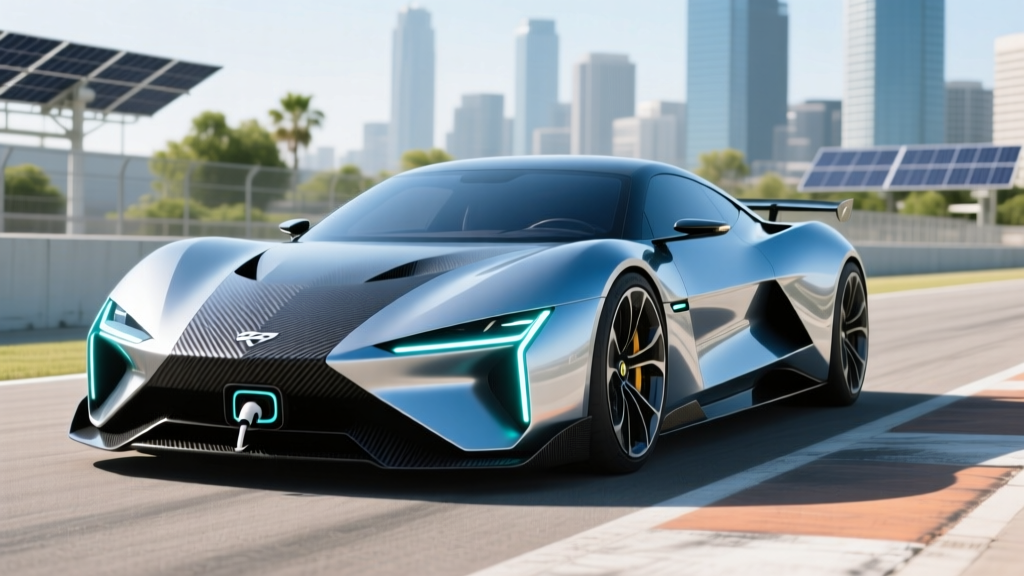
The "electric Cobra" most buyers are searching for refers to either the Ford Mustang Shelby GT500 electric concepts and restomod conversions (from shops like Charge Autosports and Everrati) or Ford's broader performance-EV direction under the Shelby/Cobra nameplate. As of early 2026, no mass-production electric Cobra is sold new by Ford. What does exist: high-end EV restomods starting around $200,000–$350,000, and Ford's Mustang Mach-E GT (the closest production analog) starting at $59,995 MSRP with an EPA range of 280 miles, a 91-kWh (usable ~88 kWh) NMC battery, and a 4.0-second 0–60 mph time. If you're weighing an electric performance car against a gas V8, the real decision comes down to daily usability, charging access, and total cost — not just 0–60 bragging rights.
What "Electric Cobra" Actually Means for Buyers
The Cobra nameplate carries decades of Shelby performance heritage, and the EV aftermarket has leaned in hard. Here's what exists in 2026:
- EV restomods (Everrati, Charge Autosports, Lunaz): Classic AC Cobra or Shelby bodies fitted with modern electric powertrains. Typical specs: 400–600 HP, 50–75 kWh battery packs, 150–200 miles real-world range, CCS or Type 2 AC charging (rarely DC fast charging). Price: $200,000–$500,000+.
- Ford Mustang Mach-E GT: The closest production Ford performance EV to Cobra spirit. 480 HP, 634 lb-ft torque, EPA 280-mile range, peak DC fast charge rate of 150 kW (10–80% in ~34 minutes).
- Announced concepts: Ford has teased electric performance vehicles under its "Model e" division, but no production "Shelby EV" or "Electric Cobra" has been confirmed for 2026–2027 delivery. Treat any leaked specs as preliminary.
If you're a buyer researching this keyword, you likely want a high-performance EV with muscle-car character. Let's evaluate whether that makes financial and practical sense versus a gas equivalent.
Electric Performance EV vs Gas V8: Cost & Efficiency Compared
To make this concrete, we'll compare the 2026 Mustang Mach-E GT against the 2025 Mustang GT Premium (5.0L V8) — the closest gas analog in Ford's lineup. Both seat four, hit 60 mph in roughly 4 seconds, and carry a performance premium over base models.
| Metric | 2026 Mach-E GT (EV) | 2025 Mustang GT 5.0 V8 |
|---|---|---|
| Base MSRP | $59,995 | $44,090 |
| Horsepower / Torque | 480 HP / 634 lb-ft | 480 HP / 415 lb-ft |
| 0–60 mph | ~4.0 sec | ~4.3 sec |
| EPA Range / Fuel Economy | 280 mi / 84 MPGe | ~320 mi / 19 MPG combined |
| Energy Cost per Mile (US avg) | ~$0.045 (home L2) / ~$0.13 (DCFC) | ~$0.18 (gas at $3.40/gal) |
| Annual Fuel/Energy (12,000 mi) | $540–$1,560 | $2,147 |
| Federal Tax Credit (§30D) | Up to $7,500 (if eligible) | $0 |
| Scheduled Maintenance (5-yr est.) | ~$800 | ~$3,200 |
Sources: fueleconomy.gov (Mach-E GT), IRS §30D rules.
Real-World Range: What the EPA Sticker Doesn't Tell You
The Mach-E GT's 280-mile EPA figure is measured under mixed driving conditions. Real-world results diverge significantly based on how and where you drive:
2026 Mach-E GT: EPA vs Reality
- EPA sticker: 280 miles (88 kWh usable / ~3.5 mi/kWh combined)
- Highway at 75 mph, moderate weather: ~230–250 miles
- Highway at 75 mph, 30°F or below: ~180–210 miles (cold reduces battery efficiency and increases cabin heating load)
- City / stop-and-go with regen: ~270–290 miles (regenerative braking recaptures energy)
For a restomod electric Cobra with a smaller 60-kWh pack, expect roughly 140–180 miles real-world — enough for weekend drives, not road trips. These cars are rarely equipped for DC fast charging, meaning a full recharge takes 6–10 hours on a Level 2 home charger.
Charging Costs, Speeds, and Home Setup
Performance EVs demand reliable charging access. Here's what you need to budget for:
| Charging Method | Power (kW) | Miles Added / Hour | Cost per Session (88 kWh) | Typical Use Case |
|---|---|---|---|---|
| Level 1 (120V outlet) | ~1.4 kW | ~4 mi/hr | $11–$15 (home) | Emergency / overnight trickle |
| Level 2 (240V, 48A home) | ~11.5 kW | ~33 mi/hr | $11–$15 (home) | Daily primary charging |
| DC Fast Charge (public) | Up to 150 kW (Mach-E GT) | ~250 mi/hr (peak) | $25–$45 (network dependent) | Road trips |
Home Level 2 installation: Expect to pay $800–$2,500 total — roughly $400–$700 for a quality 48-amp charger (ChargePoint Home Flex, Emporia Level 2, or Wall Connector) plus $400–$1,800 for electrician labor, permit, and a possible panel upgrade if your home has less than 200-amp service. Homes with older 100-amp panels may face $1,500–$3,000 additional costs for a panel upgrade — get a licensed electrician's quote before committing to a purchase.
Charging curve reality: The Mach-E GT peaks at 150 kW but only sustains that rate between roughly 15–45% State of Charge. From 10–80%, expect ~34 minutes at a capable station. Above 80%, the charge rate tapers sharply (to ~40 kW) to protect the NMC battery chemistry. Plan road-trip stops around the 10–80% window — don't wait until 5% remaining.
Total 5-Year Ownership Cost Breakdown
| Cost Category | Mach-E GT (EV) | Mustang GT V8 (Gas) |
|---|---|---|
| Purchase (after $7,500 credit*) | $52,495 | $44,090 |
| Energy/Fuel (5 yrs, 60,000 mi) | $2,700–$7,800 | $10,737 |
| Maintenance (5 yrs) | ~$800 | ~$3,200 |
| Insurance (5 yrs, national avg) | ~$11,500 | ~$8,500 |
| Depreciation (est. 5-yr) | ~$26,000 | ~$18,000 |
| 5-Year Total | ~$93,495–$98,595 | ~$84,527 |
*§30D credit eligibility requires MSRP under $80,000 (SUVs — the Mach-E qualifies), buyer AGI under $150K single / $300K joint, and battery critical-mineral/sourcing compliance. Verify at irs.gov. Credit can be transferred at point of sale as a price reduction under 2026 rules.
EV insurance premiums run 15–30% higher than gas equivalents due to repair cost structures (battery-pack damage assessments, specialized body shops). Get quotes from GEICO, Progressive, and EV-specialty insurers before purchasing.
Common Myths vs Facts for First-Time Performance EV Buyers
| Myth | Fact |
|---|---|
| "EVs need battery replacement every 5 years" | Ford warranties the Mach-E battery for 8 years / 100,000 miles against dropping below 70% capacity. Real-world degradation data shows most NMC packs retain 85–92% capacity at 100K miles (Geotab fleet data). |
| "Electric performance cars can't match V8 thrill" | Instant torque delivery (634 lb-ft from 0 RPM) produces faster real-world acceleration. The trade-off is sound and mechanical engagement — no exhaust note, no gear shifts. Paddle-shift simulators exist but aren't the same. |
| "You can't road-trip an EV" | With DC fast charging at 150 kW and 30-minute 10–80% sessions, road trips are viable — but require route planning around charging infrastructure. Rural corridors (parts of I-10, I-80, I-70) still have gaps. |
| "Home charging is too expensive to install" | Most homes with 200-amp panels need only a $1,200–$1,800 install. Federal residential energy credits (30% of equipment+labor, up to $1,000 under §25C) can offset costs through 2032. |
Decision Framework: Should You Buy an Electric Cobra or Equivalent?
Choose the Mach-E GT (or similar performance EV) if:
- You have Level 2 home charging (garage or driveway with 240V access)
- Your daily commute is under 100 miles round-trip
- You value instant torque and near-silent acceleration over exhaust sound
- You qualify for the §30D tax credit (reduces effective price by $7,500)
- You drive in a region with moderate winters or have a garage (cold weather cuts range 20–35%)
- You want lower per-mile operating costs and minimal scheduled maintenance
Choose a gas Mustang GT (or wait on a restomod) if:
- You live in an apartment or lack home charging access
- You regularly drive 300+ mile stretches through charging-desert corridors
- Exhaust sound, manual transmission feel, and mechanical engagement matter to you
- You tow (the Mach-E is rated for only 2,300 lbs; the Mustang GT isn't rated for towing at all, but trucks/SUVs differ)
- You want a weekend collectible (restomod Cobras hold value differently than mass-production EVs)
- Upfront budget is under $45,000
Frequently Asked Questions
Will Ford ever make an official electric Cobra or Shelby EV?
Ford has not announced a production electric Cobra as of early 2026. The company's Model e division focuses on high-volume EVs (F-150 Lightning, next-gen Explorer EV for Europe). Performance variants of the Mach-E exist (GT, Rally), and aftermarket shops build electric Cobra restomods, but a factory Shelby EV remains speculative. Monitor Ford's performance division announcements for updates.
How much does an electric Cobra restomod cost?
Conversions from shops like Everrati, Charge Autosports, and Lunaz typically range from $200,000 to $500,000+ depending on the donor chassis, battery size (50–75 kWh typical), and customization. These are bespoke builds with 6–18 month lead times. They are not eligible for the §30D federal tax credit (applies only to new OEM vehicles from qualified manufacturers).
Is the Mach-E GT a good first EV for a performance car buyer?
It's one of the most accessible entry points — $59,995 MSRP, widely available, strong Supercharger and third-party DCFC network compatibility (NACS adapter included for 2026 models). The main adjustment for a first-time EV buyer is route planning for road trips and installing a home Level 2 charger. If you can charge at home, daily ownership is simpler than a gas car (no fuel stops, no oil changes).
What happens to the battery after the warranty expires?
Ford's 8-year/100,000-mile battery warranty covers capacity loss below 70%. Out-of-warranty replacement for an 88-kWh NMC pack currently runs $15,000–$22,000 including labor. However, industry data shows most packs last 200,000+ miles before reaching 70% capacity. Proper care — avoiding frequent DC fast charging to 100%, keeping charge between 20–80% for daily use, preconditioning before fast charges — extends longevity significantly.
Can I charge a Mach-E GT at Tesla Superchargers?
Yes. For 2026, Ford includes a NACS adapter with the Mach-E, granting access to the Tesla Supercharger network (over 25,000 stalls in North America). Charge rates are limited to each stall's capability and the Mach-E's 150 kW peak. Expect 10–80% in ~35 minutes at a V3 Supercharger.